

Key Takeaways
- 1Mice can squeeze through gaps as small as 1/4 inch - a dime-sized hole
- 2Fall is the critical prevention window before mice seek winter shelter
- 3Steel wool combined with caulk provides the most effective gap sealing
- 4One mouse means more - they rarely invade alone and breed rapidly
- 5Professional exclusion is more effective than DIY trapping for prevention
Why Mice Invade Idaho Homes in Winter
As temperatures drop across the Treasure Valley, mice do exactly what you would - they seek warmth, food, and shelter. Your home provides all three, making it an irresistible target for rodents looking to survive Idaho winters.
The house mouse is the most common winter invader in Boise area homes. These small gray or brown rodents can squeeze through gaps as small as 1/4 inch - about the size of a dime. Once inside, they can produce 5-10 litters per year with 6-8 pups each.
Deer mice, while more common in rural Ada County areas, also seek indoor shelter and carry additional health risks including hantavirus.
Find and Seal All Entry Points
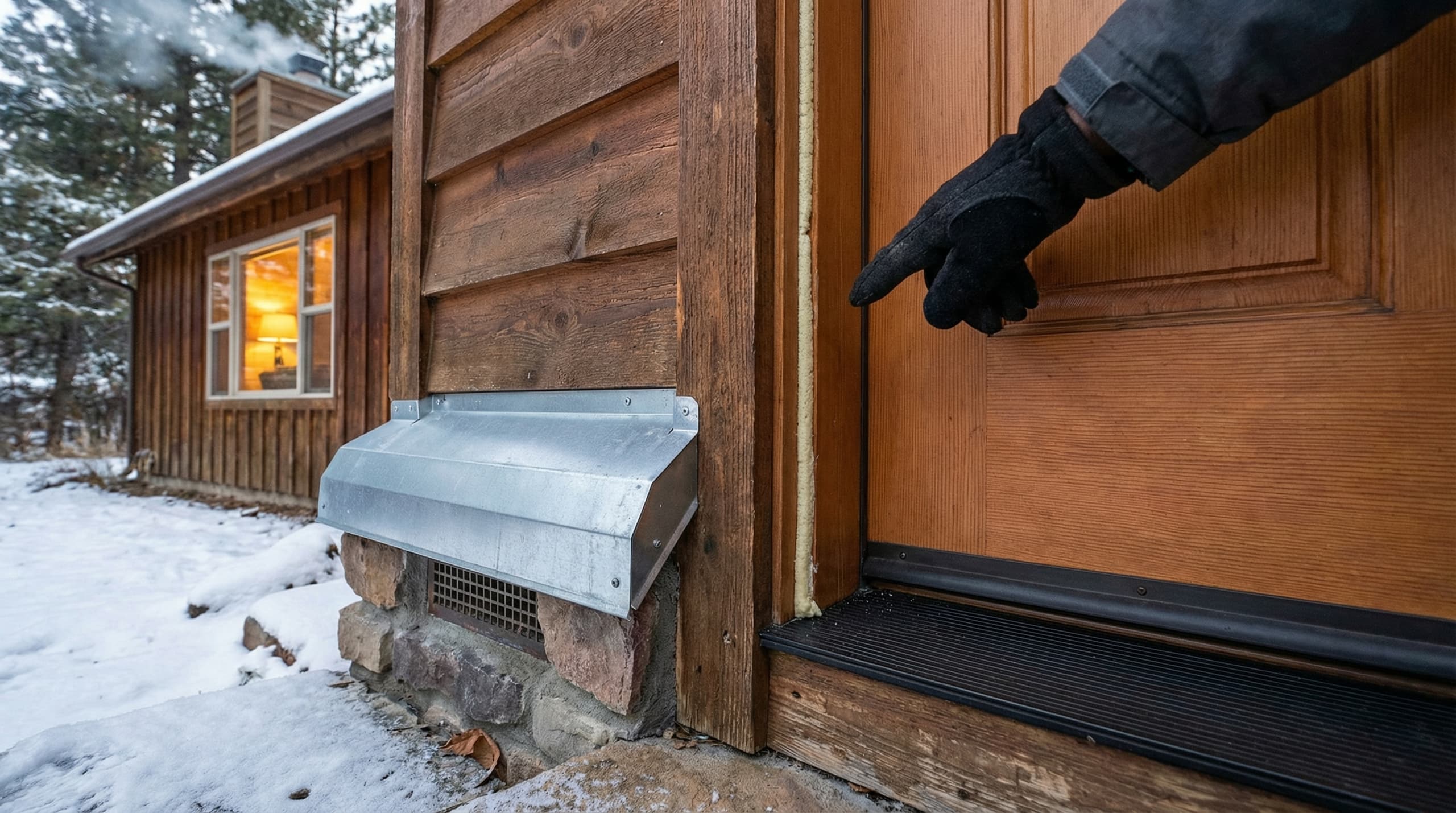
Use steel wool stuffed into gaps, then seal over with caulk. Mice cannot chew through steel wool, but caulk alone will not stop them.
Exclusion - physically preventing mice from entering - is the most effective long-term solution.
- Check foundation perimeter - Look for cracks, gaps around pipes, and spaces where different materials meet.
- Inspect utility penetrations - Gas lines, water pipes, electrical conduits, and cable entries are common entry points.
- Examine garage doors - Check weatherstripping and the gap at floor level.
- Look at roof level - Mice can climb. Check soffits, roof vents, and where roof meets siding.
- Do not forget interior gaps - Holes around pipes under sinks, gaps behind appliances, and openings into wall voids.
Eliminate Food Sources
Mice enter seeking food and stay when they find it. Removing food access makes your home less attractive.
- Store food in airtight containers - Mice can chew through cardboard, thin plastic, and paper.
- Secure pet food - Do not leave pet bowls out overnight.
- Keep birdseed away from the house - If you feed birds, keep feeders 20+ feet from your home.
- Clean up fallen fruit and garden produce - Outdoor food sources attract mice to your property.
- Empty trash regularly - Use cans with tight-fitting lids.
Declutter and Organize Storage Areas
When cleaning areas with mouse droppings, wear gloves and a mask. Spray droppings with disinfectant before sweeping to prevent airborne dust. Hantavirus is transmitted through inhaling particles from mouse droppings.
Mice prefer cluttered, undisturbed areas for nesting. Organization eliminates hiding spots.
- Use plastic storage bins - Cardboard boxes provide nesting material and mice can chew through them.
- Keep items off floors - Store on shelves when possible, making inspection easier.
- Organize garages - The most common mouse entry point in Boise homes.
- Clean out storage areas annually - Check for droppings, gnaw marks, and nesting material.
- Store seasonal items properly - Holiday decorations stored in garages are often disturbed.
Signs You Already Have Mice
If you see one mouse, there are almost certainly more. Mice rarely live alone. Professional intervention is recommended for any mouse sighting.
If you notice these signs, you likely have mice already - and need to act immediately:
- Droppings - Small dark pellets, often found along walls, in cabinets, or in storage areas.
- Gnaw marks - On food packaging, wood, or plastic. Fresh marks are lighter colored.
- Scratching sounds - Often heard at night in walls, ceilings, or under floors.
- Nesting material - Shredded paper, fabric, or plant material gathered in hidden areas.
- Tracks or rub marks - Greasy marks along walls where mice travel repeatedly.
When to Call a Professional
Green Guard rodent exclusion starts at just $49 for initial service, with ongoing protection at $119 per quarter. We guarantee our work - if mice return between services, we will re-treat at no additional charge. We offer free re-service if problems occur between regular treatments.
While DIY prevention helps, professional exclusion provides the most thorough and lasting protection. Call Green Guard Pest Control at (208) 297-7947 if you experience any of these situations:
- You see even one mouse - Mice rarely live alone. One sighting indicates more are present and breeding.
- You find droppings in multiple areas - Indicates an established population requiring professional treatment.
- DIY traps are not catching mice - Mice are intelligent and learn to avoid traps. Professional techniques are more effective.
- You hear scratching in walls - Indicates mice have nested inside your wall voids, requiring professional access.
- Mouse activity persists despite prevention efforts - You may have entry points or attractants you cannot identify.
- You are preparing for winter - Fall exclusion service prevents the annual winter invasion.
Need Professional Help?
Get Same-Day Pest Control in Boise
Our local experts are standing by. Guaranteed results or we re-treat for free.