

Boise Pest Control - Protecting Idaho's Capital
Updated May 2026 · Local team, local roots
Complete pest protection for historic homes, modern condos, and everything in between.
100%
Satisfaction Guarantee
4.9/5
Boise Rating
24hr
Response Time
Why Boise Properties Face Unique Pest Challenges
As Idaho's capital and largest city in Ada County (ZIP codes 83702-83716), Boise presents complex pest pressures across its diverse neighborhoods. From the historic tree-lined streets of the North End and Warm Springs to the newer developments in Harris Ranch and Southeast Boise, each area has distinct pest pressures. The Boise River corridor running through Downtown and the Greenbelt creates moisture-rich environments, while the Bench and Vista neighborhoods see different pest activity due to their elevation and proximity to agricultural land.
- Boise River corridor creates ideal habitats for spiders and mosquitoes
- Historic North End homes have aging foundations with pest entry points
- Urban density accelerates pest spread between properties
- Mature trees harbor carpenter ants and wood-boring beetles
Local Expertise
We understand Boise's unique pest challenges
Common Pests in Boise
Our local experts know how to identify and eliminate these pests quickly
Carpenter Ants
A major threat to Boise's historic wood-frame homes.
Black Widow Spiders
Common in basements, garages, and woodpiles.
Norway Rats
Thrive in Boise's urban environment.
Yellow Jackets
Build aggressive ground colonies in yards.
Our Boise Pest Control Services
General Pest Control
Year-round protection from common pests
Ant Extermination
Colony elimination & prevention
Spider Management
Interior & exterior treatments
Rodent Control
Humane removal & exclusion
Wasp & Hornet Removal
Safe nest removal
Commercial Services
Business pest management
Boise Neighborhoods We Serve
Neighborhood Pest Control Details
Local pest challenges and solutions for every Boise neighborhood
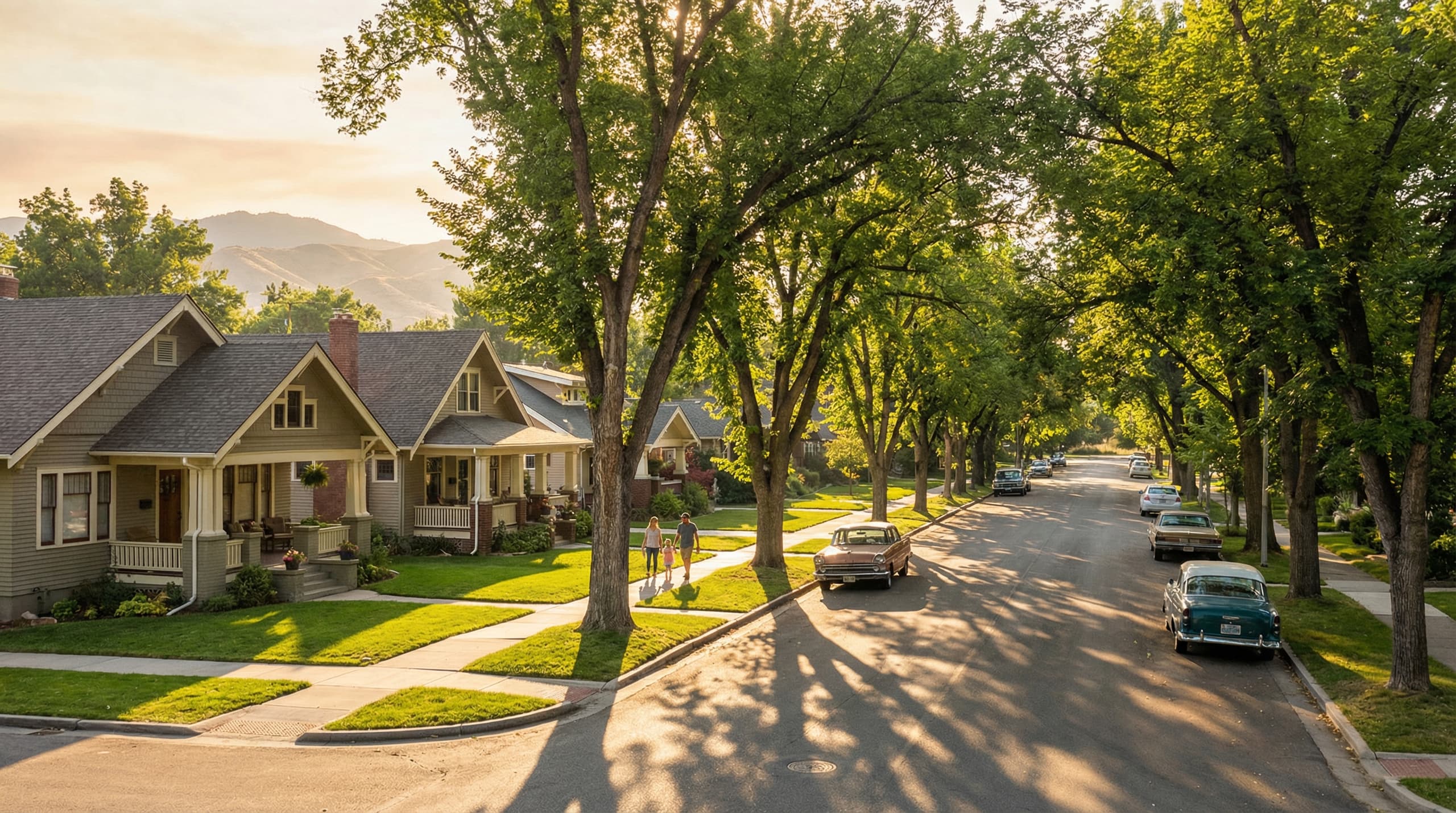
The North End is Boise's most cherished historic neighborhood, featuring beautiful early 1900s Craftsman bungalows, Victorian homes, and Tudor revivals along tree-lined streets like Harrison Boulevard, Hays Street, and Resseguie Street. These architectural treasures present distinct pest control challenges that newer homes simply don't face. Original wood framing, stone foundations, and aging mortar create countless entry points for determined pests. The neighborhood's mature elm, maple, and oak trees, while stunningly beautiful, provide highways for carpenter ants directly to your roof and attic. Basements in North End homes often have moisture issues from original drainage systems, creating ideal harborage for spiders, silverfish, and occasional rodents seeking shelter.
- 100+ year old foundations with gaps and settling cracks invite pest entry
- Mature tree canopy connects directly to rooflines, enabling carpenter ant infestations
- Historic wood siding and trim provides nesting sites for wasps and wood-boring insects
- Older plumbing creates moisture conditions that attract spiders and silverfish
Common Pests in North End
North End FAQ
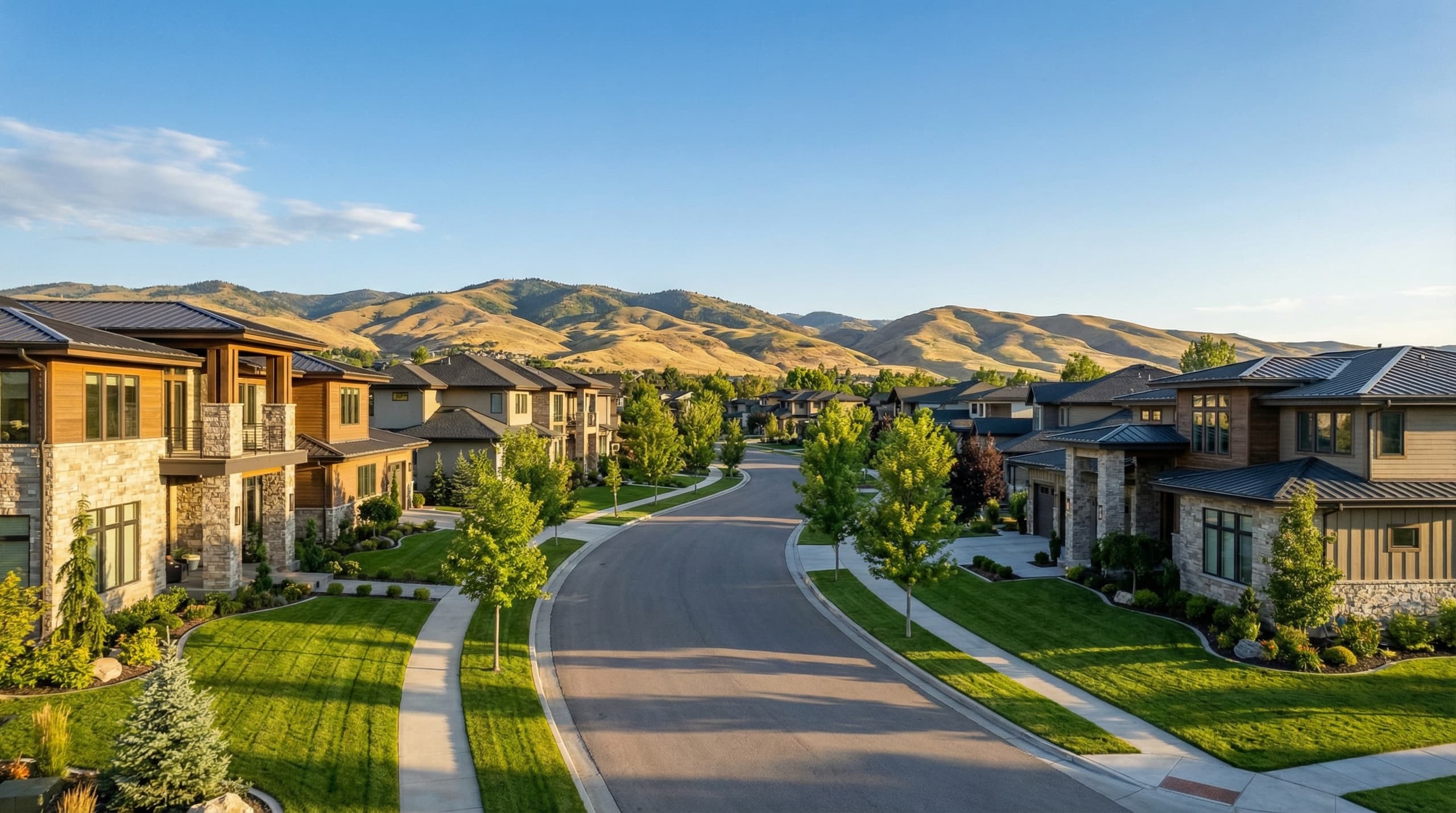
East Boise represents the beautiful transition zone between urban Boise and the Boise Foothills, with neighborhoods stretching from Warm Springs Avenue up toward Table Rock and the Oregon Trail Reserve. This prime location comes with unique pest pressures that purely urban or rural homes don't experience. Properties in East Boise sit adjacent to thousands of acres of natural habitat, meaning wildlife, and the pests they carry, are never far away. Deer mice from the foothills carry fleas and seek shelter in garages and sheds. Black widow spiders thrive in the rocky terrain and migrate into yards and basements. The seasonal creek beds and irrigation ditches throughout East Boise create moisture corridors that attract everything from earwigs to yellowjackets.
- Foothills proximity brings deer mice, voles, and field rodents to residential properties
- Rocky terrain and sagebrush provide ideal black widow spider habitat nearby
- Seasonal moisture from foothill runoff attracts earwigs and ground-dwelling pests
- Larger lot sizes mean more perimeter to defend against pest infiltration
Common Pests in East Boise
East Boise FAQ
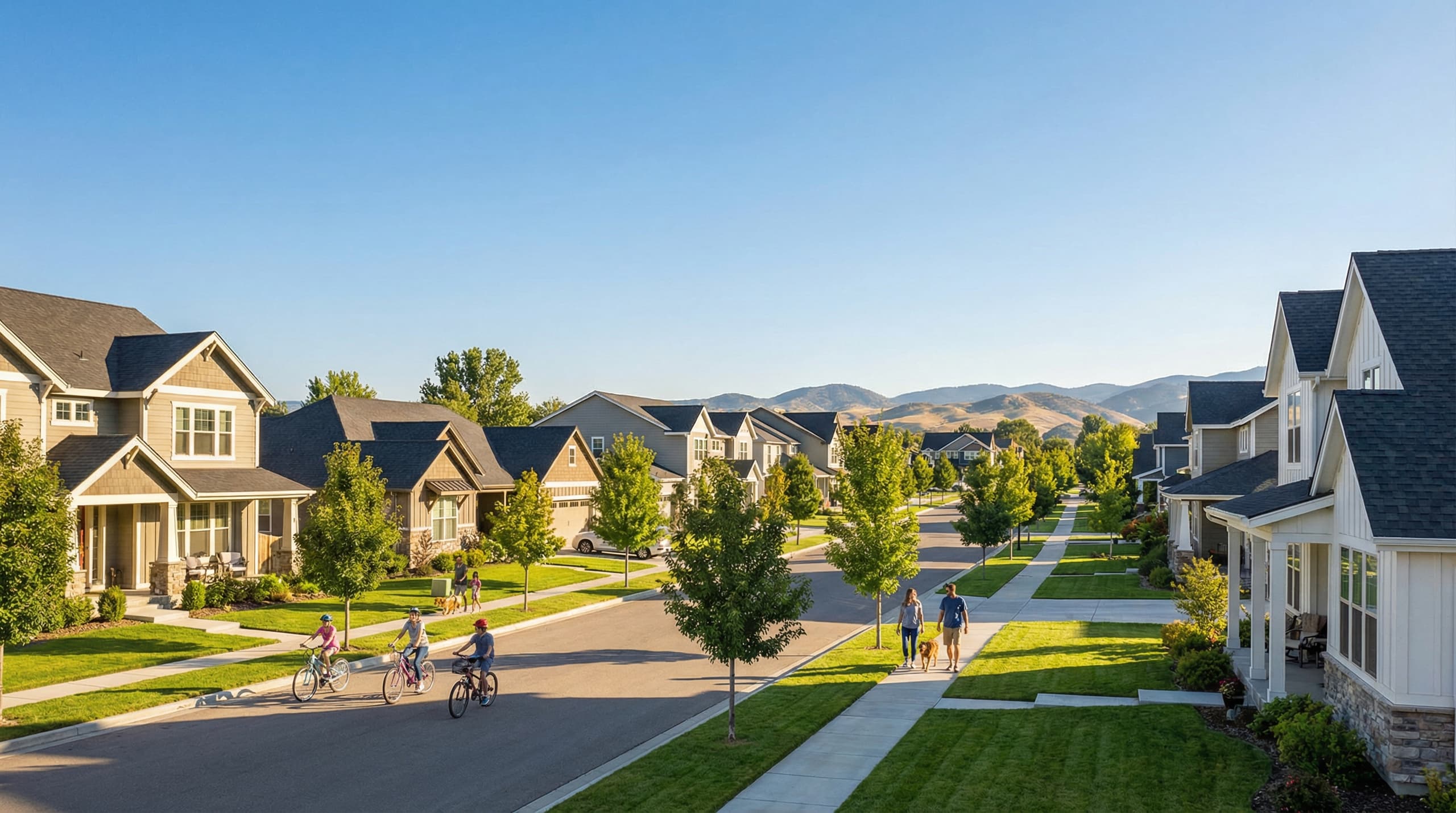
Southeast Boise encompasses some of Boise's fastest-growing residential areas, from established neighborhoods near Boise Airport to newer developments in Columbia Village and Surprise Valley. This diverse area presents varied pest challenges based on construction age and proximity to agricultural land and the Boise River. Newer construction in subdivisions like Columbia Village and Barber Junction often means disturbed soil that's prime territory for ant colonies. The irrigation canals and wetlands near the river corridor attract mosquitoes and create moisture conditions that spiders love. Meanwhile, older Southeast Boise neighborhoods near Federal Way see the full spectrum of urban pests adapted to established residential areas.
- New construction disturbs native ant colonies, pushing them toward homes
- Proximity to Boise River wetlands increases mosquito and spider populations
- Agricultural land nearby means field mice and voles migrate into neighborhoods
- Dense subdivision layouts accelerate pest spread between properties
Common Pests in Southeast Boise
Southeast Boise FAQ
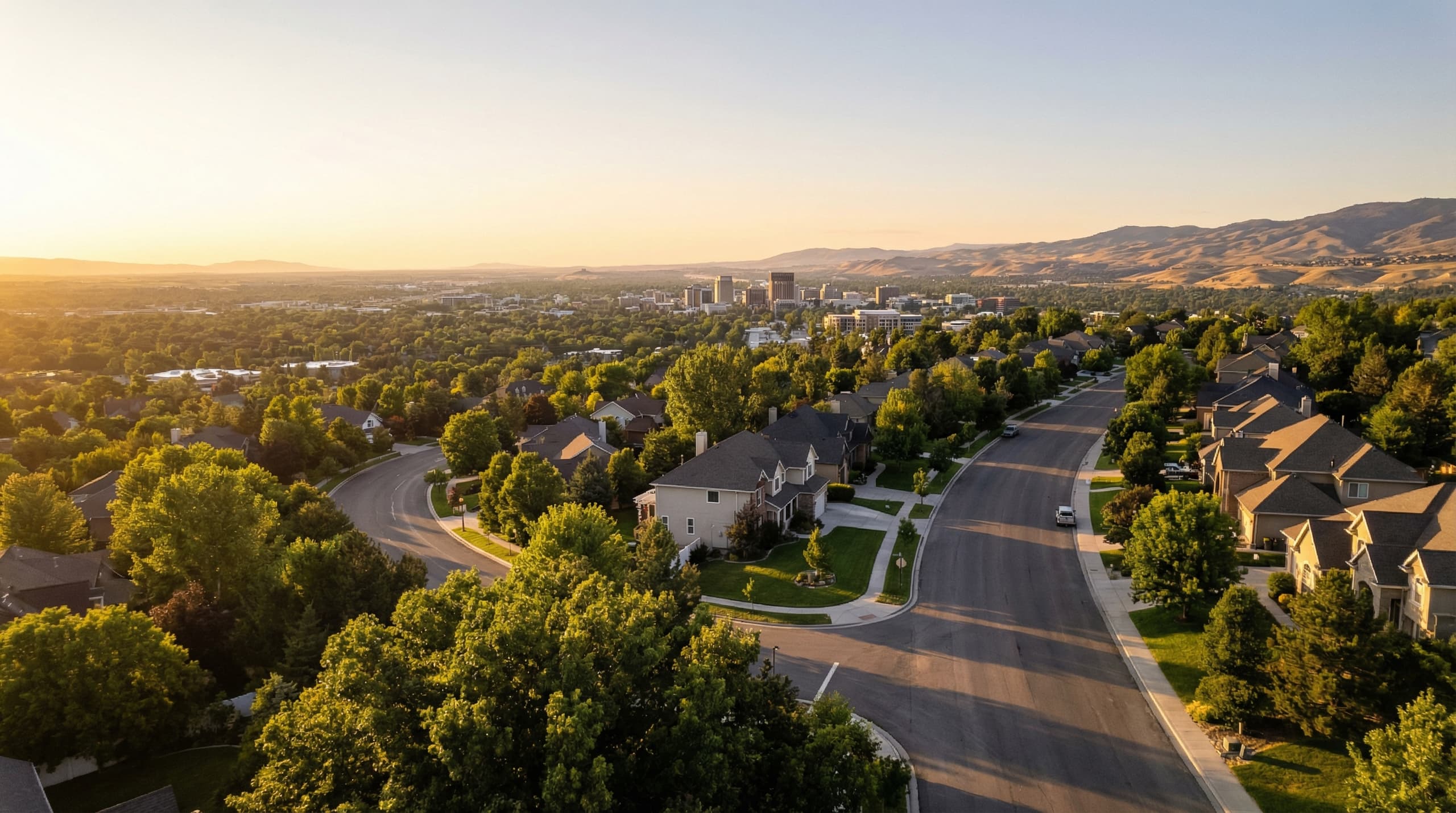
The Bench is one of Boise's most established residential areas, sitting on an elevated terrace above the downtown core. This mid-century neighborhood stretches from Vista Avenue to Orchard Street, encompassing diverse housing from 1940s-era homes to 1970s split-levels. The Bench's unique topography and mature landscaping create specific pest conditions. The elevation change from downtown creates a distinct microclimate, and the older housing stock presents challenges similar to the North End but with different architecture. Many Bench homes have full basements that were common in post-war construction, providing potential harborage for rodents and spiders. The area's mature fruit trees, common in Vista and Depot Bench yards, attract yellowjackets and ants looking for sugar sources.
- Post-war construction with aging foundations and settling creates pest entry points
- Full basements common in 1950s-60s homes harbor spiders and provide rodent shelter
- Mature fruit trees and gardens attract ants, wasps, and flies
- Established neighborhoods mean interconnected pest populations between properties
Common Pests in The Bench
The Bench FAQ
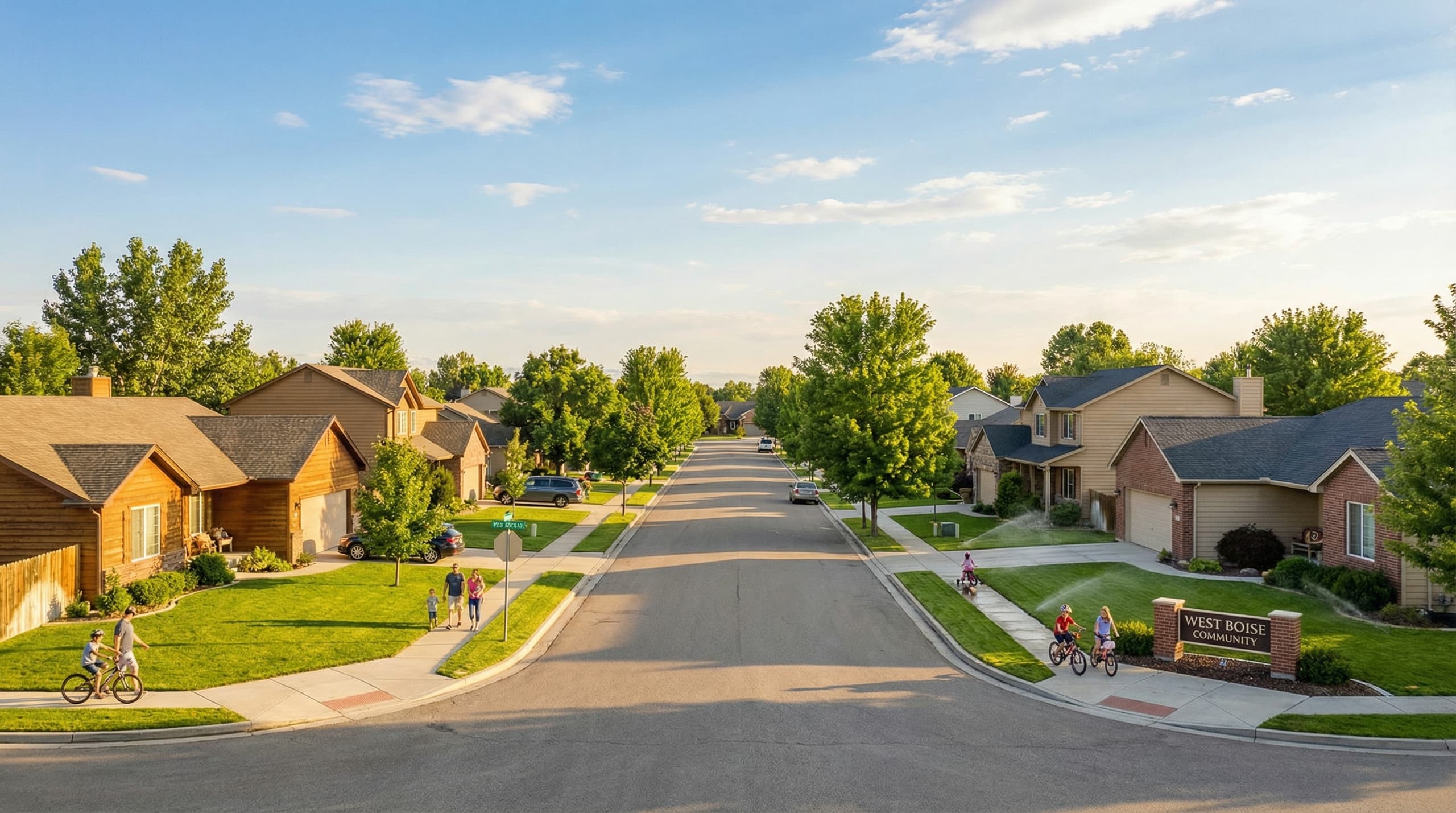
West Boise spans the area between downtown and the Meridian border, encompassing everything from 1980s established neighborhoods to brand-new construction near Five Mile Road. This transition zone between urban Boise and suburban Meridian sees diverse pest pressures. Agricultural land that's rapidly being developed pushes field pests into existing neighborhoods. The New York Canal and various irrigation ditches running through West Boise create moisture corridors that support insect populations. Commercial development along Fairview, Ustick, and Overland provides food sources that sustain rat and mouse populations, which then spread into nearby residential areas. West Boise's varied housing stock, from older homes near Cole Road to new builds near Cloverdale, means pest entry points and vulnerabilities differ significantly from one block to the next.
- Agricultural conversion displaces field pests into established residential areas
- Irrigation canals and ditches create moisture conditions ideal for many insects
- Commercial corridors support rodent populations that spread to nearby homes
- Mix of construction ages means varied vulnerabilities across neighborhoods
Common Pests in West Boise
West Boise FAQ
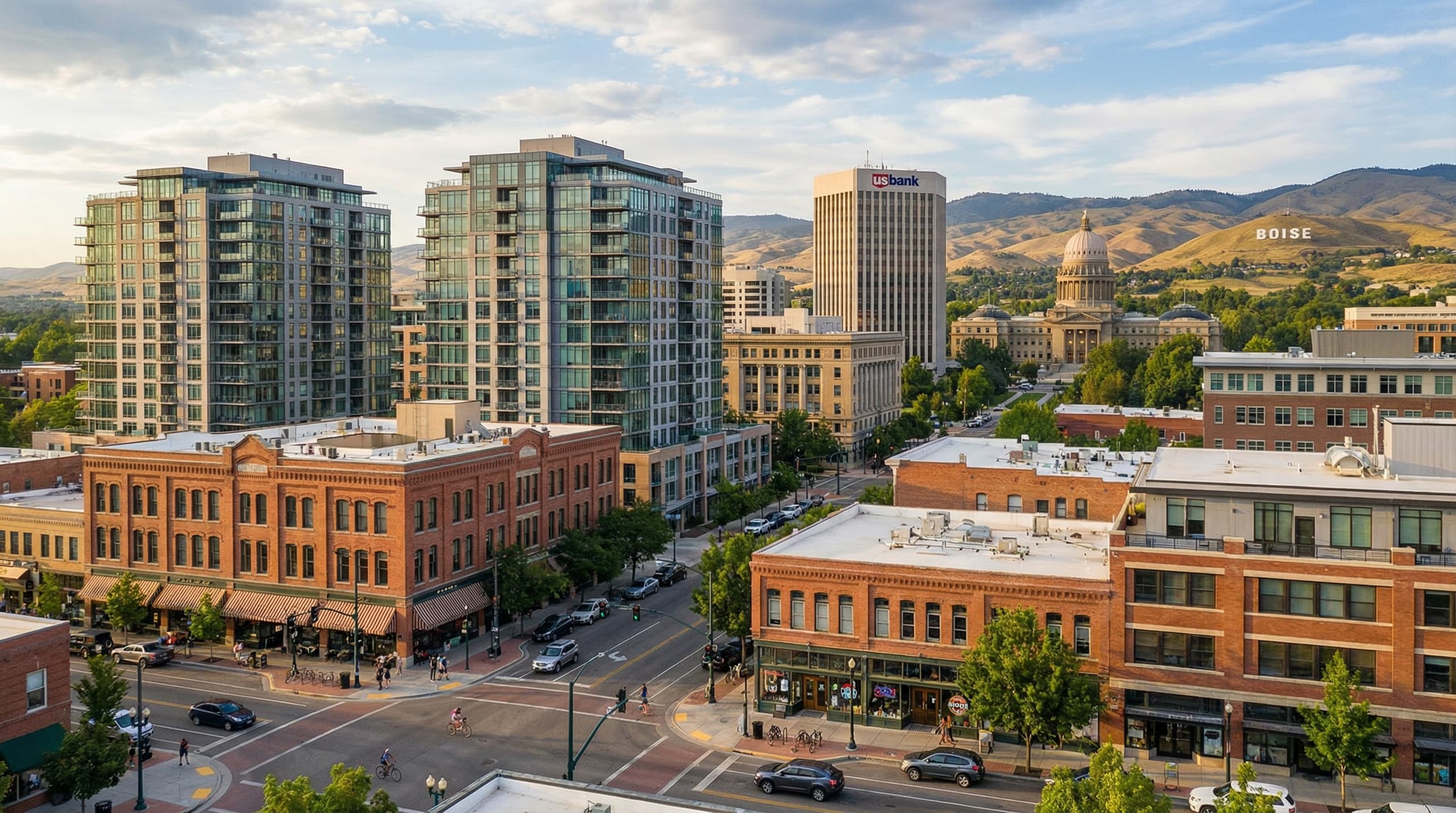
Downtown Boise's urban core presents pest challenges distinct from any other Boise neighborhood. The concentration of restaurants, bars, and food service along 8th Street and Capitol Boulevard creates abundant resources for cockroaches, rodents, and flies. Historic brick buildings with shared walls allow pests to travel between units undetected. The Boise River and Julia Davis Park provide moisture and harborage just blocks from the densest commercial and residential areas. Downtown's mix of older converted lofts, modern high-rises, and century-old commercial buildings means each property faces different vulnerabilities. Street-level retail, underground parking garages, and aging utility infrastructure create multiple pathways for pests to access even upper-floor residences.
- High-density restaurants and bars create food sources supporting large pest populations
- Shared walls in historic buildings allow pests to move between units undetected
- Boise River proximity brings moisture-loving insects to adjacent properties
- Underground parking and utility tunnels provide rodent highways beneath downtown
Common Pests in Downtown
Downtown FAQ
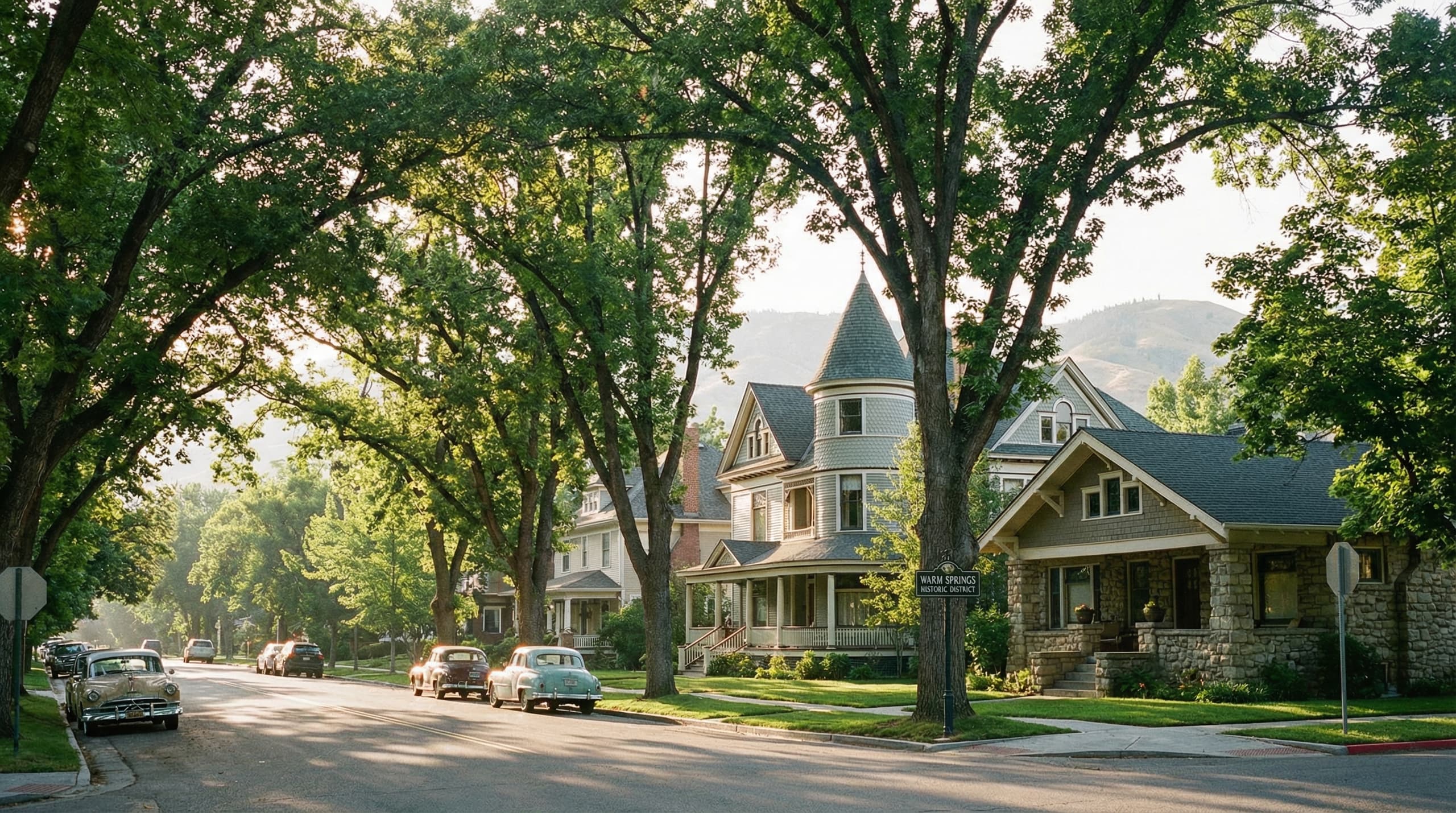
Warm Springs is Boise's most prestigious historic neighborhood, featuring stunning Victorian mansions, Craftsman estates, and Tudor homes along tree-canopied Warm Springs Avenue. These architectural masterpieces, some dating to the 1890s, present complex pest pressures requiring specialized expertise. The neighborhood's namesake geothermal springs historically heated many homes and still create unique moisture conditions. Mature trees (including massive elms, maples, and oaks) provide direct pathways for carpenter ants and other wood-destroying insects to access roof lines and attics. The hot springs' moisture, combined with irrigated landscaping and proximity to the Boise River, creates conditions that support thriving spider and insect populations year-round.
- Geothermal moisture creates ideal conditions for moisture-loving pests
- 130+ year old construction with stone foundations and original wood framing
- Massive mature trees connect directly to historic roof structures
- Boise River proximity increases spider and moisture pest populations
Common Pests in Warm Springs
Warm Springs FAQ
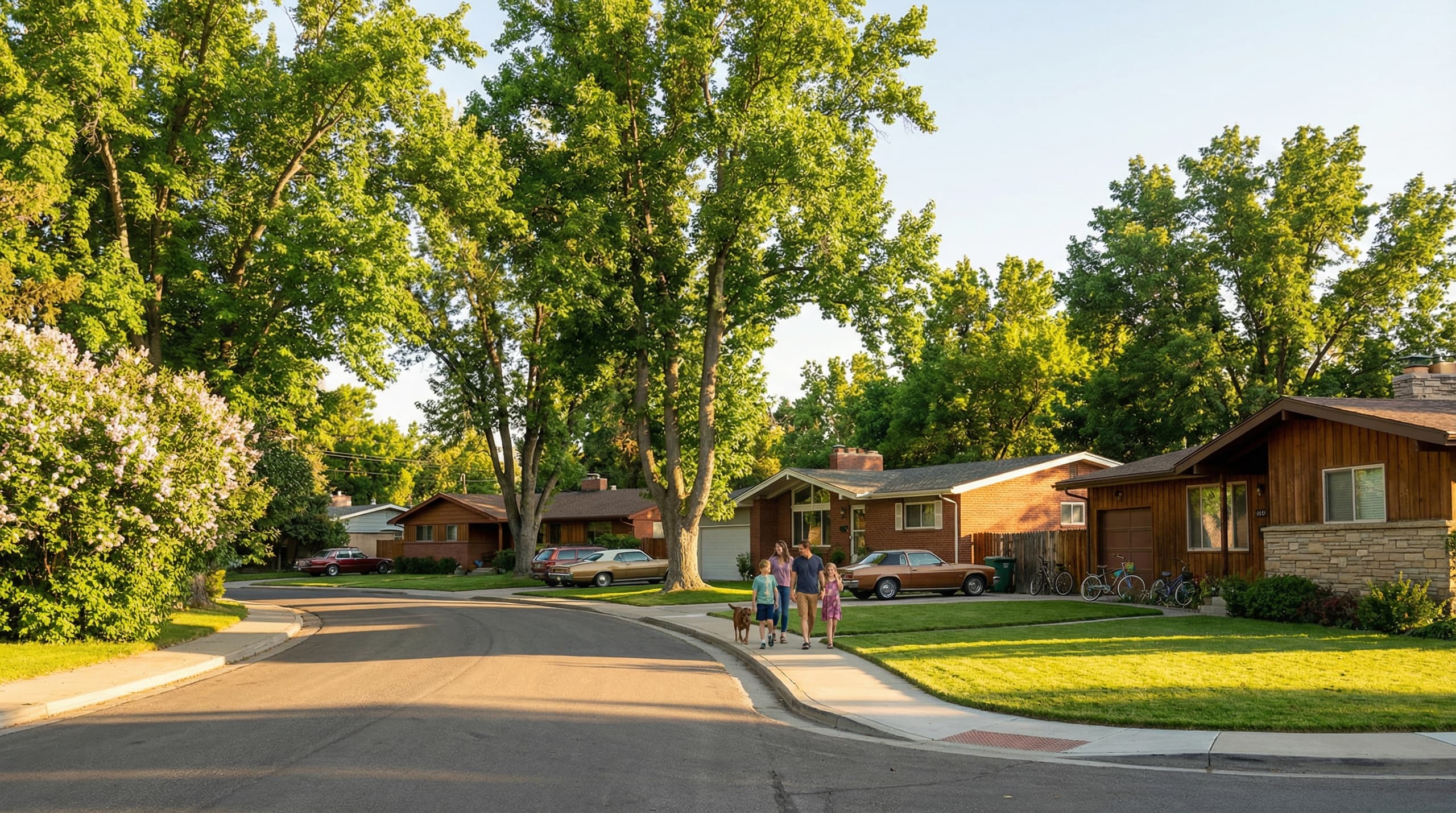
The Highlands neighborhood occupies the transition zone between Boise's North End and the Boise Foothills, with homes climbing the hillsides above Bogus Basin Road and Hill Road. This elevated position offers stunning views but also direct exposure to foothill wildlife and associated pests. Properties back directly to sagebrush, native grasses, and the natural habitat of numerous pest species. Mice, spiders, and insects move freely between the undeveloped foothills and Highland homes. The neighborhood's varying elevations create microclimates, hillside homes experience different pest pressure than those on the lower slopes. Many Highlands properties have exposed foundations due to hillside construction, creating additional entry points for determined pests seeking shelter from the foothills' temperature extremes.
- Direct adjacency to Boise Foothills brings constant pest migration from wildland areas
- Hillside construction often means exposed foundation areas and complex entry points
- Elevation variations create microclimates affecting pest activity patterns
- Native landscaping and sagebrush provide harborage for spiders and rodents
Common Pests in Highlands
Highlands FAQ
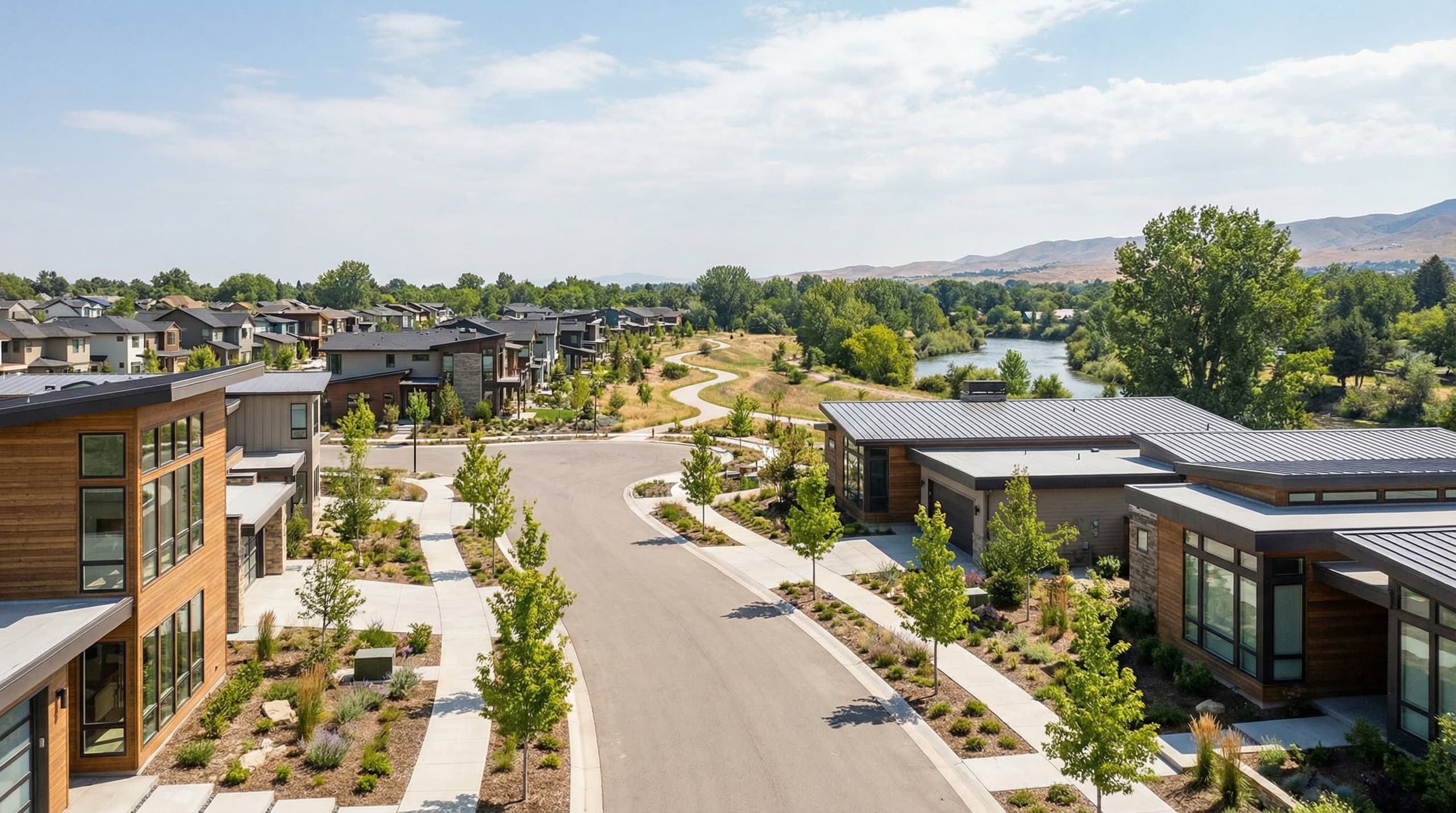
Harris Ranch is Boise's flagship master-planned community, featuring beautifully designed new homes along the Boise River near Barber Park. While newer construction might suggest fewer pest problems, Harris Ranch actually faces significant pest pressure from multiple sources. The community was built on former agricultural land, disturbing established ant colonies and rodent populations that now seek refuge in homes. The Boise River corridor running through Harris Ranch creates moisture-rich conditions supporting thriving spider and insect populations. The community's interconnected green spaces, while beautiful, also provide pathways for pests to move throughout the neighborhood. Construction staging and the ongoing building of new phases continually disturbs soil and pushes pests toward completed homes.
- Former agricultural land means disturbed ant colonies seeking new territory in homes
- Boise River corridor provides moisture and habitat for spiders and insects
- Ongoing construction disturbs pest populations, driving them to completed homes
- Green space network connects the entire community, allowing pest movement
Common Pests in Harris Ranch
Harris Ranch FAQ
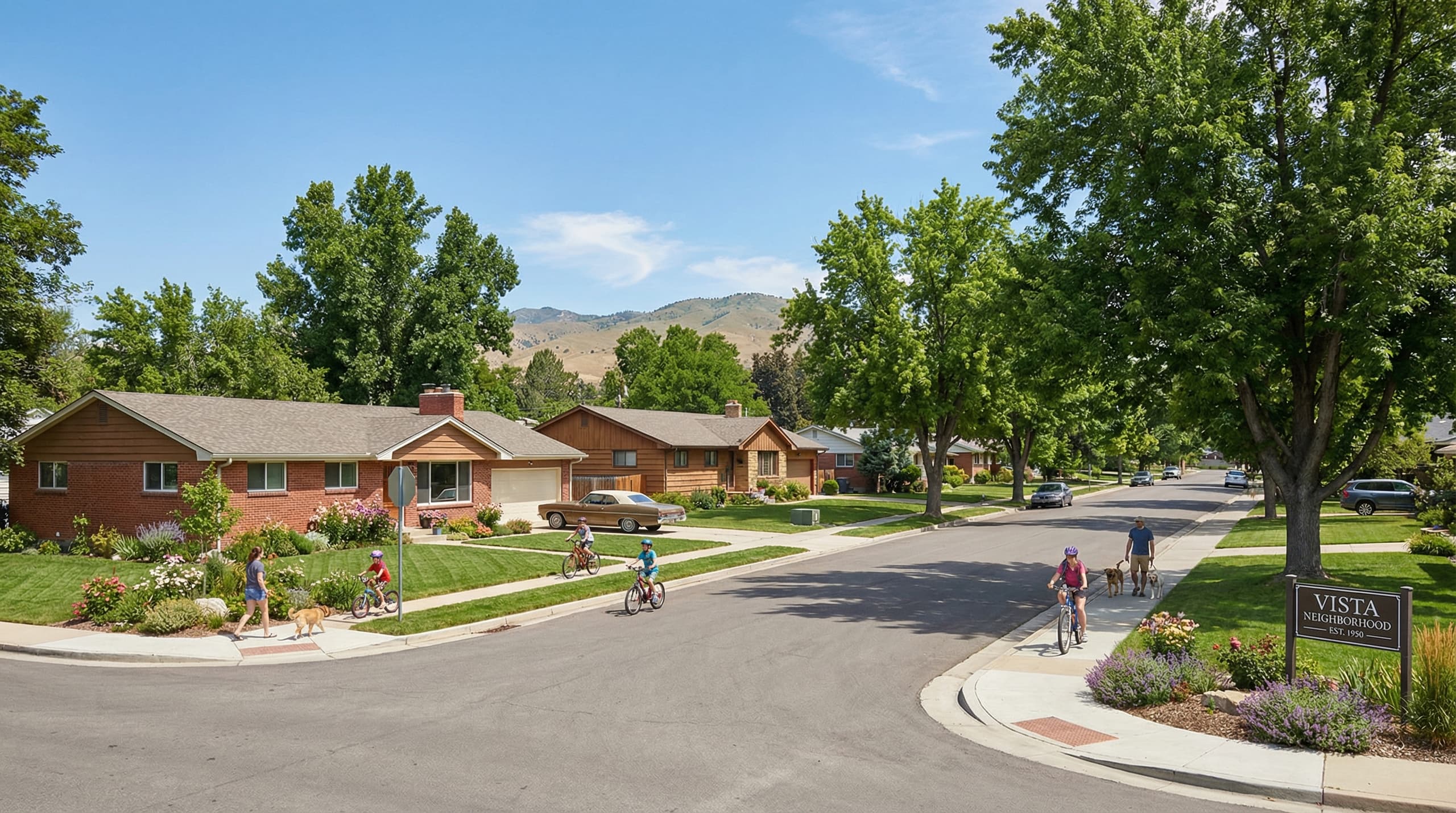
Vista is one of Boise's most established Bench neighborhoods, featuring mid-century homes built primarily in the 1950s through 1970s along Vista Avenue and the surrounding streets. This charming neighborhood combines the challenges of aging construction with urban pest pressures. Many Vista homes have full basements, standard in post-war construction, that provide substantial harborage for spiders, crickets, and occasional mice. The neighborhood's mature trees and established gardens, including many fruit trees, attract ants, wasps, and various insects. Vista's proximity to Ann Morrison Park and the Boise River corridor adds moisture-loving pests to the mix. The commercial activity along Vista Avenue, including restaurants and grocery stores, supports pest populations that inevitably spread into nearby residential areas.
- 1950s-70s construction with settling foundations and aging weatherstripping
- Full basements common in mid-century homes provide pest harborage
- Mature fruit trees and gardens attract ants, wasps, and other insects
- Proximity to Ann Morrison Park and Boise River increases moisture pests
Common Pests in Vista
Vista FAQ
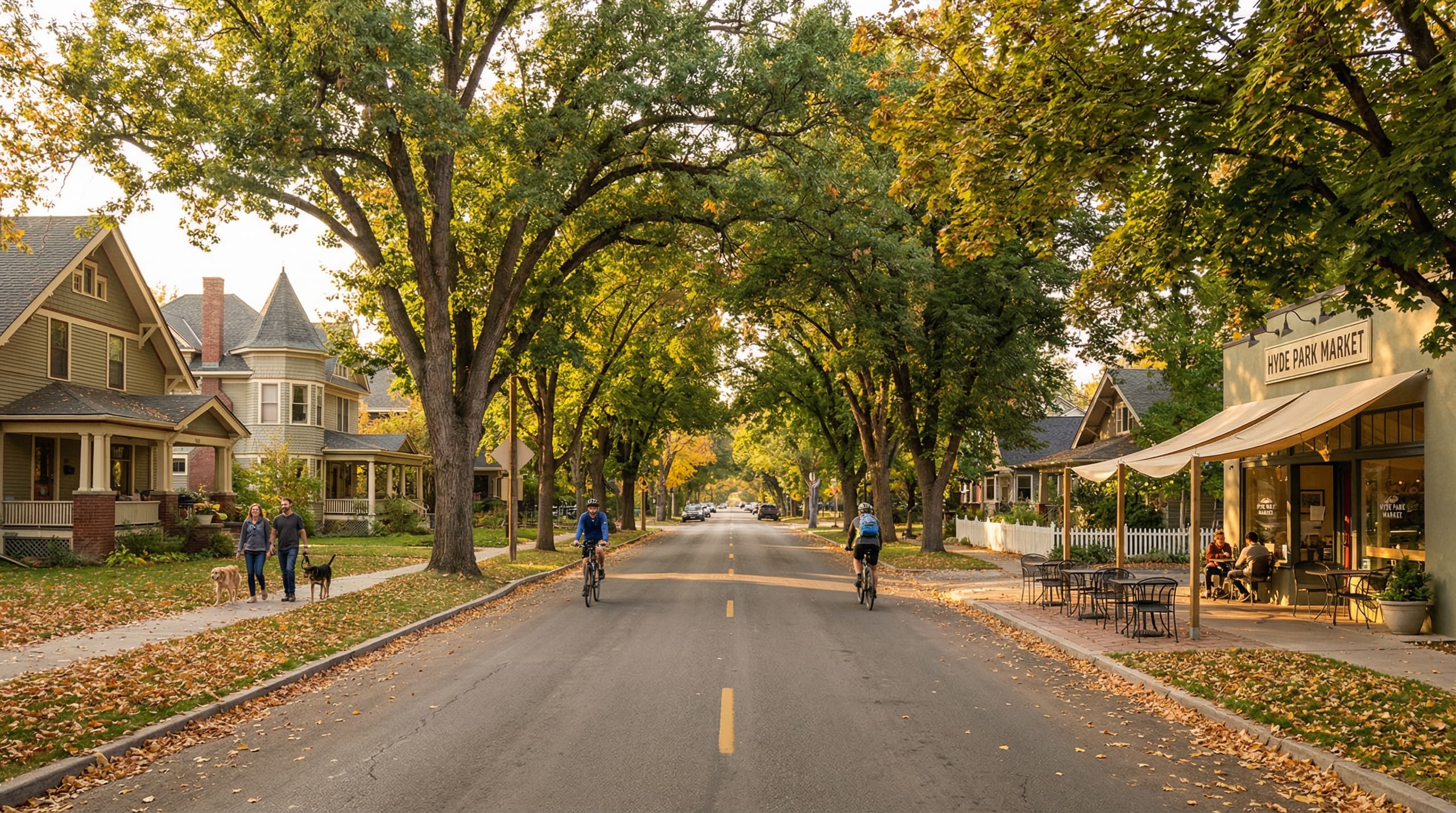
Hyde Park is the historic commercial and residential heart of Boise's North End, centered around the beloved 13th Street business district. The neighborhood features early 1900s Craftsman bungalows, Queen Anne cottages, and converted historic buildings now housing restaurants and boutiques. This walkable district presents both residential and commercial pest challenges. The restaurants, bakeries, and cafes along 13th Street support pest populations that spread into surrounding homes. Hyde Park's century-old buildings share party walls and aging infrastructure that pests exploit. The towering trees lining neighborhood streets, part of Hyde Park's charm, provide direct access for carpenter ants to reach roof lines. The neighborhood's position at the base of the foothills adds wildlife-associated pests to the mix.
- Historic business district restaurants support pests that spread to nearby homes
- 100+ year old construction with shared walls and connected basements
- Iconic mature trees create highways for carpenter ants to roof structures
- Foothill proximity brings wildlife-associated pests into the neighborhood
Common Pests in Hyde Park
Hyde Park FAQ
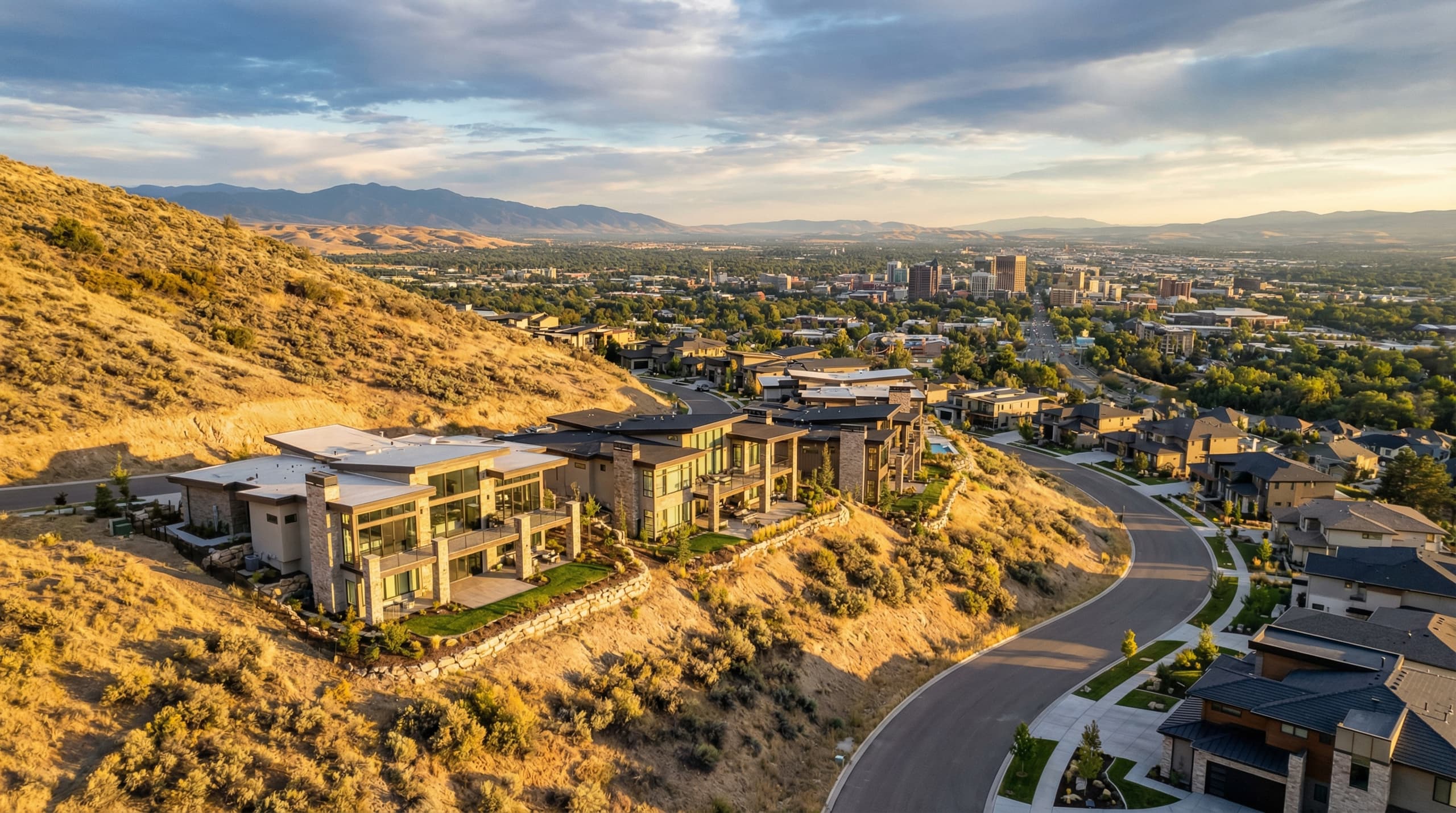
Foothills East encompasses the exclusive residential areas climbing Boise's eastern foothills above 8th Street, Bogus Basin Road, and toward the Boise Ridge. These premium properties offer stunning valley views and direct access to trails, but this privileged position comes with significant pest challenges. Homes in Foothills East sit within or directly adjacent to wild habitat, meaning wildlife and associated pests are constant neighbors. The rocky terrain characteristic of the foothills is prime habitat for black widow spiders, scorpions, and various rodent species. Seasonal changes drive wildlife migration patterns that bring deer mice seeking winter shelter and various insects fleeing temperature extremes. The varied elevations create distinct microclimates, with south-facing slopes experiencing different pest pressure than shaded northern exposures.
- Direct interface with Boise Foothills wildland brings constant pest pressure
- Rocky terrain provides ideal habitat for black widows, scorpions, and rodents
- Seasonal wildlife migration drives mice and other pests toward homes
- Varied elevations and exposures create distinct pest pressure zones
Common Pests in Foothills East
Foothills East FAQ
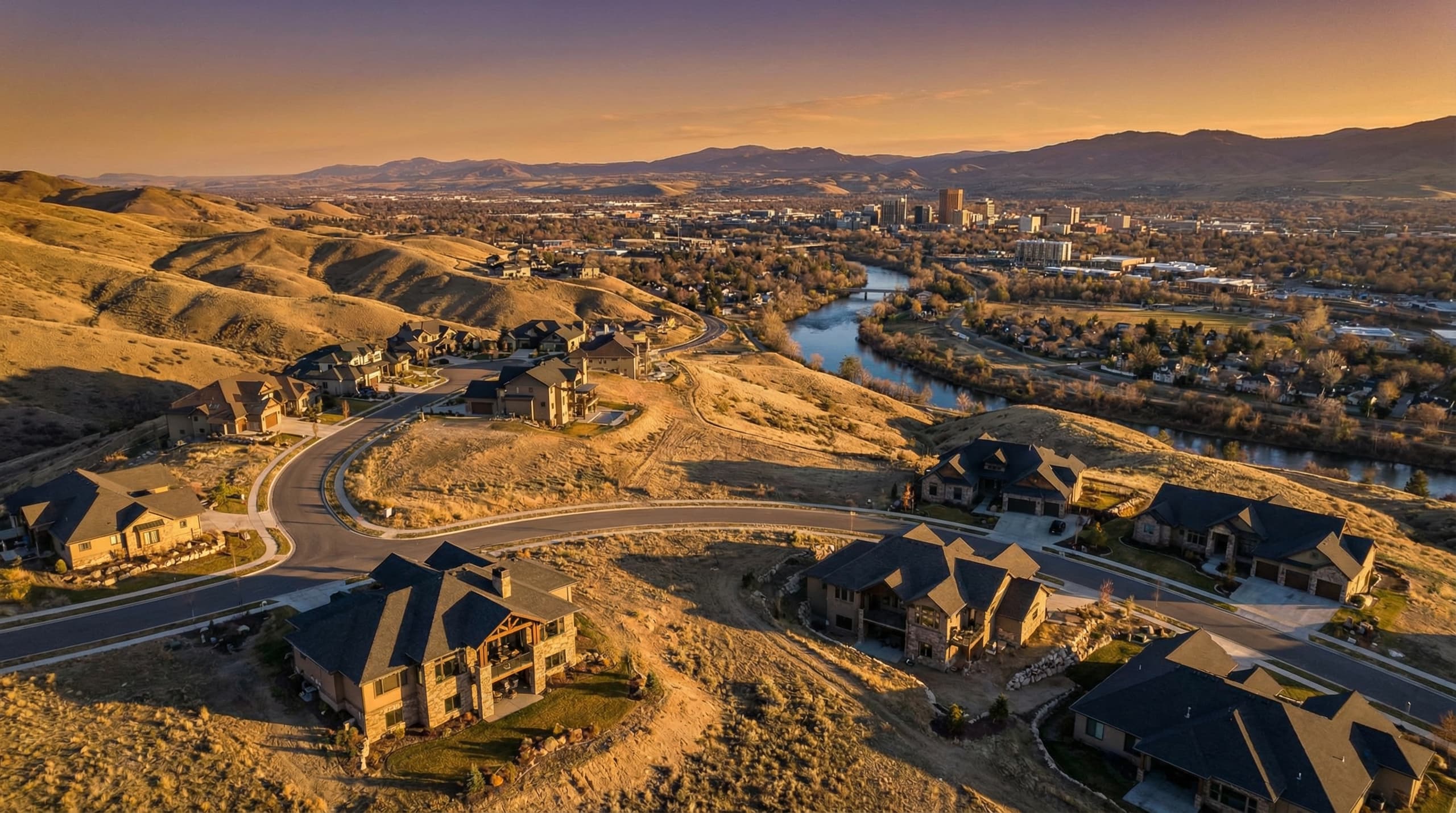
Warm Springs Mesa sits on the elevated tableland above the historic Warm Springs district, offering panoramic views of the Boise Valley while facing unique pest challenges. This relatively newer development (compared to nearby historic neighborhoods) was built on former foothill terrain, and the surrounding natural landscape continues to influence pest activity. The mesa's edge borders undeveloped foothills, creating a constant wildlife-residential interface. Properties along the rim experience direct pest migration from native habitat, while interior mesa homes face pressure from the established colonies and populations that relocated during development. The open exposure and elevation create wind patterns that can actually carry flying insects from foothills to homes, and temperature variations between the mesa top and surrounding valleys affect seasonal pest behavior.
- Rim properties border undeveloped foothills with direct pest migration
- Development displaced native pest populations that established near homes
- Elevated exposure creates unique microclimate affecting pest behavior
- Newer construction means disturbed ant colonies seeking new territory
Common Pests in Warm Springs Mesa
Warm Springs Mesa FAQ
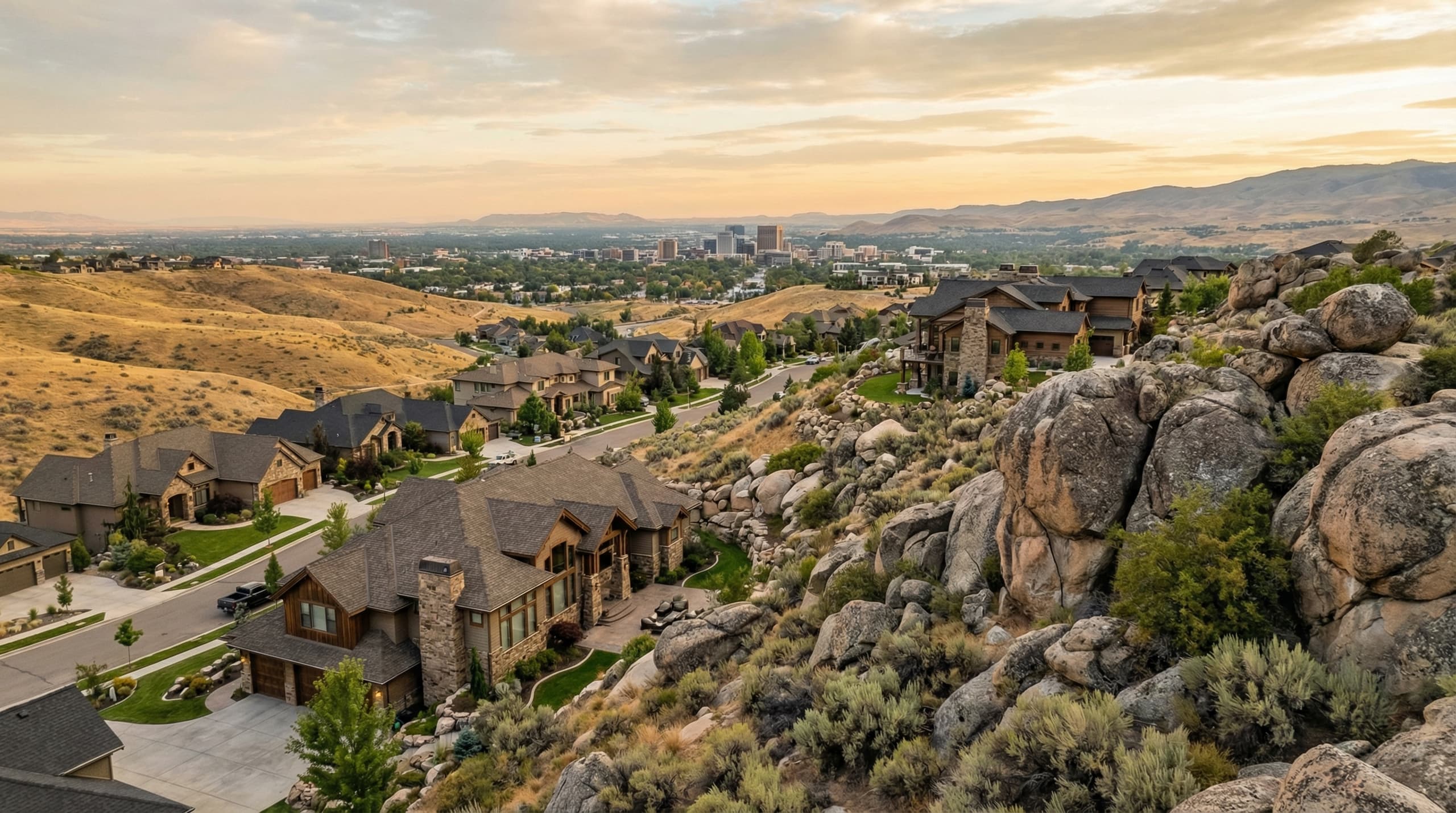
Boulder Heights is an established residential neighborhood in northwest Boise, featuring homes built primarily in the 1970s through 1990s on larger lots with mature landscaping. This family-oriented neighborhood sits in the transition zone between urban Boise and the foothills beyond, creating a mix of suburban and wildlife-adjacent pest pressures. The neighborhood's mature trees and established gardens have created stable pest populations over decades. Irrigation infrastructure, common in northwest Boise developments of this era, maintains moisture conditions that support insect populations through dry summer months. The varied lot sizes and mix of construction ages mean pest vulnerabilities differ throughout the neighborhood. Boulder Heights' position near State Street's commercial corridor also brings urban pests like mice that thrive near restaurants and retail establishments.
- Mature landscaping supports established ant, spider, and wasp populations
- Irrigation infrastructure maintains moisture attracting insects year-round
- 1970s-90s construction has aging weatherstripping and foundation settling
- Proximity to State Street commercial corridor brings urban pest pressure
Common Pests in Boulder Heights
Boulder Heights FAQ
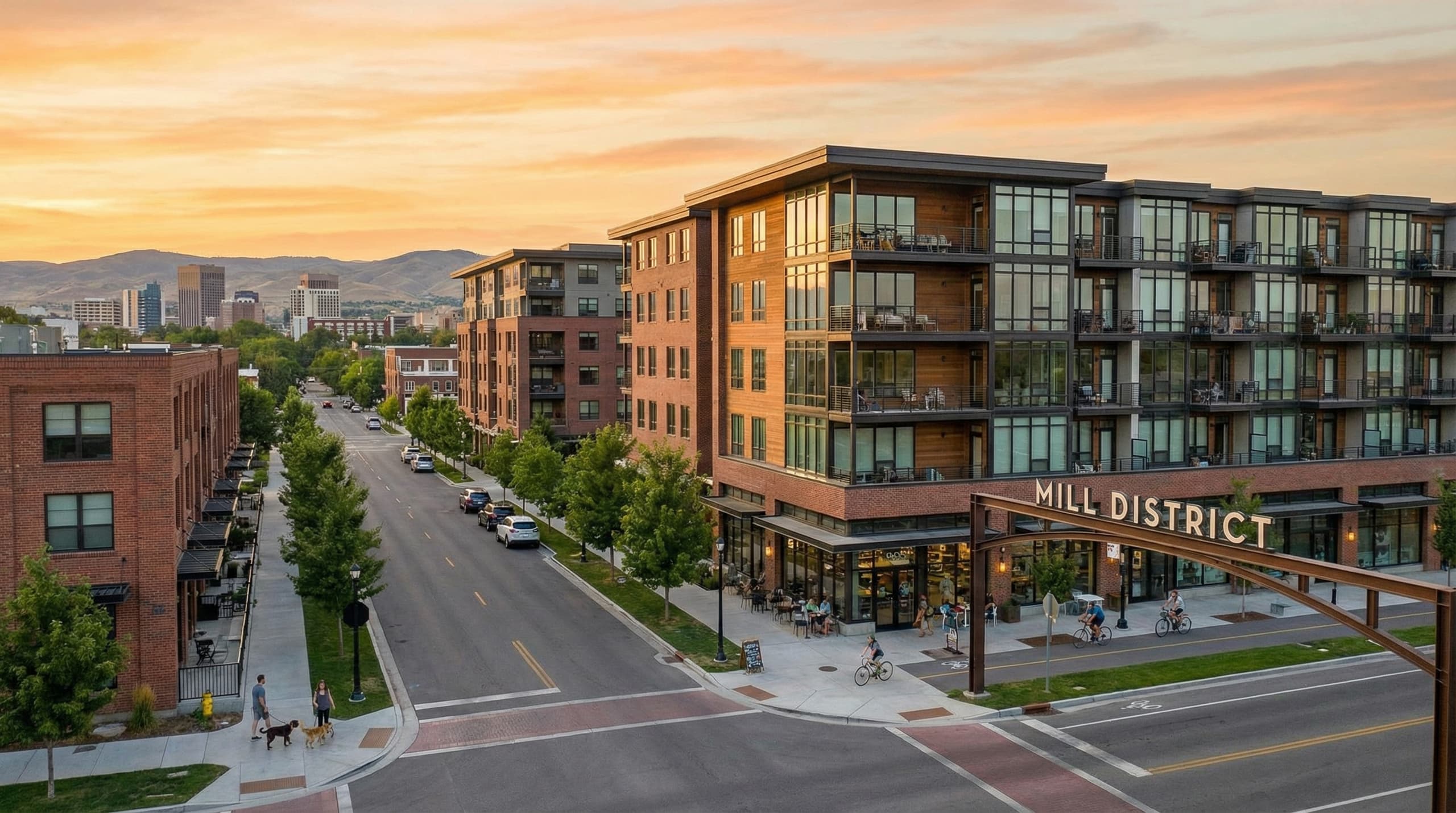
The Mill District is Boise's newest riverfront neighborhood, transformed from the former Boise Cascade mill site into an upscale mixed-use development along the Boise River. While the modern construction is generally well-sealed, the Mill District faces unique pest challenges from its riverside location. The Boise River and Whitewater Park create a moisture-rich environment that supports thriving spider and insect populations. The district's common areas, restaurants, and outdoor gathering spaces attract pests that can spread to residential units. Multi-unit construction means that pests can travel between connected townhomes and condos through shared walls and utility chases. The landscaped riverwalk and green spaces, while beautiful, also provide harborage for spiders, ants, and occasional rodents seeking shelter in adjacent buildings.
- Boise River proximity creates moisture conditions supporting insect populations
- Multi-unit construction allows pest movement between connected residences
- Restaurant and retail spaces attract pests that spread to residential units
- Landscaped riverwalk provides harborage for pests near buildings
Common Pests in Mill District
Mill District FAQ
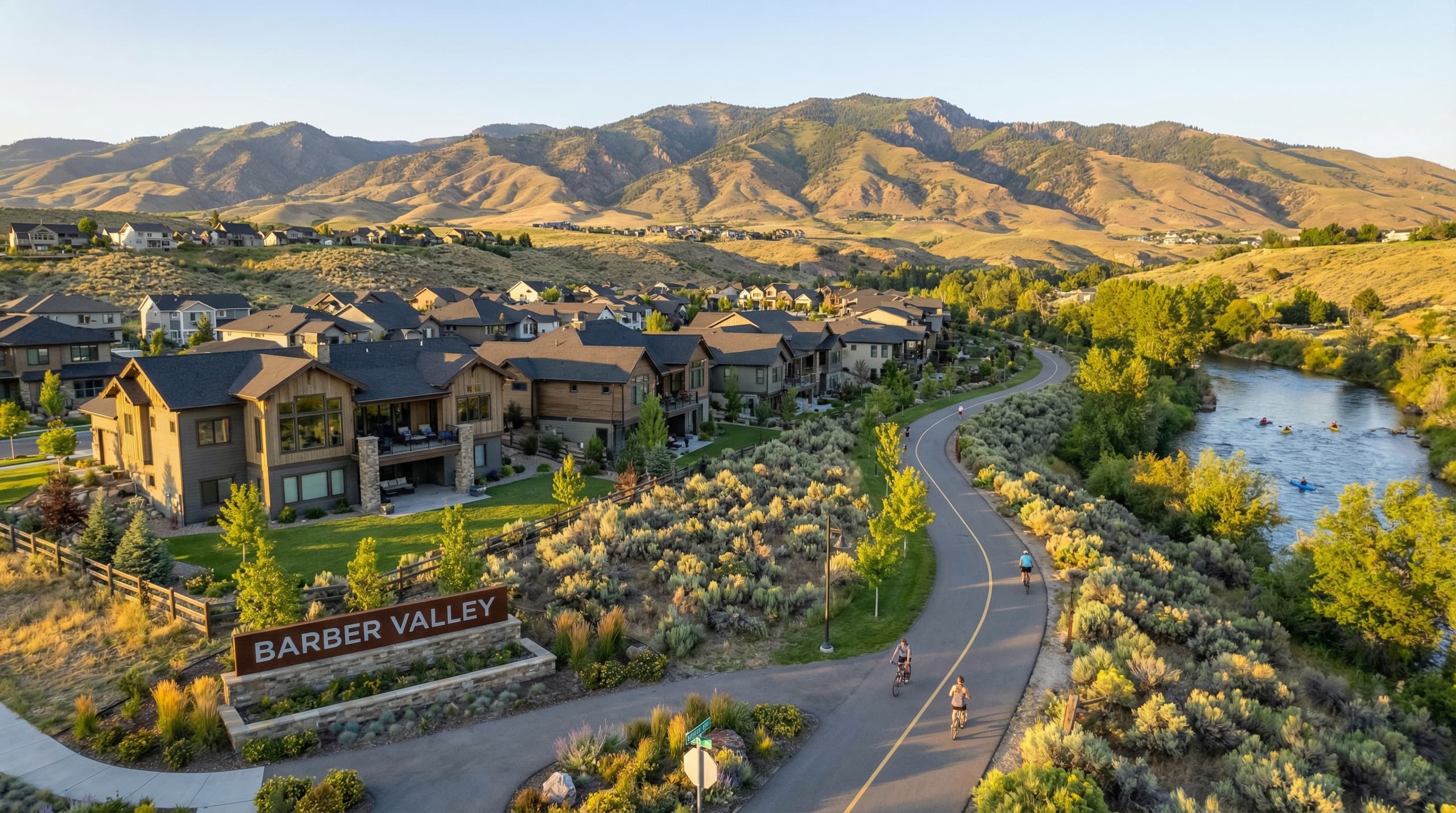
Barber Valley stretches along the Boise River corridor between Barber Park and Lucky Peak, featuring a mix of established homes and newer developments in one of Boise's most desirable natural settings. This river-adjacent location creates significant pest challenges that homes in drier areas don't experience. The Boise River and associated riparian habitat support substantial insect populations that migrate into nearby residences. Spider pressure is particularly intense due to the abundant prey base along the river. The valley's cottonwood and willow trees, beautiful but insect-attracting, extend right to property lines. Properties closest to the river also see moisture-related pests year-round, while those against the foothills face the wildlife-interface challenges of rocky terrain and sagebrush habitat.
- Boise River creates ideal habitat for spiders and moisture-loving insects
- Riparian vegetation provides pest harborage immediately adjacent to homes
- Mix of river corridor and foothill-adjacent properties creates varied pest pressure
- Cottonwood fluff season brings additional insect activity to the valley
Common Pests in Barber Valley
Barber Valley FAQ
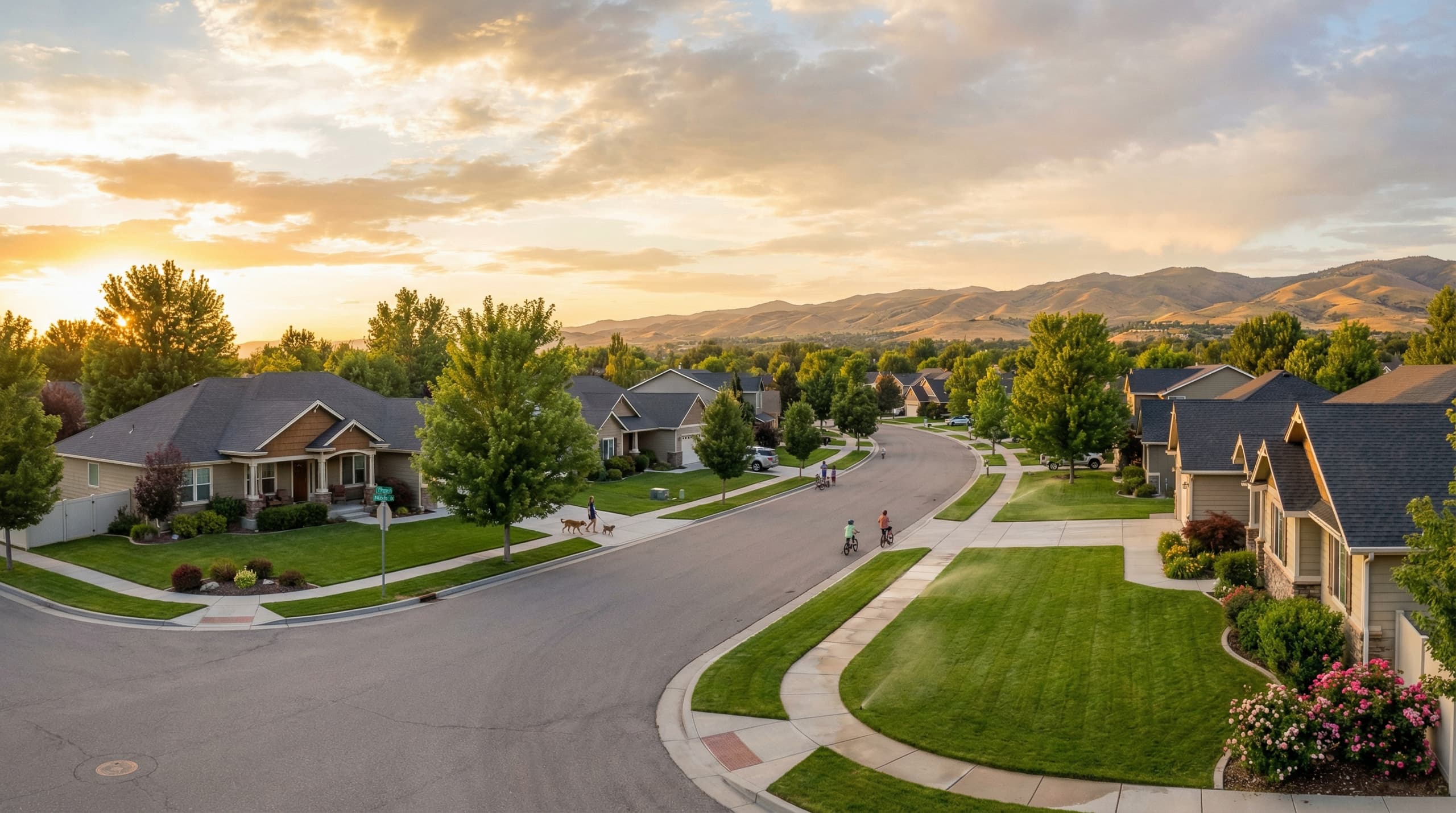
Northwest Boise encompasses the substantial residential area north of State Street and west of the foothills, featuring diverse neighborhoods built from the 1970s through today. This large swath of Boise combines established subdivision challenges with ongoing new construction pest pressure. The Hewlett-Packard campus and State Street commercial corridor support pest populations that spread into residential areas. Irrigation canals running through Northwest Boise maintain moisture conditions favorable to insects even during dry summers. Older neighborhoods have mature landscaping with established pest populations, while newer construction disturbs soil and displaces ant colonies. The area's proximity to foothills along its northern edge brings wildlife-adjacent pest pressures to properties bordering open space.
- Mix of 1970s-2000s construction creates varied pest vulnerabilities
- Irrigation infrastructure maintains moisture supporting insects year-round
- State Street commercial corridor sustains rodent and ant populations
- Northern edge borders foothills with wildlife-interface pest pressure
Common Pests in Northwest
Northwest FAQ
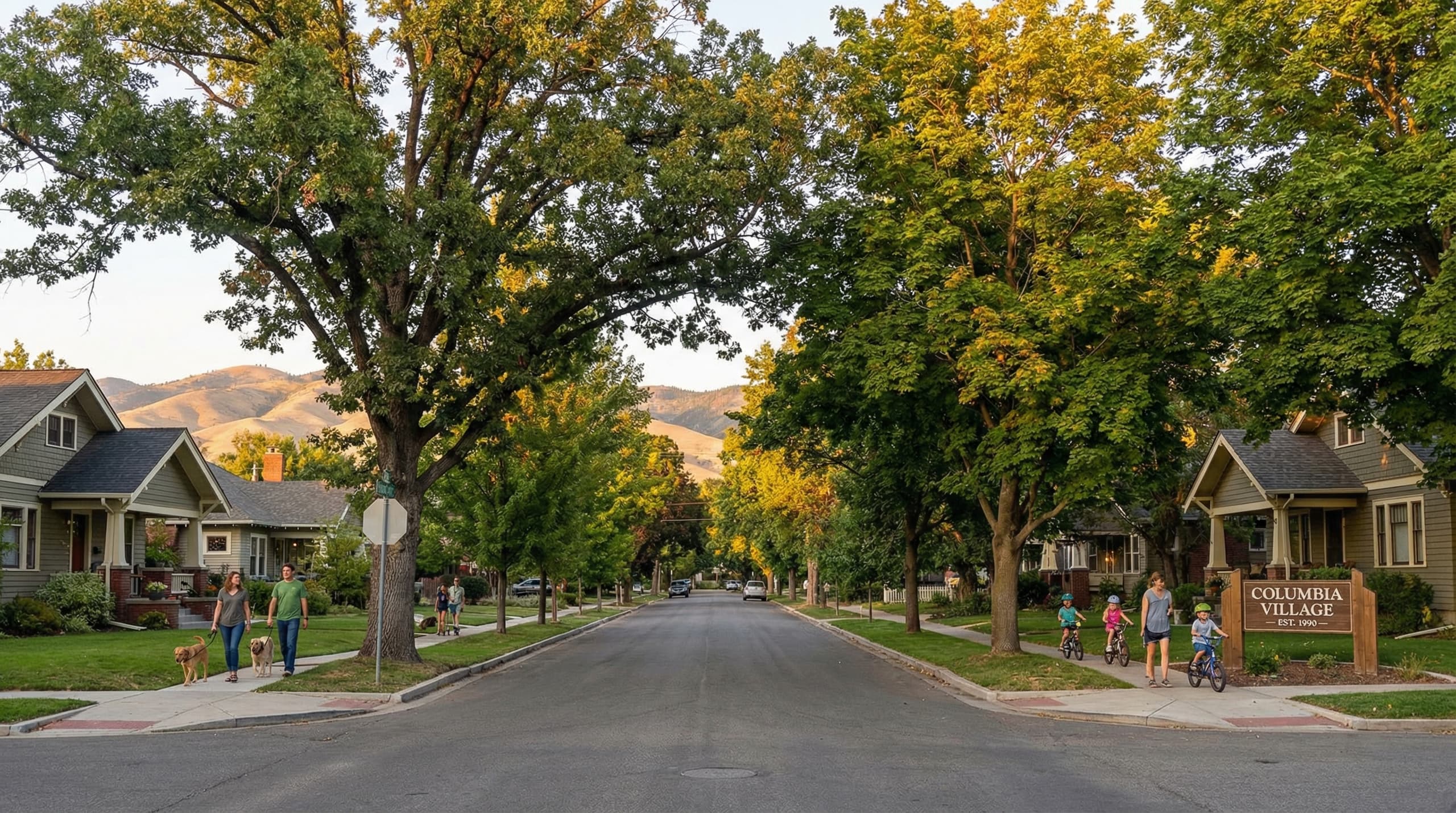
Columbia Village is one of Southeast Boise's largest and fastest-growing master-planned communities, featuring new construction homes, community parks, and family-friendly amenities. While modern construction quality generally reduces pest entry points, Columbia Village faces significant pest pressure from development-related factors. The community was built on former agricultural land, disturbing established ant and rodent populations that now seek refuge in completed homes. Ongoing construction in newer phases continually displaces pests, pushing them toward finished neighborhoods. The community's extensive green spaces and parks, while wonderful for families, also provide harborage for spiders, ants, and occasional rodents. Columbia Village's connected HOA landscaping means pest populations can move freely throughout the subdivision.
- Former agricultural land means displaced pest populations seeking new homes
- Ongoing construction in newer phases pushes pests toward completed homes
- Extensive parks and green spaces provide pest harborage throughout community
- Connected HOA landscaping allows pest movement between properties
Common Pests in Columbia Village
Columbia Village FAQ
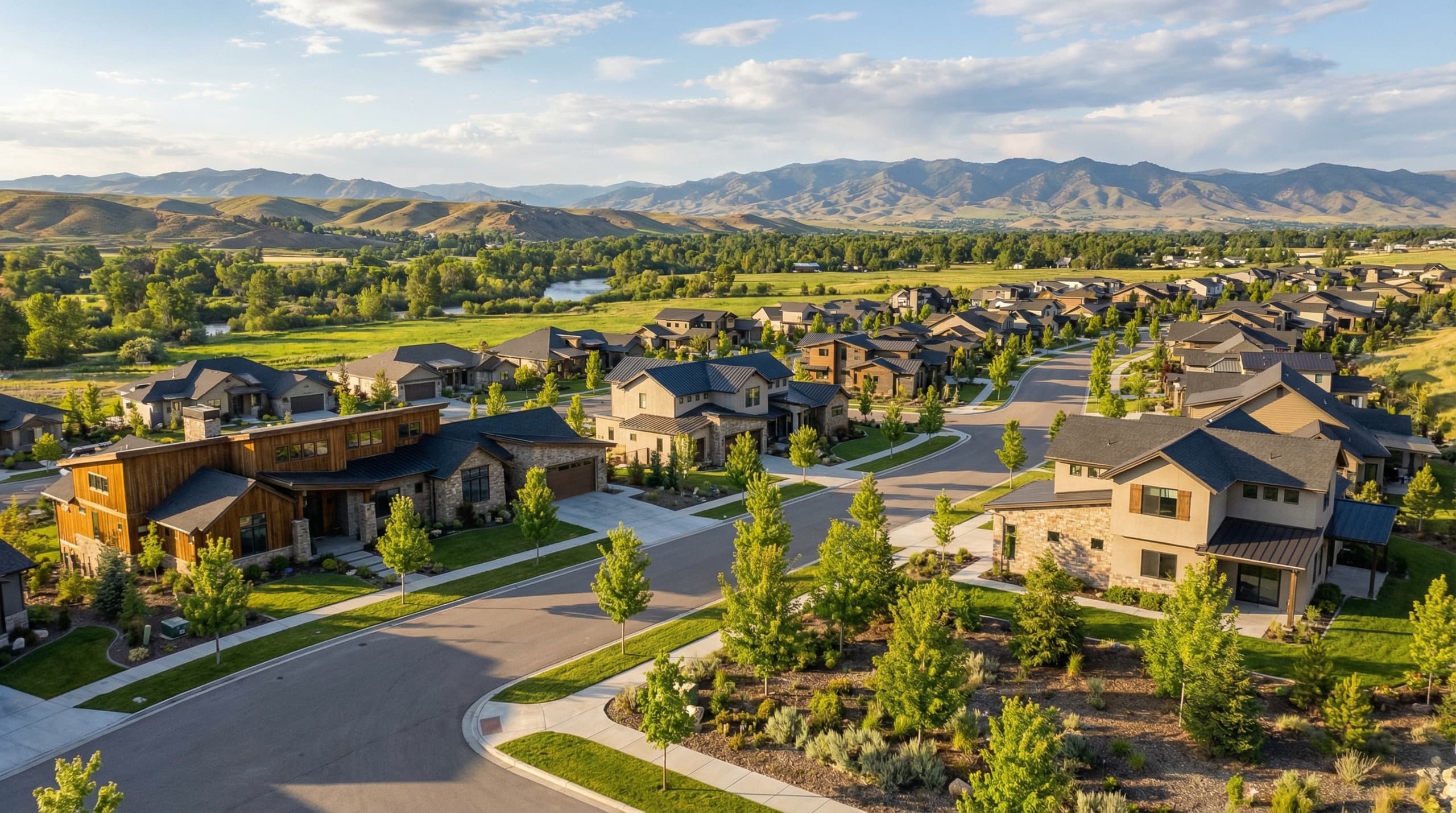
Surprise Valley is a popular master-planned community in Southeast Boise, featuring newer construction homes built on what was recently agricultural land. This desirable family neighborhood faces pest challenges common to Boise's expanding southeast corridor. The conversion from farmland displaced native pest populations that now target the community's finished homes. Adjacent agricultural operations and undeveloped parcels provide ongoing sources of field pests including mice and voles. The community's location near the Boise River corridor adds moisture-loving insects to the pest mix. Surprise Valley's interconnected green spaces and parks, wonderful community amenities, also allow pests to move freely between properties, making neighborhood-wide pest management important.
- Former farmland means displaced rodent and insect populations near homes
- Adjacent agricultural land provides ongoing source of field pests
- Boise River corridor proximity increases moisture pest populations
- Connected green spaces allow pest movement throughout community
Common Pests in Surprise Valley
Surprise Valley FAQ
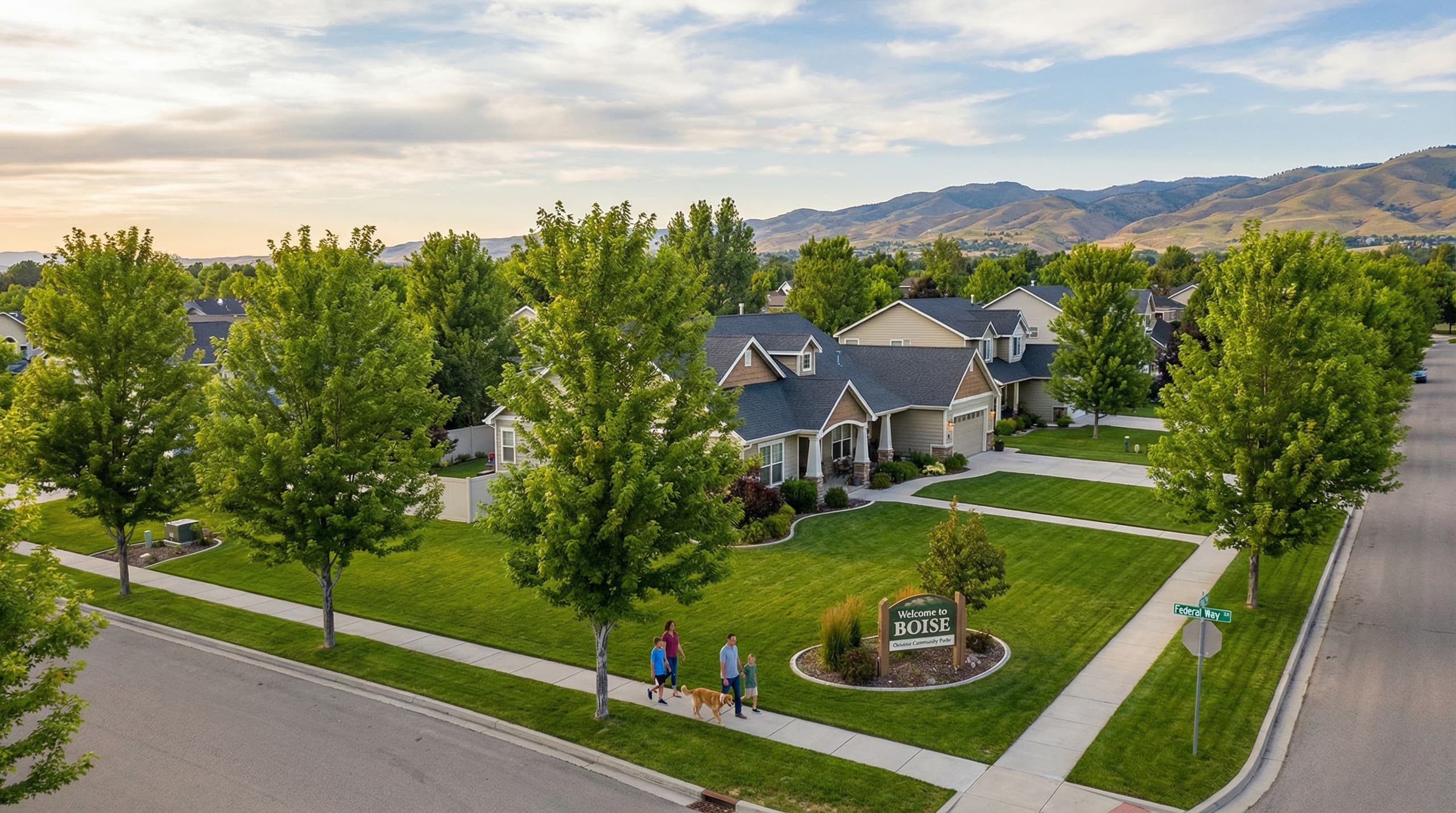
The Federal Way corridor stretches through South Boise, featuring a diverse mix of established residential neighborhoods, commercial centers, and proximity to Boise Airport and major industrial facilities. This varied environment creates complex pest dynamics. The commercial and industrial activity along Federal Way supports pest populations, particularly rodents, that inevitably spread into nearby residential areas. Older neighborhoods in the corridor have mature landscaping and aging construction that pests exploit. The area's position between the Bench and Southeast Boise's newer developments means varied housing stock with different vulnerabilities. Agricultural land historically present in the area has been largely developed, but displaced pest populations continue to affect properties throughout the corridor.
- Commercial and industrial activity sustains rodent populations near homes
- Mix of older and newer construction creates varied pest entry points
- Airport and warehouse district provides harborage for urban pests
- Transition zone between neighborhoods with different pest pressures
Common Pests in Federal Way
Federal Way FAQ
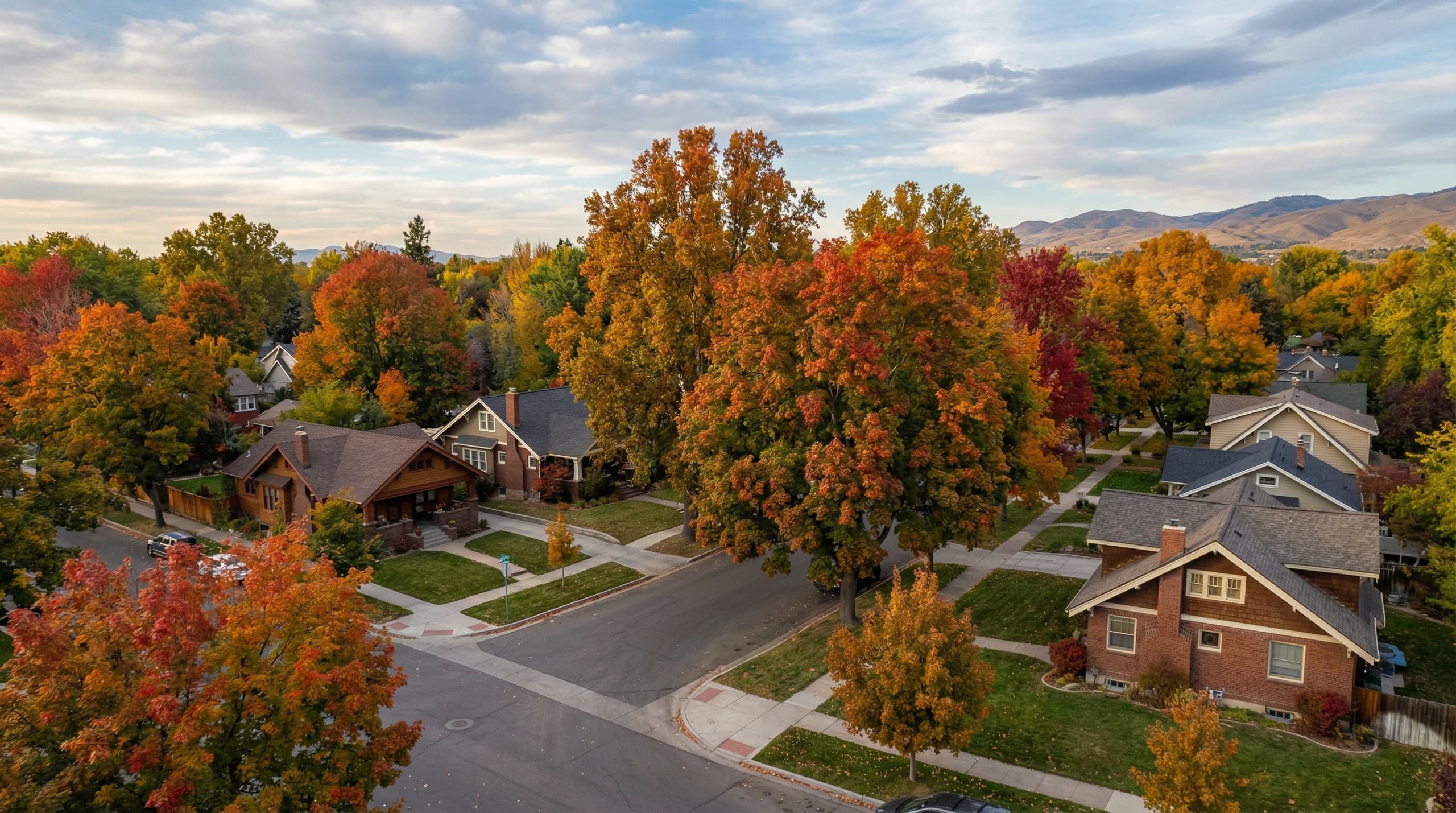
The Maple Grove corridor runs through West Boise, encompassing established neighborhoods built from the 1980s through 2000s along with ongoing new development toward Meridian. This residential area between Fairview and Overland sees typical West Boise pest pressures amplified by the corridor's characteristics. Maple Grove Road's commercial development, shopping centers, restaurants, and services, supports pest populations that spread into nearby residential areas. The irrigation infrastructure common to this part of Boise maintains moisture conditions favorable to insects even during dry summers. Maple Grove's mature trees and established landscaping have created stable pest populations over decades. Meanwhile, continued development near the Meridian border disturbs new ant colonies and pushes rodents from agricultural land toward existing homes.
- Commercial corridor sustains pest populations near residential areas
- Irrigation infrastructure maintains moisture supporting insects year-round
- Mature trees and landscaping harbor established pest populations
- Ongoing development displaces field pests toward existing neighborhoods
Common Pests in Maple Grove
Maple Grove FAQ
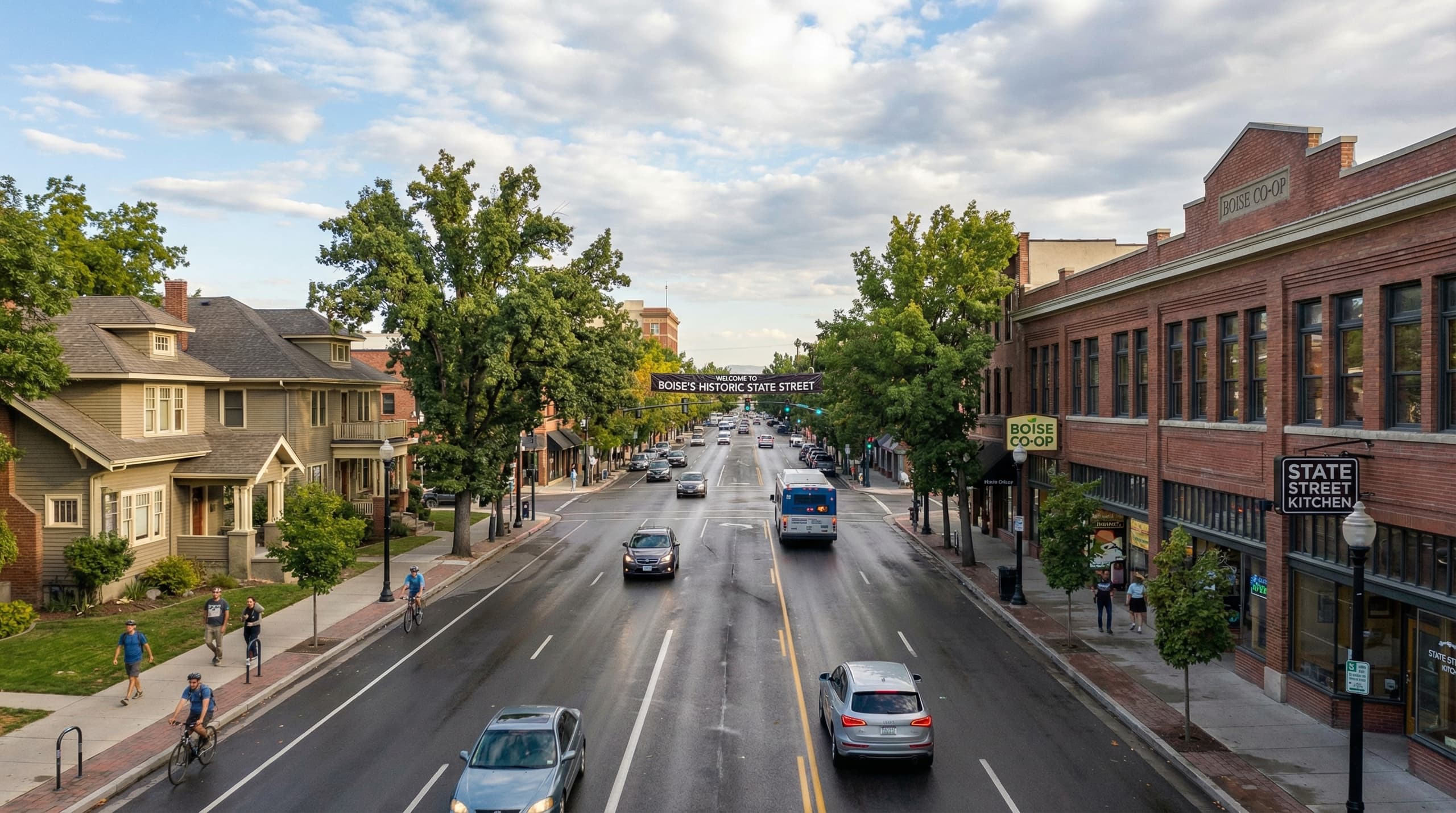
The State Street corridor is one of Boise's most diverse and dynamic areas, stretching from downtown through Garden City to Eagle Road. This major commercial artery is flanked by residential neighborhoods of varying ages and styles, creating a complex pest management environment. The corridor's dense concentration of restaurants, grocery stores, and food service businesses supports large populations of cockroaches, rodents, and flies that inevitably spread to nearby homes. State Street's mix of older strip malls and buildings provides harborage that sustains pests year-round. The residential neighborhoods along State Street range from 1950s-era homes to brand-new construction, each with different vulnerabilities. Garden City's industrial area and the Boise River corridor both influence pest activity along different sections of State Street.
- Restaurant and food service density supports cockroach and rodent populations
- Older commercial buildings provide harborage for established pest populations
- Adjacent residential neighborhoods vary from 1950s to new construction
- Boise River and Garden City industrial areas influence pest pressure
Common Pests in State Street
State Street FAQ
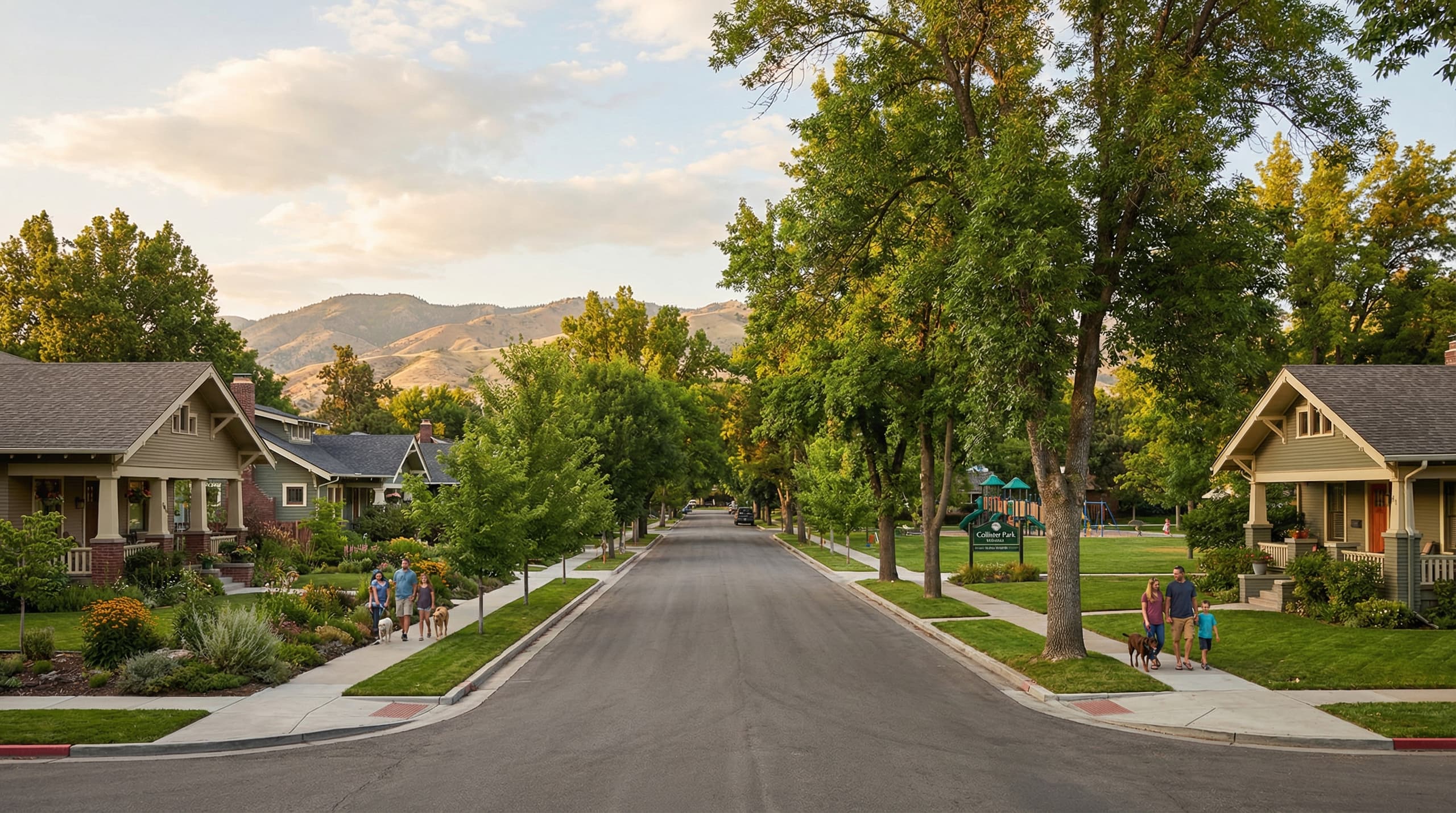
Collister is a well-established neighborhood in Northwest Boise, featuring homes built primarily from the 1960s through 1980s on generous lots with mature landscaping. This stable, family-oriented community presents pest challenges typical of established Boise neighborhoods but with unique local factors. Collister's mature trees, including many fruit trees and ornamentals, have supported ant, wasp, and spider populations for decades. The neighborhood's proximity to State Street brings urban pest pressure from the commercial corridor. Older construction means aging foundations, weatherstripping, and utility penetrations that pests exploit. The nearby foothills influence pest activity in properties along Collister's northern edge. Collister's established irrigation systems maintain the moisture conditions that many Idaho pests require.
- 60-year-old landscaping supports established ant, wasp, and spider populations
- 1960s-80s construction has aging foundations and weatherstripping
- Proximity to State Street commercial corridor brings urban pest pressure
- Northern properties border foothills with wildlife-adjacent pest challenges
Common Pests in Collister
Collister FAQ
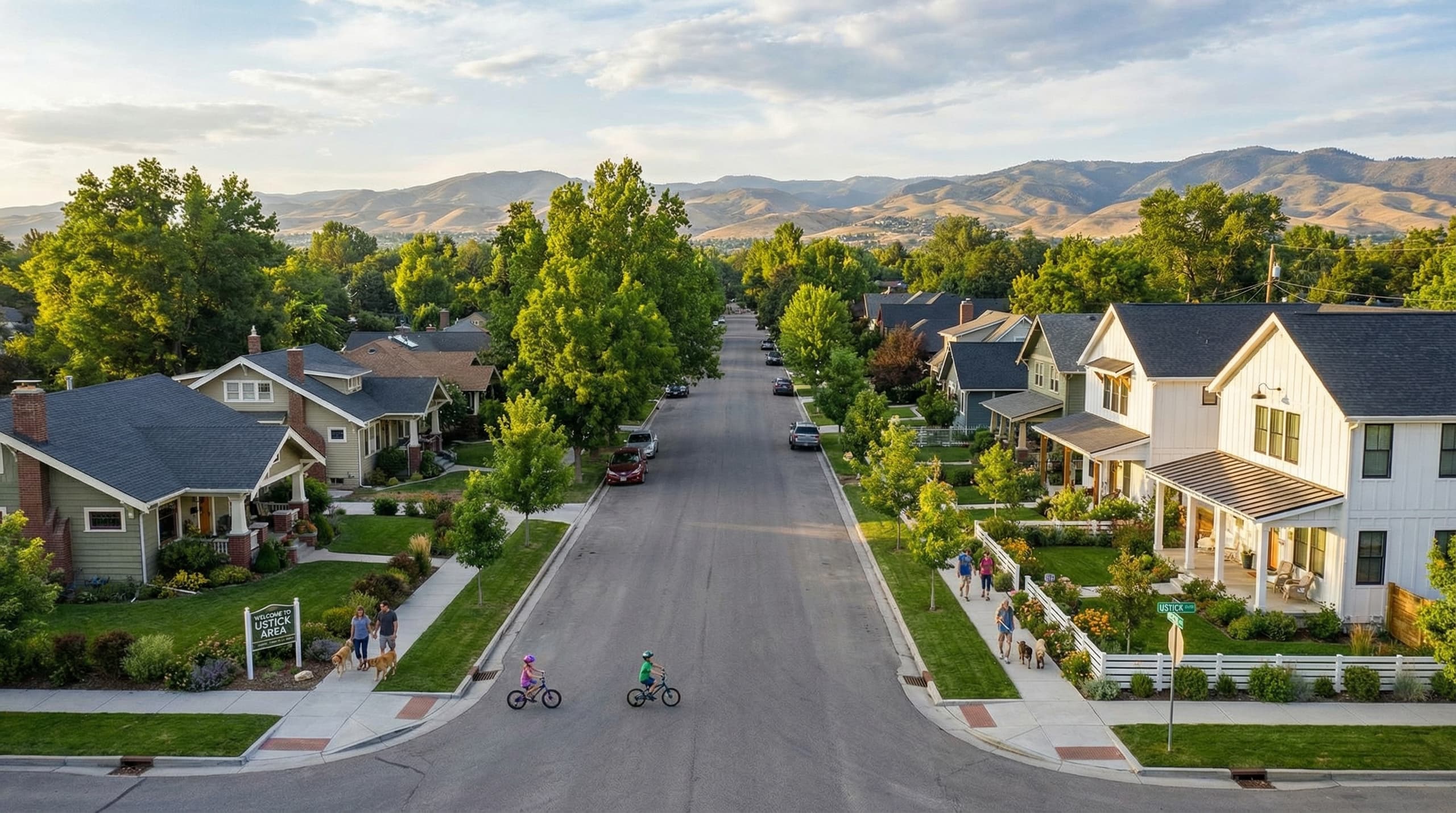
The Ustick corridor stretches across West Boise toward Meridian, featuring a rapidly evolving mix of established neighborhoods and aggressive new construction. This dynamic area presents pest challenges from both old and new sources. Established subdivisions from the 1990s and 2000s have mature landscaping with settled pest populations, while ongoing development continually disturbs the soil and displaces ant colonies, mice, and other pests. Ustick Road's commercial development creates food sources supporting pest populations near residential areas. The corridor's position between Five Mile Creek to the south and Hill Road to the north places it at the intersection of multiple pest pressure zones. Agricultural land still present west of Cloverdale provides a source of field pests that migrate into nearby developments.
- Mix of established and new construction creates varied pest pressures
- Ongoing development displaces ant colonies and field rodents
- Commercial corridor sustains pest populations near residential areas
- Remaining agricultural land provides ongoing source of field pests
Common Pests in Ustick
Ustick FAQ
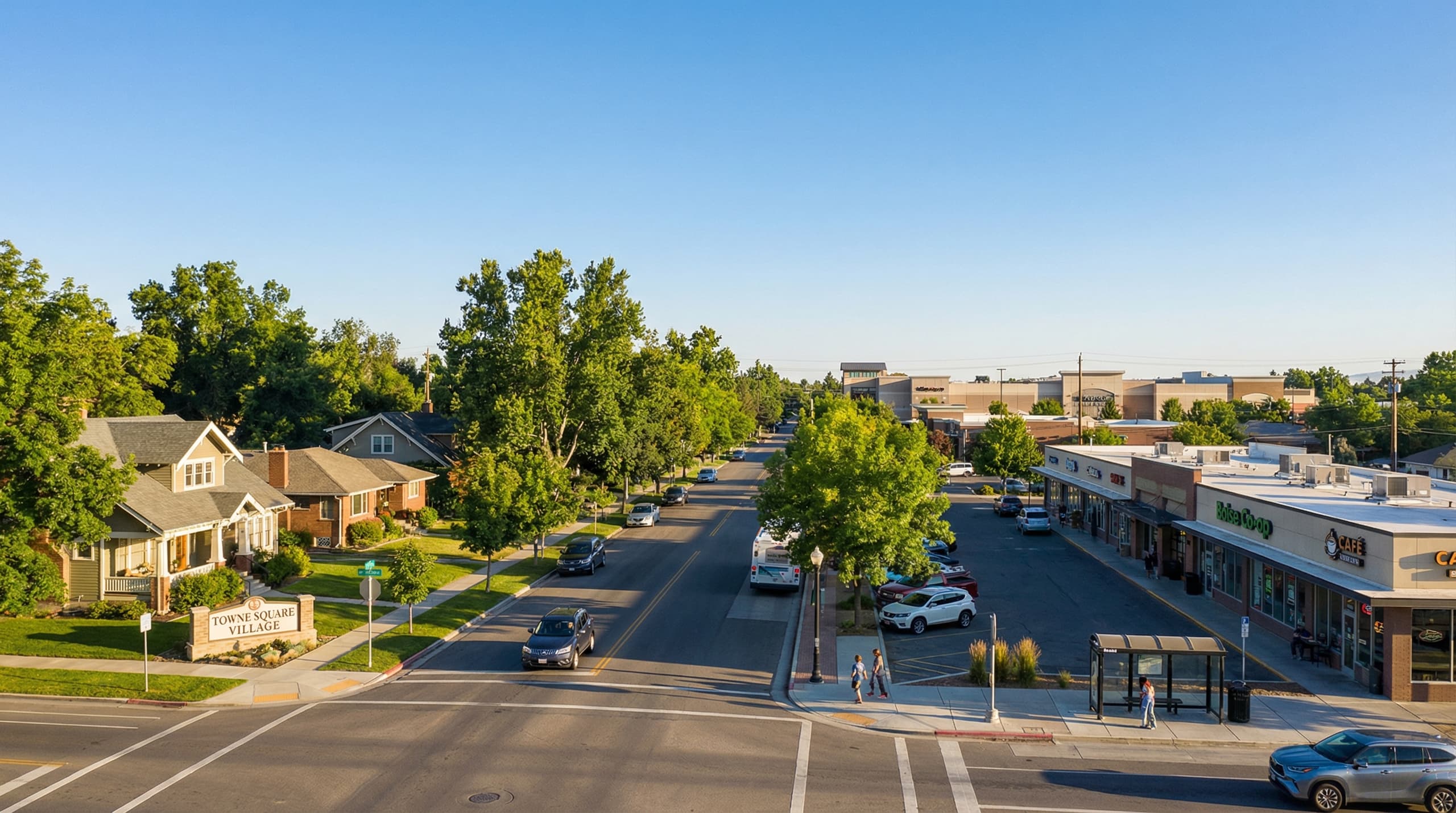
The Towne Square area centers on Boise Towne Square Mall and the extensive commercial development surrounding it, with established residential neighborhoods radiating outward. This commercial density creates unique pest dynamics for the entire area. The mall, restaurants, food courts, and retail establishments support substantial pest populations that inevitably spread to nearby residential properties. Norway rats thrive in the commercial infrastructure, traveling through storm drains and utility corridors. German cockroaches establish in food service areas and spread through shared walls. The area's older apartment complexes and condos near the commercial core face particularly intense pressure. Meanwhile, established single-family neighborhoods around the commercial district deal with the overflow from these high-pest-pressure zones.
- Mall and commercial density supports large rodent and roach populations
- Restaurant concentration creates abundant pest food sources
- Commercial infrastructure provides pest travel corridors to residential areas
- Multi-family housing near commercial core faces intense pest pressure
Common Pests in Towne Square
Towne Square FAQ
Frequently Asked Questions
How much does pest control cost in Boise?
As of May 2026, Green Guard pest control in Boise starts at just $49 for your initial treatment, then $119 per quarter for ongoing protection (homes up to 2,500 sq ft). This covers ants, spiders, wasps, rodents, and seasonal invaders. Our pricing is straightforward with no hidden fees. If pests come back between quarterly visits, we come back free. Historic North End homes or larger properties in Harris Ranch are covered under the same simple pricing.
What pests are most common in Boise neighborhoods?
After serving 2,500+ Treasure Valley families, we see clear neighborhood patterns. The North End and Warm Springs see heavy carpenter ant activity from mature trees and older wood-frame homes. East Boise and the Bench get more black widow spiders and yellowjackets. Downtown properties often deal with rodent issues. Properties near the Boise River Greenbelt face increased mosquito and spider populations from the moisture-rich environment.
How quickly can you respond to pest emergencies in Boise?
We offer same-day service throughout Boise and Ada County for urgent pest situations like wasp nests, rodent sightings, or spider infestations. Our technicians are strategically located to reach any Boise neighborhood, from Downtown to Southeast Boise to Harris Ranch, within hours. For non-emergency treatments, we typically schedule within 24-48 hours.
Do you provide pest control for historic Boise homes?
Absolutely. Boise's historic homes in the North End, Warm Springs, and Hyde Park areas require specialized pest control approaches. Older foundations, original wood framing, and mature landscaping create unique entry points for pests. Our technicians are trained to identify and seal these vulnerabilities while preserving the character of historic properties. We use targeted treatments that won't damage original materials.
What's included in your Boise pest control service?
Our full Boise pest control includes interior and exterior treatment, entry point sealing, web removal, nest elimination, and ongoing monitoring. We treat for ants, spiders (including black widows), wasps, rodents, earwigs, and seasonal invaders. Each visit includes a detailed inspection report and recommendations specific to your property's location and pest pressures.
Are your pest control treatments safe for pets and children?
Yes, we use EPA-registered products applied by licensed technicians following strict safety protocols. Treatments are family and pet-safe once dry, typically within 30-60 minutes. We can also provide eco-friendly and organic treatment options for Boise homeowners who prefer greener solutions. We'll always inform you of any precautions needed before treatment.
How do I prevent pests in my Boise home between treatments?
Between professional treatments, Boise homeowners should seal cracks around foundations and windows, keep vegetation trimmed 18 inches from the house, store firewood away from structures, fix moisture issues promptly, and keep food in sealed containers. Properties near the Boise River or with mature trees need extra vigilance. Our technicians provide customized prevention tips for your specific neighborhood and property.
Do you offer commercial pest control in Boise?
Yes, we serve Boise businesses including restaurants, offices, retail stores, warehouses, and healthcare facilities. Downtown Boise, the Boise Towne Square area, and commercial districts throughout Ada County trust Green Guard for discreet, effective pest management. We offer flexible scheduling including after-hours service, detailed documentation for health inspections, and customized treatment plans for your industry.
We Also Serve Nearby Cities
Professional pest control throughout the Treasure Valley

Protect Your Boise Home Today
Same-day service available. Call now to get started.