Quarterly Protection
$49 initial, then$119*/quarter
- Exterior perimeter barrier
- Covers 20+ common pests
- Free re-service guarantee

Updated September 2026 · Serving Eagle, Idaho · Local team, local roots
Organic-based, hospital-grade treatments for foothills homes in 83616. Just $49 to start.
Tap your pest problem to get started
Re-Service Between Visits
Eagle Rating
Treasure Valley Homes
Office Hours, Mon to Fri
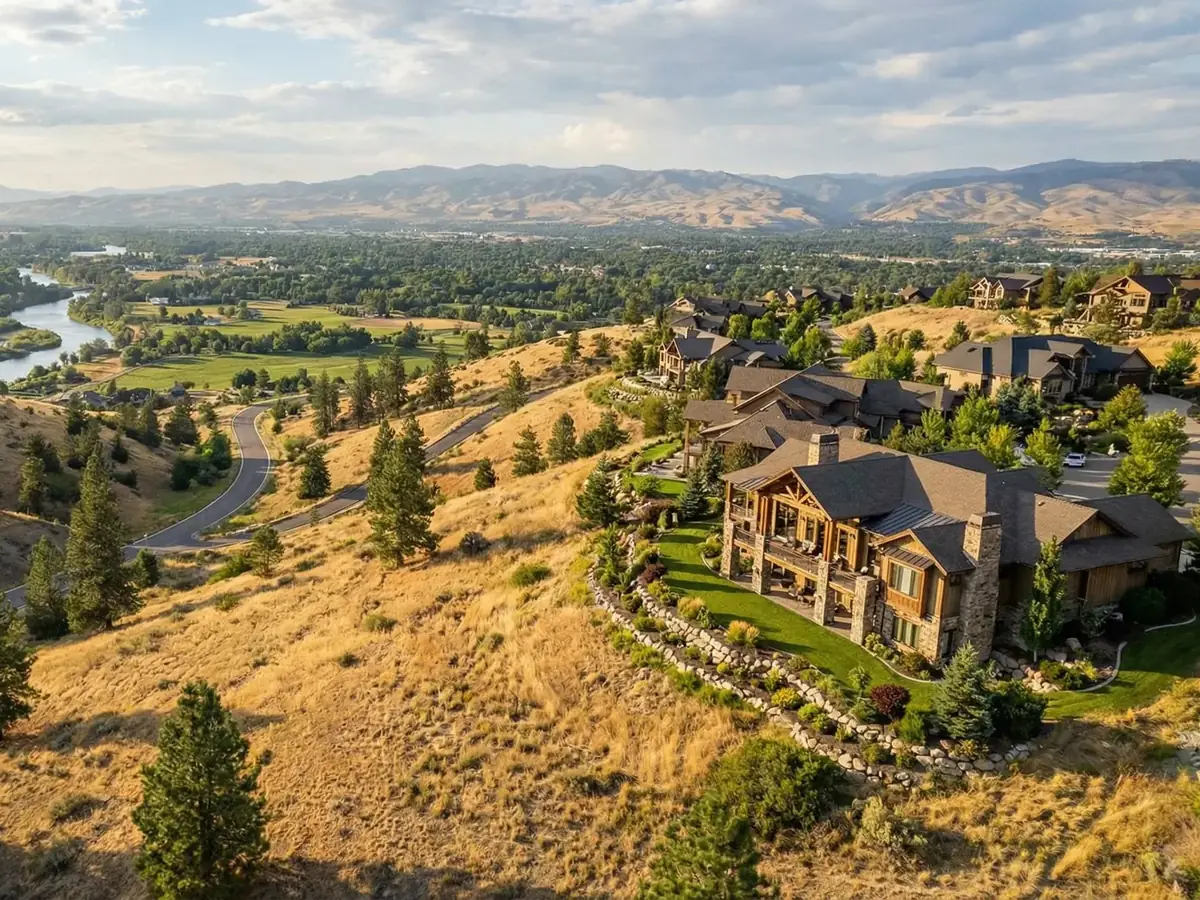
Eagle (ZIP 83616) sits where the Boise River meets the foothills, and that geography is the whole story for pest pressure here.
Properties along Floating Feather, Hill Road, and the Dry Creek corridor back right up to undeveloped sage and grassland. That open ground is home to deer mice, voles, ground squirrels, and the spiders that follow them. Newer subdivisions like Two Rivers, Laguna Pointe, and the Legacy push deeper into former pasture every year, which displaces colonies into completed homes. Older estates in Eagle Hills, Banbury, and Lakemoor have the opposite problem: mature trees and decades-old wood trim that carpenter ants treat like a buffet. Our quarterly plan was built around exactly these conditions, with organic-based, hospital-grade products that work on the perimeter while keeping kids, pets, and landscaping safe.
Eagle's beautiful foothills setting brings unique pest challenges. Homes bordering BLM land and the Boise River Wildlife Management Area encounter wildlife-associated pests including mice, voles, and occasionally pack rats. The abundant vegetation supports large spider populations.
Eagle's larger lot sizes and mature landscaping create ideal habitat for wasps and hornets. Properties near Eagle Island State Park see increased mosquito pressure during summer months.
The Dry Creek area and homes near Avimor face additional challenges from pests displaced by ongoing development. Luxury homes in these areas require pest prevention plans that protect both the property and surrounding natural areas.

"Our Dry Creek home backs to BLM land. Green Guard handles the unique challenges of living on the edge of wilderness beautifully."
"Huge wasp problem in our mature trees. They safely removed multiple nests and now treat quarterly to prevent rebuilding."
"Black widows were everywhere in our garage. Professional, thorough, and now we feel safe in our own home."
"After two other companies failed, Green Guard solved our ant problem in one visit. Professional, thorough, and actually effective."
"After three other companies couldn't keep ants out of our kitchen, Green Guard solved it in one visit. Six months later, still zero ants."
"I was skeptical at first, but Green Guard exceeded every expectation. They found entry points I never knew existed and haven't seen a spider since."
We provide pest control services throughout Eagle and surrounding areas.
Local pest challenges and solutions for every Eagle neighborhood
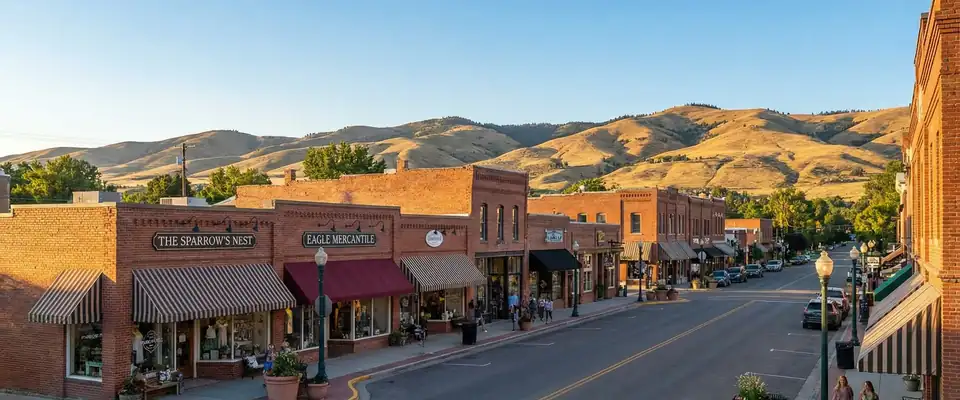
Downtown Eagle's historic charm and thriving restaurant scene create unique pest management challenges. The mix of older brick buildings, boutique shops, and popular eateries along State Street attracts various pests seeking food sources and shelter. Historic structures often have hidden entry points and aging infrastructure that pests exploit. Nearby Boise River wildlife corridors bring additional pest pressure to this vibrant commercial and residential hub.
Eagle Hills represents some of the Treasure Valley's most prestigious real estate, with custom homes on expansive lots backing to the Boise Foothills. These luxury properties face unique pest challenges due to their larger footprints, extensive landscaping, and proximity to undeveloped foothill terrain. Mature trees throughout the neighborhood harbor carpenter ant colonies, while the natural setting attracts wildlife, rodents, and voles that damage premium landscaping investments.
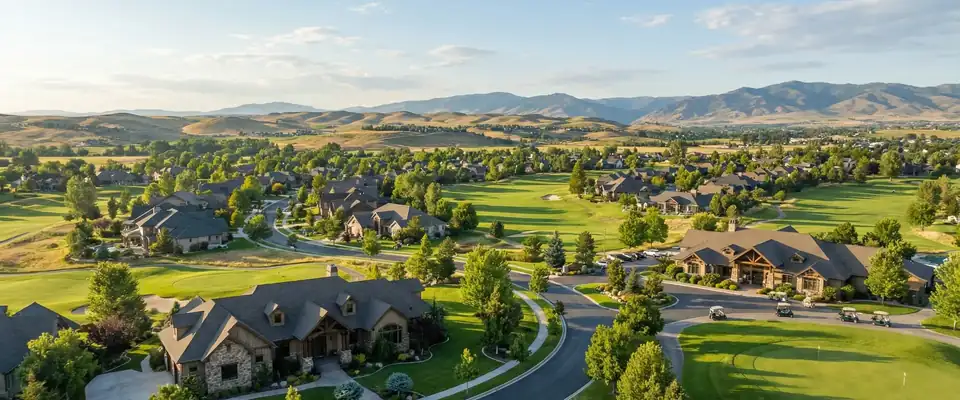
Banbury is one of Eagle's most established and desirable neighborhoods, featuring well-maintained homes surrounded by mature trees and lush landscaping. This beautiful setting creates ideal conditions for carpenter ants, which nest in aging trees and can migrate to homes. The neighborhood's extensive vegetation also attracts spiders, while established lawns are vulnerable to vole damage. Banbury's proximity to natural areas increases wildlife and rodent activity.
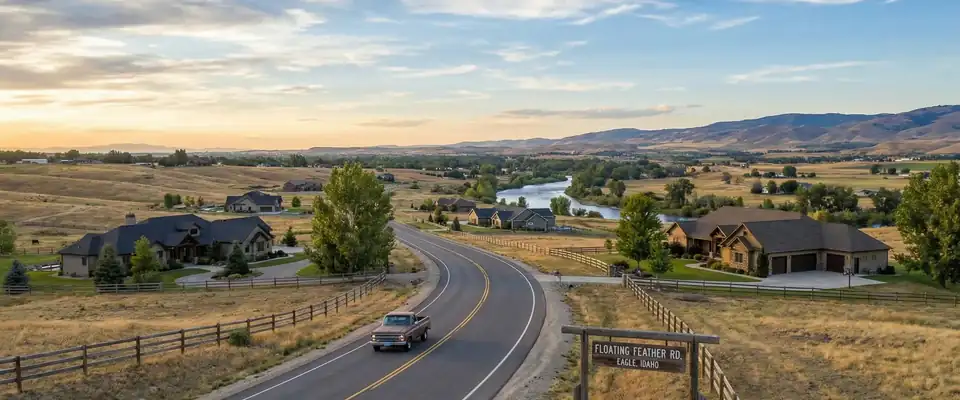
Floating Feather's stunning location along the Boise River creates a unique pest environment. The waterfront setting attracts moisture-loving pests including mosquitoes, earwigs, and various insects. Wildlife corridors along the river bring rodent activity directly to residential areas. The lush riparian vegetation harbors spider populations, while riverside landscaping can attract ants seeking water sources. Properties here require specialized treatment approaches that account for proximity to water.
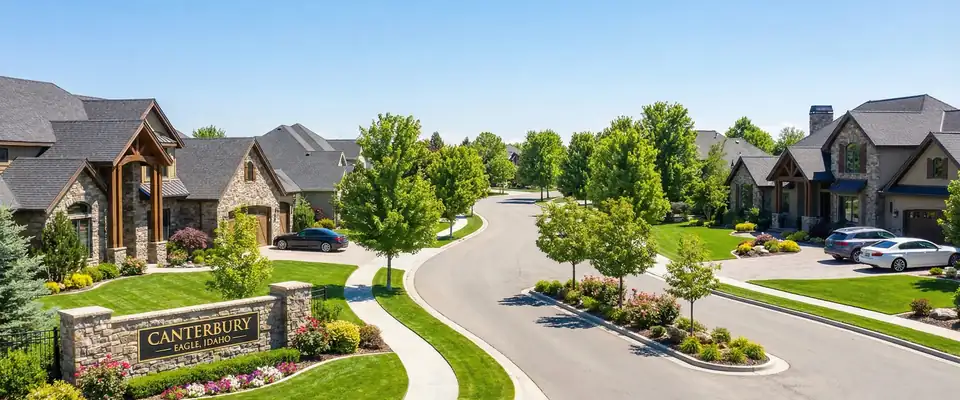
Canterbury is a sought-after Eagle neighborhood known for its family-friendly atmosphere and well-maintained homes. The community's established landscaping, neighborhood parks, and mature vegetation create habitat for common household pests. Family homes with children and pets need pest control that takes kids and pets into account. Canterbury's location in the heart of Eagle means residents face typical residential pest pressures including ants, spiders, and seasonal wasp activity.
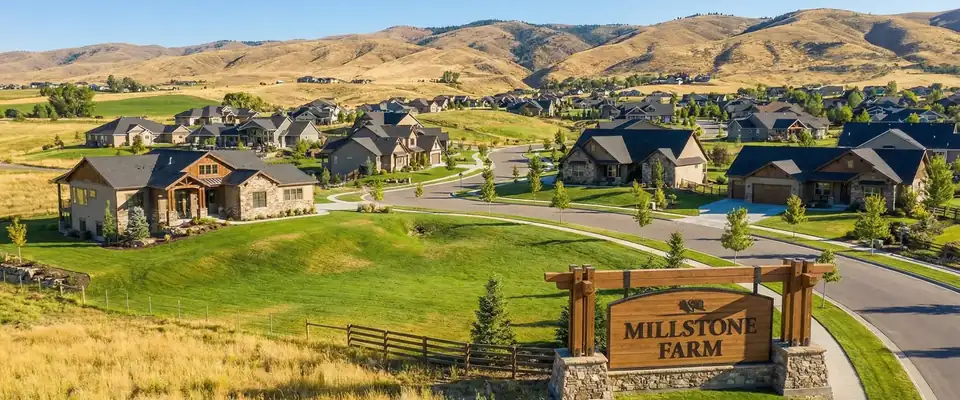
Millstone Farm is one of Eagle's thriving newer developments, featuring quality homes for growing families. While newer construction often has fewer pest entry points than older homes, the ongoing development and disturbance of natural areas can drive pests toward residential properties. Construction activity displaces rodents and insects, while new landscaping attracts ants and other pests seeking food and water. Millstone Farm homeowners benefit from proactive pest prevention before problems become established.
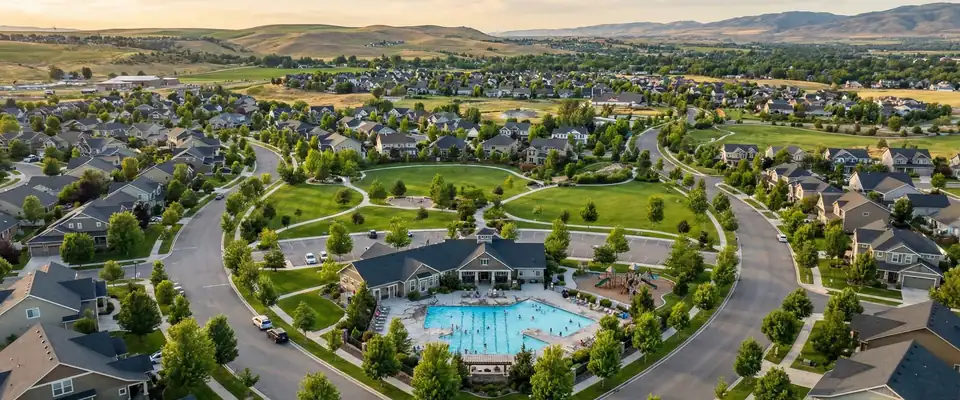
Eagle Springs features attractive homes with manicured landscapes in one of Eagle's desirable neighborhoods. The community's established trees and quality landscaping create conditions that can attract various pests. Carpenter ants target mature trees and wood structures, while well-irrigated lawns draw moisture-seeking insects. The neighborhood's location in central Eagle means access to all city amenities while still experiencing the pest pressures common to Idaho's Treasure Valley region.
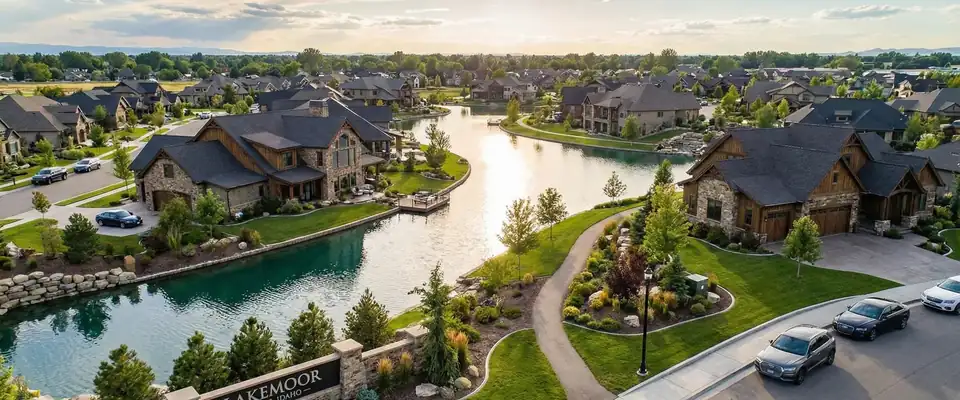
Lakemoor represents some of Eagle's most exclusive real estate, featuring luxury estates on generous acreage with premium landscaping and custom architecture. These exceptional properties face unique pest challenges proportional to their size and setting. Extensive grounds require full perimeter coverage, mature trees harbor carpenter ant colonies, and manicured lawns are vulnerable to vole damage. Lakemoor homeowners expect pest management that matches the quality of their homes.
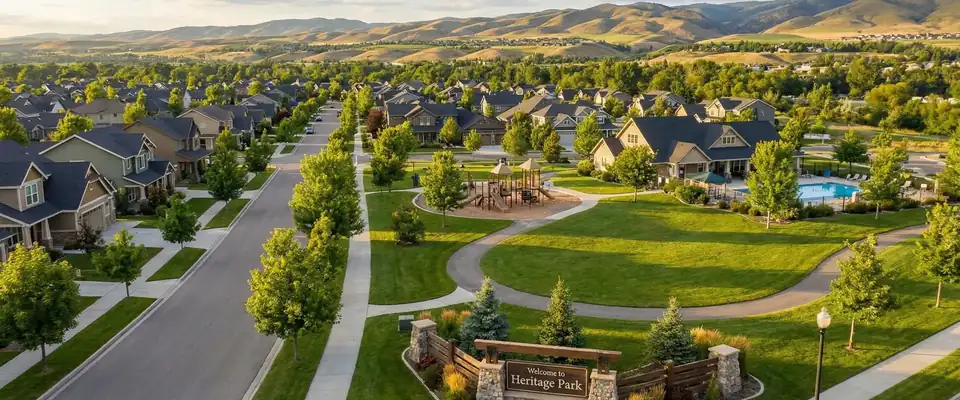
Heritage Park is one of Eagle's well-established neighborhoods, featuring quality family homes with mature landscaping and strong community connections. The neighborhood's established trees and landscaping create habitat for various pests, while the active family environment means pest control must prioritize safety. Community parks and gathering areas can increase pest activity in adjacent properties. Heritage Park homeowners trust professional pest management to protect their families and homes.
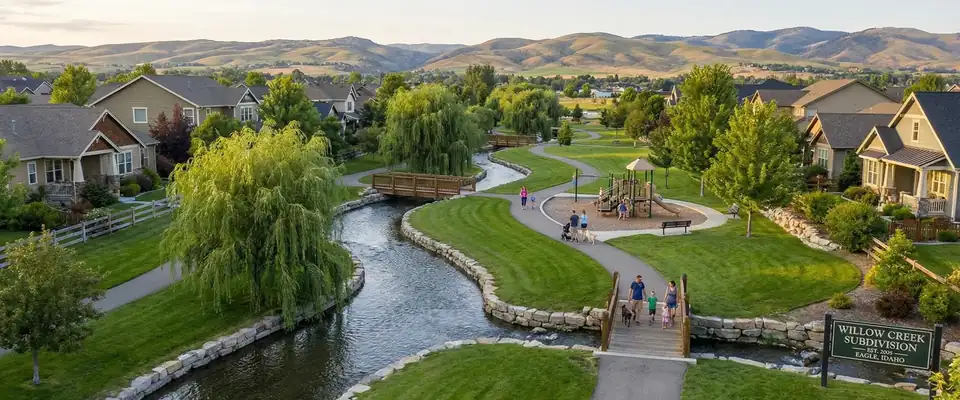
Willow Creek's attractive setting near natural waterways creates a unique pest environment. The creek and associated vegetation attract moisture-loving insects, while the riparian habitat supports wildlife that brings rodent activity closer to homes. Established trees along the creek corridor harbor carpenter ant colonies, and the lush natural setting attracts diverse spider populations. Properties in Willow Creek benefit from pest control approaches designed for creek-adjacent settings.
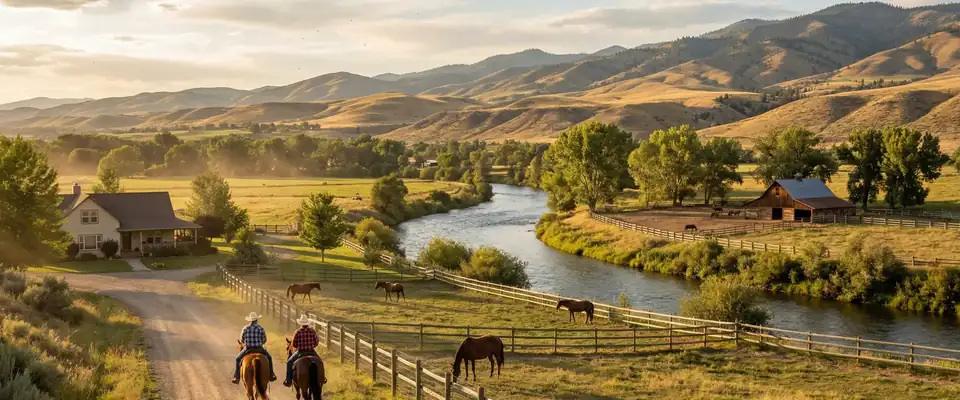
Properties in the Eagle Island area sit right up against Eagle Island State Park and the Boise River, and that prime location comes with unique pest challenges. The natural preserve creates constant wildlife pressure, with rodents, insects, and other pests moving freely between protected lands and residential properties. River moisture supports mosquito populations, while the riparian ecosystem attracts diverse spider species. Homeowners here need pest management designed for nature-adjacent living.
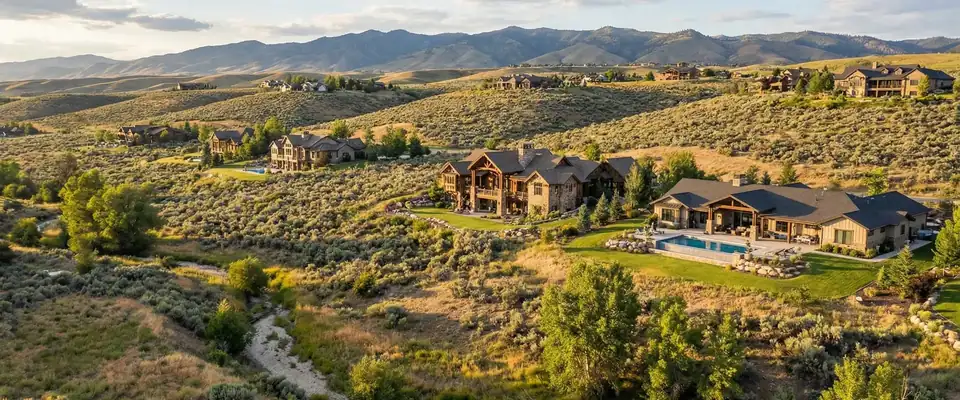
Dry Creek's location along the Boise Foothills offers spectacular views and natural beauty, but also creates significant pest management challenges. Properties here border undeveloped foothill terrain, creating constant wildlife pressure from rodents, snakes, and other creatures. The rural setting with larger lots and acreage requires extended treatment coverage. Mature vegetation and native landscaping harbor carpenter ant colonies and diverse spider populations common to Idaho's high desert environment.
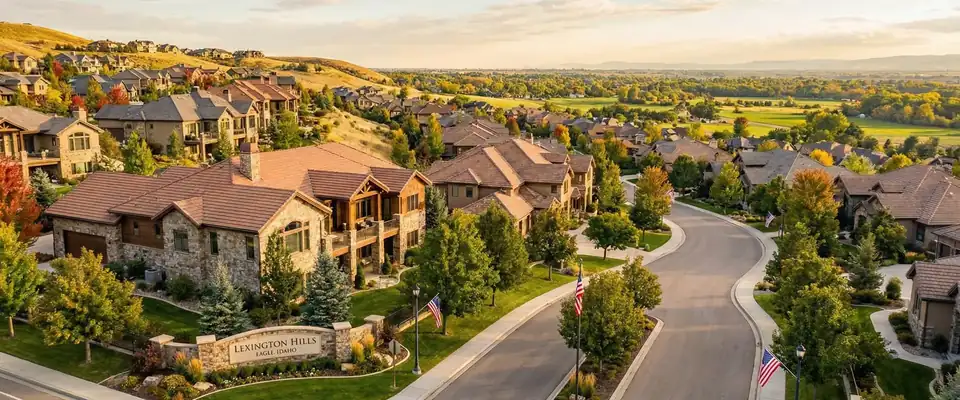
Lexington Hills features quality homes in an elevated Eagle setting with beautiful views of the Treasure Valley. The hillside terrain and natural vegetation create specific pest challenges. Properties here often back to natural areas, bringing wildlife and rodent activity. Mature trees and landscaping harbor carpenter ant colonies, while the elevated terrain can concentrate spider populations around homes. Lexington Hills homeowners appreciate professional pest management that matches their property standards.
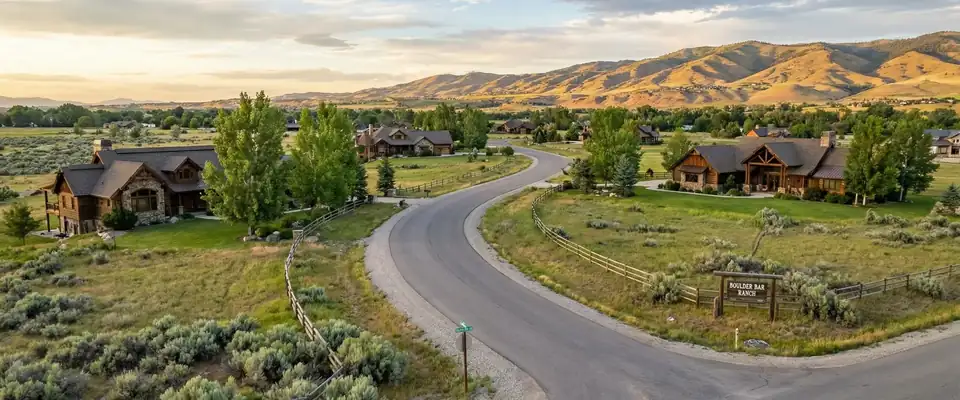
Boulder Bar's coveted location near the Boise River provides exceptional natural beauty and recreational access, but also creates distinct pest challenges. The river ecosystem supports wildlife corridors that bring rodents and insects directly to residential properties. Moisture from the river attracts water-loving pests, while the riparian vegetation provides excellent habitat for spiders. Boulder Bar homeowners need pest control approaches specifically designed for river-adjacent living.
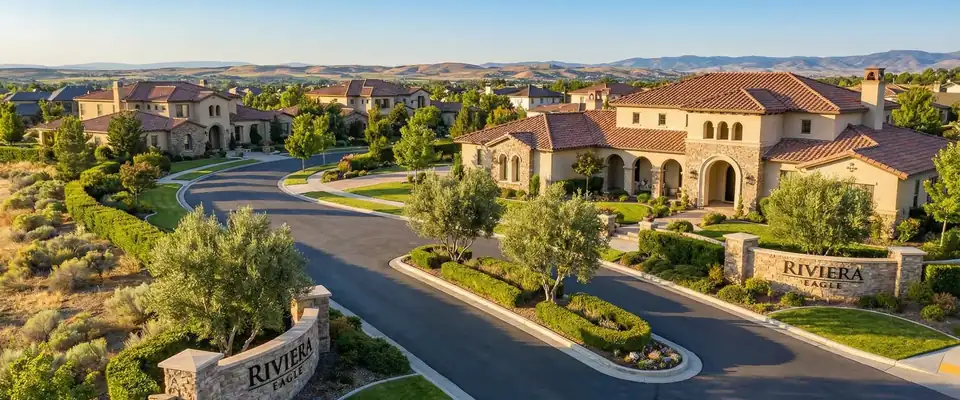
Riviera showcases some of Eagle's most desirable waterfront living, with properties offering stunning river views and water access. This premium setting creates unique pest challenges that require specialized attention. The aquatic environment supports mosquito populations, river corridors bring rodent activity, and the lush waterside vegetation attracts diverse spider species. Riviera homeowners expect pest management that protects their exceptional properties while preserving the natural beauty that makes this neighborhood special.
Our local experts know how to identify and eliminate these pests quickly
High spider populations due to foothill habitat: black widows, hobos, and wolf spiders
Hobo & Black Widow Spiders. Both species thrive in foothill-adjacent garages, pool houses, and pump sheds across Eagle. Late summer is the busiest call season.
Field mice, voles, and occasionally pack rats from foothills and wildlife areas
Deer Mice & Voles. Move in from foothills sage and pasture, especially fall through early spring. Voles tear up manicured lawns by tunneling under the surface.
Paper wasps, yellow jackets, and bald-faced hornets thrive in Eagle's large lots
Yellowjackets & Paper Wasps. Build under deep eaves, covered patios, and outdoor kitchens. We pull nests safely and work around your outdoor entertaining.
Carpenter ants in mature landscaping, pavement ants in driveways
Carpenter Ants. Mature trees in Eagle Hills, Banbury, and Heritage Park feed satellite colonies that move into wood-trimmed homes.
Eagle pest activity follows the Treasure Valley pattern with a few local twists driven by the foothills, the new construction, and the Boise River corridor. Plan ahead and treatments are cheaper.
Spring (March through May). Pavement ants and odorous house ants expand as soil warms past 50 degrees. New Floating Feather and Avimor builds see fresh pavement-ant pressure in driveway joints while the concrete cures. Wasp queens scout nest sites under eaves, in shed corners, and inside tall Eagle Hills gables. Best window to start quarterly service.
Summer (June through August). Peak everything. Hobo spiders and black widows hit peak activity in July, especially on Dry Creek and Avimor lots that back to BLM. Wasps and yellow jackets are at full colony size in Banbury, Eagle Springs, and Eagle Hills. Mosquito pressure spikes along the Boise River corridor and out toward Eagle Island State Park.
Fall (September through November). Foothill rodents push into Dry Creek, Avimor, and the north side of Floating Feather as the first frost pulls cover off the BLM ground. Box elder bugs cluster on south-facing siding in Banbury and Eagle Hills. Wasp colonies die off but queens look for hibernation spots in attics and detached shops. See our Idaho rodent ID guide for the deer-mouse-versus-house-mouse breakdown.
Winter (December through February). Rodents are the primary problem, especially on foothill-adjacent properties. February is peak mouse breeding season. A winter treatment also disrupts overwintering insects before they emerge in spring.
If you can only schedule one treatment a year in Eagle, make it late spring. A March or April visit gets the perimeter active before colonies build, and the barrier holds through the peak summer spider and wasp push. For the full year-round breakdown, see our Idaho pest calendar.

Step one
On arrival, we identify the pest, entry points, and severity of infestation.
Step two
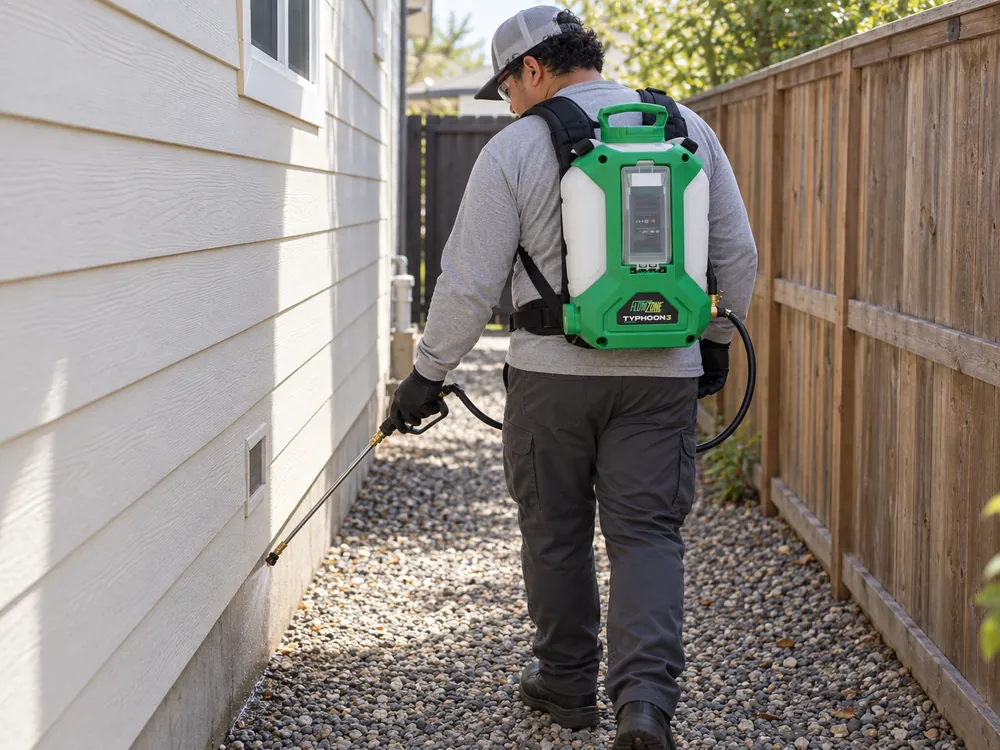
Targeted treatment based on your specific pest and property.

Step three
Quarterly treatments prevent future infestations.
Year-round protection from common pests
Colony elimination & prevention
Interior & exterior treatments
Locked bait stations & copper mesh
Safe nest removal
Business pest management
Professional pest control for Eagle homes and businesses. $49 first service with a plan, and free re-service between visits.
$49 initial, then$119*/quarter
from$200*
* Tiered by home size. Bi-monthly available at $99/visit. View full pricing
Our local team is here to help, Monday through Friday, 9am to 5pm.
Call (208) 297-7947Quick answerAs of September 2026, pest control in Eagle starts at $49 for your first treatment on any quarterly or bimonthly subscription.
Quarterly visits are $119 for homes up to 2,500 sq ft, $139 up to 4,000 sq ft, and $159 up to 5,500 sq ft. Estate properties on acreage in Eagle Hills, Lakemoor, or along Floating Feather get a custom quote. One-time service runs $200-$250.
Pest control in Eagle starts at $49 for the initial treatment with Green Guard, then $119 for quarterly visits on homes up to 2,500 square feet, $139 for 2,501 to 4,000 square feet, and $159 for 4,001 to 5,500 square feet. Bimonthly plans start at $99. Homes over 5,500 sq ft get a custom quote based on the actual perimeter and outbuildings. Every quarterly and bimonthly plan includes a free re-service guarantee between visits.
Mice and rats inside your home are covered by our general pest plan. Your first service is $49 when you sign up for a quarterly or bimonthly plan with a 1-year agreement that locks in your rate. After that, quarterly service is $119 per visit for homes up to 2,500 sq ft, so year one comes to $406. Voles and rodents living outside are usually a separate charge, so ask us for a quote.
Quick answerThe Boise foothills above Eagle are full of deer mice, voles, and ground squirrels.
When the weather turns or open ground gets disturbed by construction, those rodents push downhill into garages, crawlspaces, and pantries. Spiders follow the food. Hobo and black widow populations spike from July through October. Quarterly perimeter treatment, locked bait stations for mice, and copper mesh in the obvious gaps are how we hold them back.
Foothill properties commonly see mice and voles. Mice and rats inside the home are covered by the plan: we set locked bait stations where they travel and plug obvious gaps with copper mesh. Voles and rodents living outside are usually a separate charge.
Eagle's foothill location provides ideal spider habitat. The natural vegetation supports large insect populations (spider food), and spiders move into homes seeking shelter. Regular perimeter treatments dramatically reduce indoor spider sightings.
Eagle sits at the edge of the Boise foothills, and anything east of Highway 55 or north of Floating Feather is either bordering BLM land or on the way to it. The open sagebrush ground supports huge insect populations, which support huge spider populations. When the days shorten in late July and August, hobo spiders and black widows head for the nearest warm structure. Dry Creek, Avimor, and the north end of Floating Feather see the heaviest pressure. Our spider-proofing guide covers the steps homeowners can take.
Quick answerWe use organic-based, hospital-grade products, the same class of formulations used in hospitals and daycares.
Your technician will tell you how long to keep kids and pets off treated areas. We also avoid runoff into ornamental beds and garden plantings, which matters on Eagle properties with significant landscape investment.
Yes. Green Guard uses organic-based, hospital-grade products. Same formulations used in hospitals and daycares. Most treatments are dry within 30 to 60 minutes, and you can stay home during service. Just clear baseboards, move pet bowls, and we handle the rest.
We keep bait inside locked, tamper-resistant stations instead of loose on the floor, and we rarely use snap traps. Tell your technician where kids play and pets sleep, and we'll place stations with that in mind.
Quick answerHobo spiders and black widows are the two species worth knowing.
Both are common in foothill-adjacent garages, sheds, and pump houses. Wolf spiders look scary but are not medically significant. The Resources section below has our full Idaho spider ID guide with photos so you know what you are looking at.
Quick answerWe usually get out within 24 to 48 hours, and same-day service is often available, especially when you call early in the day, Monday through Friday.
Our techs cover every Eagle address, from downtown to Dry Creek to Lexington Hills. Office line: (208) 297-7947.
Same-day service is often available in Eagle. Routine quarterly visits can normally be set within 24 to 48 hours. Our technicians run Eagle every week across all of ZIP 83616, so help is close by.
Quick answerA full property walkthrough with the technician, identification of active pests and entry points, exterior barrier spray three feet high and three feet out, eave sweep for spider webs and starter wasp nests, granular treatment in landscape beds, and interior baseboard treatment on request.
After that, quarterly visits keep the barrier active. If pests come back between visits, we come back free.
Quick answerYes.
Pool houses, guest casitas, detached shops, barns, and pump houses are all standard add-ons for Eagle estate properties. They are also where black widows and rodents tend to concentrate, so treating them matters. We quote any extra structures during the first visit.
Yes! Many Eagle homes sit on 1+ acre lots. We customize treatment plans for larger properties, focusing on the home perimeter and any outbuildings while being mindful of landscaping and natural areas.
Quick answerGreen Guard is locally owned and operator-run from Boise.
The same crew runs your Eagle route every visit, so you see familiar faces and consistent technique. You talk to our local office, and we recommend only what your home needs. 9-star average across 170-plus Google reviews from 2,500-plus Treasure Valley families.
Quick answerWe focus treatments on your home, its perimeter, and the problem spots around it.
Mice and rats inside the home are covered by the plan. For gophers, squirrels, or other wildlife, we'll connect you with a trusted specialist.
Green Guard refers termites, bed bugs, and wildlife other than rodents to trusted specialists. We do treat carpenter ants (sometimes confused with termites in older Downtown Eagle and Banbury homes). Rodents inside your home (mice and rats) are covered on every plan. Voles and outdoor rats get their own quote. For gophers and squirrels, we'll point you to a specialist.
Those go to a wildlife specialist. Our rodent service covers mice and rats inside the home, and voles and outdoor rodents are usually a separate charge. For gophers, squirrels, and other wildlife, call us at (208) 297-7947 and we'll connect you with a trusted specialist.
Quick answerWe cover all of Eagle under ZIP 83616, including Downtown, the Floating Feather corridor, Dry Creek, Avimor, Banbury, Eagle Springs, Eagle Hills, Eagle Island (near Eagle Island State Park), and Canterbury out toward Star.
Same posted price across every neighborhood with no travel surcharge. Our technicians are in Eagle weekly.
We serve all Eagle neighborhoods including Downtown Eagle, Hidden Springs, Avimor, Dry Creek, Floating Feather, BanBury, Eagle Hills, Lexington Hills, Mill District, Eagle Island, and properties along Highway 55, Eagle Road, Linder Road, and Beacon Light. We also serve neighboring Boise, Meridian, Star, and the entire Treasure Valley.
Quick answerNew builds along Floating Feather and in Avimor sit on former ag ground or foothills that had established underground ant colonies and ground-nesting yellow jacket nests.
When a bulldozer opens the ground, those colonies survive and rebuild in the nearest available space, which is usually the finished home next door. First-year and second-year Eagle homeowners typically see heavier pavement-ant pressure in driveway joints, more ground-nesting yellow jackets along fresh berms, and more voles in newly-sodded lawns than they will once the landscape stabilizes.
Across Eagle overall, spiders and ants run neck-and-neck at the top of the list. On foothill-adjacent lots (Dry Creek, Avimor, north Floating Feather) spiders are the number one call by a wide margin. In older Downtown neighborhoods and established communities like Banbury and Eagle Springs, ants come first. Wasps and paper wasps peak in summer, box elder bugs cluster on south-facing siding in fall, and rodents from the foothills push in from late September through March.
Quick answerMice can squeeze through openings as small as 1/4 inch (about the size of a dime).
Common entry points include gaps around pipes and utility lines, foundation cracks, gaps under garage doors, damaged vent screens, and spaces where siding meets foundation. Eagle homes near the foothills and open land tend to see more rodent pressure. We plug the obvious gaps with copper mesh during service. Bigger repairs, like a worn garage door seal or a cracked foundation, are a job for you or a handyman.
Quick answerIt depends on how many rodents you have and how they're getting in.
Bait takes time to work, because rodents have to find the stations and feed. If you're still seeing activity between visits, call (208) 297-7947 and we'll come back free.
Quick answerCleanup is a job for you or a cleanup specialist.
Be careful, especially with the deer mice common in Eagle's foothills, since they can carry hantavirus. For small messes, air the space out first, wear gloves, soak the droppings with a mix of 1 part bleach to 10 parts water for about 5 minutes, then wipe them up with paper towels. Don't sweep or vacuum dry droppings, since that can stir hantavirus into the air. For heavy contamination, we'll connect you with a trusted specialist.
Quick answerTraps only catch the rodents that happen to find them, and they don't do anything about how rodents are getting in.
Our service puts locked bait stations on the routes rodents actually travel and plugs the obvious gaps with copper mesh. If you're still seeing activity between visits, call and we'll come back free.
Quick answerEagle sits at the interface between developed residential areas and the Boise Foothills.
This wildlife corridor brings deer mice, pack rats, and voles right to your doorstep. Properties in Hidden Springs, Avimor, and along Highway 55 are particularly vulnerable as they border natural rodent habitat.
Call Monday through Friday, 9am to 5pm. We usually get out within 24 to 48 hours.
Select your pest problem to get started
You picked .
Prefer to talk? Call (208) 297-7947
Professional pest control throughout the Treasure Valley
Field-tested guides from our technicians
Rodent Control in Boise, Idaho. A homeowner checklist for the deer mice that push in from the foothills above Eagle every fall, plus what professional rodent control includes.
Why Spiders Invade Boise Homes Every Fall. What actually keeps hobo spiders and black widows out of foothill-adjacent garages and pump houses.
Black Widow Bites and Other Idaho Spiders. How to spot a black widow, when a bite needs the ER, and the harmless spiders you can leave alone.
Pest Control Pricing. Every price tier, from the $49 first service to quarterly, bimonthly, and one-time plans.
Carpenter Ant Damage in Idaho. The warning signs of carpenter ant damage in older homes, and how to stop it early.