

Key Takeaways
- 1Box elder bugs seek warm, south-facing walls in fall to overwinter
- 2They do not bite, sting, or damage structures - but they are a major nuisance
- 3Prevention timing is critical - seal entry points before September
- 4Removing female box elder trees significantly reduces local populations
- 5Professional perimeter treatment before fall migration is most effective
Understanding Box Elder Bug Behavior
Box elder bugs are flat, oval insects about 1/2 inch long with distinctive red or orange markings on a black body. They are native to North America and extremely common throughout the Treasure Valley.
In spring and summer, box elder bugs live outdoors, feeding primarily on the seeds, leaves, and flowers of box elder trees (a type of maple). As temperatures drop in fall, they seek shelter for winter - and your home warm, south and west-facing walls are incredibly attractive.
Box elder bugs do not bite, sting, or cause structural damage. However, they become serious nuisances when they invade by the hundreds or thousands, staining surfaces with their droppings and emitting an unpleasant odor when crushed.
Timing Your Prevention Efforts
The best time for professional treatment is September, before bugs begin congregating on your home. Treatment at this time creates a barrier that kills bugs before they enter.
Box elder bug prevention is highly time-sensitive. Understanding their seasonal behavior helps you act at the right time:
- Spring (March-May) - Overwintered adults emerge and move outdoors. If you had indoor bugs, they will leave now.
- Summer (June-August) - Bugs live in trees, feeding and breeding. Population grows throughout summer.
- Early Fall (September) - Critical prevention window. Bugs begin gathering on sun-warmed building surfaces.
- Late Fall (October-November) - Bugs seek entry points to overwinter inside walls and attics.
- Winter (December-February) - Bugs are dormant inside structures but may emerge on warm days, appearing inside homes.
Seal Entry Points Before Fall
Box elder bugs enter through surprisingly small gaps. Thorough sealing is essential for prevention:
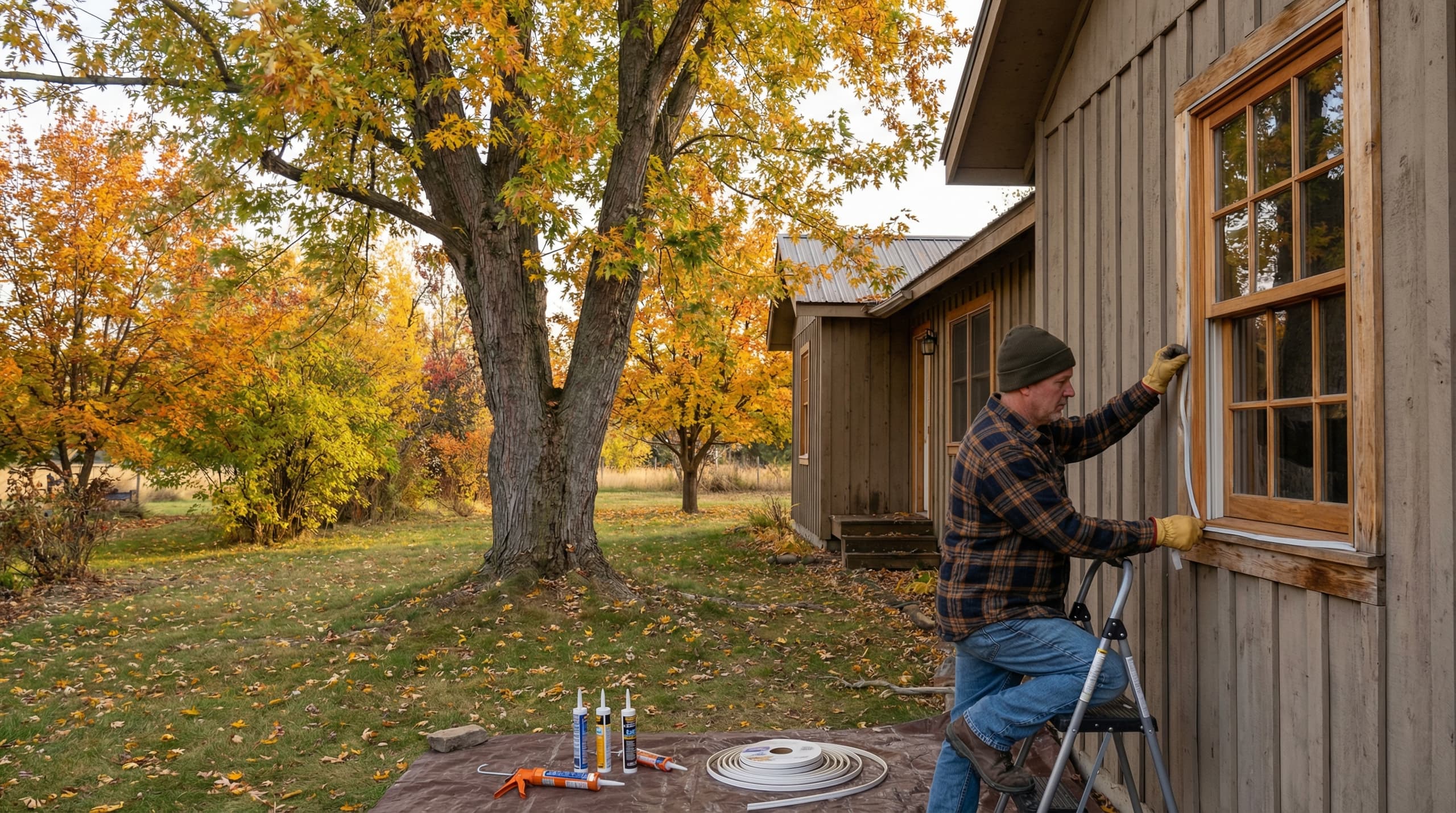
- Caulk around windows and doors - Check all exterior frames for gaps.
- Repair damaged screens - Window and door screens, as well as soffit and foundation vents.
- Seal where utilities enter - Gaps around pipes, wires, and cables.
- Install door sweeps - Gaps under doors are common entry points.
- Check weep holes in brick - Install fine mesh screens that still allow drainage.
- Repair cracks in foundation - Even hairline cracks provide access.
- Seal around attic vents - Without blocking airflow, ensure bugs cannot enter.
Tree Management for Long-Term Control
Tree removal is effective but a significant decision. If you have large, healthy box elder trees providing shade and aesthetic value, you may prefer to manage bugs through other methods.
Box elder bugs are closely associated with box elder trees. Addressing trees provides long-term population reduction.
- Identify box elder trees on your property - They have compound leaves with 3-7 leaflets and distinctive winged seed pods.
- Consider removing female trees - Only female trees produce the seeds box elder bugs prefer. Males are less attractive to bugs.
- Remove trees close to buildings - Trees within 30 feet of your home are most problematic.
- Clean up fallen seeds - The seeds (samaras) attract bugs. Rake them up in fall.
- Prune overhanging branches - Reduces bug access routes to your roof and walls.
- Talk to neighbors - If neighboring trees are the source, population control may require neighborhood cooperation.
Managing Bugs That Get Inside
Despite prevention efforts, some box elder bugs often find their way indoors. Here is how to handle them:
- Vacuum them up - The best removal method. Dispose of the bag or empty canister outside immediately.
- Do not crush them - Crushing releases a foul odor and may stain surfaces.
- Avoid indoor sprays - Most insecticides are unnecessary and leave dead bugs scattered everywhere.
- Use a tissue or paper towel - For individual bugs, gently capture and flush or discard outside.
- Address warm-day emergence - On sunny winter days, bugs in wall voids become active and may enter living spaces. Vacuum as they appear.
Professional Box Elder Bug Treatment
Green Guard offers box elder bug treatment starting at $49. Our fall perimeter treatment is particularly effective when applied before bugs begin congregating. Quarterly service at $119 provides year-round protection against box elder bugs and 30+ other pests.
Professional treatment is the most effective solution, especially for severe infestations.
- Perimeter barrier treatment - Professional-grade products applied to exterior walls, foundation, and entry points create a killing zone that stops bugs before entry.
- Optimal timing - Professional service in September provides protection during the critical migration period.
- Long-lasting residual - Professional products remain effective for weeks, unlike home treatments that break down quickly.
- Interior treatment if needed - For bugs already inside, targeted treatment eliminates current populations.
- Ongoing protection - Quarterly service maintains barriers throughout the year.
When to Call a Professional
Do not wait until box elder bugs are inside your walls. Once they establish overwintering populations, they will emerge throughout winter on warm days. Prevention is far easier than eviction. Call (208) 297-7947 to schedule fall treatment.
Contact Green Guard Pest Control at (208) 297-7947 for professional service in these situations:
- Large numbers congregating on your home - Hundreds or thousands of bugs on exterior walls indicate a severe problem requiring professional intervention.
- Bugs appearing inside in large numbers - Interior invasions suggest they have found entry points and established populations in wall voids.
- Previous DIY efforts have failed - If sealing and vacuuming have not resolved the problem, professional treatment is needed.
- You want to prevent the problem before fall - Proactive treatment in September is more effective than reactive treatment after invasion.
- You have box elder trees nearby - Homes near these trees benefit most from professional perimeter treatment.
Need Professional Help?
Get Same-Day Pest Control in Boise
Our local experts are standing by. Guaranteed results or we re-treat for free.