Quick answer
Spider control in Boise starts with reducing what attracts them: outdoor lighting, moisture from irrigation, and gaps in your foundation. The most common species in the Treasure Valley are hobo spiders, black widows, wolf spiders, and yellow sac spiders. Spring is the best time to set up a perimeter barrier before populations peak in summer. Green Guard's $49 initial treatment includes full exterior barrier spray and de-webbing.
Key Takeaways
- Spiders emerge in Boise once temps hit 50°F consistently, usually mid-April
- Hobo spiders are common but not medically dangerous. Black widows are the only truly venomous spider in Idaho.
- Irrigation overspray hitting your foundation attracts the insects spiders feed on
- DIY sprays and essential oils evaporate fast and don't reach egg sacs or wall voids
- A quarterly perimeter barrier ($119/treatment after a $49 initial visit) stops spiders and their prey insects year-round
In this article

Why Spiders Come Out in Spring Across the Treasure Valley
Spider control in Boise is a spring priority for good reason. Once daytime temperatures stay above 50°F (usually mid-April), spiders start moving. They've been overwintering in garages, crawlspaces, woodpiles, and wall voids all winter. Warming soil and longer daylight hours trigger them to hunt, mate, and build new webs.
But here's the thing most people miss. It's not just the spiders waking up. The insects they eat are waking up too. Ants, flies, gnats, and earwigs all become active in spring across the Treasure Valley. More prey means more spiders following the food.
Boise's semi-arid climate adds a twist. Irrigated lawns and landscape beds create pockets of moisture that bugs love, especially along the Boise River corridor near Garden City and in neighborhoods like Southeast Boise, the North End, and Harris Ranch. Those green, well-watered yards? They're basically an all-you-can-eat buffet for spiders.
Which Spiders Are Most Common in Boise?
As of spring 2026, the four spider species Green Guard technicians encounter most often in Boise homes are hobo spiders, black widows, wolf spiders, and yellow sac spiders. Here's what you need to know about each one.
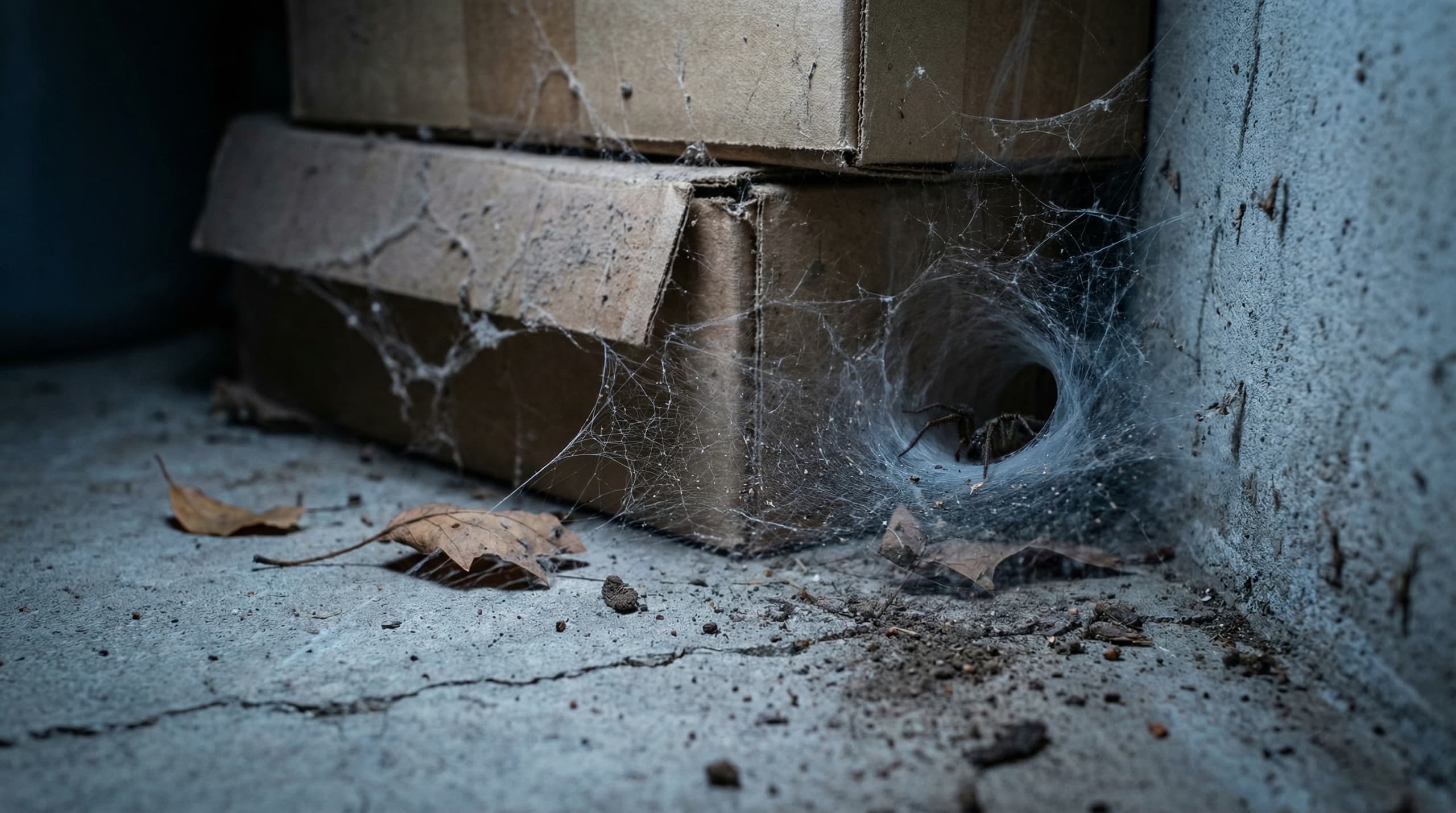
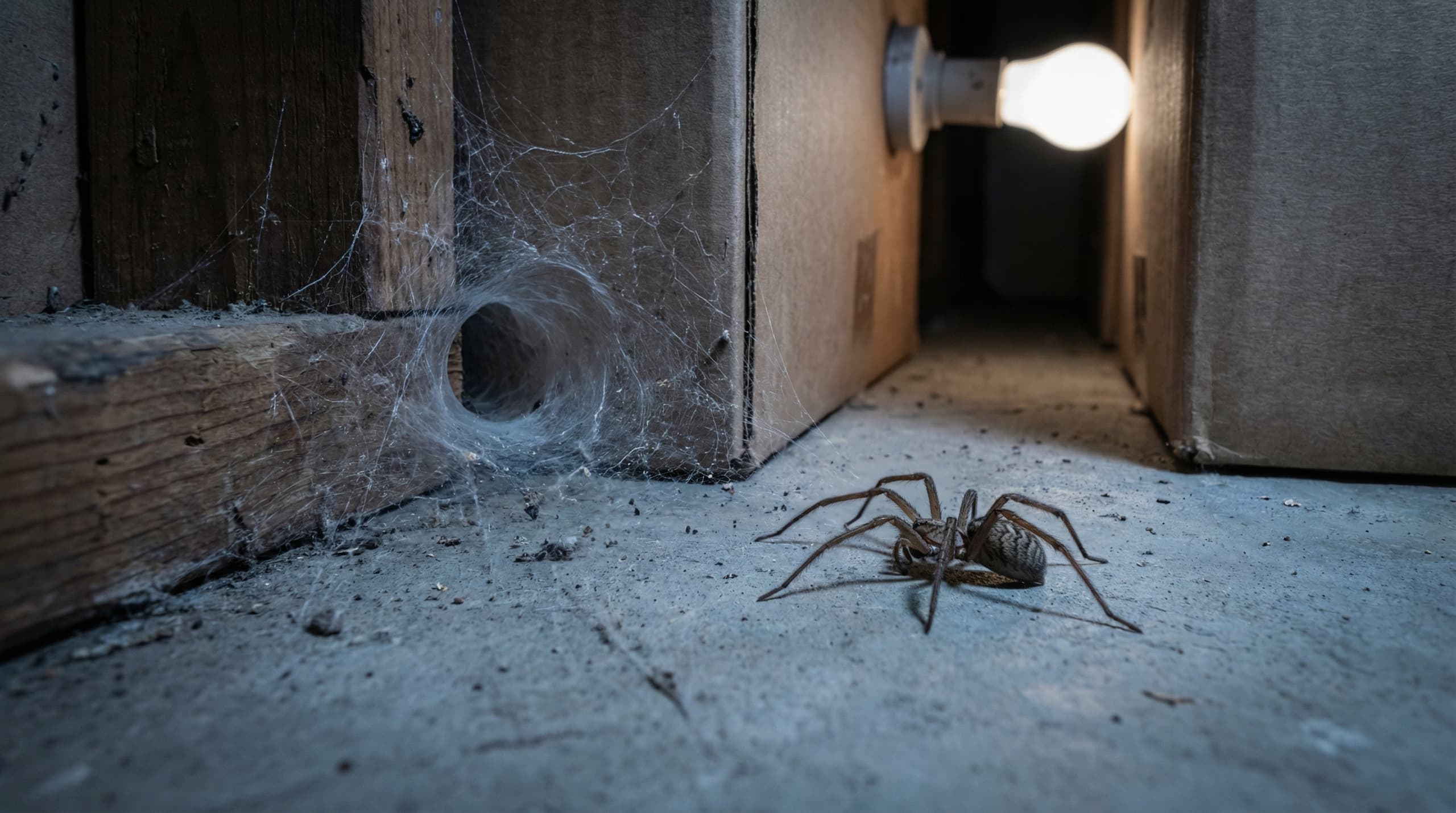
- Hobo spiders build funnel-shaped webs at ground level. You'll find them in window wells, along baseboards, and inside cardboard boxes in the garage. They're a common sight from Meridian to Caldwell. Despite old myths, hobo spider bites are not medically significant. University of Idaho research confirmed their venom doesn't cause the necrotic wounds once blamed on them.
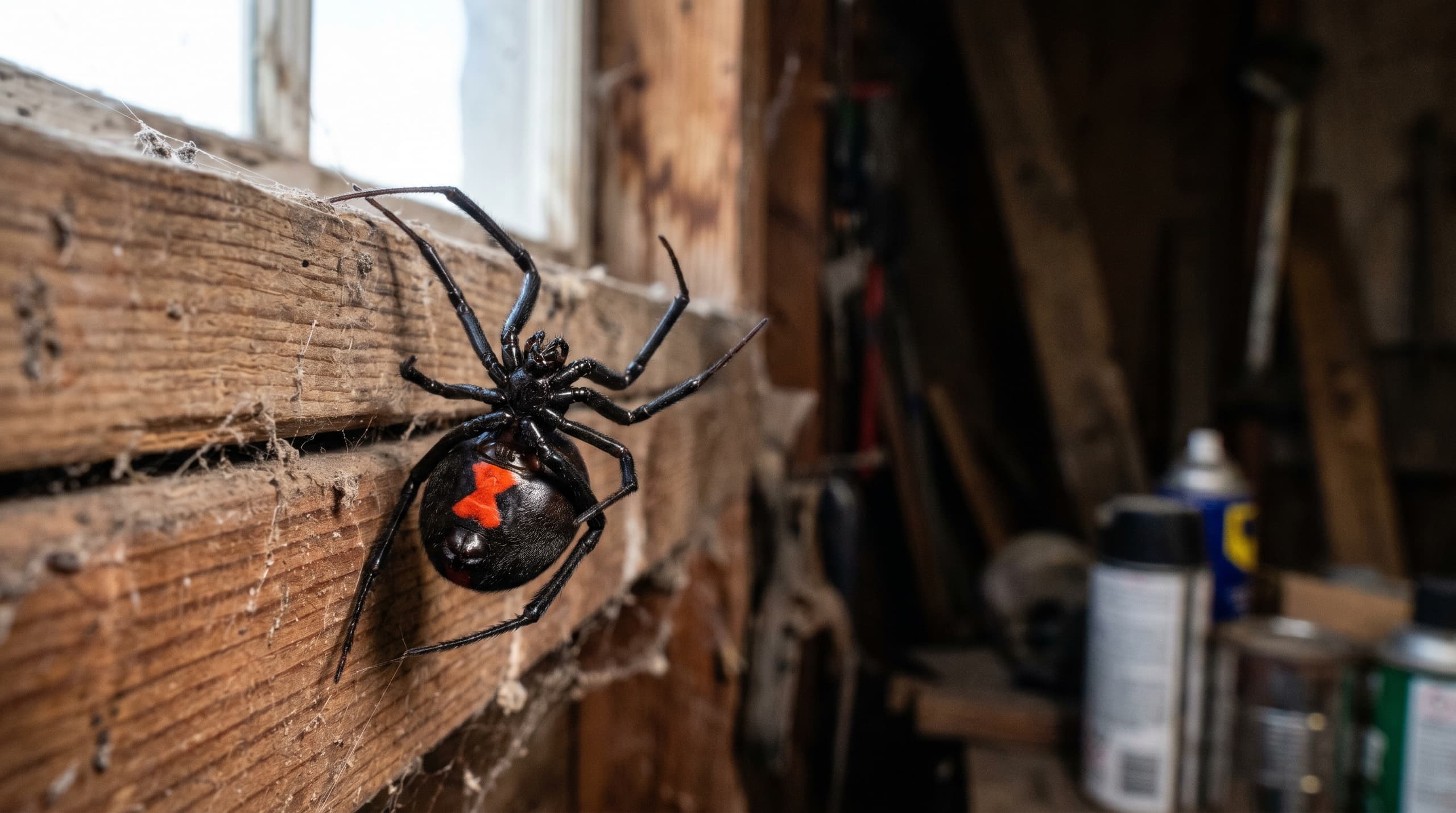
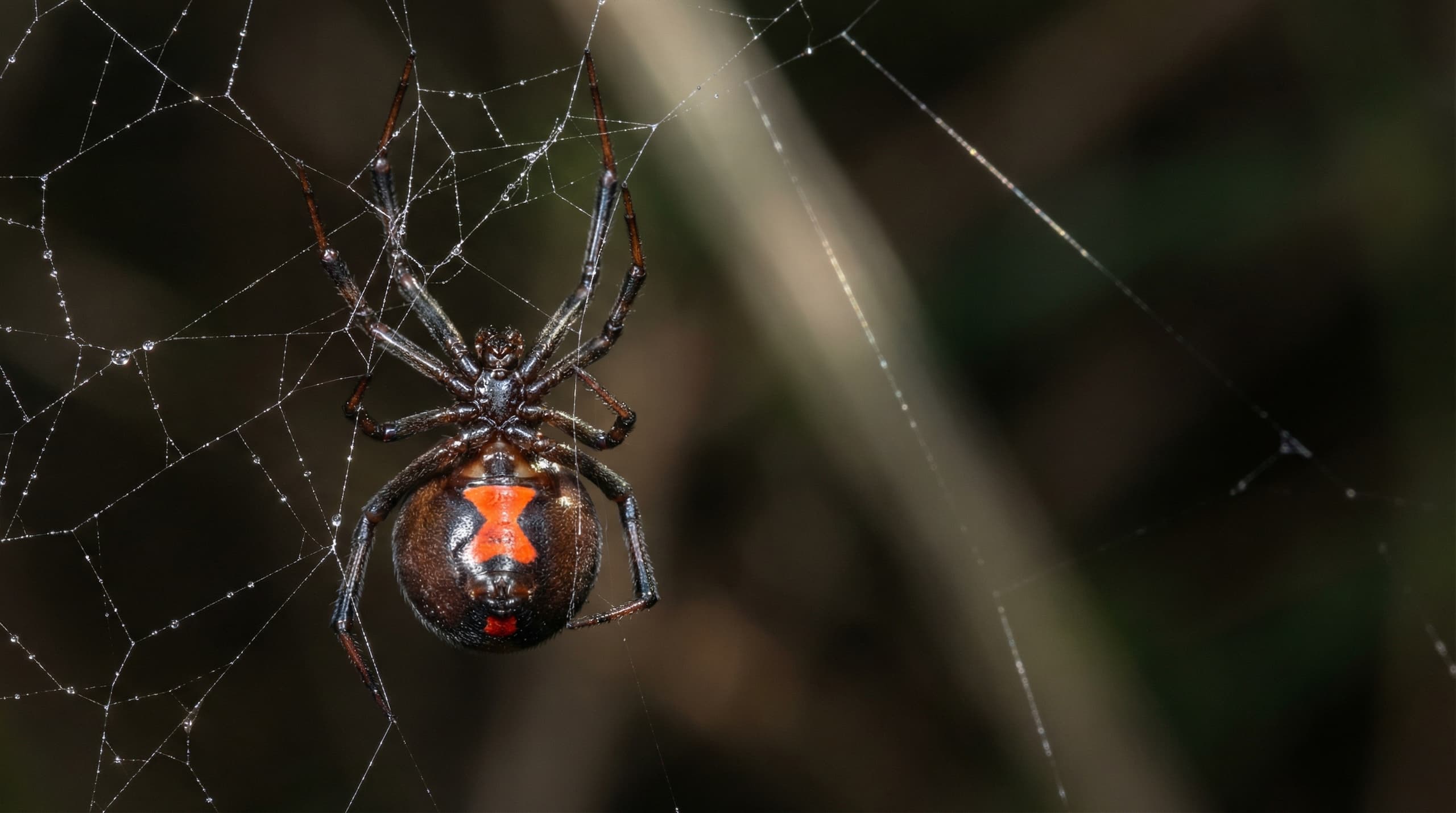
- Black widows are the only truly venomous spider in Idaho. They hide in dark, undisturbed spots: meter boxes, woodpiles, sheds, and under decks. They're not aggressive, but a bite needs medical attention. Properties with outbuildings tend to have more of those hiding spots.
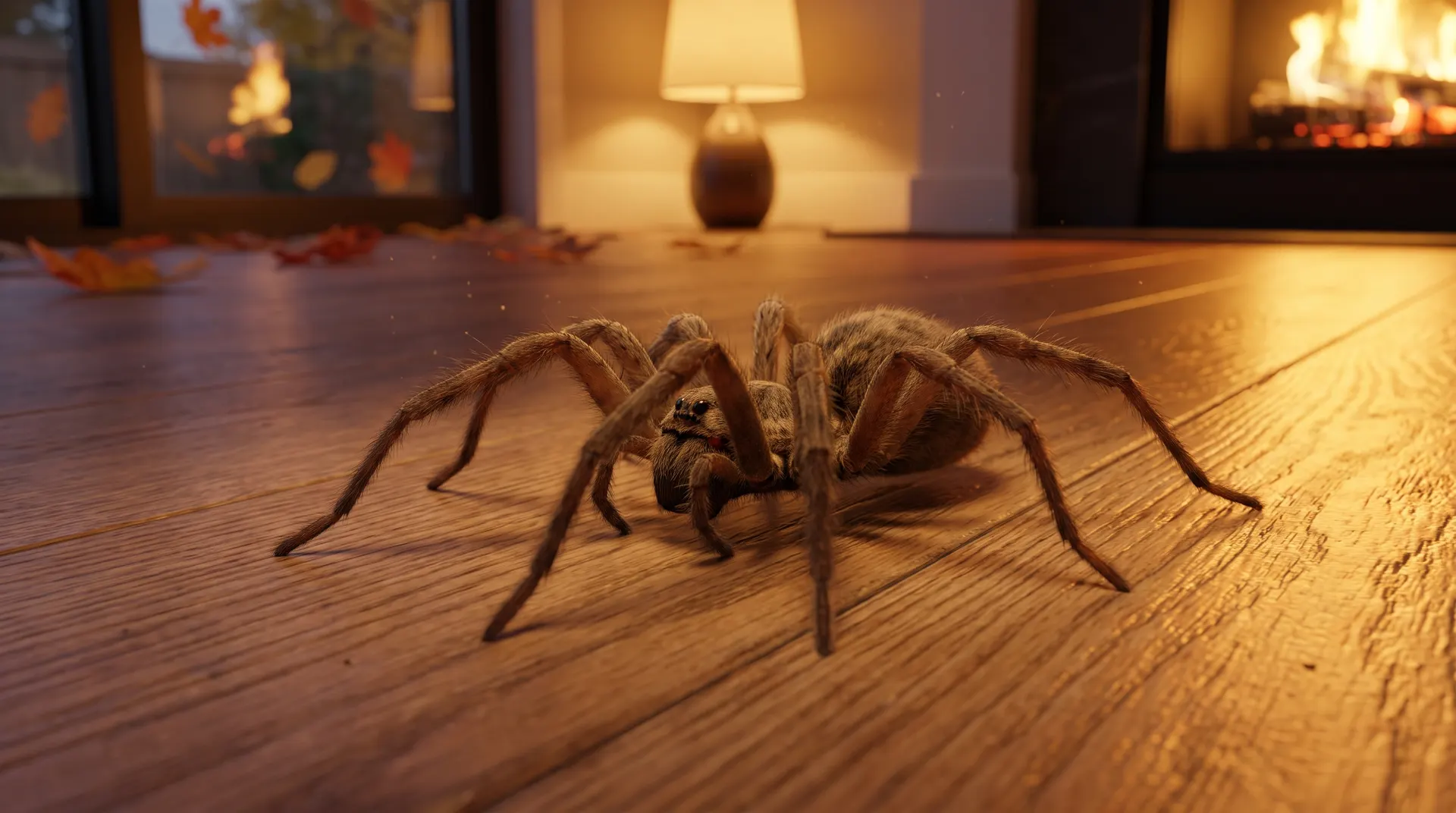
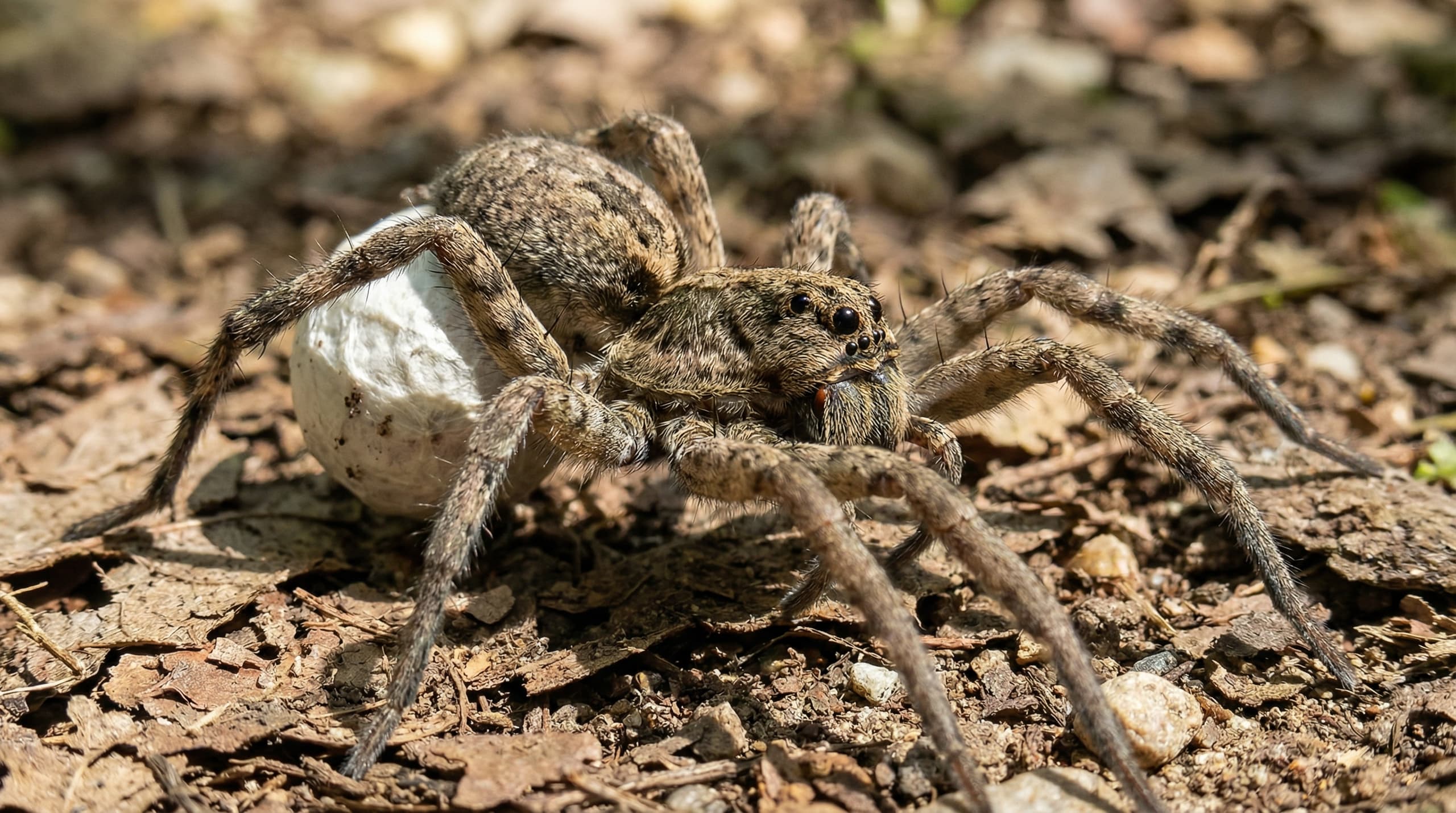
- Wolf spiders are big, fast, and alarming. They don't build webs. Instead, they chase prey across your garage floor or patio. Harmless to people, but most homeowners don't love finding a spider the size of a quarter running across the living room.
- Yellow sac spiders account for more spider bites in Idaho than any other species. They're small, pale yellow, and hide in ceiling corners and along window frames. Bites feel like a bee sting and clear up on their own.
The Hobo Spider Myth (What Most Boise Websites Get Wrong)
If you search for spider control in Boise, you'll find plenty of pest control websites warning about "dangerous hobo spider bites" and showing photos of necrotic wounds. That information is outdated.
Research from the University of Idaho and arachnologist Rick Vetter showed that hobo spider venom doesn't cause tissue death in humans. The CDC removed the hobo spider from its list of venomous spiders years ago. Most suspected "hobo spider bites" were likely caused by bacterial infections or other spider species entirely.
This matters for your spider control strategy. Hobo spiders are a nuisance, not a danger. You still want them out of your house, but you don't need to panic if you see one. Black widows are the species that actually warrants caution.
How to Keep Spiders Out of Your Boise Home This Spring
Spider control in Boise comes down to two things: making your home harder to enter and removing what attracts them in the first place. Start these steps in early April before populations ramp up.
- Seal foundation cracks and gaps. Walk your home's perimeter and look for cracks where concrete meets siding. Check around utility pipes, dryer vents, and hose bibs. Spiders squeeze through surprisingly small openings.
- Fix irrigation overspray. Sprinkler heads spraying your foundation or siding create a moisture zone that attracts gnats, ants, and earwigs. Spiders follow. Adjust heads to keep water at least 12 inches from your foundation walls.
- Swap outdoor lights to yellow bulbs. Standard white porch lights attract flying insects all night. Yellow or sodium vapor bulbs draw far fewer bugs, which means fewer spiders building webs near your doors.
- Clear debris from your foundation. Pull leaf litter, mulch, and firewood at least 12 inches away from the house. These are prime hiding spots for wolf spiders and black widows.
- De-web early and often. Knock down webs from eaves, soffits, window frames, and garage corners in early spring. This disrupts egg sacs before they hatch. One egg sac can release hundreds of spiderlings.
- Keep closets, under-bed storage, and garage shelving organized. Spiders love clutter. Store seasonal items in sealed plastic bins, not open cardboard boxes.
Why DIY Spider Control Usually Fails in Boise
Most homeowners try at least one DIY method before calling a professional. Some of them help a little. Most don't.
Peppermint oil and essential oil sprays are a popular DIY approach. The problem? They evaporate within hours. There's no residual protection once the scent fades, and spiders simply move to a different corner of the house. For a deeper look at what actually works, check out our spider-proofing guide.
Store-bought aerosol sprays kill spiders on contact, but that's it. They don't reach the ones hiding in wall voids, behind insulation, or inside egg sacs. You're treating symptoms while the population keeps growing behind your walls.
Ultrasonic plug-in repellers have zero scientific evidence supporting their effectiveness against spiders. Save your money.
Glue traps are actually useful as a monitoring tool. They'll show you which species are present and where activity is heaviest. But they won't reduce a population on their own. Think of them as a diagnostic tool, not a solution.
The core issue with DIY spider control is that it treats the spider but ignores the prey insects driving the problem. Professional barrier treatments target the entire food chain: ants, earwigs, flies, and the spiders that hunt them.
Exterior Prevention vs. Interior Treatment: Which Works Better?
Both have their place, but exterior prevention does the heavy lifting. When our technicians treat a Boise home for spiders, most of the work happens outside.
The exterior barrier spray goes 3 feet up and 3 feet out from your foundation. It creates a zone that kills spiders and insects on contact and keeps working for about 90 days. We also de-web eaves, soffits, and window frames during every visit. This removes active webs and egg sacs before they hatch.
Interior treatments are available on request. We treat baseboards, crack and crevice areas, closets, and garage perimeters. This is especially useful if you're seeing spiders inside regularly or if you've confirmed black widows on the property.
The combination of exterior prevention and interior spot-treatment is the most effective spider control approach for Boise homes. Exterior keeps new spiders from getting in. Interior handles the ones already there.
When Should You Call a Spider Control Pro in Boise?
A spider or two in the garage isn't unusual. That's normal Idaho life. But certain signs mean it's time for professional help.
- You've found a black widow anywhere on your property
- You're seeing spiders inside your home every week despite cleaning and sealing efforts
- You've spotted egg sacs in corners, window frames, or storage areas
- Webs keep coming back within days of knocking them down
- You have an unfinished basement you can't easily inspect or treat yourself
How Green Guard Handles Spider Control in Boise
Green Guard Pest Control has treated 2,500+ homes across the Treasure Valley for spiders and other common pests. Here's what the process looks like.
Your first visit starts at just $49 for any home size. Our technician inspects your property, identifies which spider species are present, and maps out entry points and problem areas. Then we apply a full exterior barrier spray using organic-based, hospital-grade products that are safe for kids and pets. Same products used in hospitals and daycares.
After the initial treatment, quarterly service keeps your barrier active year-round. That's $119 per treatment for homes up to 2,500 sq ft, $139 for 2,501 to 4,000 sq ft, and $159 for 4,001 to 5,500 sq ft. Every plan comes with a free re-service guarantee. If spiders (or any covered pest) come back between visits, we come back at no extra charge.
Quarterly spider control starts with the $49 first service, then from $119 a visit, with free re-service between visits. A one-time treatment runs $200 to $250 by home size.
Call us at (208) 297-7947 or get a quote online. Same-day service is often available. We serve Boise, Eagle, Meridian, Nampa, Caldwell, Star, Kuna, and the entire Treasure Valley.
Frequently Asked Questions
When is spider season in Boise, Idaho?
Quick answerSpiders become active in Boise once daytime temps consistently hit 50°F, usually mid-April.
Outdoor activity peaks from June through August. You'll see the most spiders indoors from August through October, when males wander looking for mates and cooler weather pushes them inside.
Are hobo spiders dangerous in Idaho?
Quick answerNo.
Despite old warnings, University of Idaho research confirmed hobo spider venom doesn't cause tissue damage in humans. The CDC removed them from its venomous spider list. Black widows are the only medically significant spider in the Boise area.
How much does spider control cost in Boise?
Quick answerGreen Guard's spider control starts with a $49 initial treatment, any home size.
Quarterly service runs $119 per visit for homes up to 2,500 sq ft. Every plan includes a free re-service guarantee if spiders return between scheduled visits.
What's the best way to keep spiders out of my house?
Quick answerSeal cracks in your foundation, fix irrigation overspray hitting your siding, swap white porch lights for yellow bulbs, clear debris from your foundation, and set up a professional exterior barrier spray.
Exterior prevention stops most spiders before they get inside.
Does peppermint oil actually repel spiders?
Quick answerNot effectively.
Peppermint oil evaporates within hours and provides zero residual protection. Spiders simply move to untreated areas. Professional barrier treatments last about 90 days and target spiders plus the prey insects that attract them.