Quick answer
A black widow bite in Idaho is rarely fatal, but it is a medical emergency. Symptoms peak between 12 and 24 hours after the bite and can include severe muscle cramps, abdominal pain, sweating, and high blood pressure. Most adults recover within 3 to 6 days with ER care. Call Poison Control at 1-800-222-1222 right away, and head to the nearest ER if symptoms spread beyond the bite site, especially for children, pregnant women, and adults over 60.
Key Takeaways
- Black widow bites in Idaho are almost never fatal with modern medical care, but every confirmed bite needs an ER evaluation.
- Symptoms get worse for the first 12 to 24 hours. Severe cramps, sweating, and high blood pressure usually start 2 to 12 hours after the bite.
- Children under 16, adults over 60, pregnant women, and pets are at higher risk for serious reactions. Do not wait for symptoms to escalate, head to the ER.
- Call Poison Control at 1-800-222-1222 immediately. Wash the bite, apply ice, and try to photograph the spider so the doctor can confirm the species.
- If you keep finding black widows around your Boise home, the $49 initial Green Guard treatment includes a full perimeter sweep of irrigation boxes, garages, and woodpiles. Call (208) 297-7947.
In this article

How Dangerous Is a Black Widow Bite in Idaho?
A black widow bite in Idaho is rarely fatal, but it is a medical emergency that needs an ER evaluation. Symptoms get worse over the first 12 to 24 hours and can include severe muscle cramps, abdominal pain, sweating, and high blood pressure. About 2,500 bites are reported to U.S. poison control centers every year, and most healthy adults recover fully within 3 to 6 days with treatment.
The Western black widow (Latrodectus hesperus) lives throughout Idaho and turns up on Boise, Meridian, Eagle, Nampa, and Caldwell properties from April through October, with peak activity in July and August. The venom is potent (volume for volume, it is roughly 15 times stronger than rattlesnake venom), but a widow only injects a tiny amount, and modern medical care is highly effective. For the broader hot-weather pest outlook, see our Idaho pest calendar, which covers when widow activity peaks alongside wasps and mosquitoes.
The most important thing to understand: do not wait it out at home. Symptoms can spread fast and they peak between 12 and 24 hours after the bite. Call Poison Control at 1-800-222-1222 right away, and head to the nearest ER if pain spreads beyond the bite site or if a child, pregnant woman, or older adult was bitten.
What Does a Black Widow Bite Look Like?
A fresh black widow bite usually looks like two small puncture marks close together, surrounded by a small ring of redness or pale skin. Most people feel a quick pinch or burning sensation when bitten, similar to a wasp sting. Within an hour, the area around the bite often swells slightly and may feel warm.
What you will not usually see is a big wound. Black widow bites do not produce open sores or skin necrosis the way some other spider bites can. The bite mark itself is often unimpressive, which is why many people don't realize what bit them until the cramping starts.
If you can do it safely, take a photo of the spider and the bite. ER doctors and Idaho Poison Control use photos to confirm the species, which helps them decide whether antivenom or muscle relaxants are needed.
Black Widow Bite Symptoms: Hour-by-Hour Timeline
Black widow venom is a neurotoxin, so symptoms unfold in waves rather than all at once. Here is what an Idaho bite typically looks like over the first 72 hours, based on data from Idaho Poison Control and StatPearls clinical references.
The First 0 to 2 Hours After the Bite
The bite itself often feels like a sharp pinch or burn. Within 15 to 60 minutes, the bite site develops mild swelling, redness, and sometimes goosebumps or local sweating around the puncture marks.
You may feel fine otherwise. Do not let that fool you. The neurotoxin is already moving through your system. This is the window where you should call Poison Control and start heading to the ER, especially for kids, pets, or older adults.
2 to 12 Hours: Cramps Spread Beyond the Bite
This is when most people realize something is seriously wrong. Severe muscle cramps start near the bite and spread to the abdomen, back, chest, and legs. The cramps are often described as feeling like a charley horse that won't let go.
Other common symptoms in this window:
- Stomach pain so intense it can mimic appendicitis
- Nausea and vomiting
- Headache and dizziness
- Heavy sweating, often only on one side of the body
- Elevated blood pressure and a faster heart rate
- Restlessness, anxiety, and trouble sleeping
12 to 72 Hours: Peak Severity, Then Slow Recovery
Symptoms usually peak between 12 and 24 hours after the bite. Pain, cramping, and elevated blood pressure are at their worst here. With ER care (typically pain control, muscle relaxants, anti-nausea medication, and rarely antivenom), most people start feeling noticeably better within 24 to 48 hours.
The full recovery curve runs about 3 to 6 days. Some people report fatigue, residual muscle soreness, weakness, and trouble sleeping for a week or two after. That is normal. If new symptoms appear during recovery (especially fever, chest pain, or worsening cramps), get re-evaluated.
What to Do at Home If You Get Bitten
If you are bitten by a black widow in Idaho, stay calm. Panic raises your heart rate and moves venom faster. While someone gets you to medical care, do this:
- Wash the bite with soap and warm water to reduce infection risk.
- Apply a cold pack wrapped in a thin cloth to the bite. Cold slows venom absorption and helps with pain. Do not put ice directly on the skin.
- Keep the bitten limb still and below heart level if you can. Movement spreads venom.
- Call Poison Control at 1-800-222-1222. They are free, available 24/7, and they will tell you whether to head to the ER or urgent care based on your symptoms.
- Photograph the spider if it is safe to do so. Do not try to capture a live one bare-handed. A clear photo helps the ER confirm the species.
- Remove tight clothing or jewelry near the bite area before swelling sets in.
When to Go Straight to the ER
Idaho Poison Control and emergency physicians agree on this: any confirmed black widow bite deserves an ER evaluation, even if you feel okay. Severe symptoms can show up hours after the bite, and waiting at home is the most common reason people end up needing antivenom or hospital admission.
Get to the nearest emergency department right away if you experience any of these warning signs:
- Trouble breathing or chest tightness (call 911)
- Severe muscle cramps in the abdomen, back, or chest
- Vomiting that won't stop or signs of dehydration
- Very high blood pressure or a racing heart rate
- Confusion, dizziness, or fainting
- Bite on a child under 16, an adult over 60, or a pregnant woman, regardless of how mild it looks
Who Is at Higher Risk from a Black Widow Bite?
Most healthy adults recover fully from a black widow bite. The people most likely to need hospitalization or antivenom are the ones whose bodies handle the neurotoxin less well.
- Children under 16: Smaller body size means a higher venom-to-weight ratio. Pediatric bites are taken seriously even when symptoms look mild.
- Adults over 60: Higher risk of cardiopulmonary complications from elevated blood pressure and muscle cramping.
- Pregnant women: Risk to both mother and pregnancy from severe pain, hypertension, and muscle cramps. Always evaluated in an ER.
- People with heart conditions or hypertension: The venom can spike blood pressure and stress the heart.
- Anyone immunocompromised: Including chemotherapy patients and organ transplant recipients.
Black Widow Bites in Dogs and Cats
Pets get bitten more often than people in Idaho because they sniff and paw at the same dark spots widows like (under decks, in woodpiles, around irrigation boxes). Cats are especially sensitive to black widow venom, and bites can be fatal in small dogs and cats without prompt veterinary care.
Watch for these symptoms in pets within 1 to 8 hours after a possible bite:
- Whining, restlessness, or hiding
- Limping or holding up a leg
- Muscle rigidity or tremors
- Drooling and vomiting
- Trouble breathing or rapid breathing
- Collapse or seizures
How to Avoid a Black Widow Bite at Your Idaho Home
Black widows are not aggressive. Almost every bite happens the same way: someone reaches into a dark spot without looking, presses against a hidden spider, and gets defensively bitten. Cut out that one habit and your risk drops a lot.
Specific precautions for Treasure Valley homes:
- Always wear gloves when handling firewood, opening irrigation valve boxes, or moving stored items in the garage.
- Use a stick or screwdriver to lift the lid of a green irrigation valve box before reaching in. These are the #1 black widow hotspot in Boise yards.
- Shake out shoes, gardening gloves, and folded clothing stored in garages, sheds, or outbuildings before putting them on.
- Stack firewood at least 20 feet from the house and elevate it off the ground.
- Trim landscaping back from the foundation so widows don't have a sheltered run from the yard to your home.
- Teach kids the "look, don't reach" rule around woodpiles, retaining walls, and outdoor utility boxes.
How to Spot a Black Widow
The Western black widow is the only Idaho spider with venom strong enough to put an adult in the ER. Knowing what she looks like and where she lives is the first step in avoiding a bite.
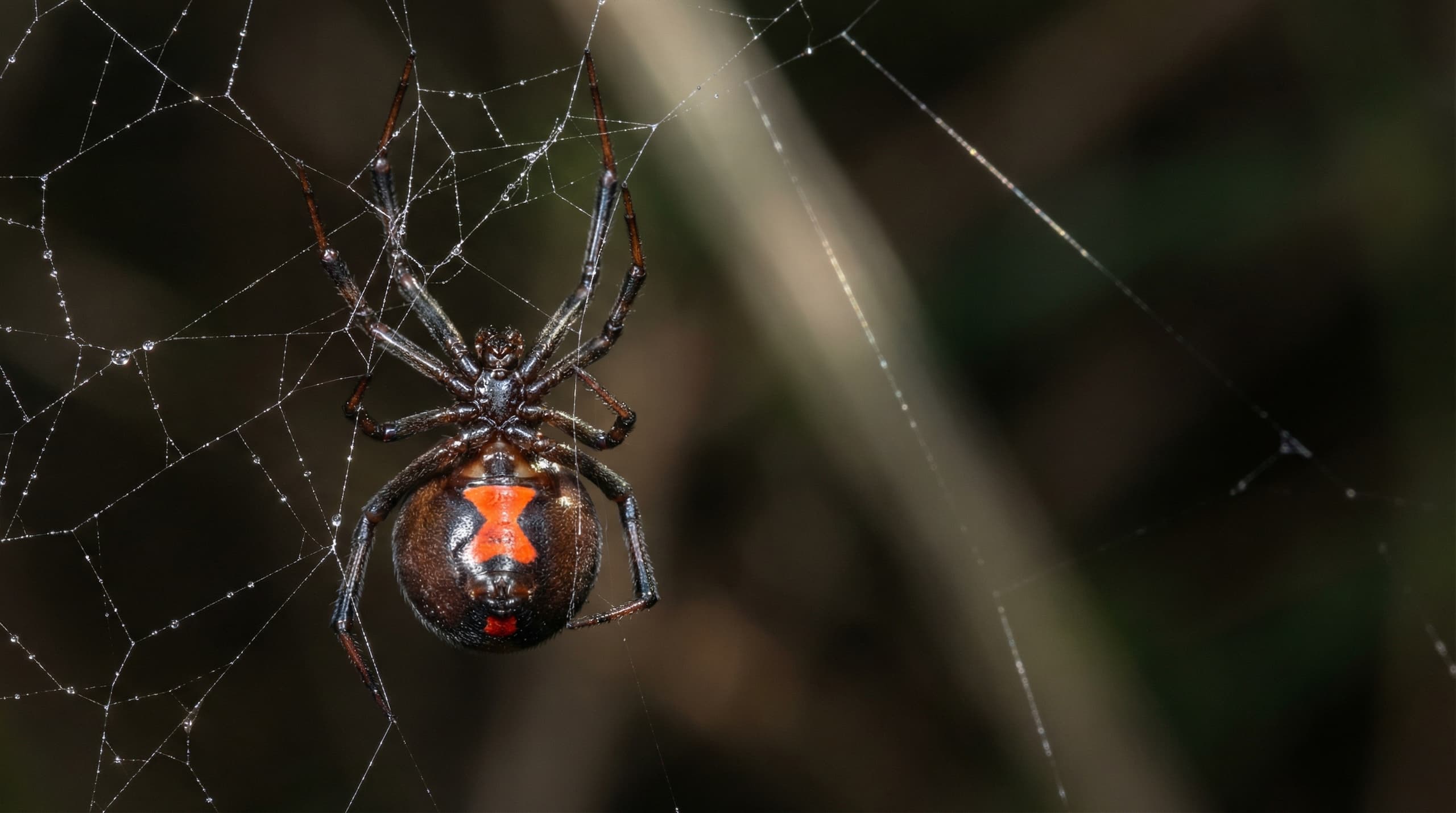
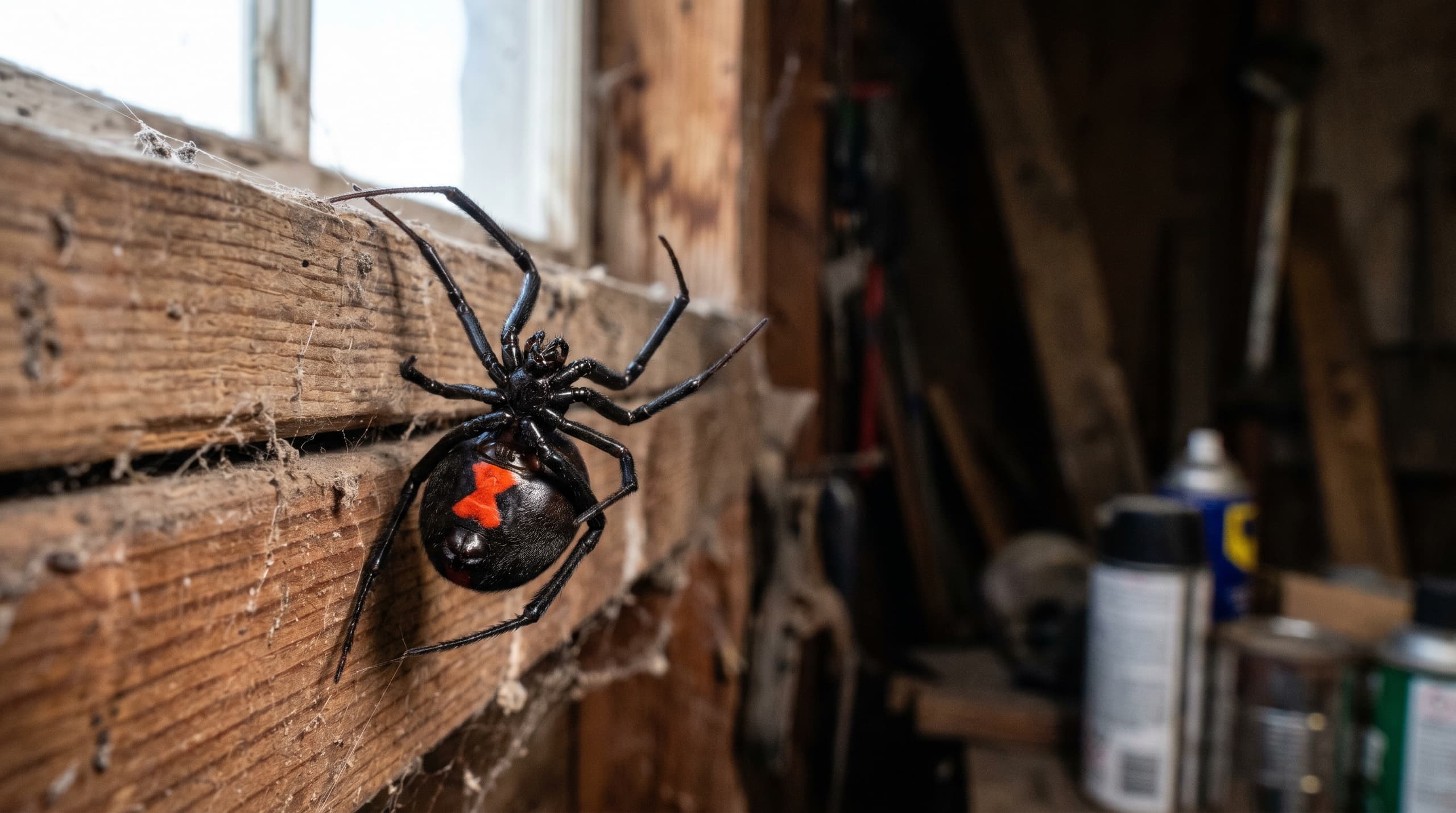
- Shiny, jet black abdomen. It looks almost wet, like a polished bead.
- Red hourglass on the belly. Sometimes it shows up as two separate red dots or triangles.
- Females about 1.5 inches with legs spread. Males are smaller, brown, and not the ones we worry about.
- Messy, strong web in a low corner. Black widow webs are tangled and tough enough that you can hear them snap.
- Often hanging upside down. If a shiny black spider is hanging belly-up in a web, treat it as a black widow.
Where Black Widows Hide in Treasure Valley Homes
Black widows want dark, dry, undisturbed spots close to ground level. In Boise, Meridian, Eagle, and Nampa, these are the spots to check first.
- Irrigation valve boxes. By far the number one black widow hideout in Idaho. Open a box in July and you may find three or four.
- Garage corners and the back of shelving, especially garages that have not been cleaned out since last fall.
- Stacked firewood and rock walls.
- Under outdoor furniture, behind utility meters, in window wells, and along the cold seam where the foundation meets the soil.
Where Black Widows Turn Up, City by City
Widows set up in different spots depending on the neighborhood. Here is where to look across the Treasure Valley.
- Boise. Older neighborhoods with concrete-heavy garages (the North End, the Bench, the East End) give widows plenty of cover. Woodpiles, irrigation valve boxes, and clutter along the base of a garage wall are where widows set up.
- Meridian. Detached garages and woodpiles. In newer developments like Lochsa Falls, Spurwing, and South Meridian, construction pushes displaced spiders into newly built homes, so widows that lived in irrigation equipment and old structures now look for shelter in garages and basements.
- Nampa. Garages and sheds. Older homes have more foundation cracks and gaps that let spiders inside.
- Caldwell. Detached garages, outbuildings, and irrigation valve boxes on the rural edges of town.
- Eagle. The open sagebrush along the foothills supports huge insect populations, which support huge spider populations. When the days shorten in late July and August, widows head for the nearest warm structure. Dry Creek, Avimor, and the north end of Floating Feather sit right against that open ground.
- Kuna and Star. Cinder-block outbuildings on rural properties.
Was It a Black Widow or Something Else?
Plenty of less dangerous Idaho spiders get blamed for black widow bites. The two species most often confused with widows in the Treasure Valley are hobo spiders and false widows. Bites from those look and feel different, and they don't cause the spreading muscle cramps that latrodectism (the medical term for a black widow bite) does.
If you want a side-by-side ID guide with photos and habitat differences, read our companion post on how to tell a black widow from a hobo spider. For ER decisions, though, identification is secondary. If symptoms are spreading from the bite, treat it as a black widow until a doctor says otherwise.
How Dangerous Are the Other Spiders People Find in Idaho Homes?
The black widow is the only medically dangerous spider in Idaho. Everything else with a scary reputation is harmless, much less dangerous than the rumors say, or not actually here. That does not mean you want them inside.
| Spider | How Dangerous | When to See a Doctor |
|---|---|---|
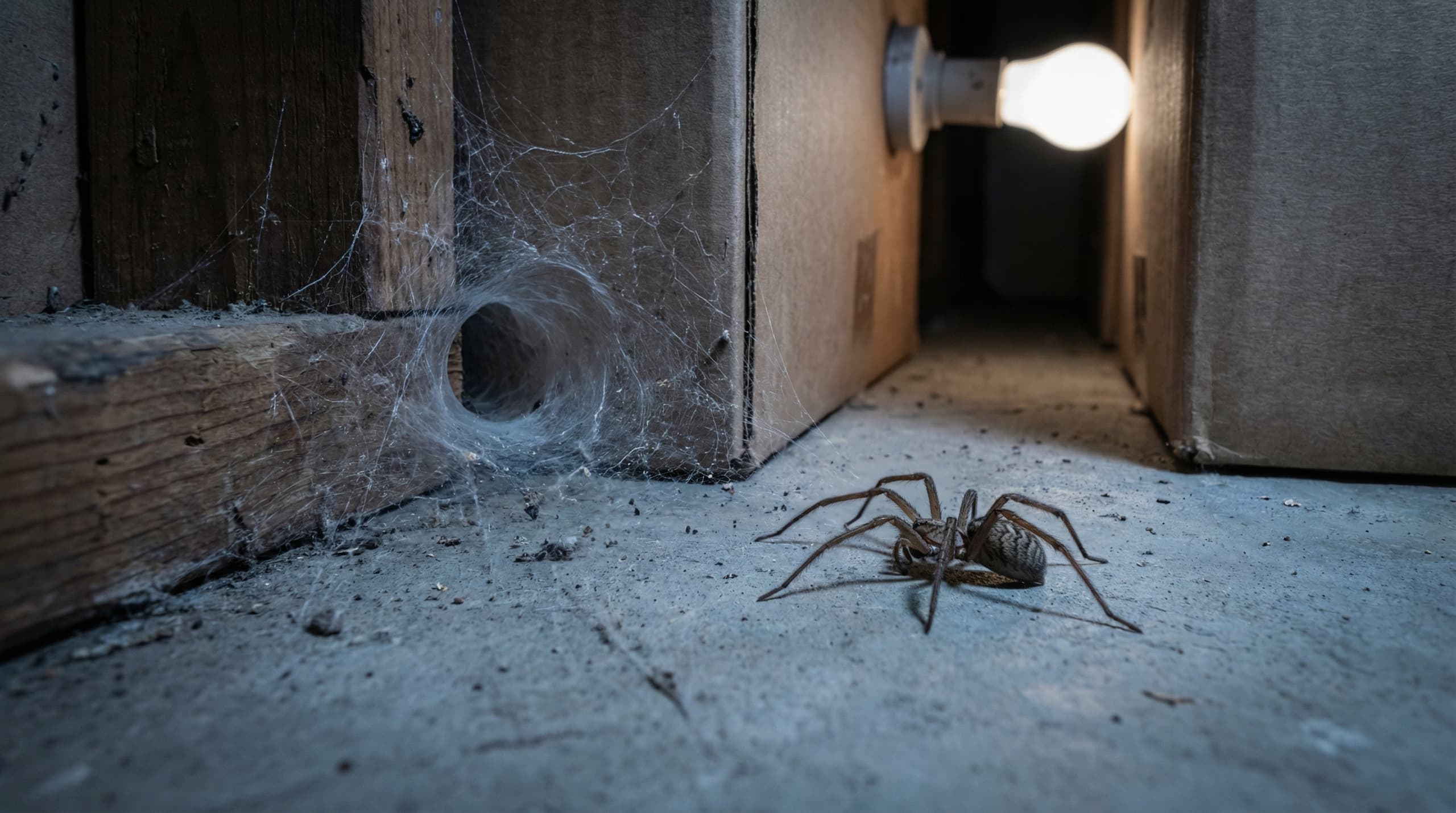
| Hobo spider | Low. The CDC removed it from the venomous list in 2017. | Only if a bite blisters, spreads, or you feel sick. |
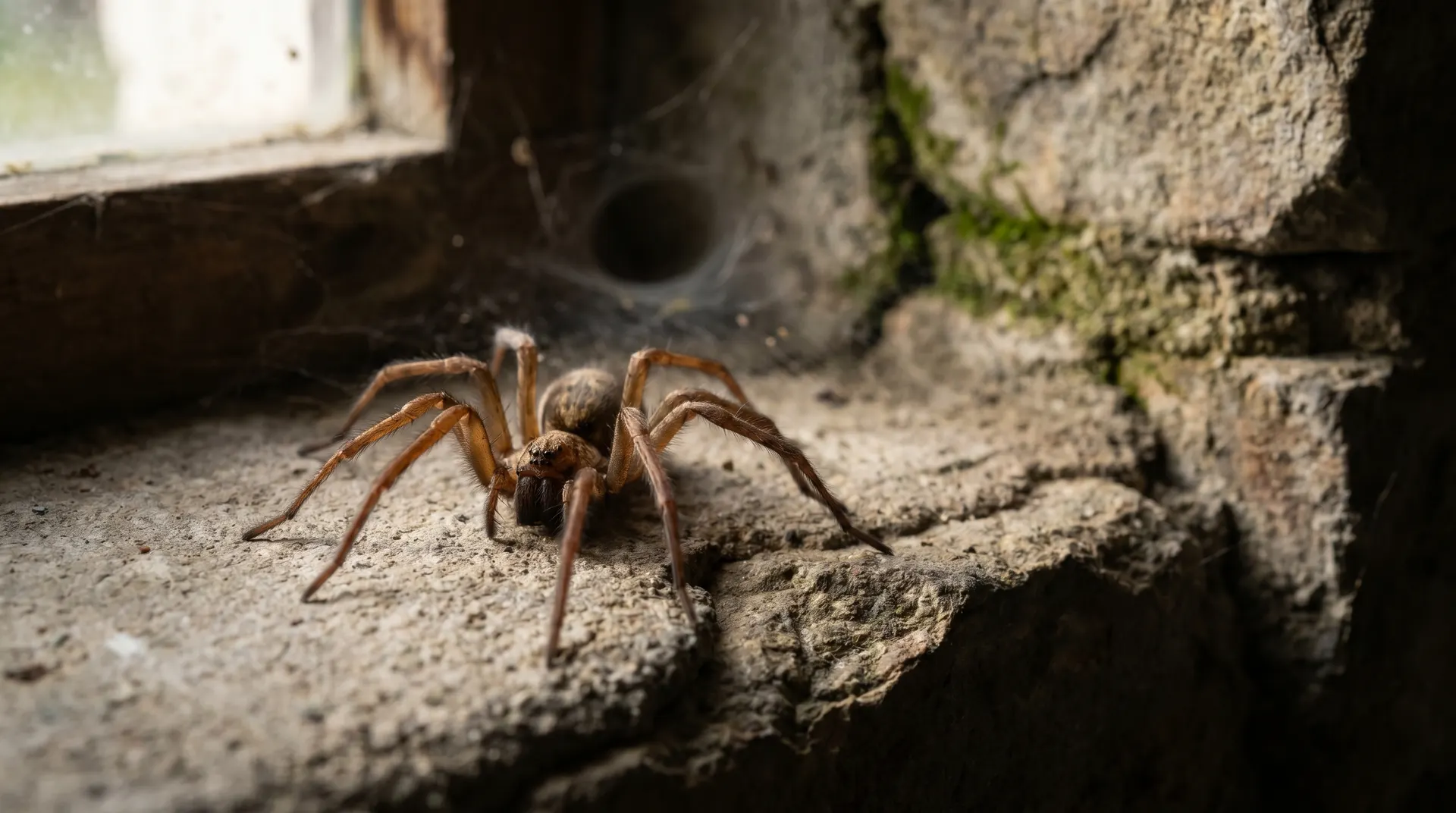
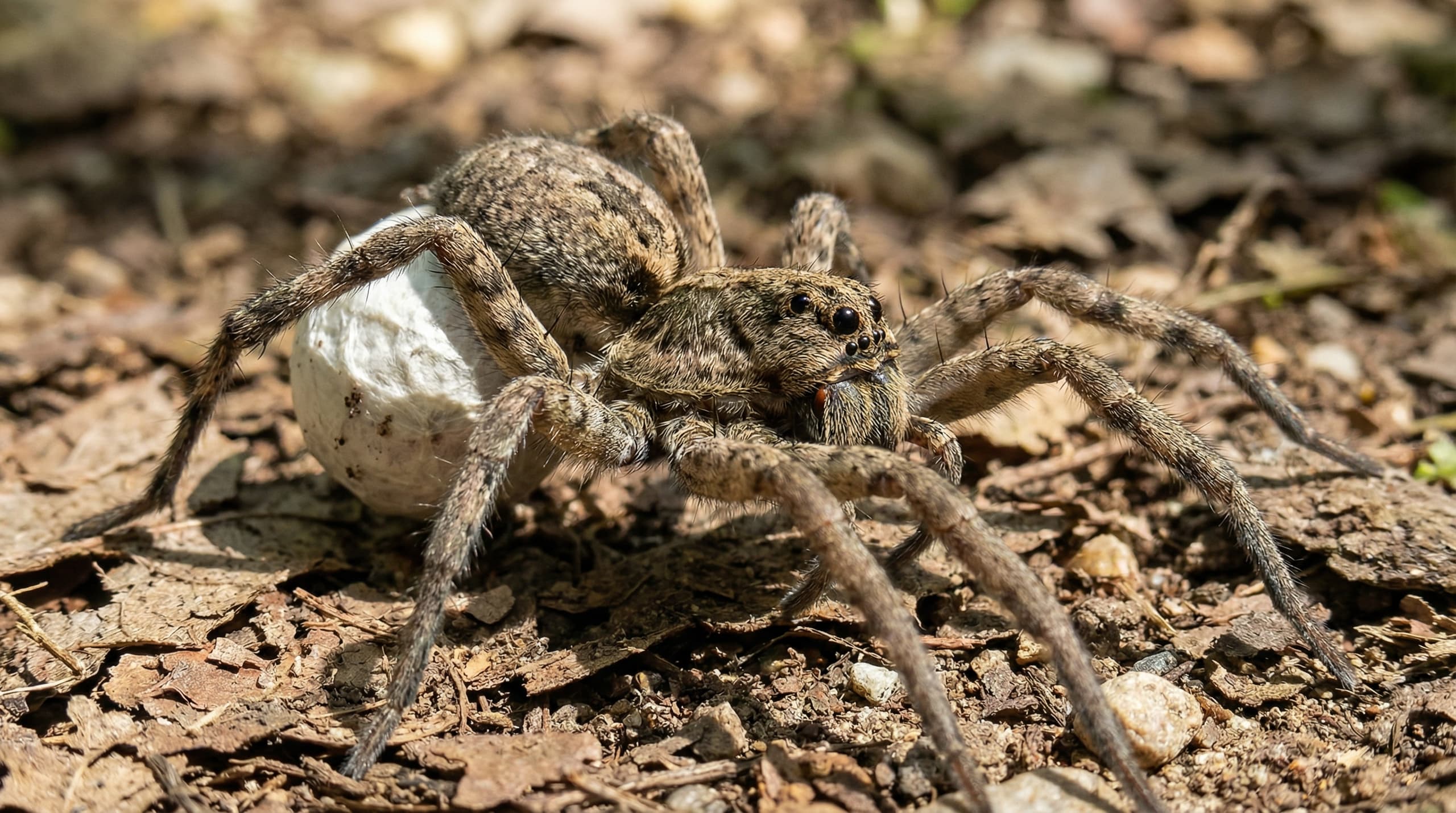
| Wolf spider | None. Big and hairy, harmless. The bite is bee-sting level. | Standard wound care unless it gets infected. |
| Yellow sac spider | Low. Painful bite, similar to a wasp sting. | If swelling spreads or the wound looks infected. |
| Cellar, jumping, and orb weaver spiders | None. Helpful, in fact. Cellar spiders eat other spiders, including the dangerous ones. | Not applicable. |
| Brown recluse | Not established in Idaho. See our complete brown recluse guide. | Not applicable here. |
For years hobo spiders took the blame for slow-healing necrotic bites that turned out to be misdiagnosed staph infections, MRSA, or other skin issues. Researchers could not reproduce those wounds in the lab, and in 2017 the CDC removed the hobo spider from its list of medically significant spiders. Bites are rare because the spider would rather run.
For a bite that is just a little red and itchy on a healthy adult, wash with soap and water, ice it, and watch it for 48 hours. See a doctor (not necessarily the ER) if a bite blisters, expands a red ring outward over 24 hours, drains pus, or comes with fever, body aches, or a flu-ish feeling. Lower the threshold for kids under 6, adults over 65, anyone pregnant, and anyone immunocompromised.
Cut Down Black Widow Habitat Around the Home
Decluttering and lighting changes remove the places and the food black widows look for.
- Declutter the corners. Stacked boxes, paint cans, and forgotten gear are ideal black widow lodging. A cleared corner is not.
- Switch outside bulbs to yellow "bug lights." They attract fewer insects, which means fewer spiders cruising the porch.
- Open your irrigation valve box lids in spring and again in midsummer, with a flashlight, and clear webs out before the spiders settle in.
- For the full rundown, read our guide to why spiders invade Boise homes every fall.
When It Is Time to Call a Professional
Treating a confirmed black widow bite is a medical job, not a pest control one. Get the bite seen first. Once the patient is stable, the next question is what to do about the spider population around the home, because finding one widow usually means there are more nearby.
If you are finding black widows around your Boise home, the $49 initial Green Guard treatment includes a full perimeter sweep of the spots widows actually live: irrigation valve boxes, woodpiles, garage corners, foundation cracks, eaves, and outdoor utility boxes. Our technicians use organic-based, hospital-grade products that are safe for kids and pets once dry.
Quarterly treatments (about 90 days of coverage each) are the most reliable way to keep populations down through Idaho's April-to-October widow season. We also kill the insects black widows feed on, which removes their reason to stick around. If they show back up between visits, we come back free.
Call us at (208) 297-7947 to talk through what you found around your home.
Frequently Asked Questions
Are black widows in Idaho deadly?
Quick answerBlack widow bites in Idaho are almost never deadly with modern medical care.
Fatalities are extremely rare and mostly limited to small children, frail elderly adults, or people who never sought treatment. About 2,500 bites are reported to U.S. poison control centers each year, and the vast majority of patients fully recover within 3 to 6 days after an ER visit.
What does a black widow bite look like?
Quick answerA black widow bite usually looks like two small puncture marks close together with a faint ring of redness around them.
The bite mark itself is often small and unimpressive, even when symptoms get severe. There is no open sore or skin necrosis. The cramping and sweating that follow within 1 to 3 hours are usually a clearer sign than the bite itself.
How long do black widow bite symptoms last?
Quick answerSymptoms usually last 3 to 6 days, with severity peaking between 12 and 24 hours after the bite.
Severe muscle cramps, sweating, and high blood pressure are most intense in the first 24 hours and ease up over the next 2 to 3 days. Mild residual fatigue, weakness, or muscle soreness can linger for a week or two.
What should I do if my child gets bitten by a black widow?
Quick answerTreat any suspected black widow bite on a child as an emergency.
Wash the bite, apply a cold pack, and head straight to the nearest ER. Call Poison Control at 1-800-222-1222 on the way. Children under 16 are at higher risk for severe reactions because of their smaller body size, and pediatric bites are evaluated and often admitted for monitoring.
When should I go to the ER for a spider bite?
Quick answerGo to the ER for any confirmed black widow bite, or any suspected bite with spreading muscle cramps, severe abdominal pain, vomiting, sweating, high blood pressure, trouble breathing, or chest pain.
Children under 16, adults over 60, and pregnant women should be evaluated even for mild-looking bites. Call 911 for any breathing or chest symptoms.
How do I tell a black widow from a hobo spider in Idaho?
Quick answerBlack widows are shiny jet black with a red hourglass on the underside of the abdomen, and they sit in messy webs in dark corners.
Hobo spiders are brown with a herringbone pattern on the back, and they build funnel webs at ground level. For a side-by-side guide with photos, see our post on how to tell a black widow from a hobo spider.
What spiders in Idaho are actually dangerous?
Quick answerJust one: the black widow.
As of 2026, the CDC no longer lists hobo spiders as medically significant, and the wolf spiders people mistake for "brown recluses" are harmless (Idaho has no native brown recluse population). Black widow bites can cause spreading muscle cramps, sweating, and severe abdominal pain, and they require ER care. None of these spiders belong in your house, though, and our quarterly perimeter treatment keeps them out.
Are hobo spiders still considered dangerous in 2026?
Quick answerNo.
In 2017 the CDC removed hobo spiders from its list of venomous spiders, and follow-up research has not been able to reproduce the necrotic bites the old rumor was built on. Most experts today rate a hobo bite as mild and short-lived. Bites are also rare because hobos would rather run than bite. See our hobo spider in Idaho guide for the science.
Are brown recluse spiders found in Idaho?
Quick answerNo.
Brown recluse spiders are native to the south-central and southeastern United States and do not have established populations in Idaho. The "brown recluse" people find in their Boise garage is almost always a wolf spider, a giant house spider, or a hobo spider. See our wolf spider guide for the look-alike most often blamed.
Is the big hairy brown spider in my Idaho house dangerous?
Quick answerAlmost certainly not.
Big hairy brown spiders in Idaho homes are usually wolf spiders, which are harmless. They look intimidating because they are large (up to two inches with legs spread) and move fast, but their bite is roughly equal to a bee sting. They are actually beneficial, hunting crickets, roaches, and other pests. But you don't want one in the house. Our perimeter treatment keeps them outside and cuts down the bugs they hunt.
When are dangerous spiders most active in Boise?
Quick answerBlack widows peak in July and August in the Treasure Valley.
Hobo spiders and wolf spiders are most visible from June through September, especially the males, who wander looking for mates. All three can stay active year-round in heated garages, basements, and crawl spaces.
How much does spider control cost in Boise?
Quick answerGreen Guard's spider service starts with a $49 first treatment for new quarterly customers.
Quarterly plans are $119 for homes up to 2,500 sq ft, $139 for 2,501 to 4,000 sq ft, and $159 for 4,001 to 5,500 sq ft. Every plan includes the free re-service guarantee. Call (208) 297-7947 to get started.
What kills a black widow instantly?
Quick answerDirect contact with a residual perimeter insecticide will kill a black widow on contact, but a slipper or a long-handled spray works too if the spider is exposed.
The bigger issue isn't killing the one you see, it's the egg sacs and the other widows you don't see in the same irrigation box, garage corner, or rock wall. A professional perimeter treatment hits the harborage and the food supply at once, which is what actually clears a property.
Why shouldn't you squish a wolf spider?
Quick answerTwo reasons.
First, mother wolf spiders carry their babies on their back, so squishing one can release dozens of spiderlings across your floor. Second, wolf spiders are beneficial. They hunt crickets, roaches, and the actual pests you don't want around. If you'd rather not have one in the house, scoop it into a cup and put it outside, and treat the bug problem that drew it in.
Where are black widows found in the Treasure Valley?
Quick answerThey are found in dark, dry, undisturbed spots close to the ground.
In Boise that means concrete-heavy garages in the North End, the Bench, and the East End, plus woodpiles and irrigation valve boxes. In Meridian they turn up in detached garages and woodpiles, and in newer developments like Lochsa Falls, Spurwing, and South Meridian they move into newly built homes. In Nampa and Caldwell, look in garages, sheds, outbuildings, and irrigation valve boxes. In Eagle, the foothill edge sees the heaviest pressure from late July through August.
How fast can Green Guard get out for a black widow sighting?
Quick answerWe usually get out within 24 to 48 hours, and same-day service is often available for urgent situations like black widow sightings.
If someone has been bitten, get medical care first, then call (208) 297-7947.