Quick answer
Earwig control in Boise starts in early spring, before populations peak in June through August. They're moisture-seeking pests drawn to irrigated yards, mulch beds, and outdoor lighting. They're not dangerous, but large numbers mean it's time for professional perimeter treatment. Green Guard's quarterly service keeps earwigs and 20+ other pests out starting with a $49 first service.
Key Takeaways
- Earwigs emerge in Boise in late March and peak June through August
- Boise's irrigated yards in a high-desert climate create ideal earwig habitat
- They're not dangerous and don't crawl into ears (that's a myth)
- Reduce moisture, swap mulch for gravel near foundations, and seal entry points
- Green Guard's $49 initial treatment includes earwig control with a free re-service guarantee
In this article

When Is Earwig Season in Boise?
Earwig season in Boise runs from late March through September, with peak activity in June and July. European earwigs, the species responsible for nearly every earwig complaint in the Treasure Valley, overwinter 6 to 8 inches below the soil surface. Once ground temperatures hit about 50°F in spring, they climb out and start looking for food, moisture, and mates. In a warm spring, emergence can start early across the Valley.
Here's what the typical earwig calendar looks like across the Valley:
- March through April: Adults emerge from overwintering nests. Females tend eggs laid in late winter. You might spot a few near foundation walls on warm evenings.
- May: Young nymphs are active and feeding. Populations start building fast, especially in yards with heavy irrigation.
- June through July: Peak season. This is when homeowners find earwigs clustering under pots, inside garages, and around porch lights.
- August through September: Still active but numbers taper off as nights cool. Females begin burrowing to lay overwintering eggs.
- October onward: Activity drops sharply. Adults that have not found shelter die off. Surviving females nest underground for winter.
What Do Earwigs Look Like?
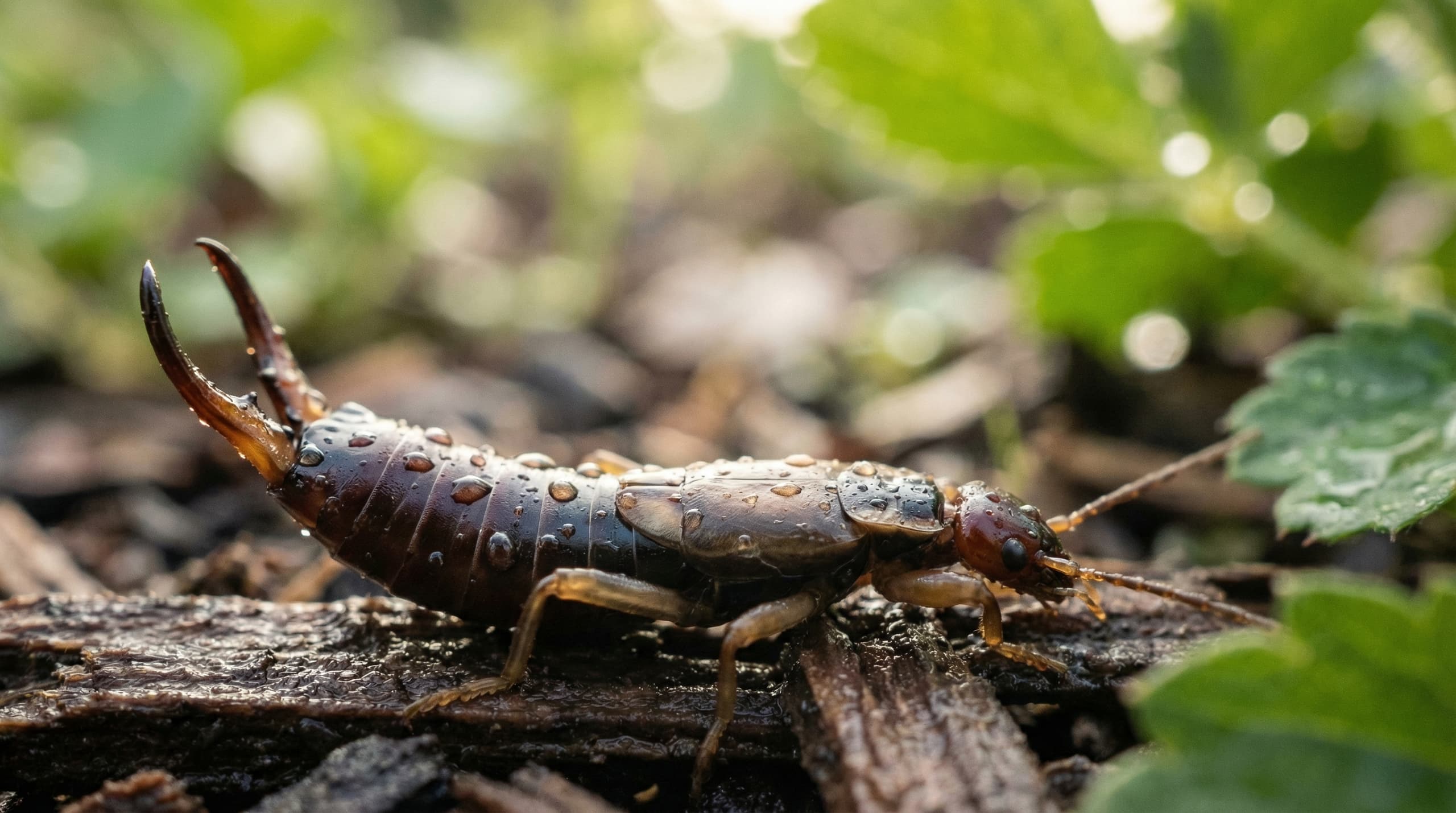
The European earwig (Forficula auricularia) is the species you'll find in almost every Boise yard. They are easy to identify once you know what to look for.
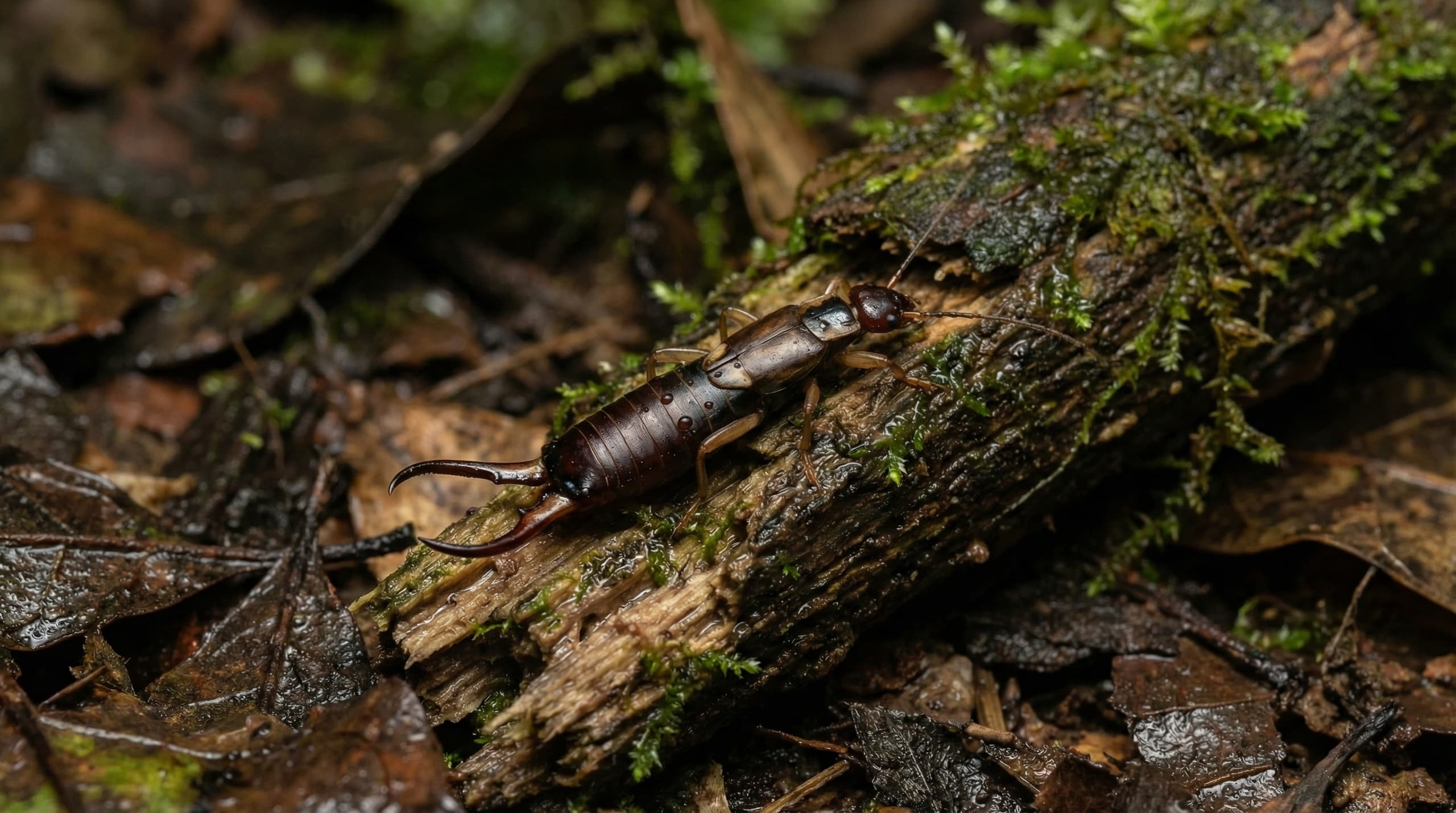
Adults are about 5/8 to 1 inch long with dark brown, flattened bodies. The giveaway is the pair of curved pincers (called cerci) on the rear end. Males have wider, more curved pincers. Females have straighter ones. Both look intimidating but are too weak to break skin.
Earwigs have short, leathery wing covers and folded wings underneath, but they almost never fly. They move fast on the ground and are strictly nocturnal. During the day they hide in any dark, damp spot they can find: under rocks, mulch, flower pots, landscape timbers, or stacked firewood.
The less common ring-legged earwig also lives in Idaho. It is slightly smaller and has yellowish bands on its legs. Same behavior, same control methods.
Why Are Earwigs So Common in the Treasure Valley?
Boise sits in a high-desert climate with hot, dry summers. Earwigs need moisture to survive. So why are they everywhere? Because Treasure Valley homeowners irrigate heavily. Lawns, garden beds, and flower borders get watered all summer long. That turns every irrigated yard into an earwig oasis surrounded by dry sagebrush and desert.
Add in Boise's rapid residential growth, and the problem gets worse. New subdivisions in Star, south Meridian, and southeast Boise displace earwig colonies from undeveloped land. Those displaced bugs head straight for the nearest irrigated property.
A few other factors make things worse locally:
- Canal systems: The network of irrigation canals running through Boise, Eagle, and Meridian creates constant moisture corridors that earwigs follow right into neighborhoods.
- Outdoor lighting: Earwigs are attracted to light. Porch lights, garage lights, and landscape lighting draw them toward entry points every evening.
- Landscaping trends: Wood mulch beds, rock gardens with drip irrigation, and dense ground cover against foundations all provide perfect earwig habitat.
Why Do I Have Earwigs in My House?
Earwigs found inside your home are almost always accidental invaders. They don't breed indoors or build colonies inside. They wander in and typically die within a day or two unless they find a damp spot like a bathroom or laundry room.
The most common reasons earwigs end up inside Boise homes:
- Gaps under doors: The single biggest entry point. If you can see daylight under your exterior door, earwigs can squeeze through.
- Foundation cracks: Settlement cracks in concrete foundations, especially in older Boise neighborhoods like the North End and Bench areas.
- Following moisture: During Boise's driest weeks in July and August, earwigs move toward any moisture source. Your air-conditioned home is more humid than the 95°F air outside.
- Hitchhiking: They ride in on newspapers, cardboard boxes, grocery bags, potted plants, and firewood. Check items before bringing them inside.
- Outdoor lights left on: Porch lights attract earwigs to your doorstep. When the door opens, they walk right in.
Are Earwigs Dangerous?
No. Earwigs aren't dangerous to people or pets. They don't bite, carry no venom, and there's zero evidence they spread disease. The pincers on their rear end can deliver a mild pinch if you grab one, but they rarely break skin.
The old myth about earwigs crawling into ears and burrowing into brains? Completely false. The name "earwig" comes from Old English ("earwicga" or "ear creature"), probably inspired by the wing shape or ancient superstition. Earwigs have no interest in human ears.
The one area where earwigs can cause real trouble is your garden. They feed on seedlings, soft fruit, flower petals, and corn silks. If you're growing marigolds, dahlias, strawberries, or sweet corn in your Boise garden, earwigs may chew irregular holes in leaves and flowers overnight. That said, earwigs also eat aphids and other small pests, so they're not entirely bad for gardens.
Earwigs vs. Silverfish: Which One Do You Have?
Earwigs and silverfish are common nuisance pests in Treasure Valley homes, and both come down to moisture. Earwigs live outdoors in irrigated yards and wander in. Silverfish live indoors, in the damp pockets of the house. This section covers the silverfish side so you can tell them apart. For the full story, see our silverfish control guide for Boise.
- Appearance: Earwigs are brown with pincers. Silverfish are silver and carrot-shaped.
- Habitat: Earwigs live outdoors and enter homes. Silverfish live indoors.
- Moisture: Earwigs want damp outdoor areas. Silverfish need high indoor humidity.
- Damage: Earwigs cause minor garden damage. Silverfish go after paper, fabrics, and dry foods.
- Season: Earwigs peak in spring and summer. Silverfish are active indoors year-round.
What Do Silverfish Look Like?
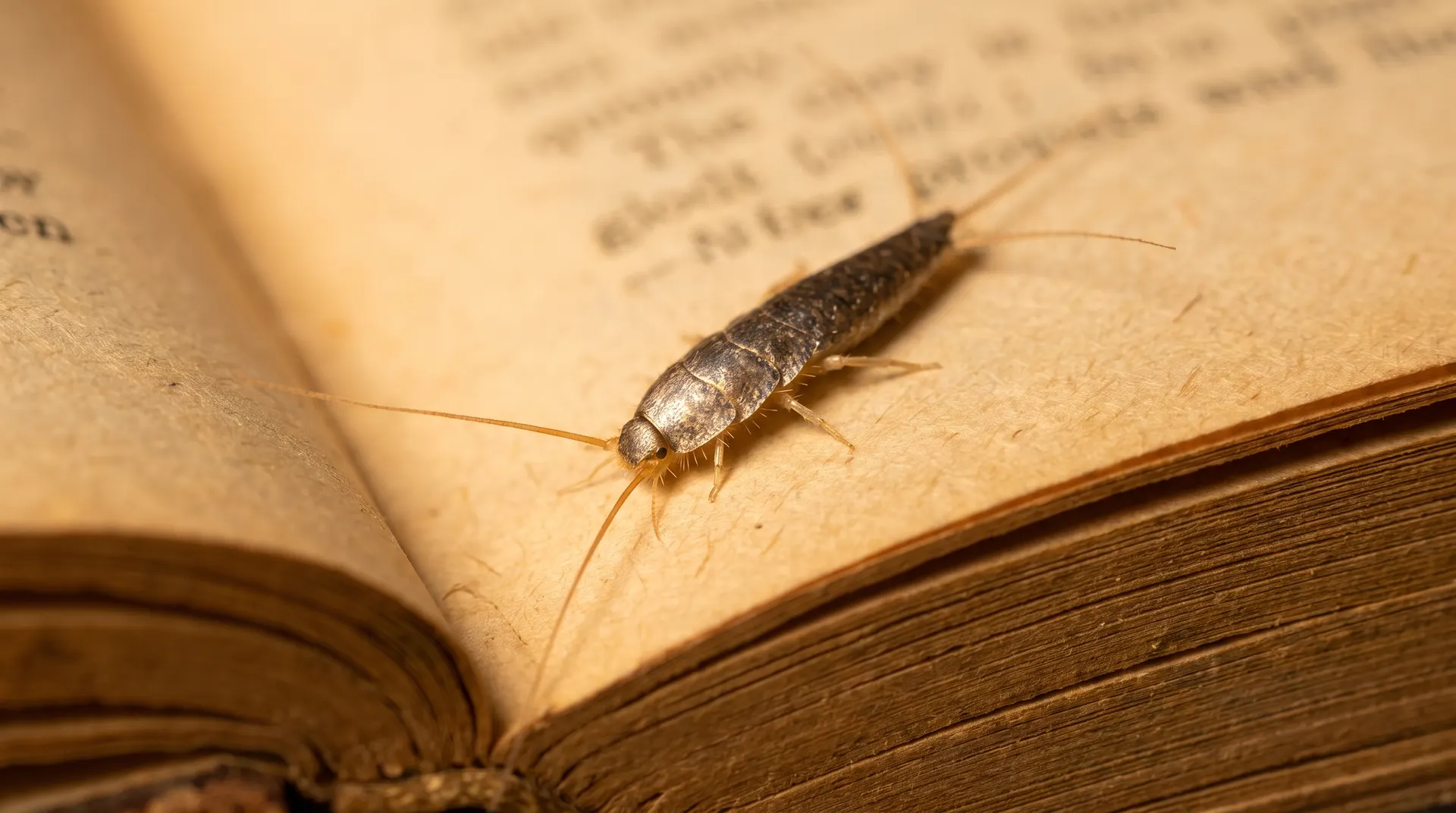
Silverfish (Lepisma saccharina) are about 1/2 to 3/4 inch long, silver to gray with a metallic sheen, and carrot or teardrop shaped, tapering toward the rear. Three long tail-like appendages trail behind them and the antennae are long and thread-like. They move with a quick, fish-like wriggle, and tiny scales give them their shine.
Where Silverfish Live in Boise Homes
Idaho's dry summers should keep silverfish out, but they survive because your home creates the humid pockets they need: a bathroom after a long shower, a basement where the dehumidifier failed, a laundry room where the dryer vent leaks. In our experience, a silverfish problem is almost always a moisture problem hiding in plain sight. Silverfish problems run year-round and spike in winter, when furnaces dry out the rest of the house but bathrooms stay damp.
- High humidity needs: Silverfish require 75 to 95 percent relative humidity. Outdoor air in the Treasure Valley in July often drops below 20 percent, so they cannot survive outside here.
- Indoor pests: They live primarily indoors year-round, unlike earwigs.
- Nocturnal: Rarely seen during the day. Most homeowners spot them late at night on bathroom tile.
- Starch feeders: They eat paper, glue, fabric, cereal, wallpaper paste, and even dried bookbinding adhesive.
- Common locations in Boise: Older finished basements in the North End and East End, ground-floor bathrooms, laundry rooms, and storage closets in homes with swamp coolers.
What Silverfish Can Damage
Silverfish are not dangerous, but they can damage a few things around the house:
- Books and papers: They feed on paper and book bindings.
- Photos: They can damage photographic materials.
- Clothing: They may damage starched fabrics, cotton, and silk.
- Wallpaper: They feed on paste and paper.
- Dry foods: They can contaminate cereals, flour, and pet food.
Silverfish Prevention: Fix the Moisture
Silverfish respond to moisture control the same way earwigs do:
- Reduce indoor humidity with dehumidifiers and better ventilation
- Fix bathroom and kitchen leaks
- Ventilate attics, crawl spaces, and basements
- Store books and papers in dry areas
- Use airtight containers for dry foods
- Reduce clutter in storage areas
How to Prevent Earwigs Around Your Boise Home
Earwig prevention comes down to three things: reduce moisture near your foundation, eliminate hiding spots, and seal entry points. Here's what works best for Treasure Valley homes specifically.
- Create a dry perimeter: Replace wood mulch with gravel or crushed rock in a 2-foot band around your foundation. This removes both moisture and hiding spots right where earwigs enter.
- Water early in the day: Run sprinklers in the morning so soil dries by evening. Earwigs come out at dusk. Wet soil at night is an open invitation.
- Fix drainage issues: Make sure downspouts extend at least 3 feet from the foundation. Grade soil away from the house. Standing water near the foundation feeds earwig populations.
- Pull landscaping back: Keep shrubs, ground cover, and dense plants at least 12 inches from exterior walls. Trim back vines and branches touching the house.
- Seal gaps and cracks: Caulk around windows, doors, pipes, and where siding meets the foundation. Install or replace door sweeps on all exterior doors.
- Manage outdoor lighting: Use yellow or amber bulbs. Move lights away from doors when possible. Consider motion-activated fixtures instead of always-on lights.
- Clean up debris: Remove leaf litter, stacked boards, firewood piles, and old newspapers from near the house. Each one is a daytime earwig shelter.
DIY Earwig Traps That Actually Work
If you want to knock down earwig numbers in your garden before calling a pro, these simple traps are surprisingly effective.
Oil pit traps: Take a shallow can (tuna or cat food size) and fill it halfway with vegetable oil. Add a few drops of soy sauce for scent. Bury the can so the rim sits at soil level near problem areas. Earwigs crawl in for the oil and cannot climb out. Check and empty every morning.
Rolled newspaper traps: Dampen a section of newspaper, roll it loosely, and set it near garden beds at dusk. Earwigs will crawl in overnight to hide. In the morning, shake the newspaper into a bucket of soapy water.
Short garden hose sections: Cut a garden hose into 12-inch pieces and lay them among plants. Earwigs use them as daytime shelters. Shake them out into soapy water each morning.
These traps won't eliminate a large population on their own. But they're a good way to gauge how many earwigs you're dealing with and reduce pressure on specific garden areas.
When to Call a Pro for Earwig Control in Boise
A few earwigs in the garden are normal. Finding them inside your house every night, seeing dozens clustered under pots and landscape fabric, or watching your seedlings get demolished overnight means it's time for professional treatment.
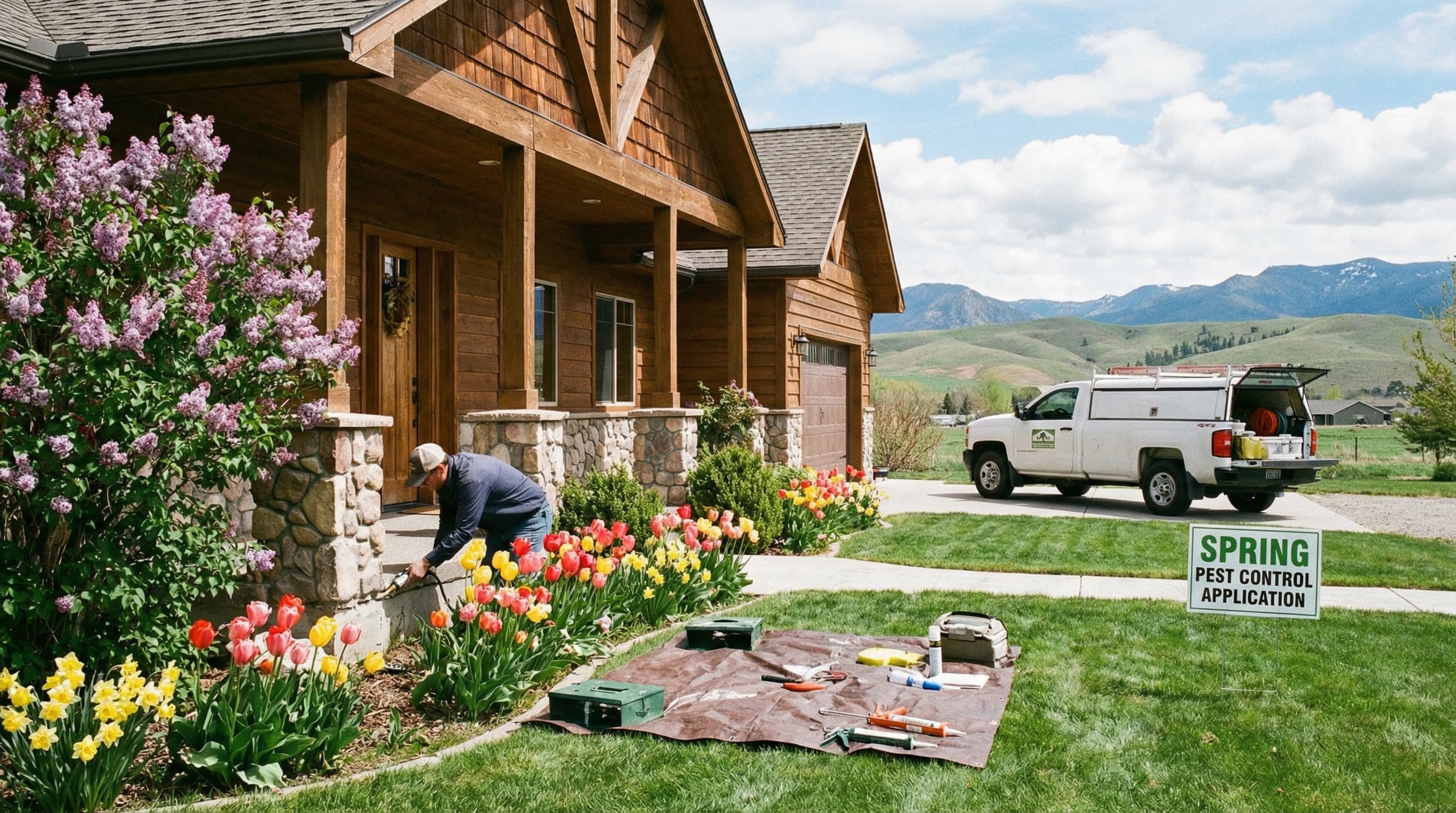
In the Treasure Valley, earwigs are most active from May through August. Green Guard's quarterly pest control service includes a full exterior perimeter barrier that targets earwigs along with 20+ other common Boise pests. Our organic-based, hospital-grade products are safe for kids and pets. They last about 90 days per application, which lines up perfectly with earwig season.
Here's what the first visit looks like:
- Full property inspection to identify entry points and harborage areas
- Exterior barrier spray, 3 feet up and 3 feet out from the foundation
- Targeted treatment of earwig hotspots (mulch beds, landscape timbers, under decks)
- Copper mesh in obvious gaps we see, with bigger sealing left to you or a handyman
- Interior treatment on request if earwigs are showing up inside
How Much Does Earwig Control Cost in Boise?
Professional earwig control in Boise costs less than most people expect, especially with a quarterly plan.
Green Guard's $49 initial treatment covers your first visit. After that, quarterly service runs $119 per treatment for homes up to 2,500 sq ft, $139 for 2,501 to 4,000 sq ft, and $159 for 4,001 to 5,500 sq ft. Larger homes get a custom quote.
A full first year of quarterly prevention costs $406: the $49 initial plus three treatments at $119. Compare that to a single one-time emergency treatment at $200 or more. Prevention is the better deal, and it covers every pest, not just earwigs.
Every plan includes a free re-service guarantee. If earwigs show back up between scheduled visits, call (208) 297-7947 and we'll come back at no charge.
Ready to Get Earwigs Under Control?
Spring is the best time to start earwig control in Boise. Populations are still building and a perimeter treatment now prevents the June and July explosion.
Green Guard Pest Control serves the entire Treasure Valley, from Boise and Eagle to Meridian, Nampa, and Caldwell. Our organic-based products are safe for your family and pets. Same-day service is often available.
Call us at (208) 297-7947 or get a quote online. Just $49 to get started. If pests come back, we come back free.
Frequently Asked Questions
Are earwigs dangerous to humans or pets?
Quick answerEarwigs aren't dangerous.
They carry no venom and don't spread disease. Their pincers can deliver a mild pinch if handled, but they rarely break skin. They pose no threat to dogs, cats, or children.
Why do I have earwigs in my Boise house?
Quick answerEarwigs enter Boise homes accidentally while seeking moisture during hot, dry weather.
They squeeze through gaps under doors, cracks in foundations, and openings around pipes. Outdoor lighting near doorways attracts them. They don't breed or nest indoors.
When is earwig season in Idaho?
Quick answerEarwigs emerge in late March when soil warms up and stay active through September.
Peak activity is June and July. Populations are heaviest in irrigated yards with mulch beds and dense landscaping.
How much does earwig control cost in Boise?
Quick answerGreen Guard's earwig control starts with a $49 initial treatment.
Quarterly service is $119 per visit for homes up to 2,500 sq ft. Every plan includes a free re-service guarantee if pests return between visits.
Do earwigs really crawl into your ears?
Quick answerNo.
This is a myth. The name comes from Old English, not from any real behavior. Earwigs have no interest in human ears and can't burrow into anything. They're outdoor pests that prefer damp soil and mulch.
Are silverfish harmful to people or pets?
Quick answerNo.
Silverfish do not bite, sting, or spread disease to people or pets. They can damage paper, books, photos, and starched fabrics over months or years, and they may contaminate cereals and pet food. They are unwanted pests, but they are not dangerous.
How do I get rid of silverfish in my Idaho home permanently?
Quick answerDrop the humidity below 50% in any room where you have seen silverfish.
That usually means a dehumidifier in basements, a working bathroom exhaust fan run for 20 minutes after every shower, and a check of your dryer vent for leaks. Combine that with a perimeter and crack-and-crevice treatment from a pest pro and the population comes down.