Quick answer
Spring (March-May) is the most critical pest prevention period in Idaho. As soil temperatures rise above 50°F, ants emerge from dormancy, wasp queens start new colonies, and spiders become active. Early treatment before populations explode is the most effective and economical approach. Start quarterly pest control in March for year-round protection.
Key Takeaways
- Spring is the best time to start pest control. Treating before populations explode saves money long-term
- Ants become active when soil reaches 50°F, usually mid-March in the Treasure Valley
- Wasp queens emerge in April/May to start new colonies, so early elimination prevents summer problems
- Seal foundation cracks exposed by winter freeze-thaw cycles before pests find them
- Quarterly professional treatment provides year-round protection against all common spring pests
In this article

Why Spring Is the Most Important Season for Pest Prevention
Idaho's spring season represents a critical turning point in pest management. After months of cold-induced dormancy, pest populations are at their lowest point of the year, but that changes rapidly as temperatures rise. The decisions you make in March, April, and May determine whether you'll battle pests all summer or enjoy a pest-free home.
Think of pest control like investing: early action compounds in your favor. Treating one ant colony in March prevents dozens of colonies by July. Eliminating a single wasp queen in April prevents a nest of 5,000 workers by August. The math is simple: spring prevention is the smartest investment you can make. For the next leg of this playbook, see our Idaho pest calendar covering June, July, and August pressure. And if you're planning to leave for summer vacation, spring is also the right time to ensure your home is protected while you're away.
March: The Awakening Begins
March in Idaho is unpredictable: warm days followed by freezing nights. But even these temperature fluctuations trigger pest activity. Here's what to watch for:
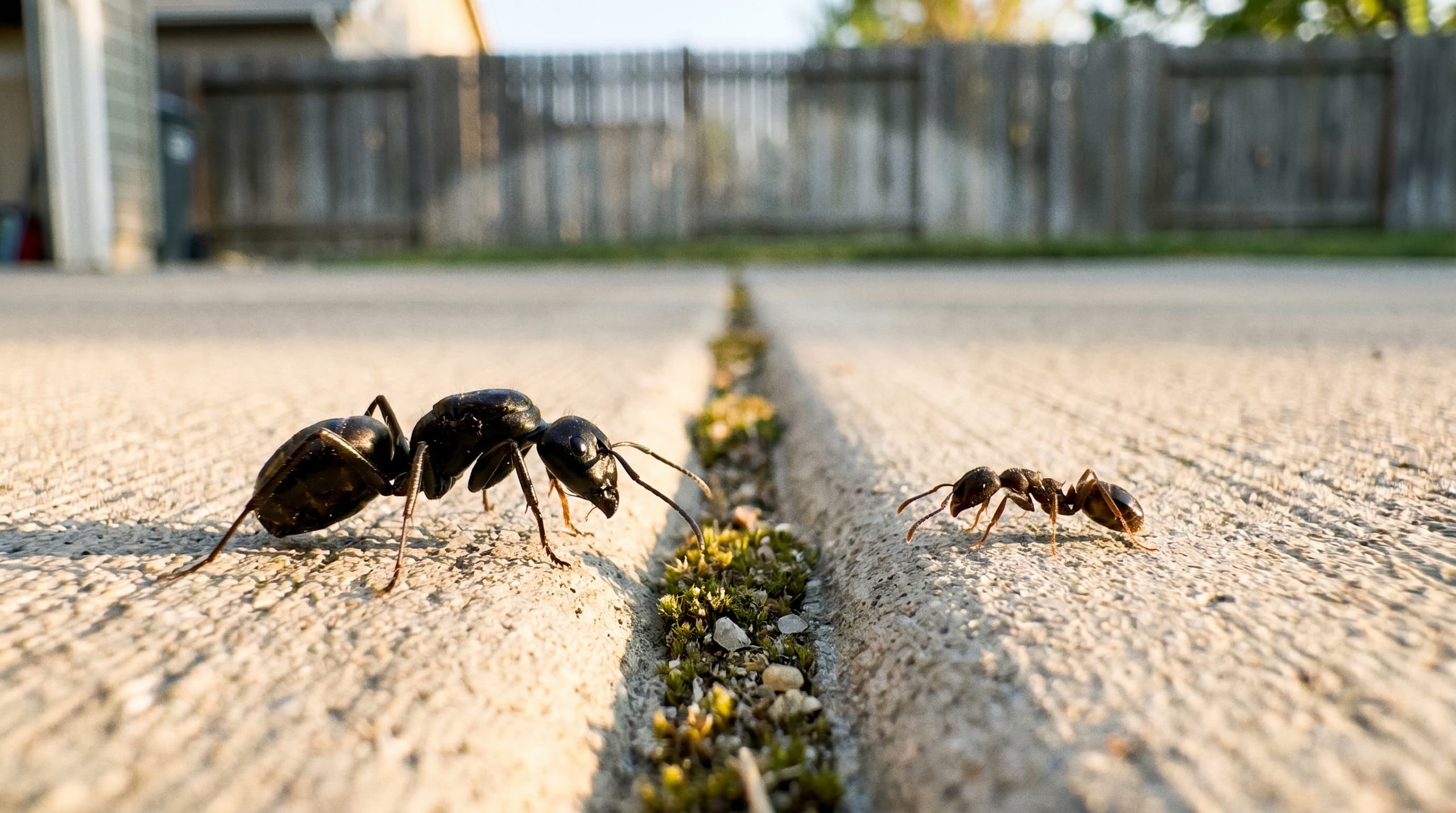
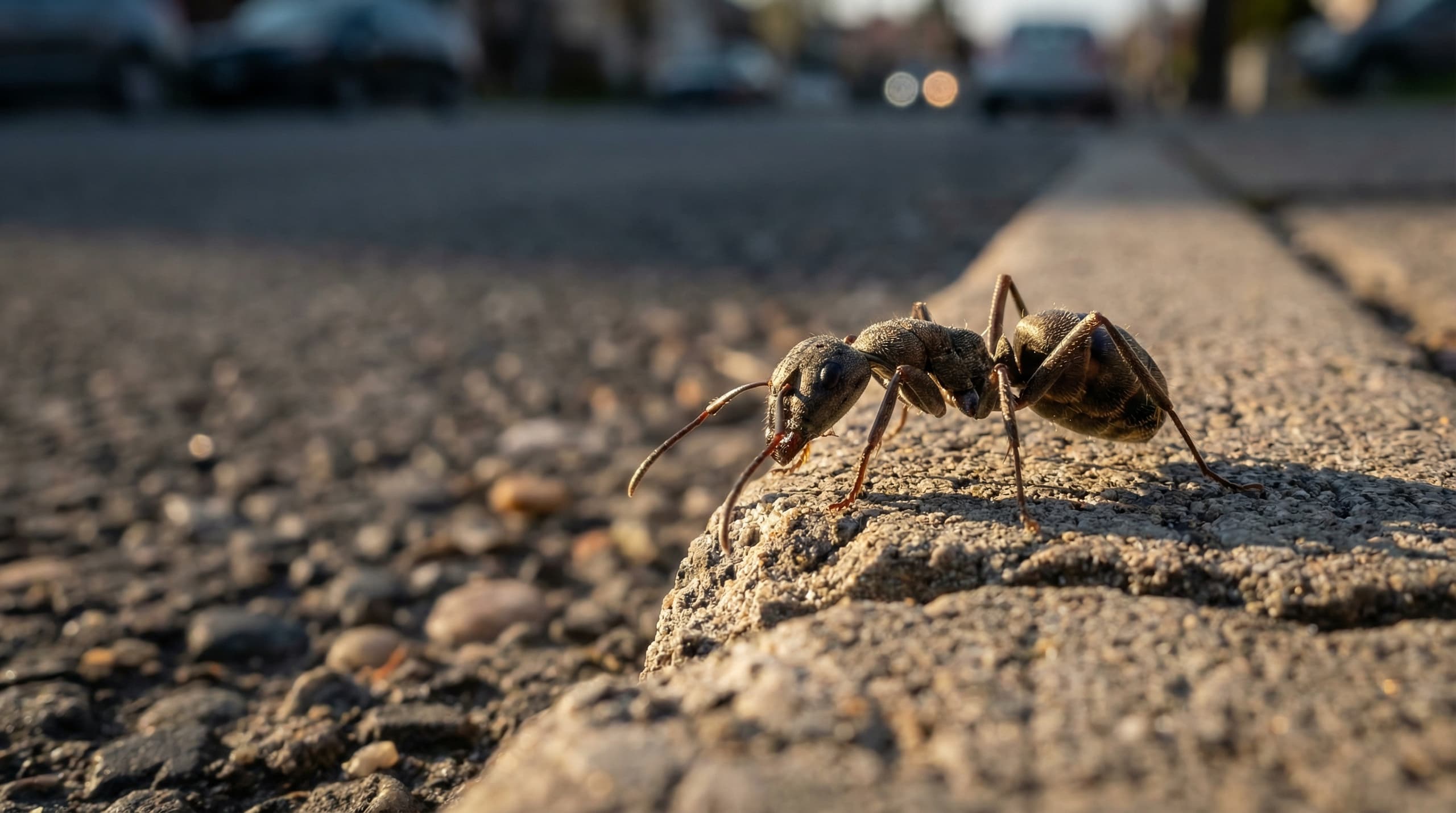
- Carpenter ants: Large black ants may appear on warm afternoons, often the first sign of a colony in your walls
- Cluster flies: Overwintered flies emerge on sunny days, gathering on south-facing windows
- Spiders: Begin moving from winter hiding spots, especially in garages and basements
- Box elder bugs: Start moving on warm exterior walls as temperatures fluctuate
- Mice: Still seeking indoor shelter; activity peaks before outdoor food sources return
April: Full Emergence
April brings consistently warmer temperatures to the Treasure Valley, triggering full-scale pest emergence. This is when prevention becomes urgent:
- Ant colonies: Workers begin foraging in force; scout ants establish trails into homes
- Wasp queens: Overwintered queens emerge to start new colonies; each queen you see represents a potential nest of thousands
- Carpenter bees: Solitary wood-nesting bees emerge in late April through May to drill into eaves, decks, and siding; rarely sting, but their drilling damages wood and is worth stopping early
- Spiders: Actively hunting as insect populations increase; web-building accelerates
- Earwigs: Become active in mulch beds and garden areas near foundations
- House centipedes: Emerge from dormancy in spring, most active April-May; found in damp basements and crawl spaces
- Sowbugs and pillbugs: Emerge in damp areas around foundations
- Pocket gophers: Peak activity begins in April through July as soil warms; fan-shaped mounds appear in lawns in the Treasure Valley foothills
May: Population Explosion Begins
By May, pest populations are growing exponentially. If you haven't started prevention, you're now in reactive mode rather than proactive:
- All ant species: Maximum foraging activity; colonies growing rapidly
- Wasps and hornets: Queens have established nests; worker production begins
- Spiders: Including hobo spiders, black widows, and scorpions, fully active and building populations
- Ticks: Active in foothills and brushy areas around Boise. The last week of April is the right window for a yard tick treatment before egg-laying starts.
- Elm seed bugs: Peak emergence begins in late May, swarming trees and congregating on warm walls
- Fleas: Begin appearing if you have pets that go outdoors
Your Spring Pest Prevention Checklist
Complete these tasks in early spring to minimize pest problems all year:
Exterior Tasks
- Inspect your foundation: Look for cracks, gaps, and entry points. Winter freeze-thaw cycles often create new openings.
- Clear debris: Remove leaf litter, dead plants, and winter debris from around your foundation. These provide pest harborage.
- Trim vegetation: Cut back shrubs and tree branches that touch or overhang your home. Maintain at least 3 feet clearance.
- Check weatherstripping: Replace worn door sweeps and window seals. Pests enter through surprisingly small gaps.
- Address moisture: Fix dripping faucets, ensure proper drainage, and eliminate standing water before mosquito season.
- Move firewood: Store woodpiles at least 20 feet from your home and elevate off the ground.
- Inspect exterior vents: Ensure all soffit vents, dryer vents, and exhaust vents have intact screens.
Interior Prevention Tasks
- Deep clean kitchens: Remove all food debris, clean under appliances, and organize pantries in sealed containers.
- Reduce clutter: Especially in garages, basements, and storage areas where pests hide.
- Check stored items: Inspect boxes and storage containers for signs of pest activity before organizing.
- Seal interior entry points: Caulk gaps around pipes, wires, and utility entries in walls.
- Address moisture: Fix leaky pipes, use bathroom exhaust fans, and monitor humidity levels.
- Vacuum thoroughly: Remove overwintered pest eggs and debris from carpets and corners.
When to Schedule Professional Spring Treatment
Timing matters for maximum effectiveness. Here's our recommended spring treatment schedule for Treasure Valley homeowners (for the full year ahead, see our month-by-month Idaho pest calendar, or our deeper take on when to start pest control in Boise if you want the why behind the timing):
- Early March: Ideal for establishing perimeter barriers before ant emergence
- Mid-March to Early April: Prime time for comprehensive spring treatment
- Late April: Still effective, but pest populations are growing
- May: Requires more intensive treatment as populations have established
What Professional Spring Service Includes
A comprehensive spring pest control service from Green Guard includes:
- Thorough property assessment: We identify current pest activity and potential problem areas
- Perimeter barrier treatment: Creates an invisible shield around your home that eliminates pests before entry
- Foundation and entry point treatment: Targets where pests are most likely to enter
- Interior treatment of high-risk areas: Kitchens, bathrooms, and utility areas as needed
- Wasp nest identification and removal: Early-season nest elimination
- Emailed invoice: Sent after every visit, and your service history stays in the customer portal online
- Ongoing monitoring: Regular assessment catches problems early
DIY Spring Prevention vs. Professional Treatment
Understanding when DIY approaches work and when professional treatment is necessary:
DIY Prevention Works For:
- Sealing entry points and cracks
- Eliminating food and water sources
- Reducing harborage through cleaning and organization
- Physical barriers like door sweeps and screens
- Maintaining landscaping away from your home
Professional Treatment Is Essential For:
- Carpenter ant colonies: Require professional-grade products and expertise to locate hidden nests
- Wasp nest removal: Dangerous without proper equipment and training
- Existing infestations: DIY products often make problems worse through colony budding
- Perimeter barriers: Professional products provide longer-lasting protection
- Comprehensive protection: Covers multiple pest types with coordinated treatment strategy
Carpenter Ants: Spring's Most Destructive Pest
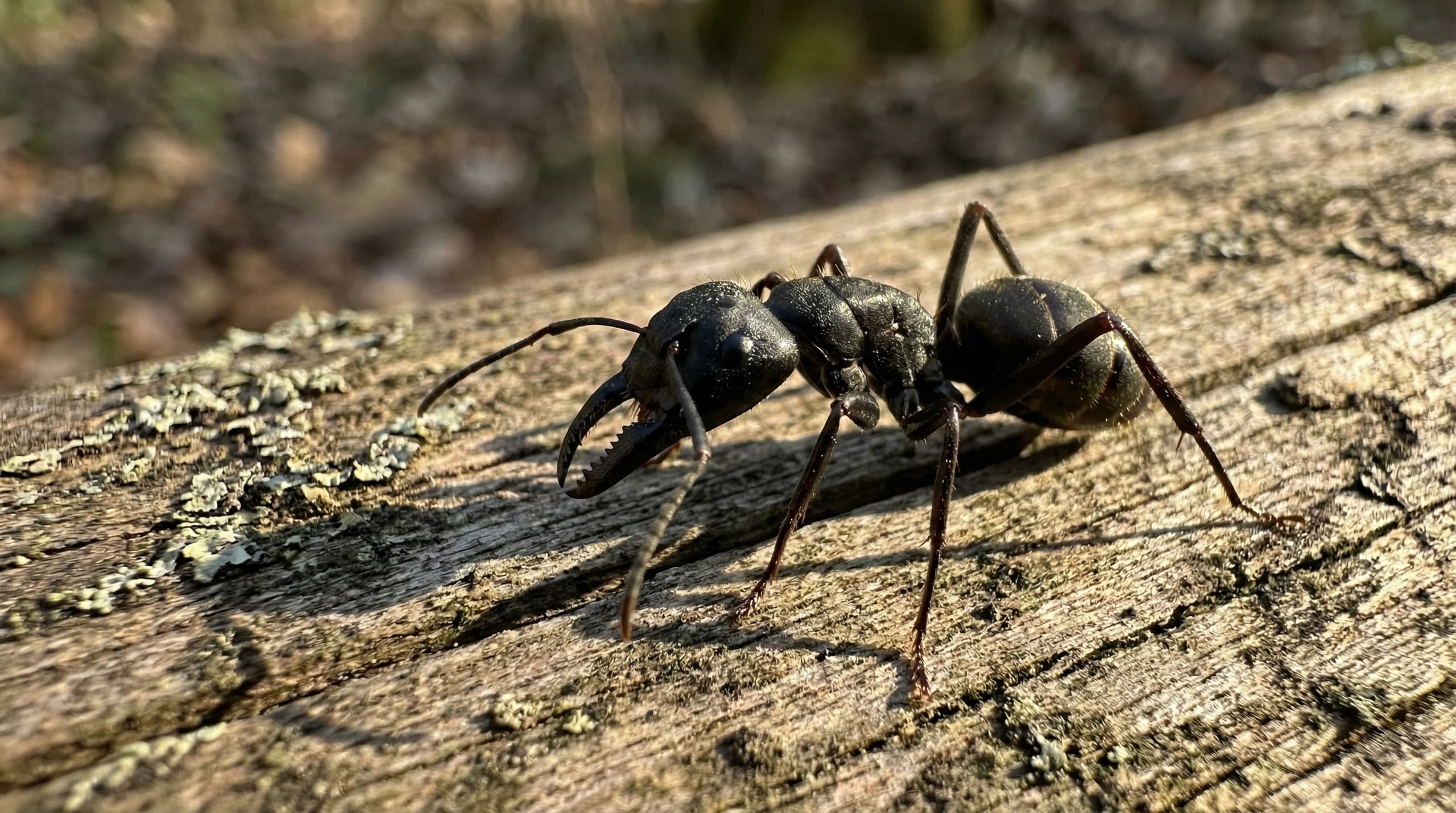
March and April are when carpenter ants emerge from dormancy, often from within your walls. These large black ants (1/4 to 1/2 inch long) don't eat wood like termites, but they excavate smooth galleries inside it for nesting. A colony that's been quietly growing since last year can contain 10,000 to 50,000 workers.
Early Warning Signs
- Large black ants indoors on warm days: Especially in March, this almost always indicates a colony inside your walls
- Sawdust-like piles (frass): Fine wood shavings appearing near baseboards, window frames, or under cabinets
- Rustling sounds in walls: Audible movement, particularly at night when the house is quiet
- Flying ants indoors: Winged reproductives (swarmers) confirm a mature colony at least 2-3 years old
- Damaged wood: Galleries that are smooth and clean, following the wood grain
Carpenter Ants vs. Termites: How to Tell the Difference
- Waist: Carpenter ants have a pinched waist; termites have a broad, straight waist
- Antennae: Carpenter ants have elbowed (bent) antennae; termites have straight, beaded antennae
- Wings (if present): Carpenter ants have larger front wings; termite wings are equal size
- Galleries: Carpenter ant galleries are smooth and clean; termite galleries are rough with mud
- Debris: Carpenter ants push out sawdust-like frass; termites build mud tubes
The Spring Prevention Investment
Consider the economics of spring pest prevention:
- Quarterly protection: $49 to start, then $119 per quarter = $406 for the first year of protection
- Emergency treatment: Single infestations typically cost $200-$400 each
- Carpenter ant damage: Average repair costs $500-$5,000+
- Multiple infestations: Without prevention, most homes experience 2-4 pest issues per year
Frequently Asked Questions
When should I start pest control in spring?
Quick answerEarly March is ideal for the Treasure Valley.
Starting pest control before pest populations emerge from winter dormancy gives you maximum protection. However, it's never too late to start. Beginning in April or May still provides significant benefits compared to waiting until you have an active infestation.
What pests should I worry about most in Idaho spring?
Quick answerAnts are the #1 spring concern in Idaho.
They emerge hungry and ready to establish trails into your home. Wasp queens starting new colonies are also critical to address early. Spiders and overwintering pests like box elder bugs become active as well. Each of these is easier to control in spring before populations explode.
How much does spring pest control cost in Boise?
Quick answerGreen Guard spring treatment starts with a $49 first service to begin your quarterly plan, with ongoing treatments at $119 each.
This is typically more economical than dealing with individual infestations throughout the year.
Can I just treat for pests when I see them instead of preventive treatment?
Quick answerYou can, but it's typically more expensive and less effective.
Reactive treatment means you're always fighting established populations rather than preventing them. Most pest problems are noticed only after significant populations have established, requiring more intensive (and costly) treatment.
Do I need pest control if I didn't have problems last year?
Quick answerYes.
Pest populations fluctuate year to year based on weather conditions, and the pests that didn't find your home last year may find it this year. Additionally, many pest problems go unnoticed until they're severe. Preventive treatment provides peace of mind and catches issues before they become infestations.
I see one or two large black ants in March. Is it a problem?
Quick answerYes.
Large black ants (1/4 to 1/2 inch) appearing indoors on warm days are almost certainly carpenter ants foraging from a colony hidden in your walls. The workers you see represent a small fraction of the total colony. Even occasional sightings warrant professional assessment to prevent structural damage.