Quick answer
Mosquito prevention in Boise is urgent in June. The first generation of Culex tarsalis (Idaho's top West Nile virus vector) and Aedes vexans (the floodwater bite-spike species) is already hatching from irrigation runoff. Dump standing water, fix yard drainage, and bundle Green Guard's outdoor mosquito add-on with the $49 first visit before populations peak in July.
Key Takeaways
- It's June. The first hatch is here, and waiting until July means treating peak populations instead of preventing them
- Culex tarsalis is Idaho's top West Nile virus vector. Aedes vexans drives the bite spikes after every flood irrigation cycle
- Switch irrigation timers to 4 to 6 AM and dump every container holding water once a week
- The outdoor mosquito add-on layers on top of quarterly pest control. Bundle it with your $49 initial visit
- Ada County's mosquito program is reactive disease surveillance, not residential yard control
In this article

It's June in the Treasure Valley: Mosquito Season Is Already Here
Mosquito season in Boise is no longer "coming." It's here. As of June 2026, irrigation is in full swing across the Treasure Valley, lateral ditches are running every week, and the first generation of Culex tarsalis has already hatched from the standing water that built up through May.
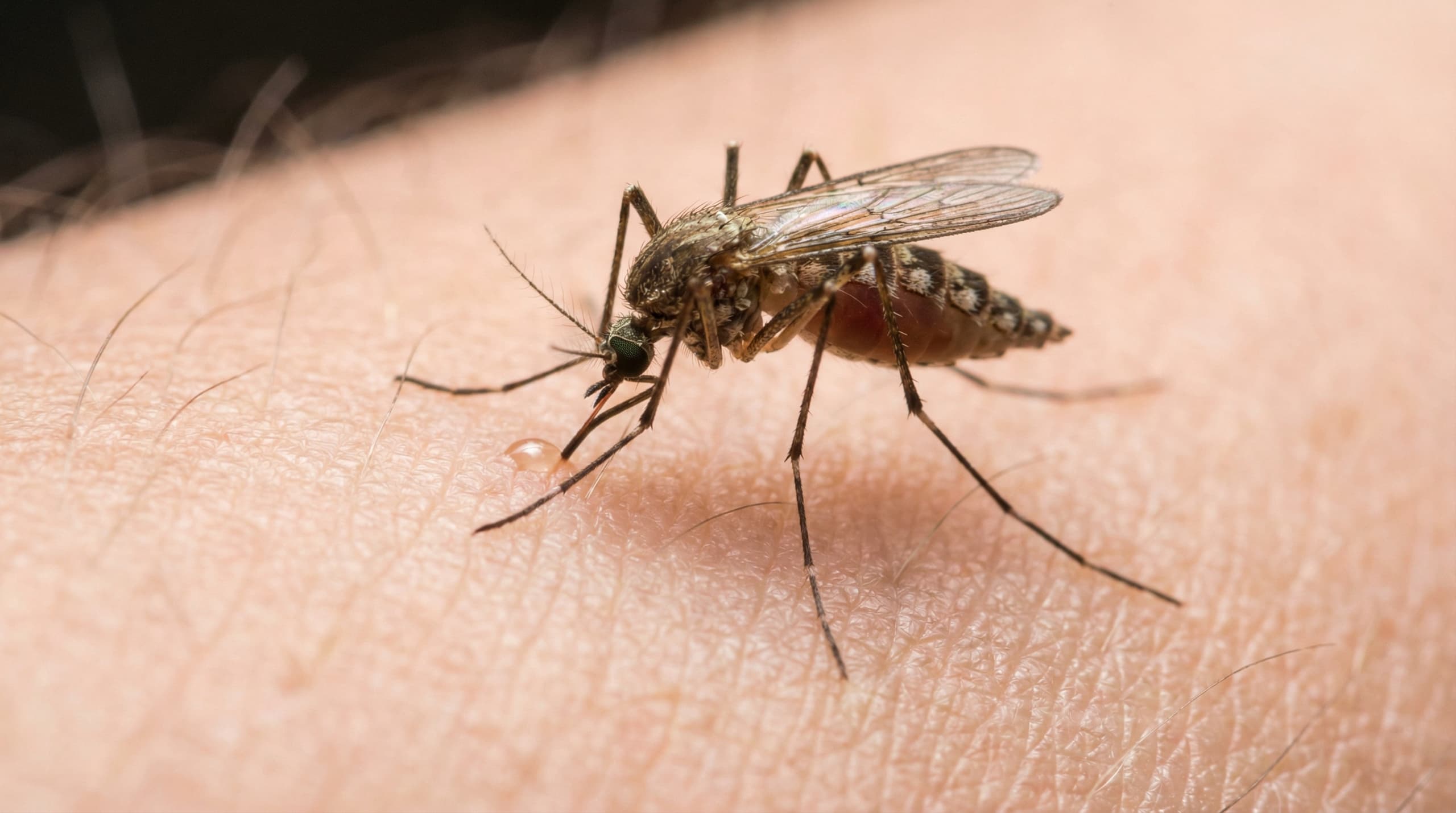
If you've already noticed bites on the patio at dusk, you're not imagining it. Female mosquitoes lay eggs in as little as a quarter inch of standing water. The eggs that went down during the first warm spell of late May are now biting adults. The eggs going down this week will be feeding on you by Father's Day.
The play right now is twofold. Cut your yard's breeding sites this weekend, and layer on professional outdoor mosquito control before the population explodes through July. (For what's coming next, see our peak mosquito season guide for Boise.)
When Should I Start Mosquito Treatment in Boise?
The honest answer: start in April or May. If it's already June and you haven't started, start this week. The best time was six weeks ago. The second-best time is right now, before the second hatch turns a manageable June into a brutal July.
Here's the Boise mosquito timeline in a normal year:
- March: Overwintering Culex queens emerge but populations stay near zero. Too early for spray treatment.
- April: Irrigation season opens. First eggs go down in canal seepage and yard low spots. Start DIY source reduction now.
- Early May: First hatch. Populations are still small, so initial mosquito add-on treatments work best at this point.
- Late May to mid-June: Populations build fast. This is where most homeowners realize they should have started already.
- July to August: Peak. You can still knock numbers down, but you're playing catch-up against a fully active population.
- September to October: Populations crash with cooler nights, but Aedes vexans can still spike after any late-season storm.
How Do You Find and Eliminate Standing Water in Your Yard?
Standing water elimination is the single most effective mosquito prevention step. A bottle cap of water can produce mosquitoes. Walk your entire property and check every spot where water could collect.
- Irrigation valve boxes fill with water and sit unnoticed for weeks. Drill small drainage holes in the bottom of each box.
- Plant saucers and pot trays under container gardens collect water after every irrigation cycle. Dump them twice a week or switch to self-draining trays.
- Kids' toys, wheelbarrows, and tarps are classic mosquito nurseries. Flip them over or store them in the garage.
- Bird baths need fresh water every 3 to 4 days. Scrub the sides when you refill to remove any eggs already laid.
- Rain barrels should be covered with fine mesh screen. If you can't cover them, add a mosquito dunk (a biological larvicide tablet) every 30 days.
How Boise's Irrigation System Creates Mosquito Problems
This is the part most generic mosquito guides skip. The Treasure Valley's irrigation infrastructure is the primary driver of local mosquito populations. Boise gets only about 12 inches of rain per year, but the canal system turns a dry climate into ideal mosquito breeding territory from April through October.
If your property borders a lateral ditch or canal easement, check for seepage pools every week during irrigation season. Water leaks through canal banks and collects in low spots along property lines. These hidden pools produce huge numbers of Culex tarsalis, the mosquito species most likely to carry West Nile virus in Idaho. After flood irrigation cycles or heavy storms, you'll also see surges of Aedes vexans, the aggressive daytime biter behind most of the bite spikes Boise homeowners notice the morning after a soak.
Neighborhoods built on former farmland are especially vulnerable. Subdivisions in south Meridian, Star along Highway 44, and parts of Kuna sit on ground that was flood-irrigated for decades. The soil grading doesn't always account for where water naturally wants to pool. If your yard has a low corner that stays damp for more than 24 hours after watering, that's a breeding site.
Fix Your Irrigation Timer (This One Change Helps a Lot)
Most Boise homeowners water in the evening to reduce evaporation. Makes sense for your lawn. Terrible for mosquito prevention.
Evening watering leaves standing water on the ground during peak mosquito egg-laying hours (dusk to dawn). Switch your irrigation timer to run between 4 and 6 AM. Water still gets absorbed before the afternoon heat, but it also drains or evaporates before mosquitoes become active at dusk. This simple change can meaningfully reduce breeding activity in your yard.
Also check your sprinkler heads for overspray. Water hitting your foundation wall, pooling in window wells, or running onto hardscape creates exactly the kind of shallow standing water mosquitoes love.
Fix Drainage Problems and Clean Your Gutters Now
Boise's cottonwood trees are dropping fluff right now. That fluff clogs gutters fast, and clogged gutters hold standing water at the exact moment mosquito populations are taking off. Clean your gutters this weekend if you haven't already. If you have cottonwoods nearby, plan to clean them again at the end of June once the second wave finishes.
Check these common drainage issues too:
- French drains and pop-up emitters are common in Treasure Valley homes. Pop-up emitters that don't seal properly hold a small reservoir of water. Test each one.
- Window wells collect irrigation overspray and become mosquito nurseries, especially in homes with basements (common in older Boise neighborhoods like the North End and Bench).
- Sump pump discharge areas need to drain completely. If water pools at the discharge point, extend the pipe or regrade the area.
- Low spots in the yard where water sits for more than 24 hours need attention. Fill them with topsoil and reseed, or install a simple French drain.
Treat Your Landscape Beds (They're Hiding Mosquitoes)
Mosquitoes rest during the day in cool, shaded, humid spots. Your landscape beds provide all three. Dense ground cover like English ivy or vinca creates the humid microenvironment mosquitoes prefer. Overgrown shrubs along your foundation trap moisture and block airflow.
Rock mulch is popular in Boise xeriscaping, but it can trap water in low spots beneath the rock layer. Make sure landscape fabric underneath is draining properly and isn't creating pockets where water collects.
Bark mulch beds along foundations should be kept to 2 to 3 inches deep maximum. Deeper mulch holds more moisture. Make sure beds slope away from the foundation so water runs off rather than pooling against the house.
Trim dense vegetation to improve air circulation, especially near patios and outdoor living areas. This reduces the shady resting spots mosquitoes use during the day and makes your yard less hospitable to them overall. These steps pair well with a broader spring pest prevention plan for your home.
When Are Mosquitoes Most Active in Boise?
Mosquitoes in Boise are most active at dusk (roughly 7 to 9 PM in summer) and dawn (5 to 7 AM). Culex tarsalis, the most common biting species in the Treasure Valley, feeds most aggressively right at sunset.
The good news: midday is mostly mosquito-free. Between 10 AM and 5 PM, Boise's dry heat and afternoon thermal winds (those reliable breezes that pick up around 2 PM) naturally suppress mosquito activity. If you're planning a barbecue or outdoor gathering, earlier in the day is always better than an evening event.
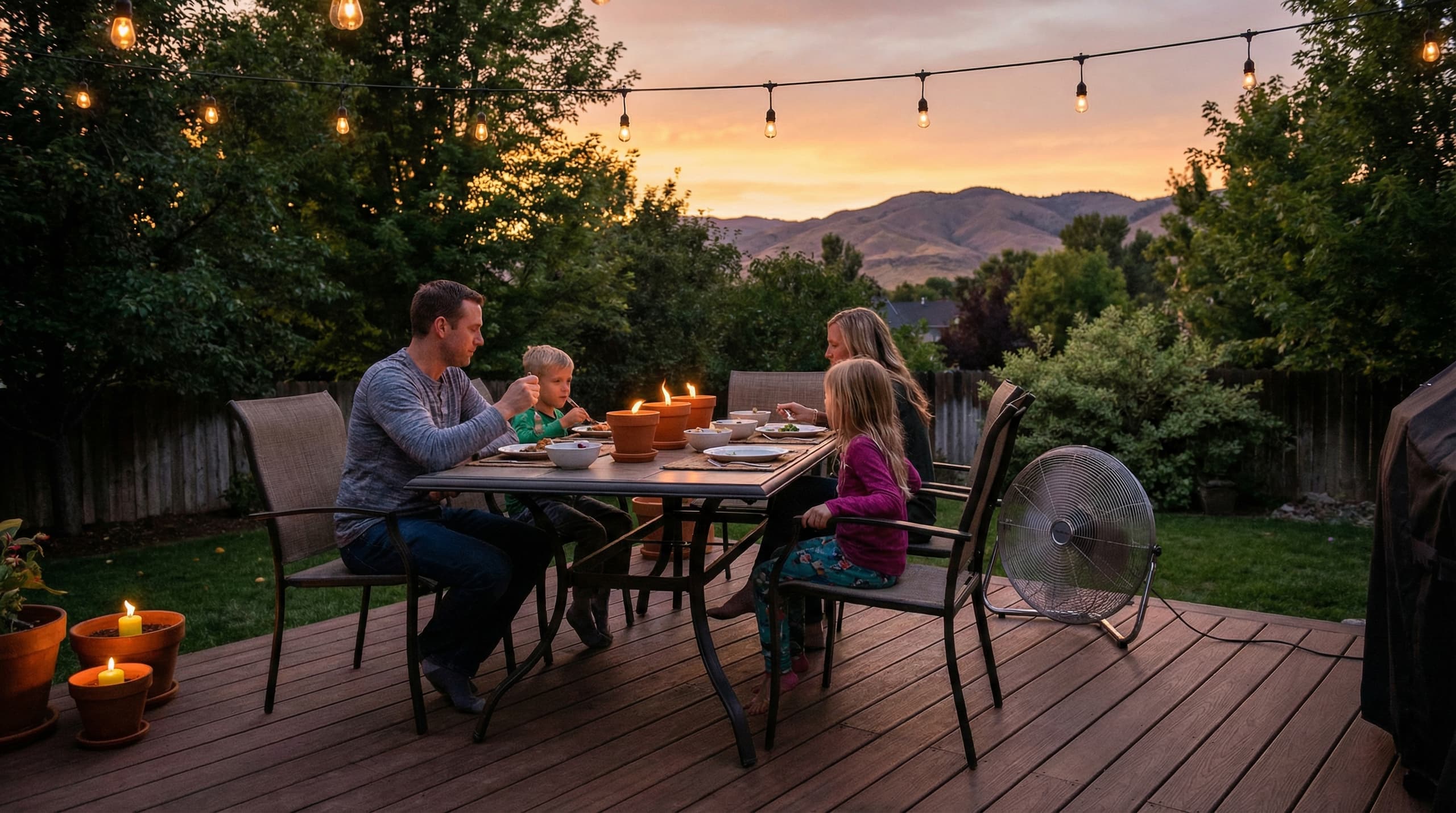
For evenings on the patio, fans are your best friend. Mosquitoes are weak fliers and can't navigate even moderate wind. A ceiling fan or a couple of box fans aimed at your seating area works better than citronella candles. Combine fans with DEET or picaridin-based repellent on exposed skin, and you can enjoy your yard even during active hours.
Does Ada County Spray for Mosquitoes?
Ada County Weed, Pest and Mosquito does monitor mosquito populations and test for West Nile virus. They set CO2 traps across the valley, analyze the catch, and will do targeted spraying in areas where WNV-positive mosquitoes are found.
But here's what most people don't realize: the county program is reactive, not proactive. They respond to disease detections, not nuisance complaints. They're focused on public health surveillance, and they don't treat individual residential yards. If mosquitoes are ruining your backyard, the county program won't solve that.
Idaho has confirmed human West Nile virus cases almost every year, and Ada County is consistently among the counties with positive mosquito pools. The county does important work. It's just not a substitute for your own yard prevention.
When to Call a Pro for Mosquito Treatment
DIY prevention handles the basics: dumping standing water, fixing drainage, adjusting irrigation. But if your property borders a canal, sits near a retention pond, or backs up to the Boise River corridor (Harris Ranch, Barber Valley, Eagle Island area), you're fighting mosquito pressure from well beyond your property line.
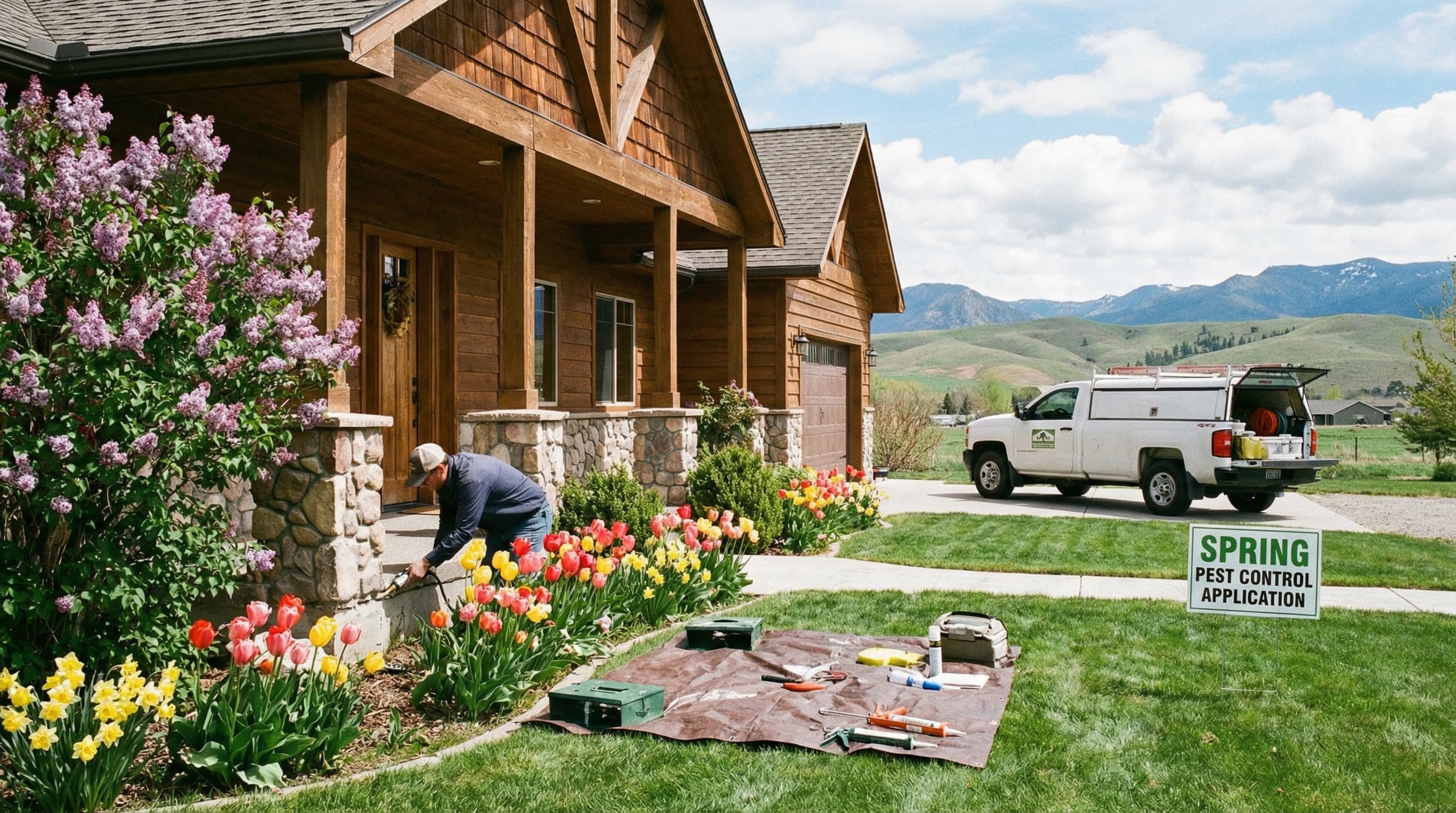
That's where our outdoor mosquito control add-on earns its keep. Green Guard's seasonal mosquito treatment layers onto your quarterly pest plan and targets the vegetation and shaded areas where mosquitoes rest during the day. We treat shrub beds, fence lines, ground cover, and other harborage areas with organic-based products that are safe for kids and pets once dry.
Combined with your own source reduction (dumping standing water, fixing drainage), the mosquito control add-on can dramatically cut the population in your yard. Mosquitoes are just one piece of summer pest control in Boise. For many Treasure Valley homes, it's the difference between avoiding the backyard and actually using it. To learn what professional mosquito treatment costs and how often you need it, see our pricing guide.
Mosquito season isn't waiting. Call Green Guard at (208) 297-7947 to add outdoor mosquito control to your service. New customers can bundle the add-on onto a $49 initial treatment and knock the yard back before the July peak.
Your June Mosquito Prevention Checklist
Work through this list over the weekend. Every item you check off means fewer mosquitoes biting you and your neighbors this summer.
- Walk the entire yard and dump or drain every container holding water
- Switch irrigation timer to early morning (4 to 6 AM) instead of evening
- Check sprinkler heads for overspray hitting foundations, walkways, or window wells
- Clean gutters this weekend if cottonwood fluff has already settled in
- Inspect property lines near canals or ditches for seepage pools
- Fix low spots in the yard where water sits more than 24 hours
- Trim dense vegetation and ground cover near the patio
- Add mosquito dunks to water features, rain barrels, or ponds you can't drain
- Test all French drain pop-up emitters for proper sealing
- Call (208) 297-7947 to add outdoor mosquito control before the July peak
Frequently Asked Questions
When should I start mosquito treatment in Boise?
Quick answerStart in April or early May for the easiest knockdown.
If it's already June, start this week. Boise mosquito populations build fast through June and peak in July and August. The earlier you layer in outdoor mosquito control, the smaller the population you're fighting at peak.
What kinds of mosquitoes are in Boise?
Quick answerTwo species drive most Treasure Valley problems.
Culex tarsalis is the primary West Nile virus vector in Idaho, breeds in canal seepage and standing water, and feeds at dusk and dawn. Aedes vexans is the floodwater species that spikes hard after flood irrigation cycles or heavy storms, and it bites during the day. Both respond well to source reduction plus a perimeter add-on.
Why are mosquitoes so bad near Boise irrigation canals?
Quick answerThe Treasure Valley's canal system (New York Canal, Ridenbaugh, lateral ditches) creates standing water along property lines and in low spots near canal banks.
This is prime breeding habitat for Culex tarsalis, plus Aedes vexans after flood irrigation cycles. Flowing canal water doesn't breed mosquitoes, but seepage pools and stagnant turnouts do.
How much does professional mosquito treatment cost in Boise?
Quick answerGreen Guard's outdoor mosquito service is a seasonal add-on to quarterly pest control plans.
Quarterly service starts at $119 per treatment for homes up to 2,500 square feet, with a $49 initial visit for new subscription customers. Call (208) 297-7947 for specific pricing on the mosquito add-on for your property.
Do mosquito-repelling plants actually work in Boise?
Quick answerPlants like lavender, rosemary, and marigolds contain compounds mosquitoes dislike, but the effect is minimal unless you crush the leaves.
They won't protect your whole yard. They're fine for patio planters as a small supplement, not a standalone solution. Fans and professional treatment are far more effective.
What time of day are mosquitoes worst in the Treasure Valley?
Quick answerCulex tarsalis is most active at dusk (7 to 9 PM) and dawn (5 to 7 AM) during Boise summers.
Aedes vexans is more of a daytime biter, so spikes after irrigation can hit during normal yard hours. Midday is generally the safest window thanks to dry heat and afternoon thermal winds.