
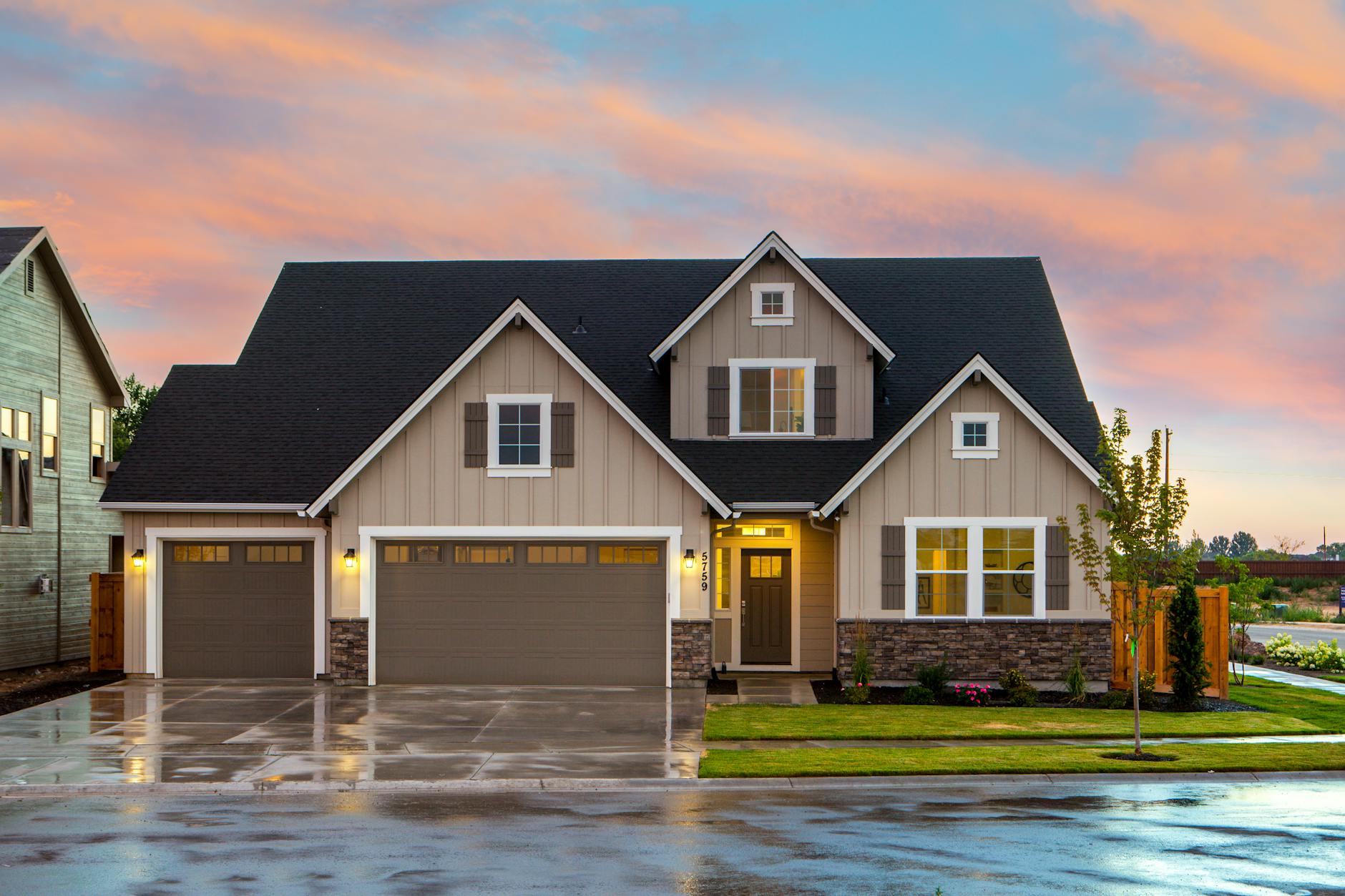
Meridian Pest Control - Idaho's Fastest Growing City
Comprehensive pest solutions for new construction, established homes, and commercial properties throughout Meridian.
100%
Satisfaction Guarantee
4.9/5
Meridian Rating
24hr
Response Time
Why Meridian Properties Face Unique Pest Challenges
As Idaho's fastest-growing city in Ada County (ZIP codes 83642, 83646), Meridian's rapid development constantly disturbs existing pest habitats. From established neighborhoods like Downtown Meridian and Paramount to newer subdivisions in Tuscany, Lochsa Falls, and the Ten Mile area, homeowners face pest pressures as construction pushes wildlife into residential areas. Spurwing and Movado properties deal with foothills pests, while South Meridian homes near farmland see increased rodent activity.
- New construction disturbs pest habitats, driving them into homes
- Agricultural heritage means rodent and ant populations thrive
- Irrigation systems create moisture ideal for pest breeding
- Suburban landscaping provides food and shelter for pests
Local Expertise
We understand Meridian's unique pest challenges
Common Pests in Meridian
Our local experts know how to identify and eliminate these pests quickly
Pavement Ants
Common in Meridian driveways and sidewalks.
Hobo Spiders
Found in basements and crawl spaces.
House Mice
Seek shelter in new construction.
Paper Wasps
Build nests under eaves and decks.
Our Meridian Pest Control Services
General Pest Control
Year-round protection from common pests
Ant Extermination
Colony elimination & prevention
Spider Management
Interior & exterior treatments
Rodent Control
Humane removal & exclusion
Wasp & Hornet Removal
Safe nest removal
Commercial Services
Business pest management
Neighborhood Pest Control Details
Local pest challenges and solutions for every Meridian neighborhood
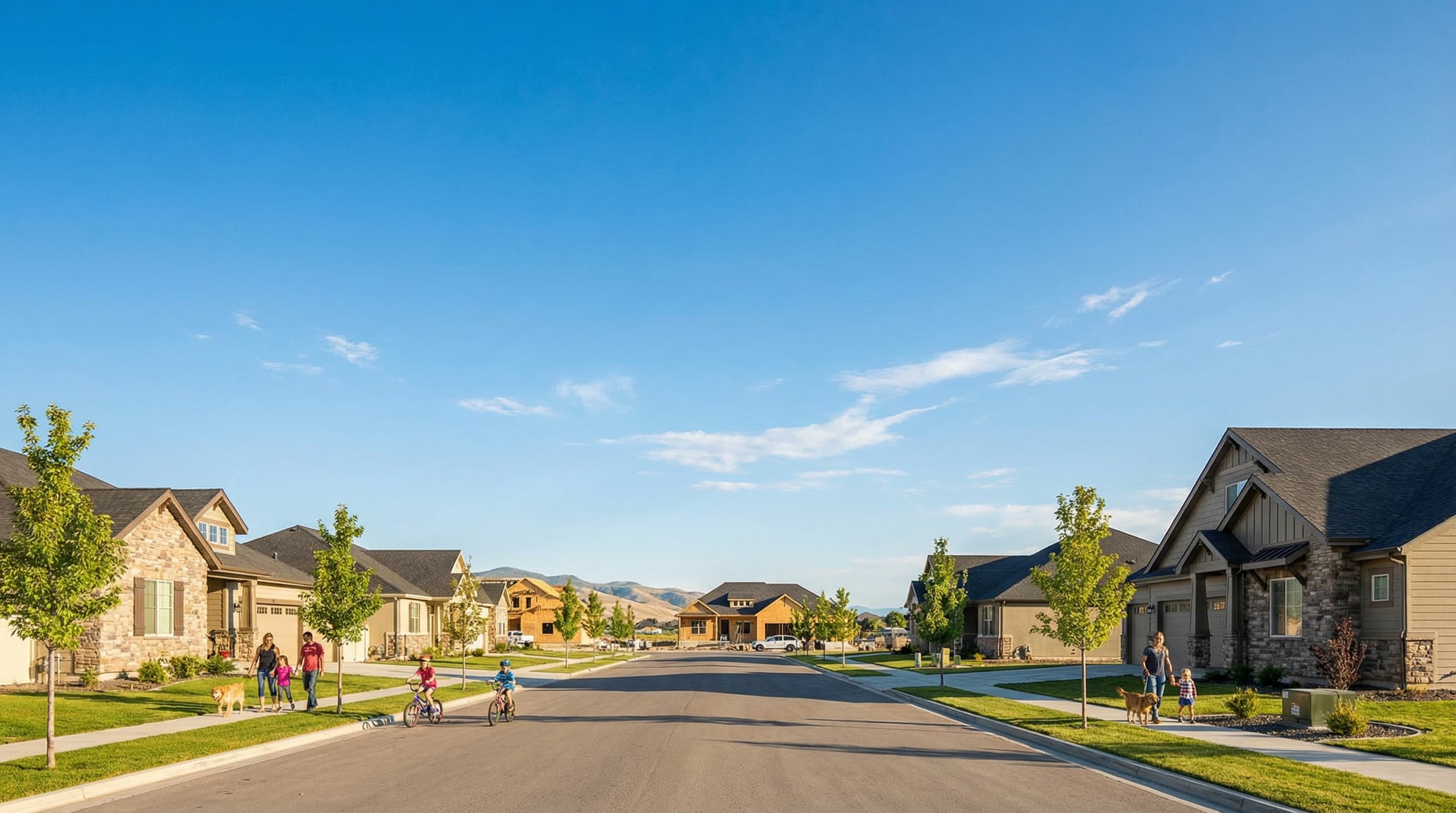
North Meridian represents some of the most desirable residential real estate in the Treasure Valley. Communities like Paramount, Lochsa Falls, and the developments along Chinden Boulevard feature well-maintained homes with mature landscaping that, while beautiful, creates ideal harborage for pests. The area's proximity to agricultural land to the north and the mix of new construction with established neighborhoods creates unique pest pressures. Many North Meridian homes back up to open spaces or have extensive yards that border irrigation canals, providing moisture and travel corridors for spiders, ants, and rodents seeking shelter in your home.
- Mature landscaping in established neighborhoods harbors pest populations
- Proximity to agricultural land increases rodent and ant pressure
- Irrigation canals create moisture-rich environments for spiders
- New construction disturbs existing pest colonies, driving them toward homes
Common Pests in North Meridian
North Meridian FAQ
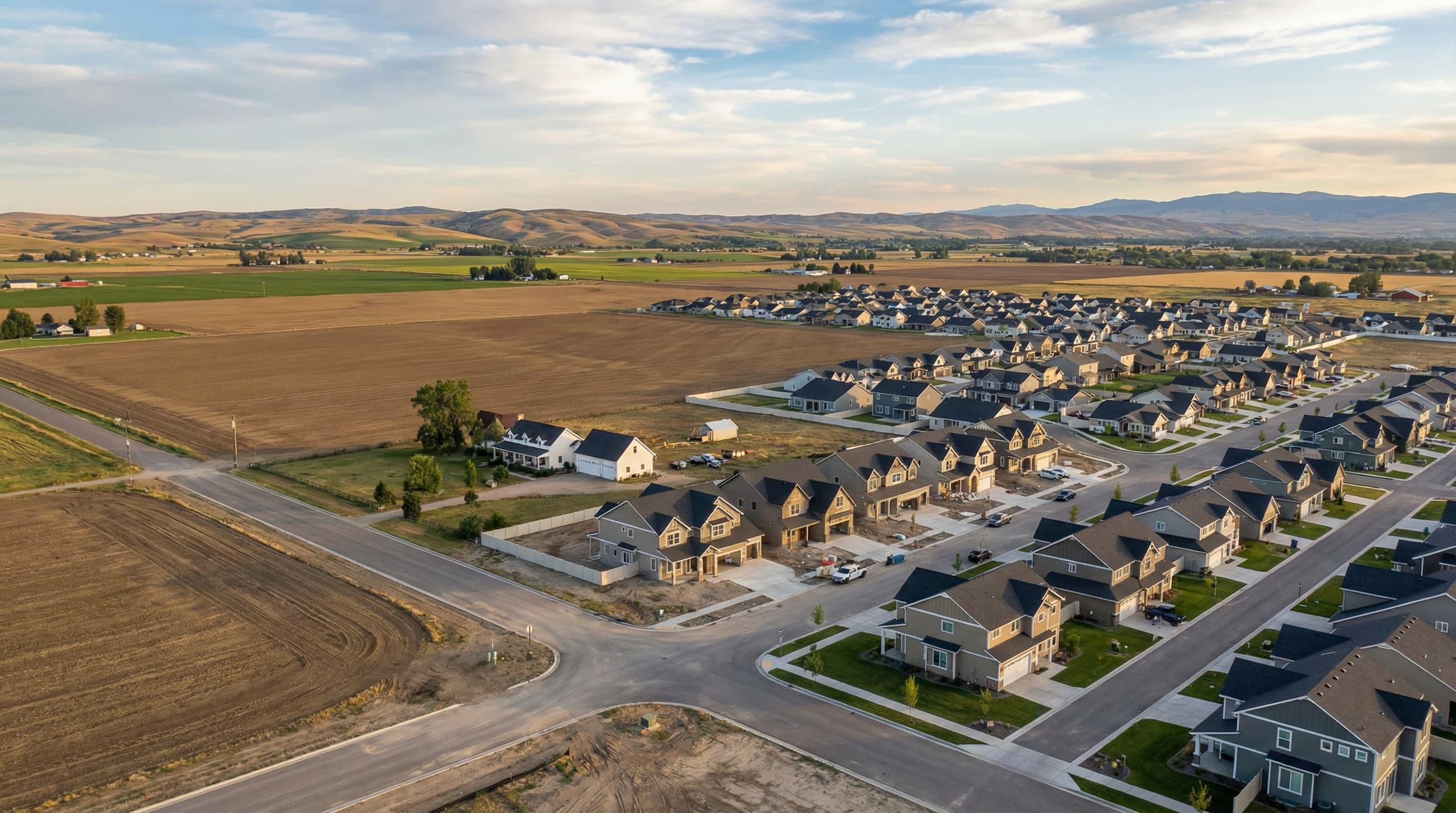
South Meridian is one of the fastest-growing areas in Ada County, with new subdivisions expanding toward Kuna and Lake Hazel. This rapid development disrupts natural pest habitats, driving spiders, ants, and rodents toward established homes. The area's agricultural heritage means properties are built on former farmland where pest populations were already established. Many South Meridian homes border open fields, irrigation infrastructure, and commercial developments that create ongoing pest pressure. The Victory Road corridor and Lake Hazel area see particularly heavy pest activity due to the mix of residential, commercial, and agricultural land uses.
- Rapid development displaces pests from fields into homes
- Former agricultural land has established pest populations
- Open spaces and fields adjacent to homes provide pest harborage
- Mix of commercial and residential zones increases pest movement
Common Pests in South Meridian
South Meridian FAQ
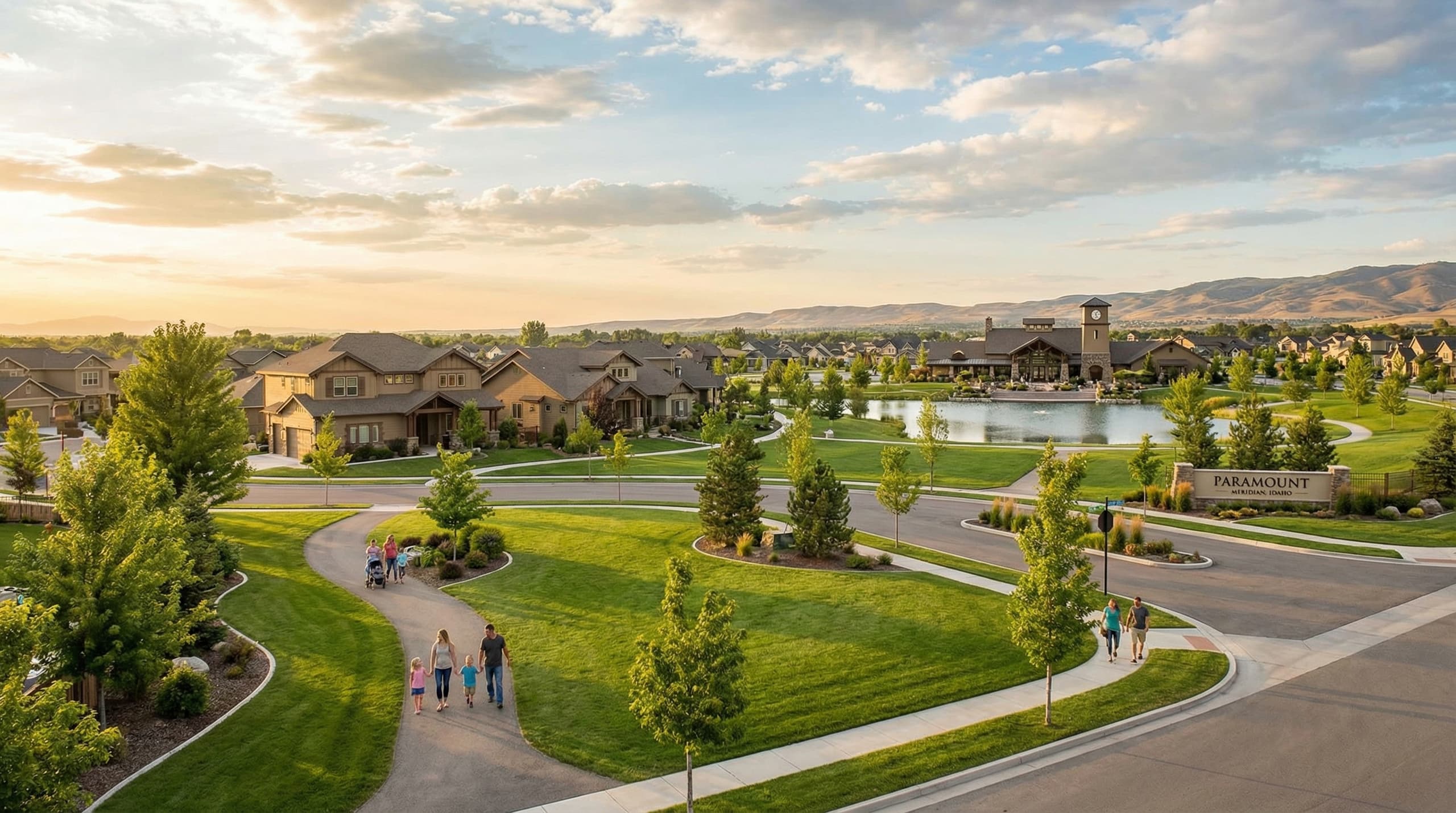
Paramount is one of North Meridian's most prestigious master-planned communities, featuring larger custom homes, extensive landscaping, and community amenities including pools and parks. These features, while enhancing property values and quality of life, also create environments where pests thrive. Mature trees and shrubs provide harborage for spiders and ants, while irrigated lawns attract moisture-loving pests. Paramount's larger homes have more entry points along foundations, garage doors, and utility penetrations. The community's proximity to the Chinden corridor and surrounding open spaces means pest pressure from outside sources remains constant throughout the year.
- Larger homes have more potential pest entry points
- Mature landscaping provides ideal pest harborage
- Community amenities attract various pest species
- Proximity to open spaces creates ongoing pest pressure
Common Pests in Paramount
Paramount FAQ
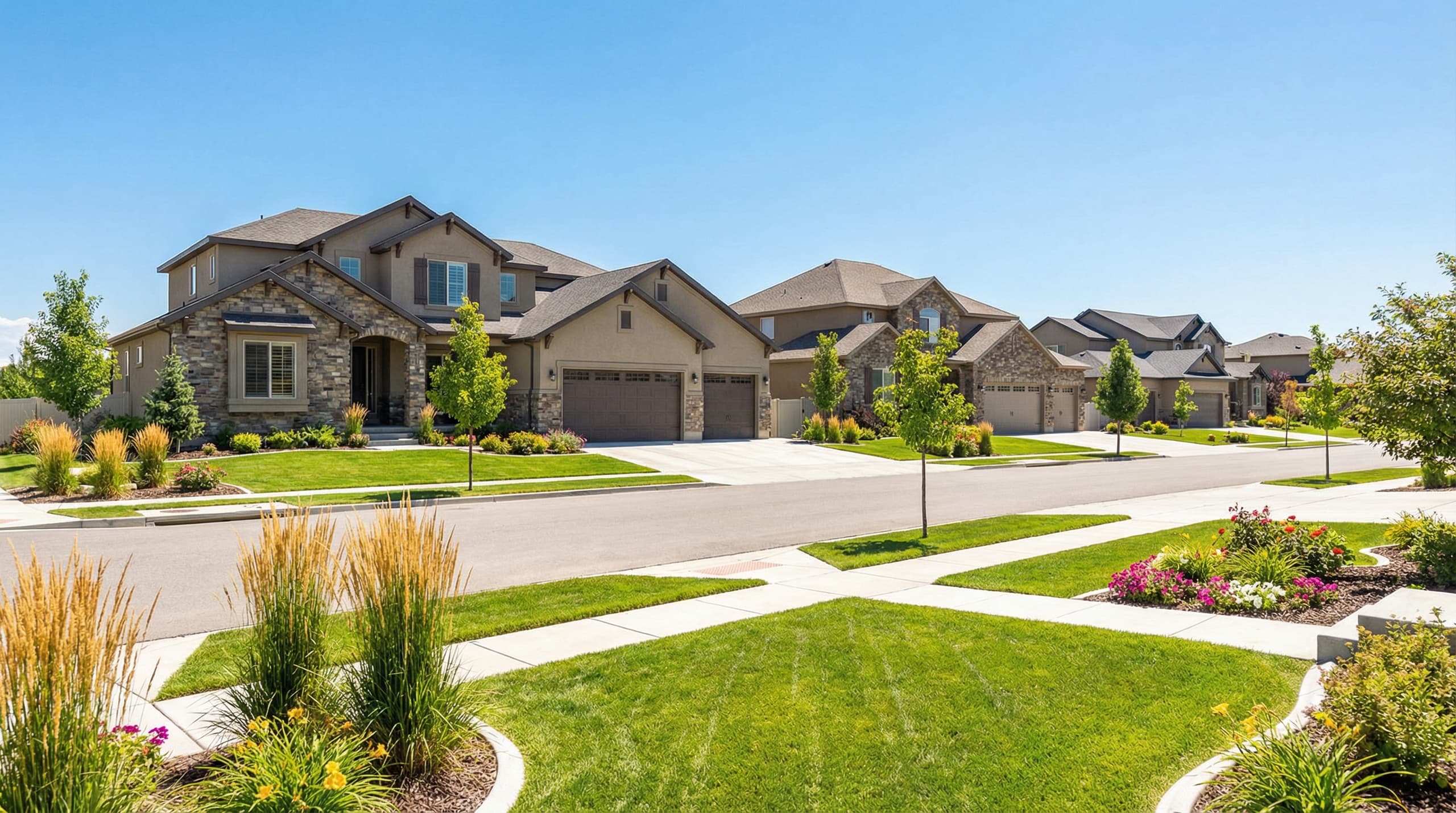
Silverstone is a well-established Meridian subdivision known for its family-friendly atmosphere, quality homes, and mature neighborhood trees. While these established trees and landscaping add beauty and value, they also create conducive conditions for pest activity. The neighborhood's location near major corridors means pests have travel routes into the community. Many Silverstone homes were built with construction methods common in the early 2000s, which may include gaps around foundations and utility entries that pests exploit. The community's irrigation and well-maintained lawns, while attractive, provide moisture that attracts ants, spiders, and other pests seeking water sources near your home.
- Mature trees provide harborage for carpenter ants and spiders
- Established landscaping creates connected pest habitats
- Home construction methods may have common entry points
- Irrigated lawns attract moisture-seeking pests
Common Pests in Silverstone
Silverstone FAQ
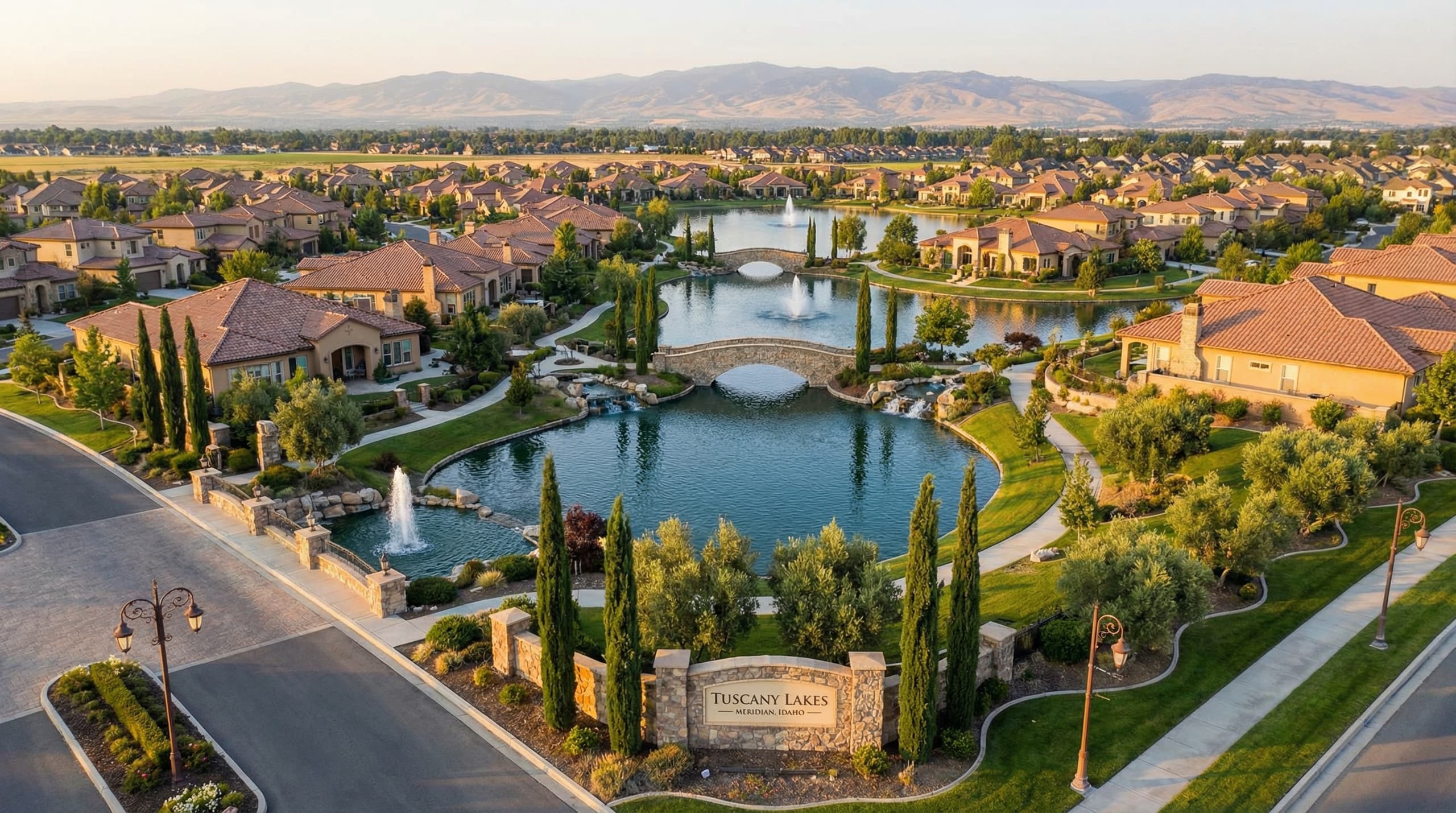
Tuscany Lakes is a distinctive Meridian community centered around decorative lakes and water features that enhance property values and create a resort-like atmosphere. However, these same water features create conditions that attract certain pest species. The elevated humidity near the lakes, lush irrigated landscaping, and abundance of ornamental plants provide ideal environments for spiders, mosquitoes, and ants. Properties closest to the water experience increased pest pressure throughout the warmer months. The community's mature vegetation, including willows and other water-loving trees, harbors pest populations that readily move toward homes seeking additional food, water, or shelter as conditions change.
- Water features create elevated humidity attracting moisture-loving pests
- Lakeside vegetation provides extensive pest harborage
- Ornamental landscaping connects pest habitats to homes
- Waterfront properties face increased spider and mosquito pressure
Common Pests in Tuscany Lakes
Tuscany Lakes FAQ
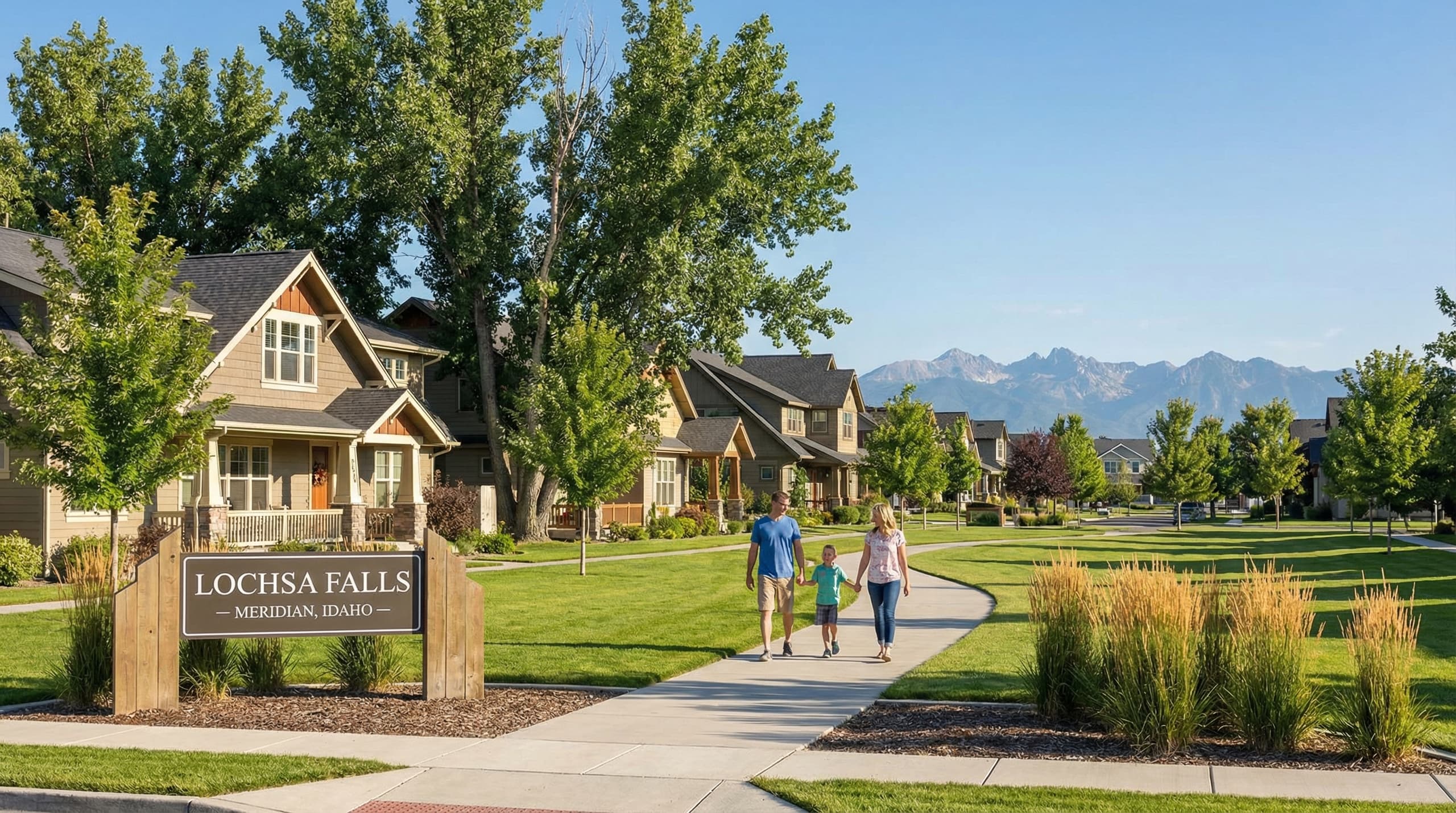
Lochsa Falls stands as one of North Meridian's premier subdivisions, featuring upscale homes, professionally designed landscaping, and community amenities that attract discerning homeowners. The subdivision's location near Chinden Boulevard and its proximity to undeveloped land to the north creates ongoing pest pressure. Lochsa Falls homes are known for their quality construction, yet even the best-built homes have entry points that pests exploit during seasonal migrations. The community's common areas, walking paths, and mature vegetation, while enhancing quality of life, also provide interconnected habitats for ants, spiders, and rodents that eventually make their way toward individual homes.
- Proximity to undeveloped land increases pest migration into the community
- Community common areas and paths connect pest habitats
- Quality landscaping requires pest management to protect investments
- Seasonal pest pressure from surrounding agricultural areas
Common Pests in Lochsa Falls
Lochsa Falls FAQ
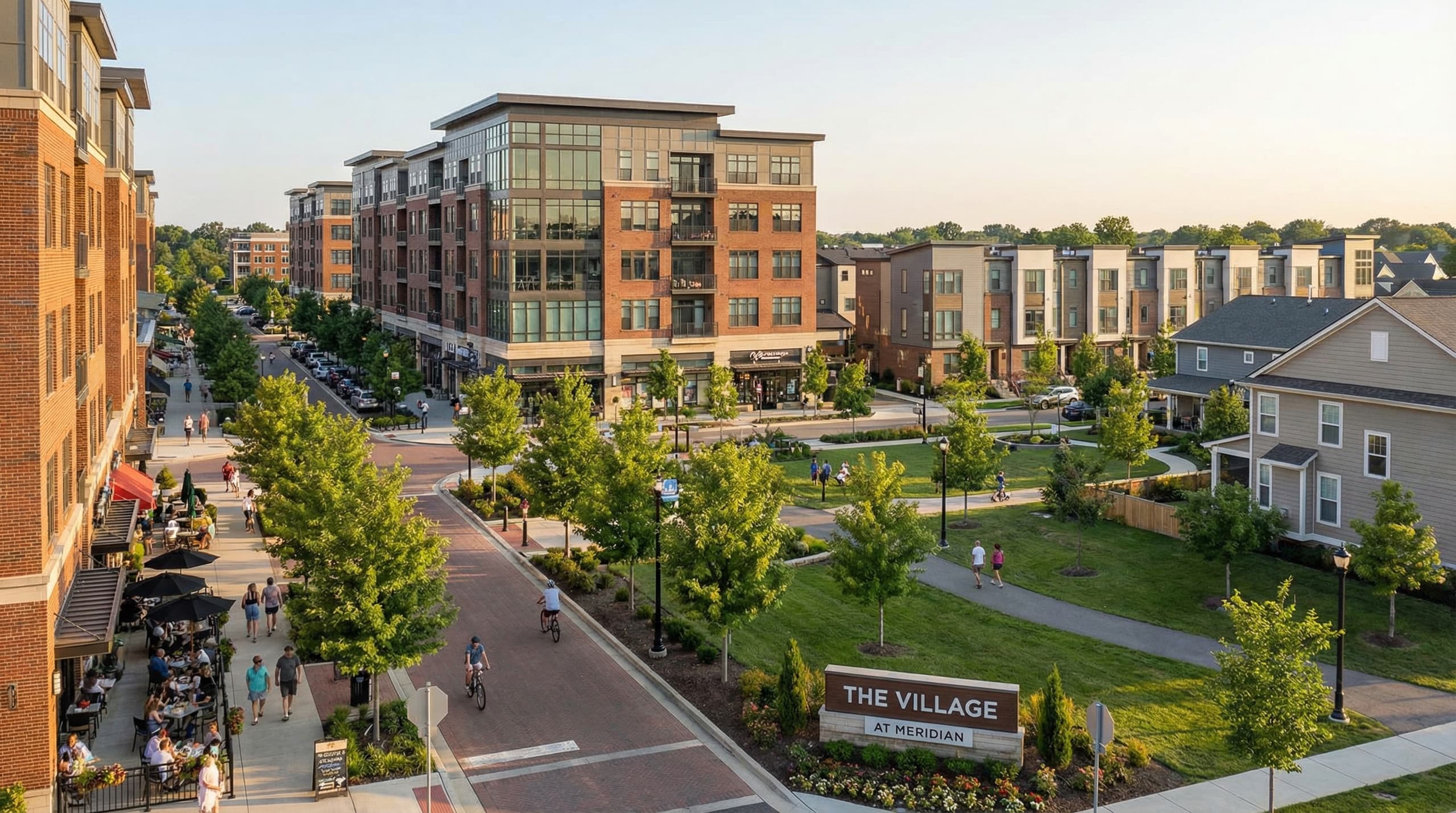
The Village at Meridian is the Treasure Valley's premier outdoor shopping and entertainment destination, and the surrounding residential areas have grown rapidly to accommodate workers and shoppers who want to live nearby. This mix of commercial, retail, and residential properties creates a complex pest environment. Restaurants and food service establishments attract rodents and cockroaches that can spread to nearby homes. The extensive landscaping, fountains, and outdoor dining areas provide moisture and food sources that sustain pest populations. Homes in the surrounding neighborhoods see pest pressure from both natural sources and commercial pest overflow, requiring vigilant pest management.
- Commercial food establishments attract rodents and cockroaches
- Extensive landscaping and water features harbor diverse pests
- High foot traffic areas can transport pests between properties
- Residential areas receive pest pressure from adjacent commercial zones
Common Pests in The Village
The Village FAQ
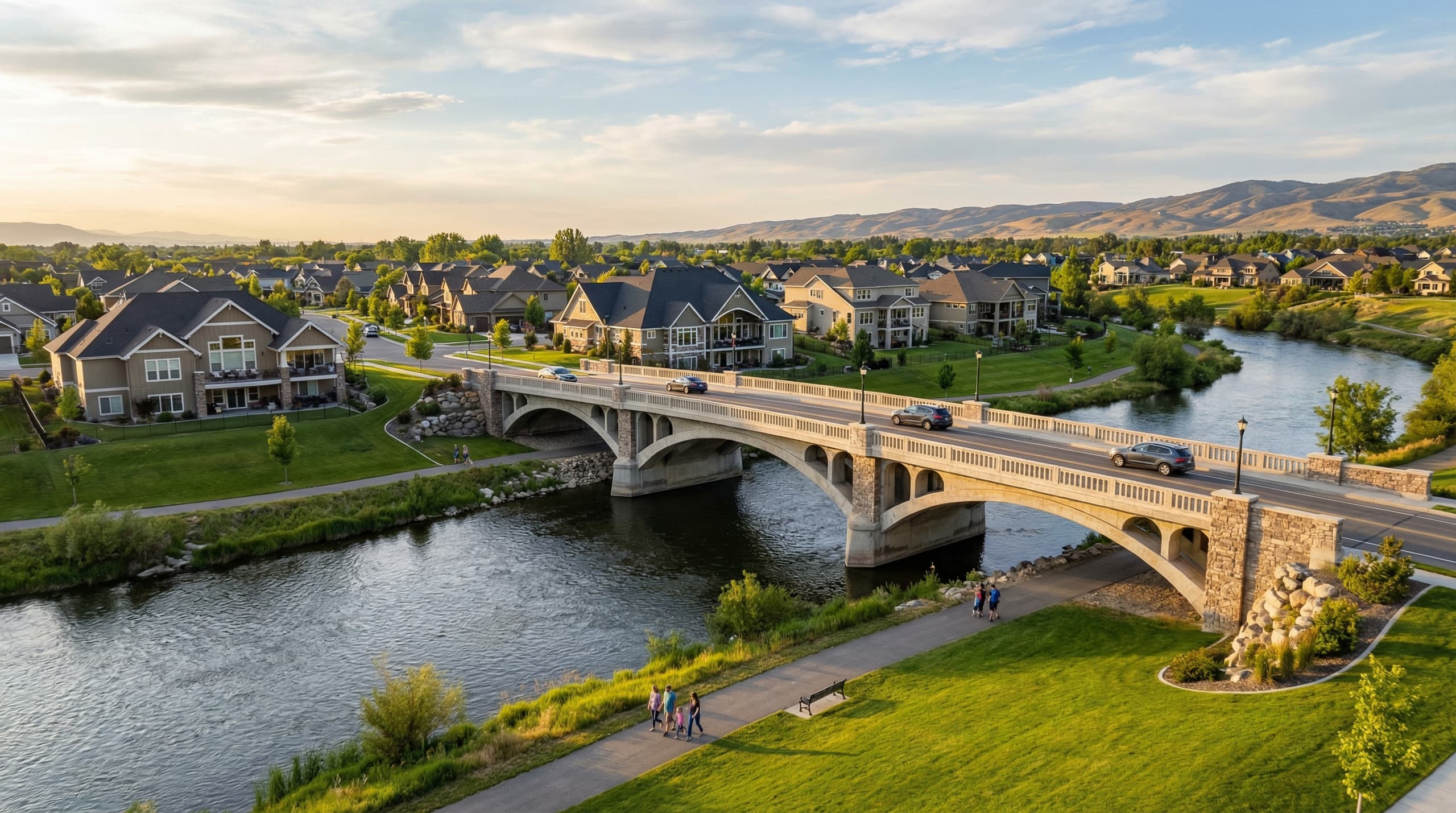
Settlers Bridge is one of Meridian's most desirable family neighborhoods, featuring excellent schools, parks, and community amenities that make it perfect for raising children. The subdivision's name honors the historical Settlers Irrigation Canal that runs nearby, and while this waterway adds character to the area, it also creates moisture conditions that support pest populations. Settlers Bridge homes were built during Meridian's residential boom, and the neighborhood has matured with established trees, landscaping, and interconnected yards that allow pests to move easily between properties. Families here need pest control that's effective yet safe for children playing in yards and pets exploring the neighborhood.
- Settlers Irrigation Canal creates moisture supporting pest populations
- Mature trees and landscaping provide connected pest habitats
- Family-oriented community requires safe treatment methods
- Established neighborhood means homes may have developed entry points
Common Pests in Settlers Bridge
Settlers Bridge FAQ
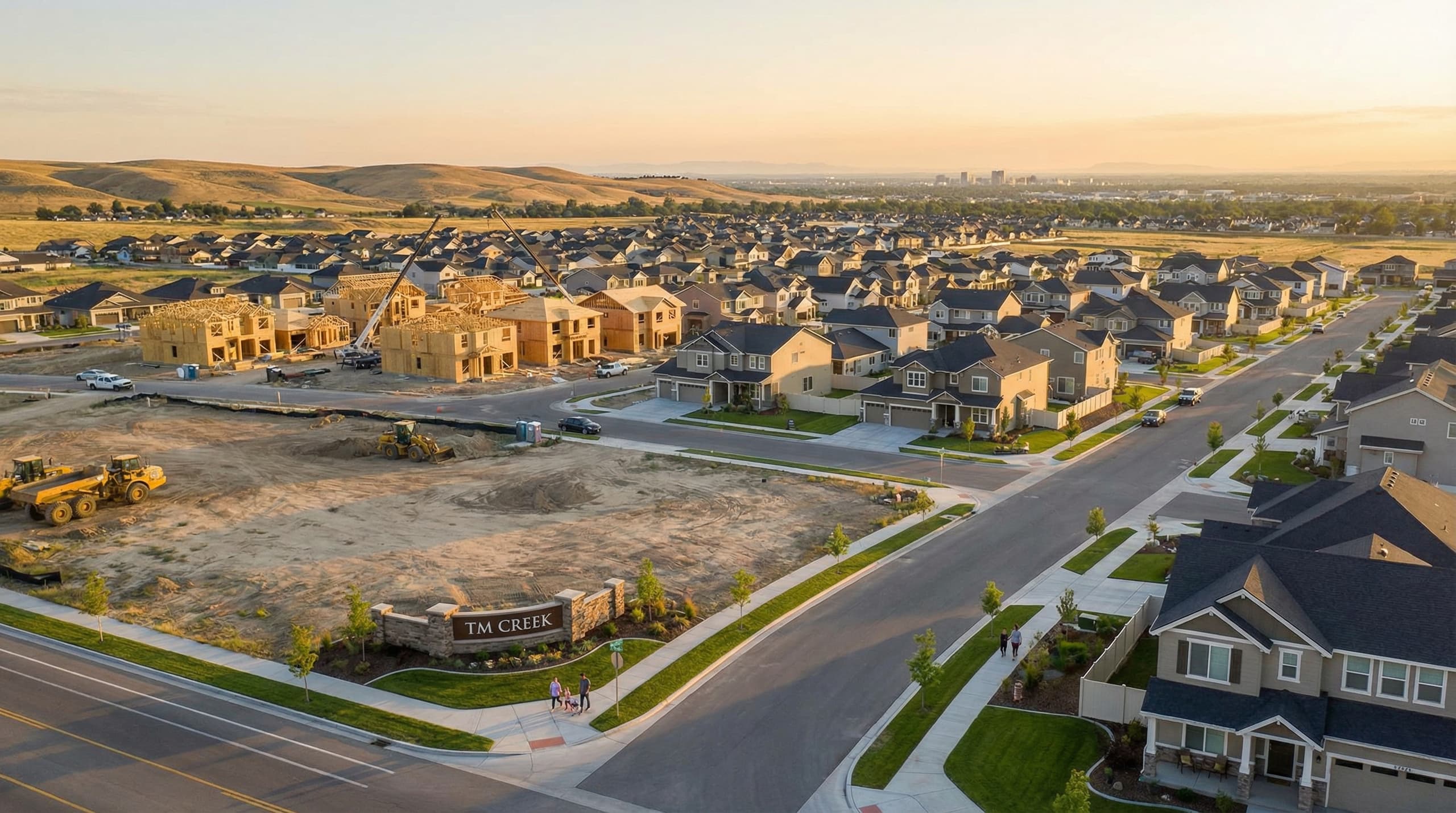
TM Creek represents Meridian's modern approach to master-planned communities, featuring newer homes built to current codes, community parks, walking paths, and convenient access to the Ten Mile Interchange. While newer construction offers some pest advantages like tighter building envelopes, the ongoing development in the area constantly displaces existing pest populations. Construction activities disturb ant colonies, spider habitats, and rodent burrows, driving them toward completed homes in search of shelter. TM Creek's extensive landscaping and irrigation systems, installed to quickly establish the neighborhood's aesthetic, create moisture conditions that attract pests. Proactive pest control is essential for new homeowners to prevent pest populations from establishing before they become problems.
- Ongoing construction displaces pests toward established homes
- New landscaping and irrigation create moisture attracting pests
- Newer homes have fewer developed entry points but still need protection
- Ten Mile corridor development brings continuous pest pressure
Common Pests in TM Creek
TM Creek FAQ
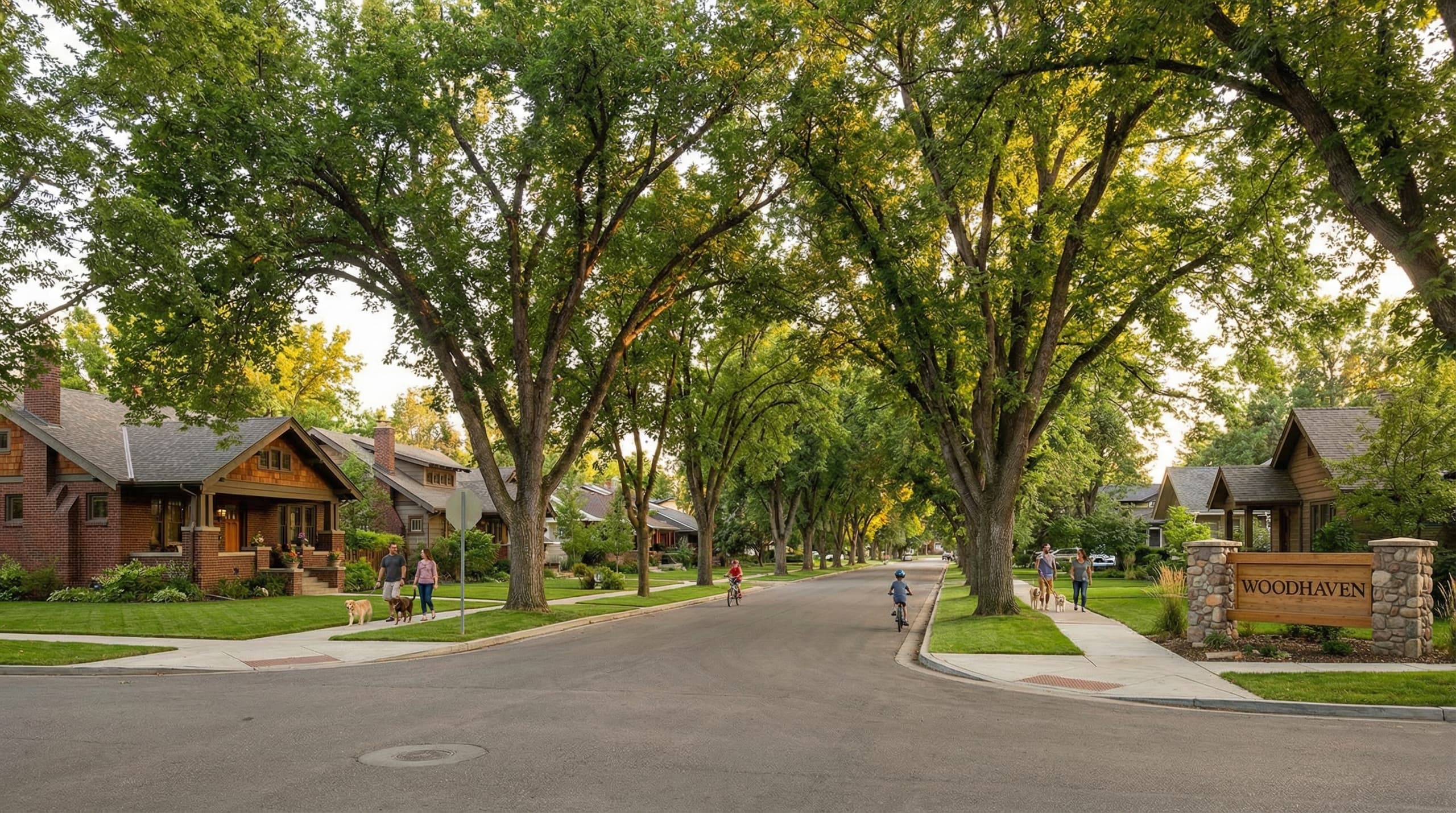
Woodhaven is one of South Meridian's established residential communities, featuring mature trees, well-developed landscaping, and homes that have stood the test of time. The neighborhood's name reflects its wooded character, with large deciduous and evergreen trees providing shade and beauty throughout the seasons. However, these mature trees also harbor carpenter ants, bark beetles, and various spider species. The neighborhood's interconnected landscaping creates highways for pests moving between properties. Older homes in Woodhaven may have developed small cracks, gaps, and entry points over time that pests exploit. Our experienced technicians understand both the benefits and pest challenges of established neighborhoods like Woodhaven.
- Mature trees harbor carpenter ants, spiders, and bark beetles
- Established landscaping creates connected pest habitats
- Older homes may have developed pest entry points
- Dense vegetation provides extensive pest harborage
Common Pests in Woodhaven
Woodhaven FAQ
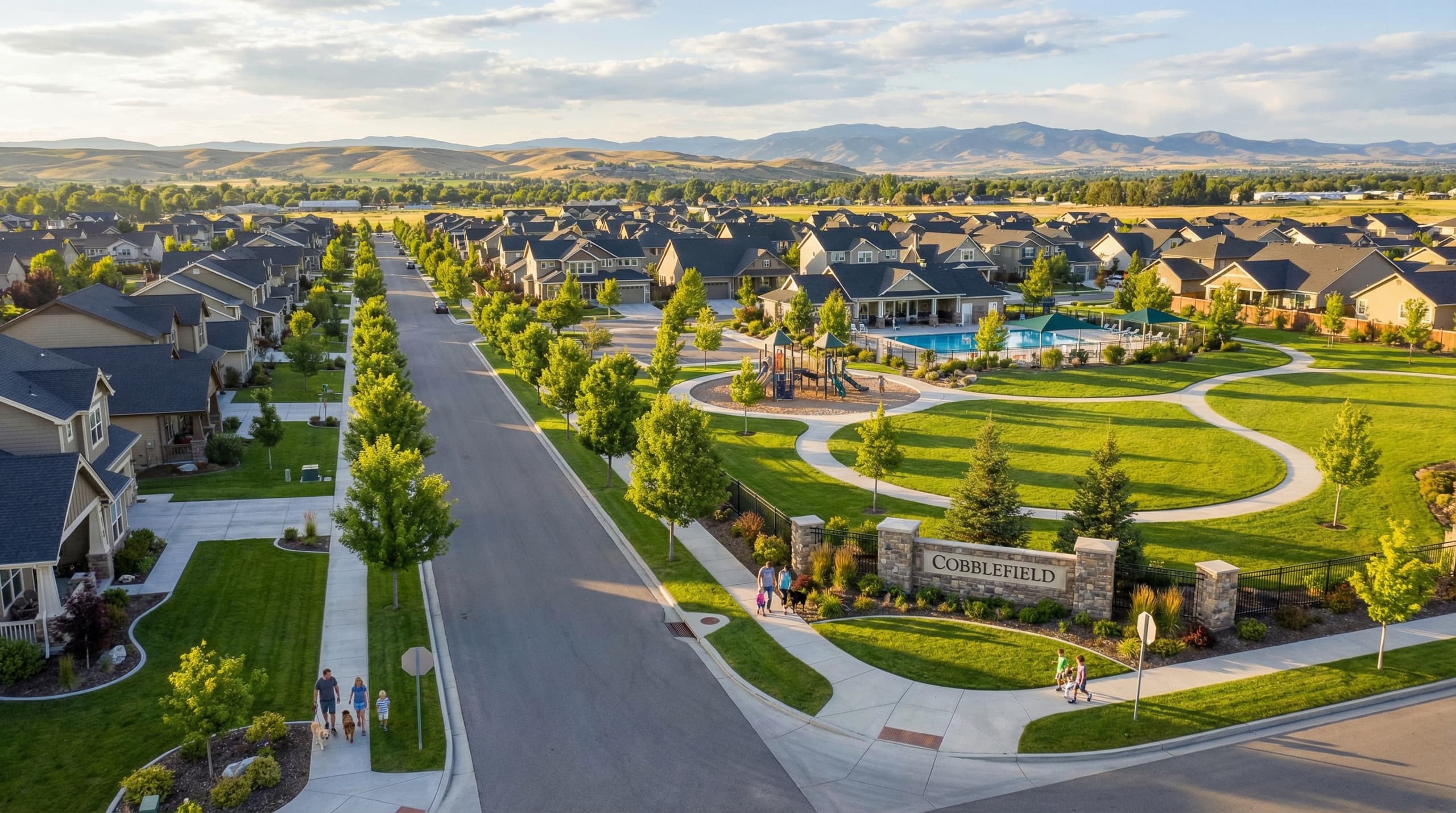
Cobblefield is a welcoming South Meridian neighborhood that combines quality homes with family-friendly amenities. The subdivision's convenient location near the Victory Road and Locust Grove intersection provides easy access to shopping, schools, and entertainment while still maintaining a quiet residential atmosphere. Like many South Meridian communities, Cobblefield was developed on former agricultural land where pest populations were already established. The transition from farm to neighborhood brought homes into contact with field mice, ground-nesting ants, and spiders that adapted to the new residential environment. Nearby irrigation infrastructure and the area's open character contribute to ongoing pest pressure that requires regular management.
- Former agricultural land has established pest populations
- Nearby irrigation creates moisture attracting pests
- Mix of residential and open land increases pest movement
- Family neighborhood requires safe, effective treatments
Common Pests in Cobblefield
Cobblefield FAQ
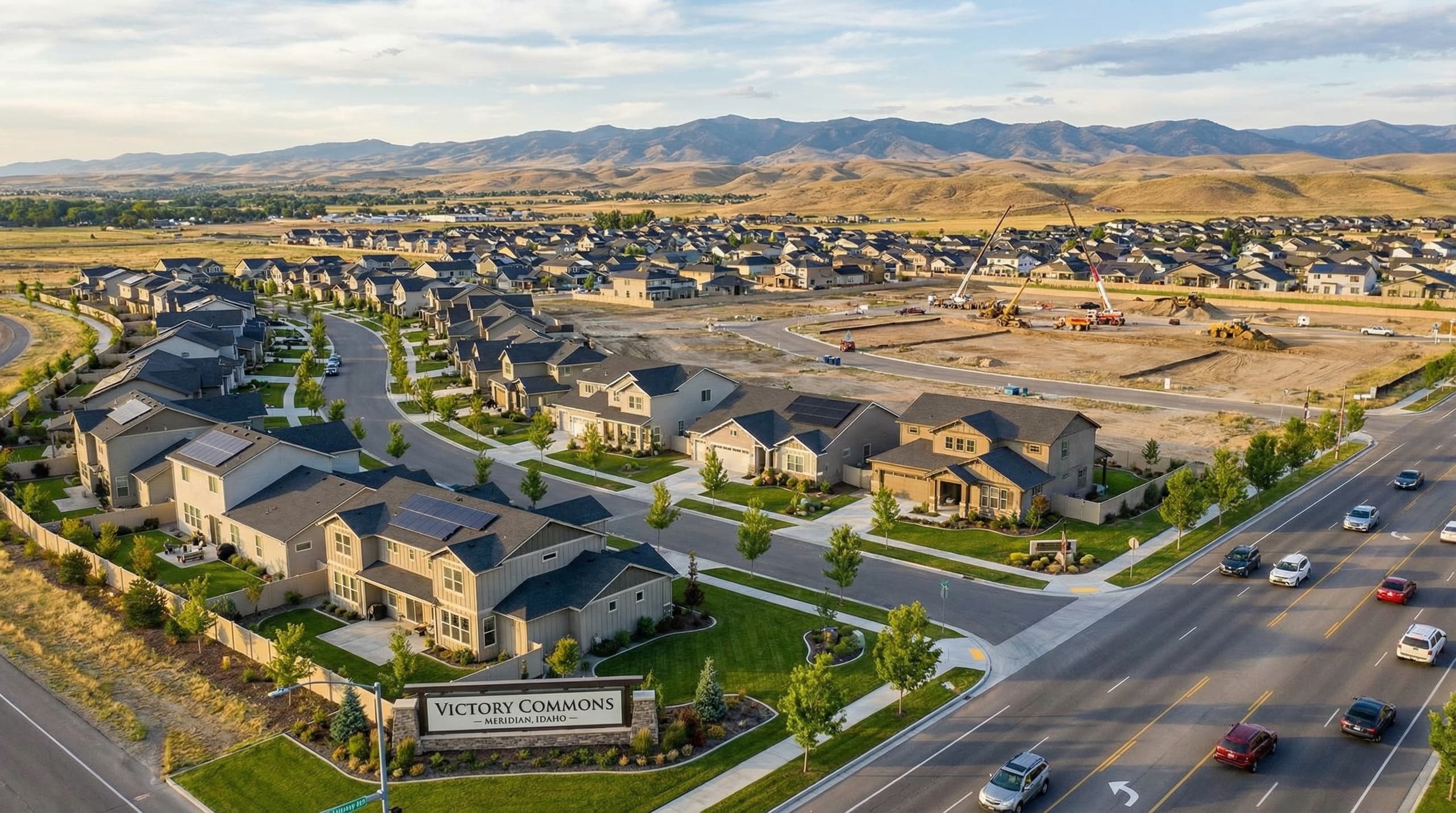
Victory Commons encompasses the residential areas along the Victory Road corridor, one of South Meridian's most dynamic growth zones. This area mixes newer developments with established neighborhoods, commercial centers, and remaining open land, creating a complex pest environment. The ongoing construction displaces existing pest populations while the mix of land uses provides varied food and shelter sources for pests. Victory Road's commercial establishments, restaurants, and shopping areas can generate pest populations that spread to nearby residential areas. The area's irrigation infrastructure and proximity to agricultural land add additional pest pressure. Homes in Victory Commons benefit from proactive pest management that addresses both residential and commercial pest sources.
- Mix of residential, commercial, and open land increases pest variety
- Ongoing development displaces pests toward established homes
- Commercial food establishments attract rodents and cockroaches
- Agricultural proximity brings seasonal pest migrations
Common Pests in Victory Commons
Victory Commons FAQ
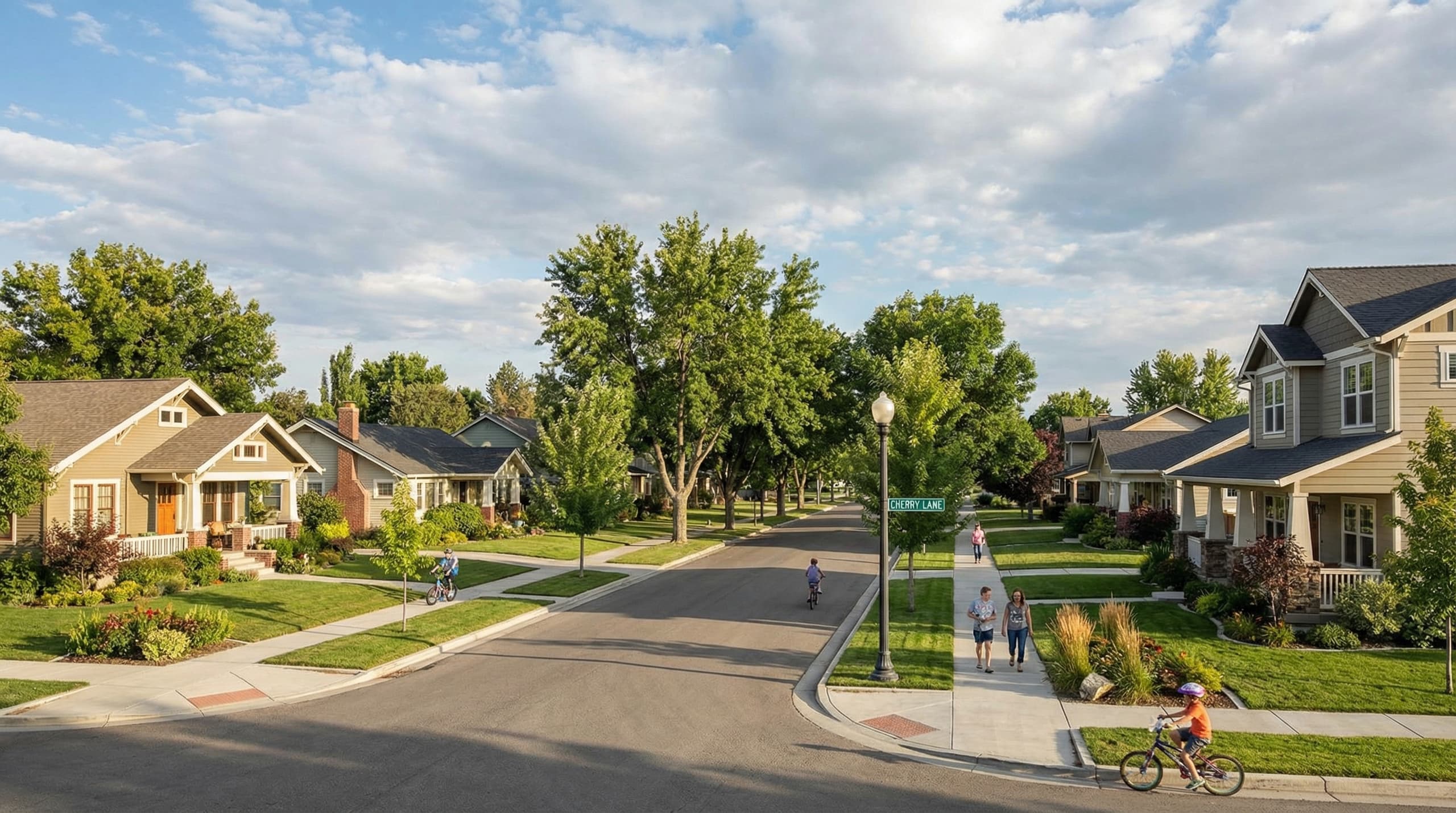
The Cherry Lane corridor runs through the heart of Meridian, connecting residential neighborhoods, schools, parks, and commercial areas. This central location makes Cherry Lane properties desirable but also exposes them to diverse pest pressures. The area features a mix of home ages, from classic Meridian residences built decades ago to newer infill construction. Mature street trees, established landscaping, and the variety of adjacent land uses create connected habitats for pests. The Cherry Lane area's irrigation infrastructure, including the historic canals and modern sprinkler systems, provides moisture that sustains pest populations year-round. Properties here benefit from pest control that understands both older home construction and the area's unique environmental conditions.
- Mix of older and newer homes with varied construction methods
- Mature trees and landscaping provide extensive pest harborage
- Central location means exposure to diverse pest sources
- Irrigation infrastructure creates moisture-rich environments
Common Pests in Cherry Lane
Cherry Lane FAQ
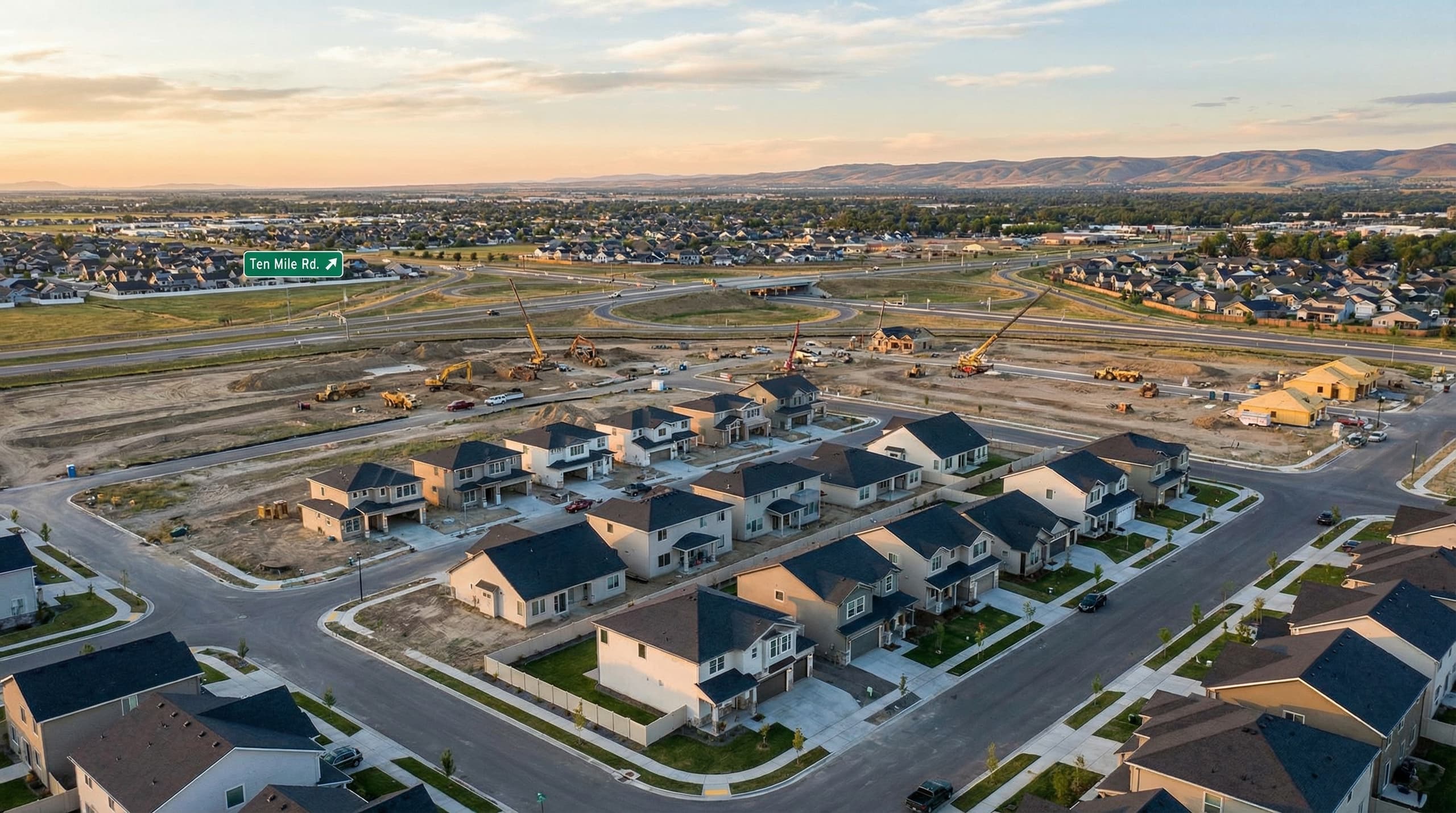
The Ten Mile corridor is Meridian's western growth frontier, experiencing explosive development that transforms agricultural land into residential and commercial property almost monthly. This constant construction activity disrupts established pest habitats, driving displaced ants, spiders, and rodents toward completed homes. The Ten Mile Interchange has attracted major retail and commercial development, creating environments that support pest populations which then spread to nearby residences. Many Ten Mile homes are brand new, and homeowners often discover pests arriving before they've finished unpacking. The area's irrigation infrastructure, remnants of agricultural use, and newly installed landscaping all contribute to conditions that pests find attractive. Starting pest control early is essential in Ten Mile.
- Constant construction displaces pests toward finished homes
- New landscaping and irrigation attract moisture-seeking pests
- Commercial development generates pest populations affecting residents
- Agricultural transition brings field pests into residential contact
Common Pests in Ten Mile
Ten Mile FAQ
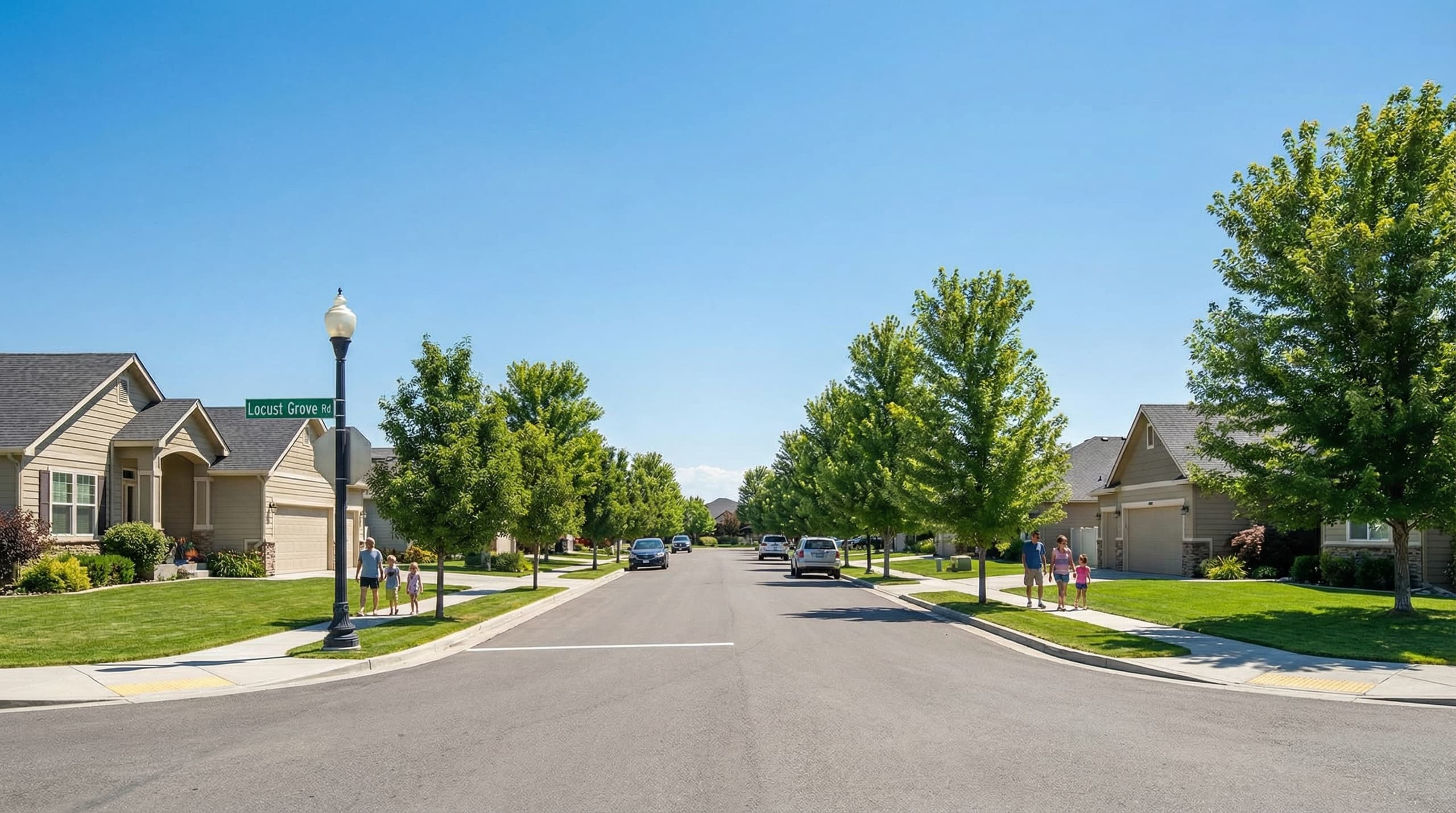
Locust Grove Road is a major north-south corridor running through the heart of Meridian, connecting diverse neighborhoods from the Boise border to South Meridian's growing edge. The corridor features a complete spectrum of Meridian housing, from older established neighborhoods near downtown to brand-new construction toward the city's southern limits. This variety means pest challenges differ significantly along the route. Northern sections near McMillan have mature trees and established pest populations, while southern areas toward Victory and Lake Hazel see construction-related pest displacement. Throughout the corridor, the mix of residential, commercial, and school properties creates interconnected pest habitats that require consistent management.
- North-south corridor connects diverse pest environments
- Older northern sections have mature pest populations
- Southern growth areas face construction pest displacement
- School and commercial properties contribute to pest movement
Common Pests in Locust Grove
Locust Grove FAQ
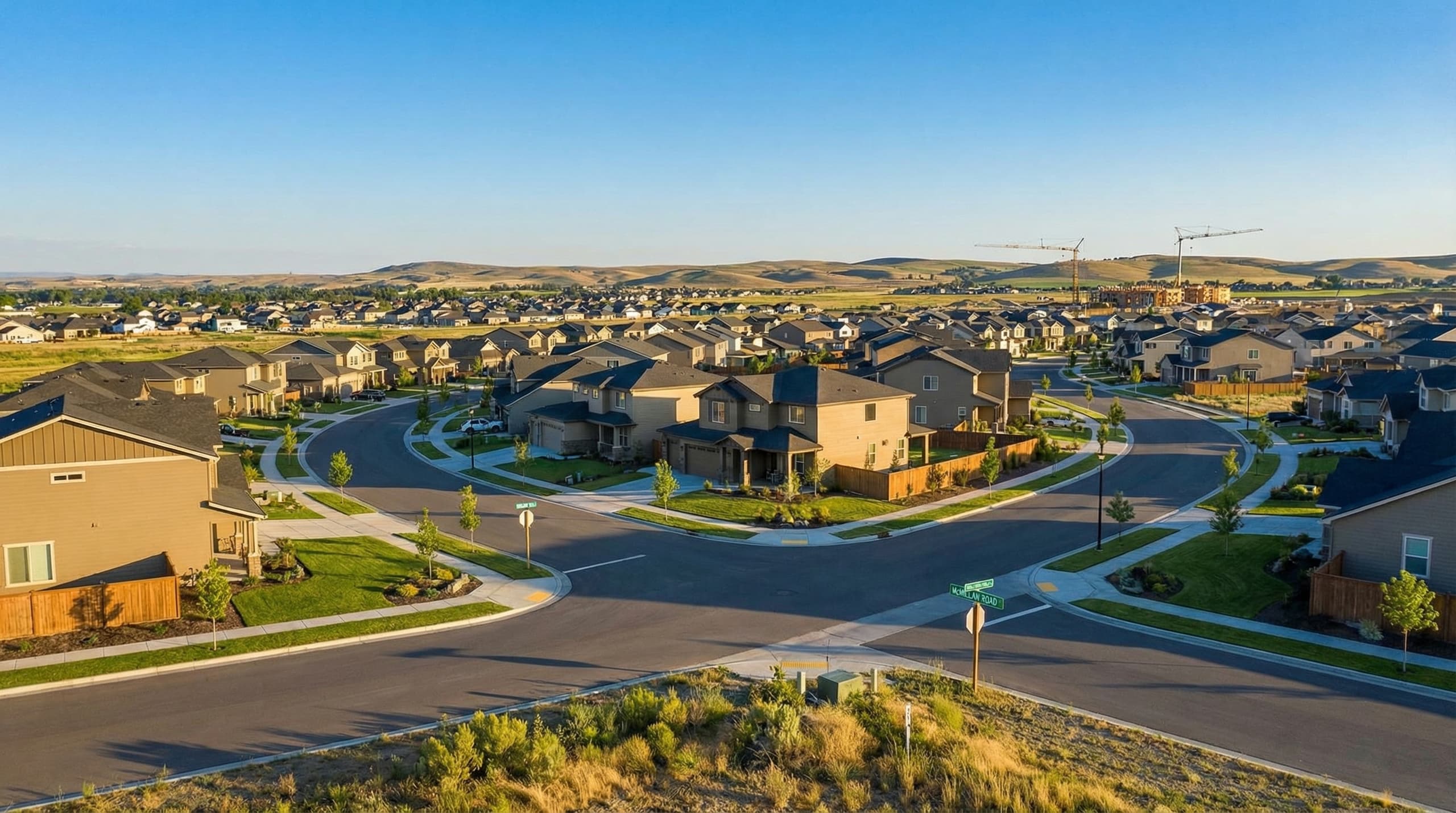
The McMillan Road corridor marks the northern edge of much of Meridian's residential development, with neighborhoods extending both north toward the Boise border and south into Meridian's interior. This transitional position creates unique pest dynamics. Properties near McMillan border some remaining open spaces and agricultural parcels that harbor pest populations. The area's mix of housing ages, from 1990s construction to recent developments, means varied building methods and corresponding pest vulnerabilities. Several irrigation canals cross the McMillan area, providing moisture corridors that sustain spiders, ants, and mosquitoes. The corridor's commercial development along key intersections also contributes to pest movement patterns.
- Transitional zone between developed and open land increases pest pressure
- Mix of home ages means varied construction and entry points
- Irrigation canals create moisture corridors for pests
- Commercial nodes generate pest populations affecting nearby homes
Common Pests in McMillan
McMillan FAQ
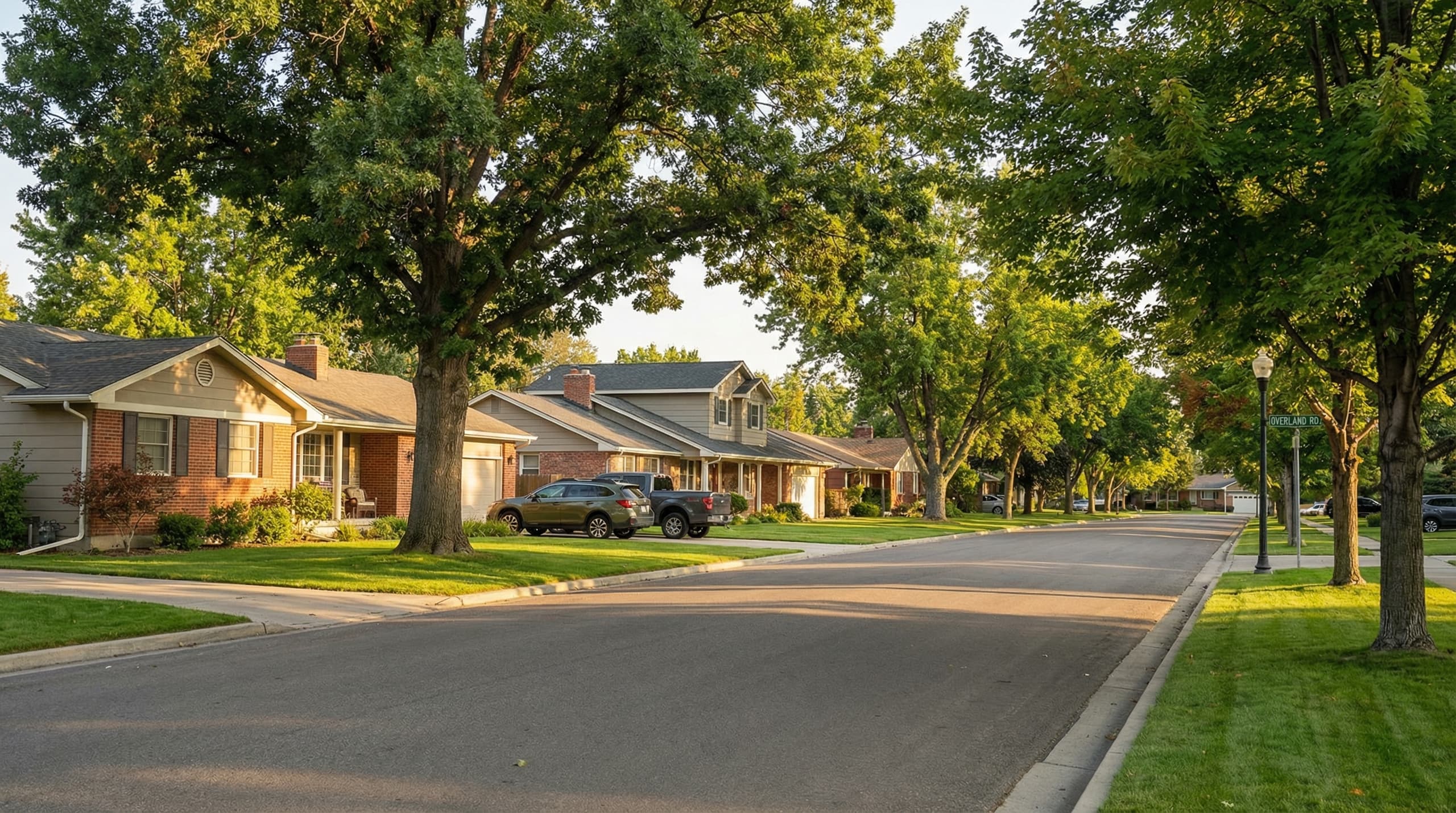
Overland Road serves as a central east-west artery through Meridian, connecting Boise to the growing western reaches of the city. The residential neighborhoods along this corridor represent some of Meridian's most established areas, with homes dating from the 1980s through recent construction. This mix of housing ages creates varied pest vulnerabilities, from older homes with developed entry points to newer construction facing displacement pressure from ongoing development. The Overland corridor features mature street trees, established landscaping, and a blend of single-family homes, apartments, and commercial properties that create interconnected pest habitats. The area's location between downtown Meridian and the expanding western developments means pest pressure from multiple sources.
- Mixed-age housing stock creates varied pest entry vulnerabilities
- Mature trees and landscaping provide connected pest harborage
- Commercial properties contribute to pest populations
- Central location means pressure from developed and developing areas
Common Pests in Overland
Overland FAQ

Ustick Road runs through the heart of Meridian's residential growth, connecting established neighborhoods near Eagle Road to rapidly developing areas toward Ten Mile and beyond. This corridor has seen tremendous transformation over the past decade, with agricultural parcels becoming subdivisions at a remarkable pace. The result is a landscape where brand-new homes neighbor established properties, and construction activity is nearly constant. This environment creates ongoing pest displacement, as each new development pushes existing pest populations toward completed homes. The Ustick corridor's commercial development at major intersections adds another layer of pest pressure, while the remaining agricultural influences contribute seasonal pest migrations.
- Rapid development creates constant pest displacement pressure
- Mix of new and established homes means varied pest challenges
- Commercial intersections generate additional pest activity
- Agricultural transition brings field pests into contact with homes
Common Pests in Ustick
Ustick FAQ
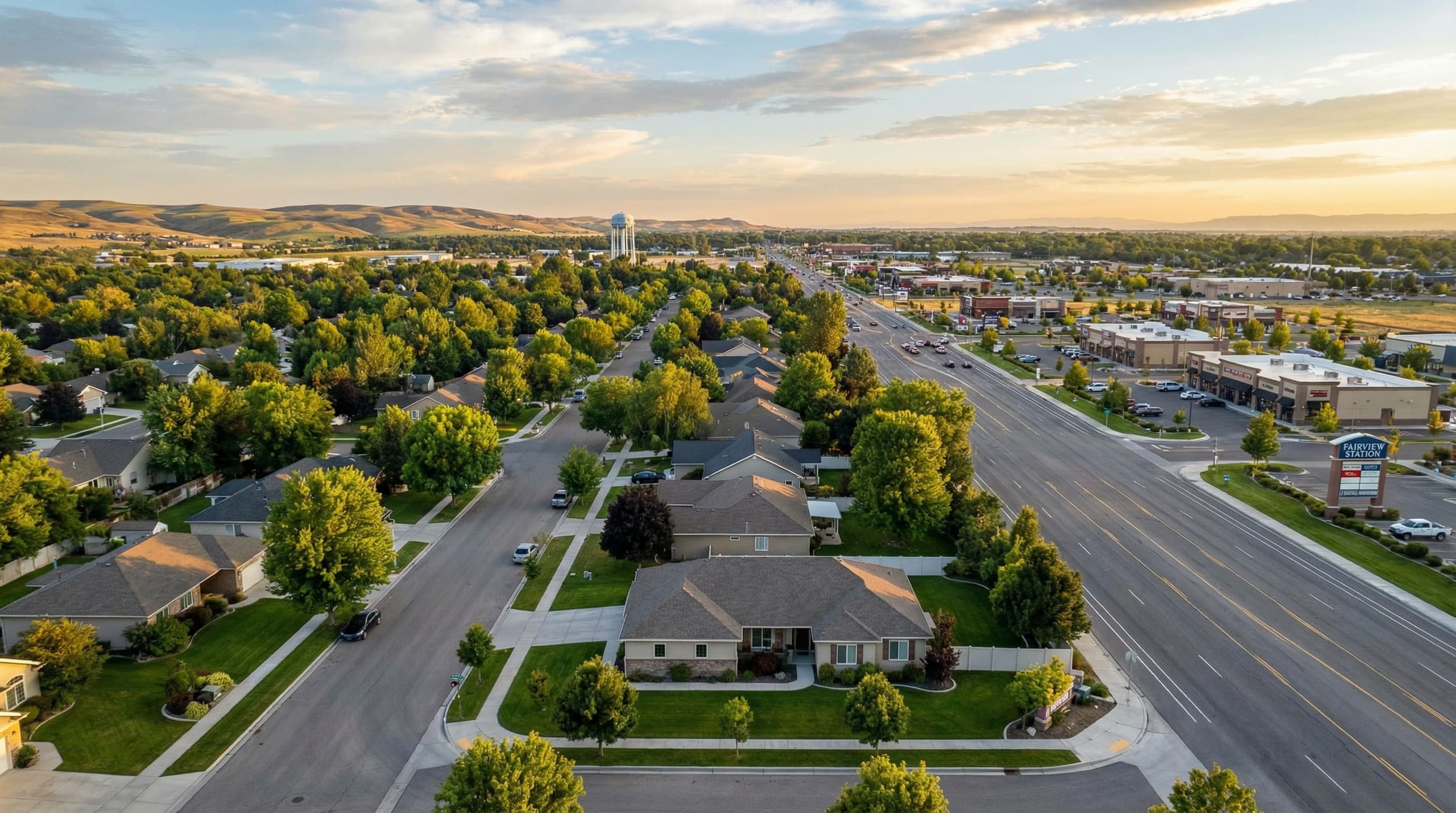
Fairview Avenue is Meridian's primary commercial corridor, featuring shopping centers, restaurants, medical facilities, and continuous vehicle traffic. While the avenue itself is predominantly commercial, residential neighborhoods extend behind this commercial frontage, placing homes in close proximity to establishments that attract and support pest populations. Restaurants and food service operations along Fairview generate organic waste that attracts rodents and cockroaches. Retail centers with loading docks and storage areas provide pest harborage. The corridor's extensive landscaping, maintained for aesthetic appeal, also creates environments where pests thrive. Homes near Fairview experience pest pressure from these commercial sources in addition to typical residential pest issues.
- Restaurant row generates food waste attracting rodents
- Commercial loading docks and storage harbor pests
- Retail landscaping provides pest habitat near homes
- High traffic corridor means pests easily spread between properties
Common Pests in Fairview
Fairview FAQ
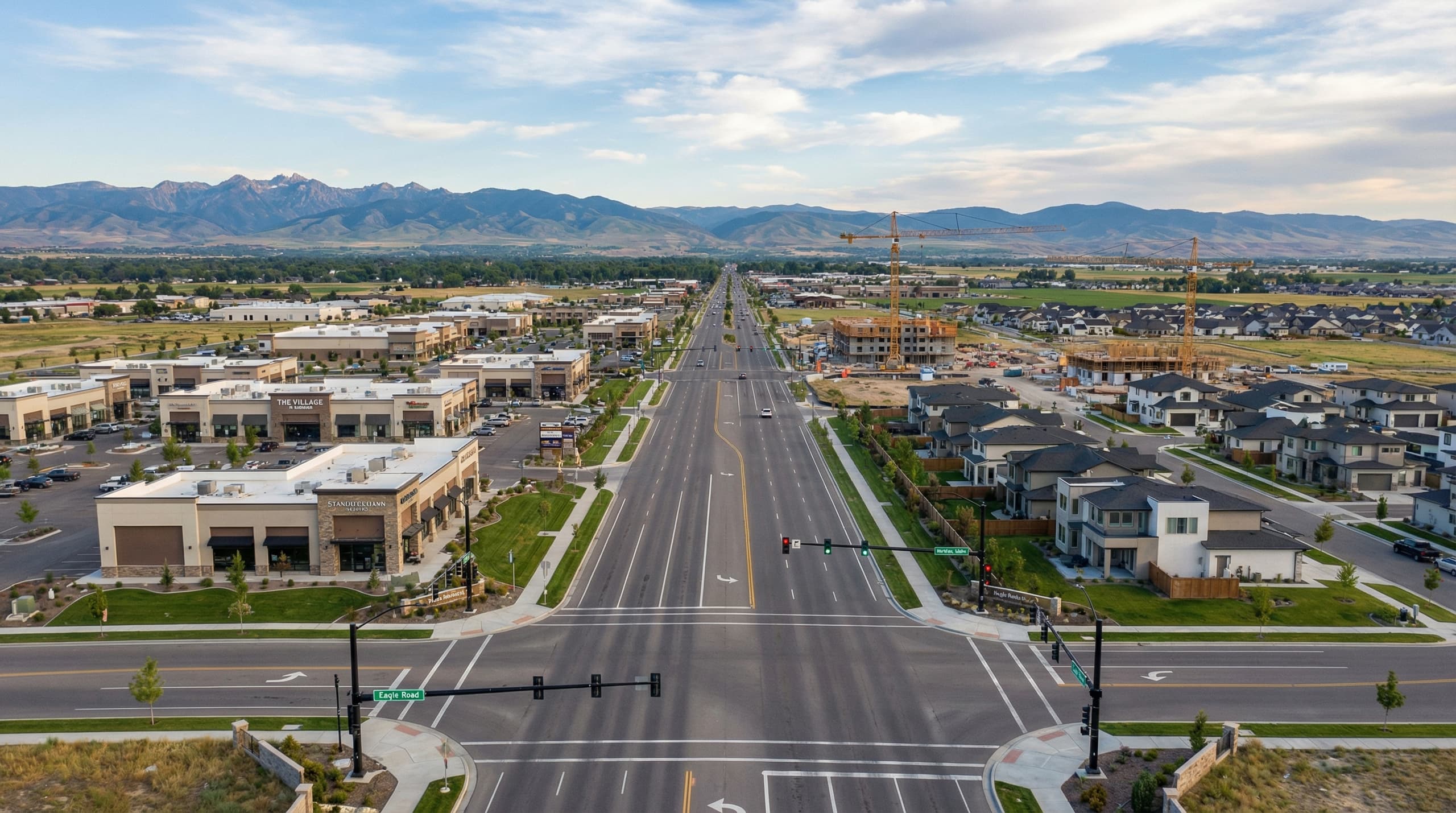
Eagle Road is the Treasure Valley's most traveled corridor, carrying over 50,000 vehicles daily through Meridian's commercial and residential heart. This major north-south artery features The Village at Meridian, Costco, countless restaurants, medical centers, and retail establishments, all of which attract and support diverse pest populations. Residential neighborhoods extend behind this commercial frontage, placing homes in direct proximity to pest-generating environments. The corridor's development history means properties range from newer construction to established homes, each with unique pest vulnerabilities. Eagle Road's landscaping, irrigation, and constant construction activity create conditions where pests thrive and readily move between commercial and residential properties.
- Treasure Valley's busiest commercial corridor attracts diverse pests
- Restaurant density creates food sources for rodents and insects
- Mix of commercial and residential zones facilitates pest movement
- Constant development and construction displaces pest populations
Common Pests in Eagle Road
Eagle Road FAQ
Frequently Asked Questions
How much does pest control cost in Meridian?
Green Guard pest control in Meridian starts at just $49 for your initial treatment, then $119 per quarter for ongoing protection. This simple pricing covers all Meridian neighborhoods from Paramount to Lochsa Falls to Ten Mile. If pests return between quarterly visits, we'll re-treat at no additional charge. No hidden fees, no surprise charges.
Why do new Meridian homes have pest problems?
Meridian's rapid growth means construction constantly disturbs established pest habitats. When fields become subdivisions, rodents, ants, and spiders that lived there seek new shelter—often in nearby homes. New construction also has fresh lumber attractive to carpenter ants and gaps in weatherstripping that haven't fully sealed. We recommend preventive treatment within the first year of occupancy for all new Meridian homes.
What pests are most common in Meridian neighborhoods?
Meridian's most common pests include pavement ants (especially in newer driveways and patios), hobo spiders in basements and crawl spaces, house mice seeking shelter in wall voids, and paper wasps under eaves. Neighborhoods near agricultural areas like South Meridian see more rodent activity. The Ten Mile area and developments near irrigation canals experience increased mosquito and spider populations.
Do you offer pest control for Meridian rental properties?
Yes, we work with Meridian landlords, property managers, and tenants throughout the city. We offer landlord billing, tenant coordination, and multi-unit discounts for apartment complexes and rental home portfolios. Our detailed service reports help property managers maintain documentation for lease compliance and move-in/move-out inspections.
How quickly can you get to my Meridian home?
We offer same-day service throughout Meridian for urgent pest situations. Our technicians service all Meridian neighborhoods daily, from Downtown Meridian to South Meridian to the newest developments near Ten Mile Road. For routine treatments, we typically schedule within 24-48 hours. Emergency wasp nest removal and rodent issues receive priority response.
What's included in your Meridian pest control service?
Our Meridian pest control includes complete interior and exterior treatment, foundation perimeter barrier, entry point identification, web and nest removal, and rodent monitoring. We treat for ants, spiders, wasps, mice, earwigs, and seasonal invaders. Service includes a detailed inspection report with photos and specific recommendations for your property and neighborhood.
Are treatments safe for my family and pets?
Absolutely. We use EPA-registered products applied according to strict safety guidelines. Treatments are safe for families and pets once dry, typically within 30-60 minutes. We offer eco-friendly options for Meridian families who prefer greener solutions. Our technicians will advise you on any specific precautions based on your household needs.
Do you service Meridian businesses and commercial properties?
Yes, we provide commercial pest control throughout Meridian including restaurants at The Village, retail stores, office buildings, warehouses, and healthcare facilities. We understand Meridian's growing business community needs discreet, reliable pest management. We offer after-hours service, health department documentation, and customized plans for restaurants, daycares, and medical offices.
We Also Serve Nearby Cities
Professional pest control throughout the Treasure Valley

Protect Your Meridian Home Today
Same-day service available. Call now to get started.