Quarterly Protection
$49 initial, then$119*/quarter
- Exterior perimeter barrier
- Covers 20+ common pests
- Free re-service guarantee

Updated September 2026 · Serving Caldwell, Idaho · Local team, local roots
Protecting Canyon County homes from agriculture-driven pests year-round, from Sunnyslope vineyards to the College of Idaho neighborhood.
Tap your pest problem to get started
Re-Service Between Visits
Caldwell Rating
Treasure Valley Homes
Office Hours, Mon to Fri
As the Canyon County seat (ZIP codes 83605, 83606, 83607), Caldwell's mix of historic downtown, agricultural areas, and newer developments creates varied pest pressures.
Downtown Caldwell and the College of Idaho area feature historic homes with aging foundations prone to pest entry. North Caldwell's newer subdivisions border farmland where field mice originate. The Sunnyslope wine country attracts unique pest challenges around vineyards and tasting rooms. Properties near the Snake River corridor deal with moisture-loving pests and increased mosquito activity.
Caldwell sits on the west side of the Treasure Valley, where the suburbs end and Canyon County's working farms begin. The Boise River curves along the south end of town, Indian Creek runs right through downtown, and the Snake River corridor is fifteen minutes west. Pest pressure here is shaped by all of that water, the dairy and row-crop operations that ring the city, and a mix of old railroad-era homes and brand-new subdivisions out toward the Sunnyslope wine country.
Rodents are, by a wide margin, the number one call we get in Caldwell. Every fall when the irrigation shuts off and the corn, sugarbeets, and hay come out of the fields, deer mice and house mice move toward the nearest warm structure. If you live anywhere south of I-84, along Farmway Road, out toward Notus, or in the older neighborhoods around Canyon Hill, you'll see this pattern between late September and March. Deer mice are the main hantavirus carrier in Idaho, so droppings in a shed or detached garage aren't something to sweep up dry. Dampen them with a bleach solution, bag them, and seal the entry points before the next group moves in.
Ants are the second-biggest complaint, and the species depends on where you live. Newer slab builds in Ustick and out toward the Caldwell Blvd corridor see pavement ants trailing up through driveway and patio expansion joints. Older homes in Downtown Caldwell, Canyon Hill, and the College of Idaho neighborhoods get odorous house ants in the kitchen and carpenter ants in moisture-damaged framing. Carpenter ants are often mistaken for termites in 1920s and 1930s Caldwell farmhouses (Green Guard refers termites to trusted specialists and treats carpenter ants).
Indian Creek and the Boise River corridor create a moisture belt that supports earwigs, silverfish, and mosquitoes from May through September. Homes along the Indian Creek Plaza area, along Plymouth Street, and out toward Caldwell Pond see noticeably heavier pressure here. Spiders are the year-round constant. Hobo spiders set up in Caldwell basements and crawl spaces, and black widows show up in detached garages, outbuildings, and irrigation valve boxes on the rural edges of town.
The other split that defines pest control in Caldwell is older home vs. newer build. Caldwell has plenty of housing stock from the 1900s to 1940s railroad era, with stone foundations and field-stone crawl spaces that let mice and spiders inside year-round. The newer subdivisions north of Ustick Road and out toward Middleton have tighter envelopes but sit on disturbed ag ground, so the first year or two homeowners often discover trails of pavement ants in fresh driveways and voles in fresh sod.
As of September 2026, Green Guard runs Caldwell regularly across ZIP codes 83605, 83606, and 83607. We usually get out within 24 to 48 hours, and same-day is often available. Initial treatment is $49 for any home size with a quarterly or bimonthly plan, quarterly service starts at $119, and the free re-service guarantee means if pests come back between visits, we come back too.

"After three other companies couldn't keep ants out of our kitchen, Green Guard solved it in one visit. Six months later, still zero ants."
"I was skeptical at first, but Green Guard exceeded every expectation. They found entry points I never knew existed and haven't seen a spider since."
"After two other companies failed, Green Guard solved our ant problem in one visit. Professional, thorough, and actually effective."
We provide pest control services throughout Caldwell and surrounding areas.
Local pest challenges and solutions for every Caldwell neighborhood
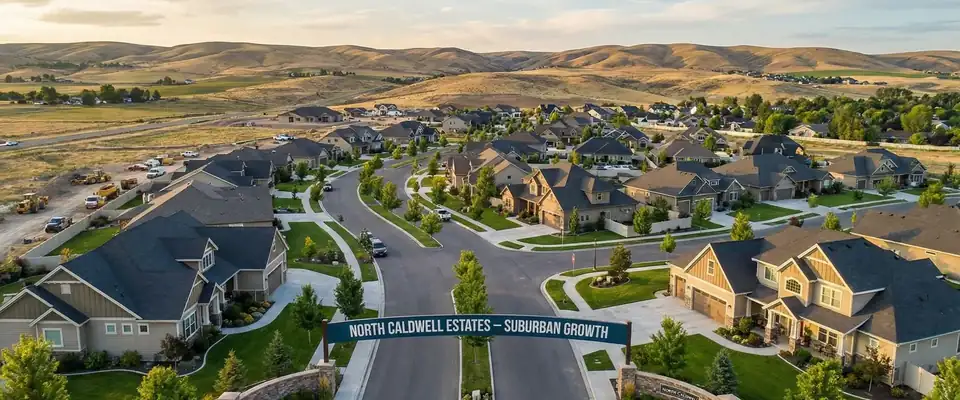
North Caldwell represents one of Canyon County's fastest-growing residential areas. New subdivisions like Ashford Greens, Northside Crossing, and Canyon Crest border active agricultural land where field mice, voles, and insects originate. When harvest season disrupts rodent habitats in surrounding farmland, these pests migrate toward the warmth and food sources in residential properties. The newer construction means tight home envelopes, but landscaping installation and settling foundations create temporary pest entry points that are worth treating early.
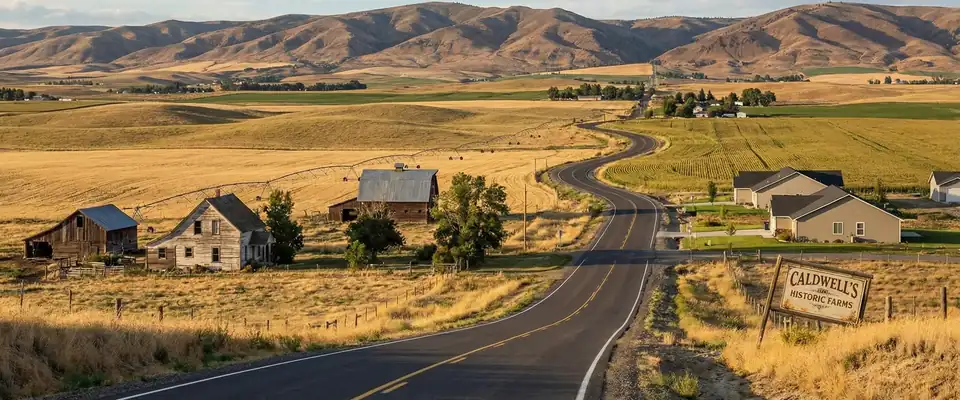
South Caldwell's proximity to Lake Lowell and the Deer Flat National Wildlife Refuge creates a distinct pest environment. The abundant moisture, mature landscaping, and irrigation systems in this established area attract moisture-loving pests like earwigs, pillbugs, and silverfish. Agricultural operations to the south bring seasonal influxes of field pests. Many South Caldwell homes feature large lots with established trees, creating ideal habitat for spiders, wasps, and rodents. The blend of rural character and residential development requires pest control that understands both environments.

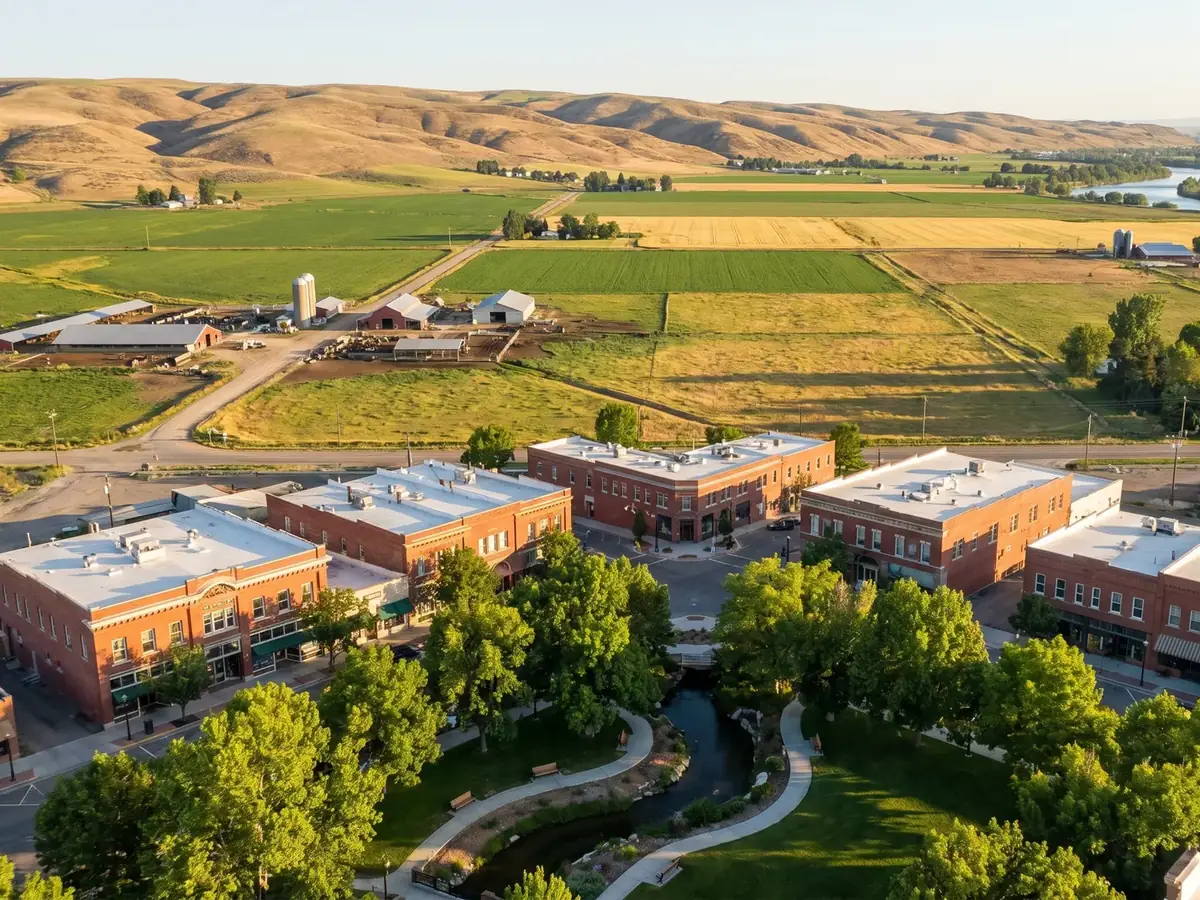
As the Canyon County seat, Downtown Caldwell features historic commercial buildings, government offices, and charming residential streets dating back over a century. These older structures present unique pest challenges with aging foundations, original wood framing, and decades of modifications that create pest entry points. Indian Creek running through downtown attracts moisture-loving pests, while the mix of restaurants, retail, and residences provides varied food sources for ants, rodents, and cockroaches. The established trees lining downtown streets harbor spider and wasp populations that affect nearby buildings.
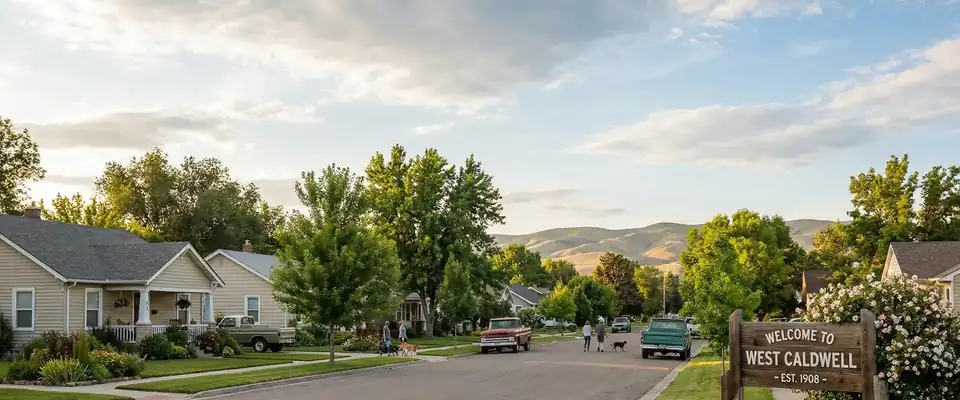
West Caldwell encompasses the renowned Sunnyslope wine district, where Idaho's wine industry thrives on the sunny hillsides above the Snake River. This agricultural heritage creates distinct pest pressures. Vineyards and orchards attract yellow jackets and wasps, while rural properties provide habitat for field mice, gophers, and various ground-dwelling pests. Many West Caldwell homes sit on larger lots with outbuildings, gardens, and mature landscaping that harbor pest populations. The transition zone between agricultural and residential use means constant pest migration.
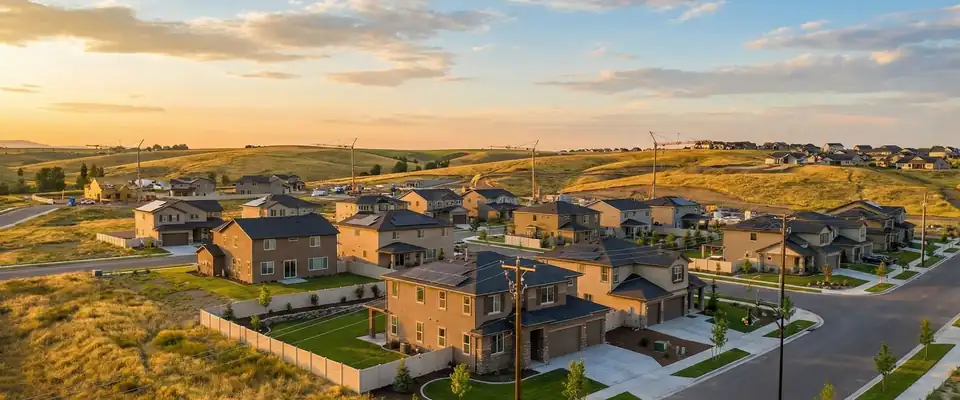
East Caldwell represents the dynamic growth corridor between Caldwell and Nampa, where Canyon County's development is most active. This area features a mix of established neighborhoods along Cleveland Boulevard and newer developments pushing toward the freeway. The blend of residential growth, commercial development, and remaining agricultural parcels creates ideal conditions for pest migration. East Caldwell properties deal with pests from both urban sources (restaurants, strip malls) and rural origins (orchards, farmland). The I-84 corridor creates a pest highway connecting properties throughout the area.
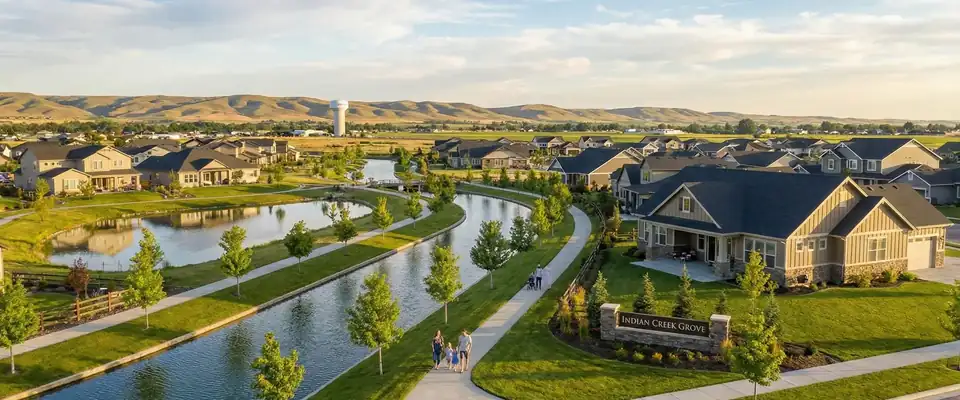
Indian Creek flows through the heart of Caldwell, creating a green corridor that's beautiful but also perfect pest habitat. Properties along the creek enjoy mature cottonwoods, willows, and lush vegetation, all of which harbor significant pest populations. The constant moisture supports earwigs, pillbugs, mosquitoes, and moisture-seeking ants in numbers well above typical residential areas. Spiders thrive in the abundant insect population near the water. The creek also provides a wildlife corridor that brings mice, voles, and occasional larger pests to adjacent properties. From Indian Creek Plaza to residential neighborhoods, proximity to water means elevated pest pressure.
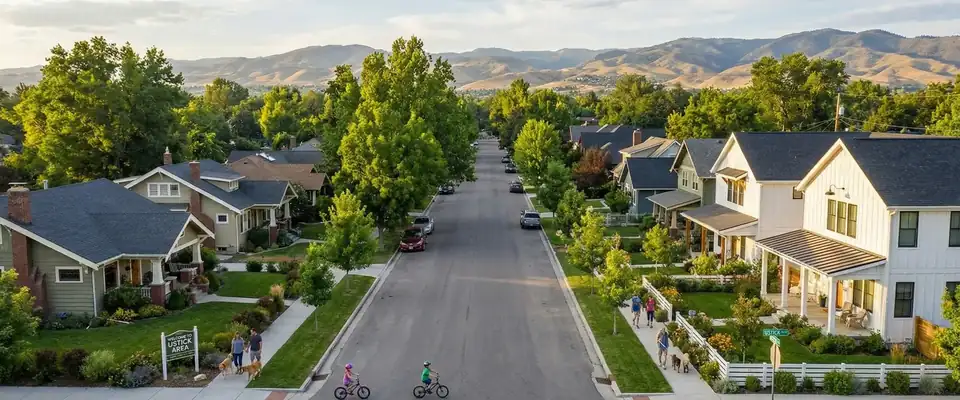
The Ustick Road corridor represents Caldwell's dynamic northern edge, where Canyon County's agricultural heritage meets modern residential development. This transitional zone presents significant pest management challenges. New subdivisions are carved from farmland where rodent populations are well-established. Fresh infrastructure (sidewalks, driveways, and foundations) attracts pavement ants and provides entry points for various pests. The remaining agricultural operations create ongoing pest pressure, while new landscaping and irrigation attract moisture-loving insects. Ustick Road connects to Nampa's growth areas, creating a continuous development corridor with shared pest challenges.
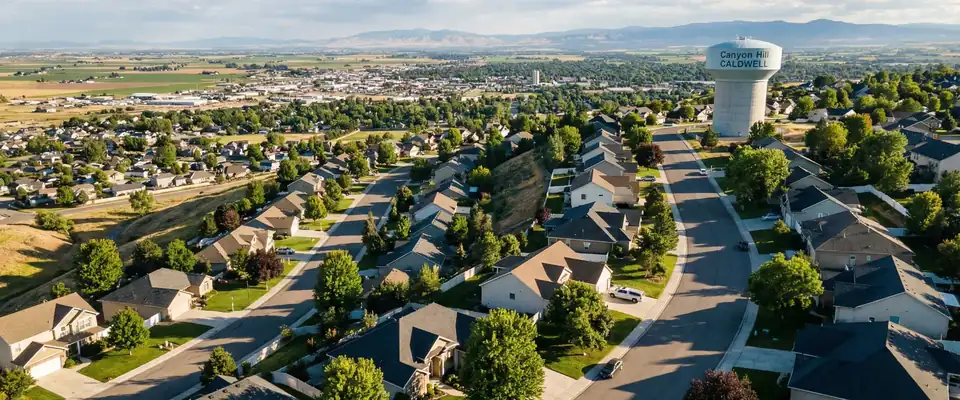
Canyon Hill and Caldwell's elevated neighborhoods offer stunning views of the Snake River Valley, but the hillside terrain creates distinct pest management needs. These properties feature rocky outcroppings, native vegetation, and terrain that provides excellent habitat for black widow spiders, scorpions, and various snake species. The southern exposure that makes these homes desirable also creates warm microclimates where pests thrive. Rock retaining walls, decorative stone landscaping, and exposed foundations characteristic of hillside construction provide pest harborage. Wildlife corridors connect these properties to undeveloped canyon areas, bringing deer mice and other pests close to homes.
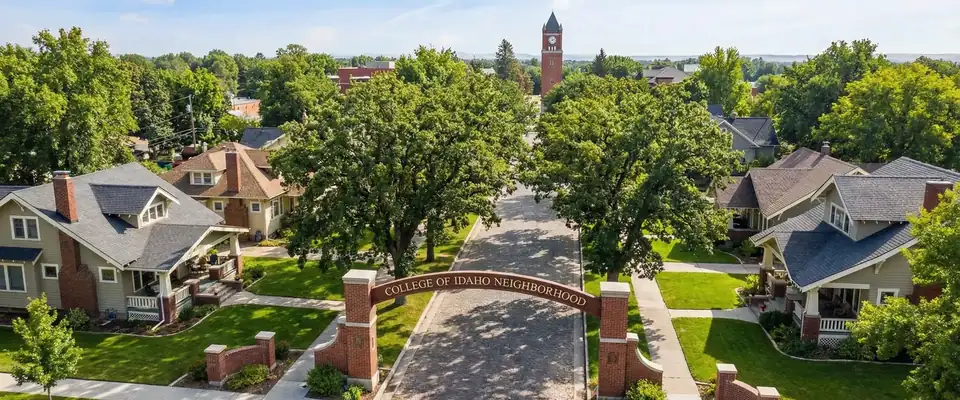
The College of Idaho campus and surrounding neighborhood represent one of Caldwell's most historic and desirable areas. Established in 1891, the area features tree-lined streets, mature landscaping, and homes spanning more than a century of architectural styles. This age and character comes with pest control challenges. Historic homes have settling foundations, original wood framing, and generations of modifications that create entry points. The mature elms, maples, and oaks shade homes beautifully but drop debris that attracts pests. Student housing and rental properties throughout the area require consistent pest management to prevent infestations from spreading between units. The campus grounds provide habitat that supports pest populations in the surrounding neighborhood.
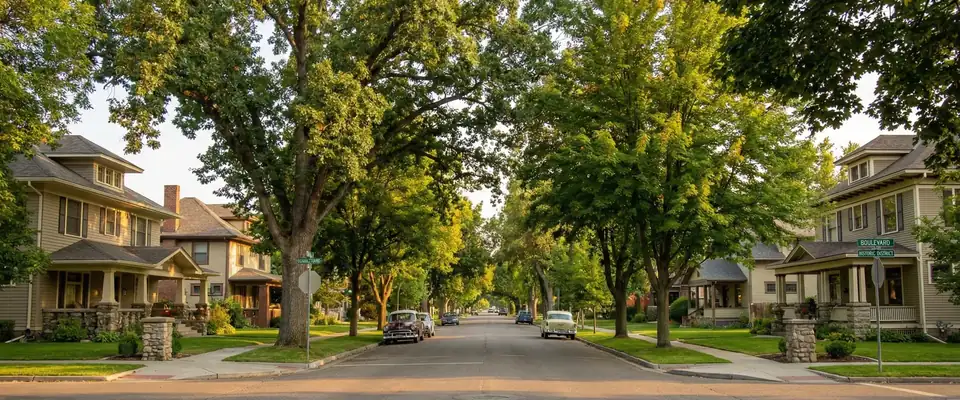
The Boulevard area encompasses Caldwell's main commercial corridors along Cleveland Boulevard and Blaine Street, plus the residential neighborhoods between them. This mixed-use environment creates distinct pest management challenges. Commercial properties like restaurants, grocery stores, and strip malls attract and support pest populations that then spread to nearby residences. The older housing stock in established Boulevard neighborhoods features aging foundations and mature landscaping that harbor pests. High-traffic roads and commercial activity mean more opportunities for pests to hitchhike between properties. Underground utility corridors connect buildings and provide pest highways through the neighborhood.
Our local experts know how to identify and eliminate these pests quickly
Deer mice and house mice off the surrounding farms every fall, voles in irrigated lawns out toward Sunnyslope, pack rats in older outbuildings near the Snake River
Rodents. Common near agricultural areas.
Pavement ants in slab driveways near Ustick and Caldwell Blvd, odorous house ants in kitchens, carpenter ants in 1920s to 1940s farmhouses in Downtown Caldwell and Canyon Hill
Ants. Found throughout the area.
Hobo spiders in basements and crawl spaces across Caldwell, black widows in detached garages and irrigation valve boxes, wolf spiders coming in from open fields
Spiders. Multiple species in Caldwell.
Earwigs and silverfish along Indian Creek and the Boise River corridor, especially May through September in irrigated landscaping
Paper wasps under porch eaves in older neighborhoods, ground-nesting yellow jackets along pasture edges and farm fence lines toward Wilder and Notus
Earwigs. Common in irrigated areas.
Caldwell pest activity follows the Treasure Valley pattern with a few local twists driven by the surrounding ag, the irrigation network, and the older Downtown housing stock. Plan ahead and treatments are cheaper.
Spring (March through May). Pavement ants and odorous house ants expand as soil warms past 50 degrees. New Ustick builds see fresh pavement-ant pressure in driveway joints while the concrete cures. Wasp queens scout nest sites under eaves and inside shed corners. Best window to start quarterly service.
Summer (June through August). Peak everything. Hobo spiders and black widows hit peak activity in July, especially in Canyon Hill garages and Sunnyslope outbuildings. Wasps and yellow jackets are at full colony size. Mosquito pressure spikes along Indian Creek, the Boise River corridor, and out along the Pioneer Canal laterals.
Fall (September through November). Canyon County harvest pushes deer mice and house mice into homes south of I-84, out along Farmway Road, and in older Downtown and Canyon Hill neighborhoods. Box elder bugs cluster on south-facing siding. Wasp colonies die off but queens look for hibernation spots in attics and sheds. Our Boise rodent control guide has the homeowner checklist.
Winter (December through February). Rodents are the primary problem. February is peak mouse breeding season. A winter treatment also disrupts overwintering insects before they emerge in spring.
If you can only schedule one treatment a year, make it late spring. A March or April visit gets the perimeter active before colonies build, and the barrier holds through the peak summer push. For the full year-round breakdown, see our Idaho pest calendar.
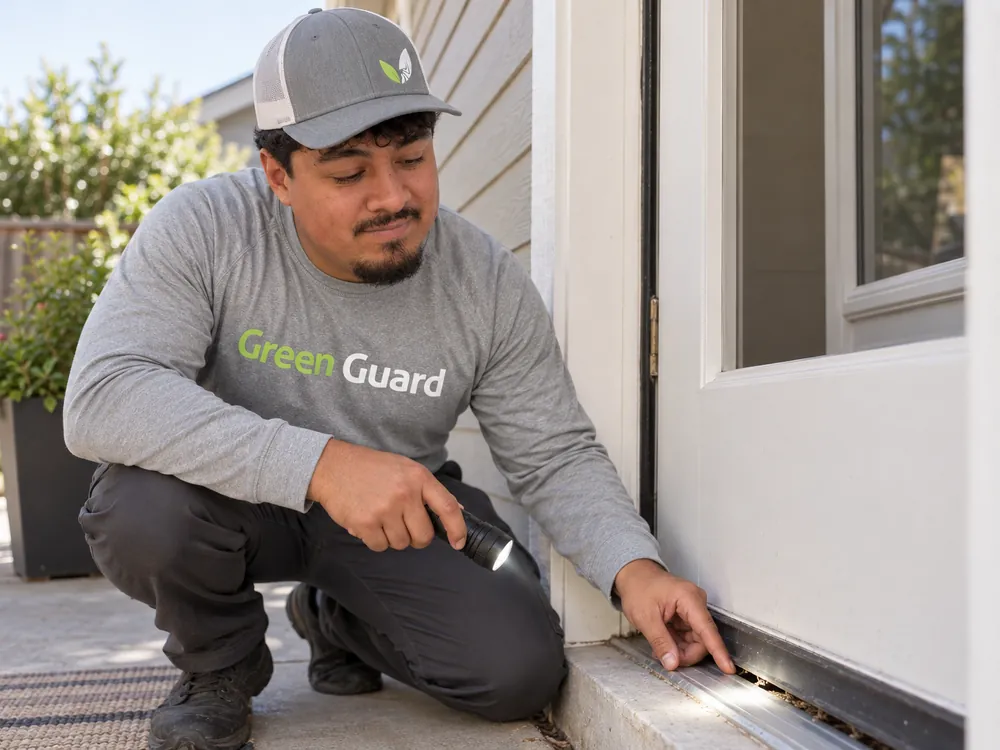
Step one
On arrival, we identify the pest, entry points, and severity of infestation.
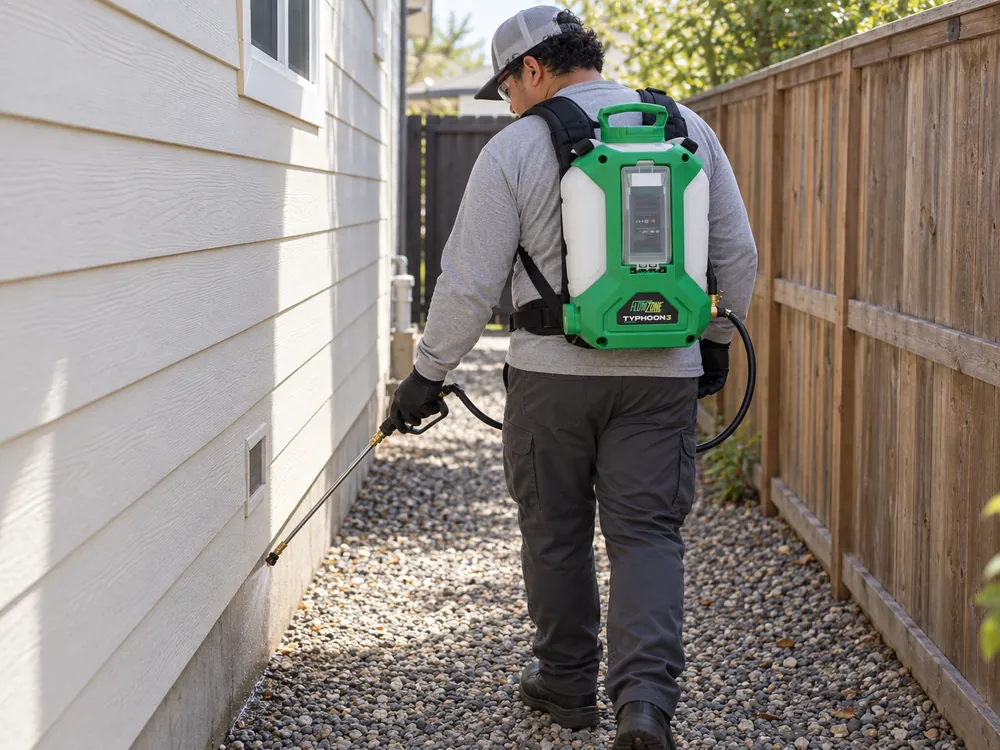
Step two
Targeted treatment based on your specific pest and property.

Step three
Quarterly treatments prevent future infestations.
Year-round protection from common pests
Colony elimination & prevention
Interior & exterior treatments
Locked bait stations & copper mesh
Safe nest removal
Business pest management
Dealing with one pest in particular? See our page for rodent control in Caldwell.
Professional pest control for Caldwell homes and businesses. $49 first service with a plan, and free re-service between visits.
$49 initial, then$119*/quarter
from$200*
* Tiered by home size. Bi-monthly available at $99/visit. View full pricing
Our local team is here to help, Monday through Friday, 9am to 5pm.
Call (208) 297-7947Quick answerCaldwell pest control starts at just $49 for initial treatment, with quarterly maintenance at $119 per visit.
This transparent pricing works for most standard homes. Properties in the Sunnyslope wine country or larger agricultural lots may require customized pricing. We provide upfront quotes with no hidden fees for all Caldwell and Canyon County residents.
Initial treatment is $49 for any home size in Caldwell. After that, quarterly service runs $119 for homes up to 2,500 sq ft, $139 for 2,501 to 4,000 sq ft, and $159 for 4,001 to 5,500 sq ft. Bimonthly plans start at $99. Homes over 5,500 sq ft or larger rural parcels with outbuildings get a custom quote. Every plan includes our free re-service guarantee between visits.
Quick answerYes!
We provide specialized pest management for Sunnyslope wine country properties, including vineyards, wineries, tasting rooms, and agricultural estates. We understand the unique challenges of protecting both the crops and the buildings from pests like rodents, ants, and wasps while maintaining a welcoming environment for visitors.
Quick answerCaldwell's mix of agricultural and residential areas means rodents are a top concern, especially near farmland and the Snake River.
Earwigs thrive in irrigated areas and are very common in summer. Black widow spiders are found in garages, sheds, and woodpiles throughout town. Historic Downtown Caldwell properties often see ant and spider activity due to older construction.
Across the Treasure Valley, the most common pest we treat is ants (odorous house ants and pavement ants). In Caldwell specifically, ants are close but rodents (deer mice and house mice) run neck-and-neck because of the surrounding Canyon County ag. Spiders (hobo spiders and black widows) come next, followed by wasps and paper wasps in summer and box elder bugs on south-facing siding in fall. Our Idaho pest calendar covers the full seasonal ranking.
Quick answerWe usually get out within 24 to 48 hours, and same-day service is often available for urgent problems like wasp nests, especially when you call early in the day.
We cover Caldwell from Downtown to the College of Idaho area to North Caldwell and wine country, and our office is open Monday through Friday, 9am to 5pm.
ZIP codes 83605, 83606, and 83607 are part of our standard service area. We usually get out within 24 to 48 hours, and same-day service is often available. Service runs Monday through Friday, so if you find a problem late on a Friday, call and we will get you on the schedule for the following week.
Same-day service is often available in Caldwell. Routine quarterly visits can normally be set within 24 to 48 hours. Our technicians are in Caldwell every week across 83605, 83606, and 83607, so help is close by.
Quick answerAbsolutely.
Downtown Caldwell and the College of Idaho area have many historic homes requiring specialized pest control. Older foundations, original wood construction, and mature landscaping create unique pest entry points. Our technicians are trained to address these vulnerabilities while respecting the character of historic properties.
Rodents in older homes take the most work. Downtown Caldwell and Canyon Hill housing stock from the 1920s through 1940s often has stone foundations, field-stone crawl spaces, and settled siding that create dozens of entry points the size of a dime. Field pressure keeps sending new mice in, so lasting control takes more than one trapping round. The right approach leads with locked exterior bait stations and copper mesh in the obvious gaps. Sealing the remaining gaps the same season is a homeowner or handyman job. Carpenter ants in moisture-damaged framing come in second on the difficulty list.
Quick answerOur full Caldwell service includes exterior treatment with a foundation perimeter barrier, interior treatment on request, web and wasp nest removal, and locked bait stations for mice and rats inside the home.
We treat for ants, spiders, wasps, mice and rats, earwigs, and seasonal invaders. After each visit you get an emailed invoice, and your invoices and service history are in our online customer portal.
Quick answerWe use EPA-registered products, and your technician will tell you how long to keep kids and pets off treated areas.
For agricultural and vineyard properties, tell us about your crops so we can plan around them. We offer eco-friendly options and will advise you on any specific precautions.
Yes. Green Guard uses organic-based, hospital-grade products, the same kind used in hospitals and daycares. We'll tell you how long to keep kids and pets off treated areas. We focus barrier treatments on the home and outbuildings and work around pastures and feed storage areas. Tell us about your animals and any larger lot details when you book and we'll plan around them.
Yes. Green Guard uses organic-based, hospital-grade products. Same products used in hospitals and daycares. Most treatments are dry within 30 to 60 minutes, and you can stay home during service. Just clear baseboards, move pet bowls, and we handle the rest.
Quick answerYes, we provide commercial pest control throughout Caldwell including restaurants, retail stores, the College of Idaho campus area, Indian Creek Plaza businesses, and agricultural operations.
You get application records for every visit, commercial roach jobs are assessed by a technician and quoted before any work starts, and our office is open Monday through Friday, 9am to 5pm.
Quick answerCaldwell is ringed by Canyon County dairy farms, sugarbeet ground, corn, and hay.
Every fall when the irrigation shuts off and the crops come out, deer mice and house mice head toward the nearest warm building. Homes south of I-84, along Farmway Road, and out toward Notus and Wilder see the heaviest pressure from late September through March. We set locked bait stations for mice inside the home and plug obvious gaps with copper mesh. Bigger repairs, like foundation cracks, are a job for you or a handyman.
Caldwell sits in Canyon County, Idaho's top agricultural county. Sugarbeet, corn, hay, and dairy operations surround the city. Every fall when irrigation shuts off and harvest pulls cover off the fields, deer mice and house mice head for the nearest warm building. South Caldwell, the Farmway Road corridor, and older Downtown and Canyon Hill neighborhoods see the heaviest push between late September and March. Deer mice are the main hantavirus carrier in Idaho, so clean up droppings with a wet bleach solution.
Deer mice are the main hantavirus carrier in Idaho, and Caldwell's rural edge has plenty of them, especially in fall when the irrigation shuts off. The risk is real but manageable. Don't sweep up dry droppings in a shed, garage, or crawl space. Dampen them with a bleach solution (about 1 part bleach to 10 parts water), bag them, and ventilate the space. Our rodent identification guide covers the differences between deer mice and house mice.
Quick answerYes.
The College of Idaho area and the older neighborhoods around 20th Avenue, Cleveland Boulevard, and Filer Street are right in the middle of our Caldwell route. Mature trees and landscaping in this part of town harbor ants and spiders, and the older housing stock has entry points typical of older homes. We treat these regularly.
Quick answerYes.
Homes along Indian Creek through downtown and the Boise River corridor on the south side of Caldwell see noticeably heavier earwig, silverfish, and mosquito pressure from May through September. We treat the perimeter with our organic-based barrier products, focus on common entry points, and recommend our Lawn & Mosquito Program for properties right on the water. We'll tell you how long to keep kids and pets off treated areas.
Quick answerGreen Guard refers termites and wildlife removal (raccoons, skunks, bats, or larger animals) to trusted specialists.
We do handle rodents (mice, rats, and voles), and we treat carpenter ants, which homeowners sometimes confuse with termites in older Caldwell farmhouses.
Green Guard refers termites, bed bugs, and wildlife other than rodents to trusted specialists. We do treat carpenter ants, which homeowners sometimes confuse with termites in older Downtown Caldwell and Canyon Hill farmhouses, and rodents inside your home (mice and rats) are covered on every plan. Rodents that live outside, like voles, are handled as their own yard job, and we point gophers and squirrels to a specialist.
Quick answerWe cover all three Caldwell ZIP codes: 83605 (Downtown, Indian Creek Plaza, College of Idaho, Canyon Hill, and the Karcher District), 83606 (PO Box addresses, physically inside the 83605 footprint), and 83607 (Ustick corridor, north Caldwell, and out toward Sunnyslope).
Same posted price across every ZIP with no travel surcharge. Our technicians are in Caldwell weekly.
Yes. Our Lawn & Mosquito Program covers Caldwell yards every month from May through October, including homes along Indian Creek, the Boise River corridor, and the Pioneer Canal laterals. Pricing starts at $69 a month for lots up to 0.25 acre. Call (208) 297-7947.
Quick answerCaldwell's creeks and canals keep yards green and shady, and they give mosquitoes plenty of places to breed.
Indian Creek through downtown: cottonwoods, willows, and creek edges hold moisture all summer, and mosquitoes breed in pooling water along the banks. The Boise River corridor: homes near the river see heavier mosquito pressure from May through September. The Pioneer Canal laterals: mosquito pressure climbs through irrigation season on properties along the laterals. Irrigated yards across the city: low spots that hold water after a sprinkler cycle, flower pot saucers, and clogged gutters all make good breeding spots.
Quick answerOur Lawn & Mosquito Program treats Caldwell yards for mosquitoes, fleas, and ticks every month from May through October.
We treat the breeding sites around your yard, the vegetation where mosquitoes rest during the day, and the outdoor living areas where your family spends time. Your technician will tell you how long to keep kids and pets off treated areas. 51 to 1 acre. Lots over 1 acre get a custom quote. Add it to your pest control plan and save 10%.
Call Monday through Friday, 9am to 5pm. We usually get out within 24 to 48 hours.
Select your pest problem to get started
You picked .
Prefer to talk? Call (208) 297-7947
Professional pest control throughout the Treasure Valley
Field-tested guides from our technicians
Pest Control Pricing. Every price tier, from the $49 first service to quarterly, bimonthly, and one-time plans.
Carpenter Ant Damage in Idaho. The warning signs of carpenter ant damage in older homes, and how to stop it early.
Pest Control in Middleton. Farm-country pest pressure next door in Middleton: voles, carpenter ants, and paper wasps.