Quarterly Protection
$49 initial, then$119*/quarter
- Exterior perimeter barrier
- Covers 20+ common pests
- Free re-service guarantee

Updated September 2026 · Serving Nampa, Idaho · Local team, local roots
Green Guard provides pest control across Nampa, ID for homes, agricultural properties, and businesses.
Tap your pest problem to get started
Re-Service Between Visits
Nampa Rating
Treasure Valley Homes
Office Hours, Mon to Fri
As Canyon County's largest city (ZIP codes 83651, 83686, 83687), Nampa's agricultural heritage and rapid growth create diverse pest challenges.
Downtown Nampa's historic homes near the Indian Creek Plaza have aging foundations with pest entry points, while North Nampa and South Nampa developments push into former farmland. Properties near Lake Lowell and the Ford Idaho Center see increased moisture-related pest activity. East Nampa's proximity to agricultural operations means field mice and voles are constant concerns.
Service starts at $49 for the initial treatment with quarterly maintenance at $119. We serve all Nampa ZIP codes (83651, 83686, 83687), including Downtown Nampa, Lake Lowell, the Karcher corridor, and rural Happy Valley acreages. We usually get out within 24 to 48 hours.
Nampa sits in the heart of Canyon County, Idaho's most productive agricultural county. Sugarbeet fields, corn, and dairy operations surround the city on three sides. Every fall, when those fields get harvested, rodents lose their cover and head straight for the nearest warm building. If you live anywhere south of Karcher Road or east toward Caldwell Boulevard, you've probably dealt with this firsthand. That's why pest control in Nampa starts with knowing what's coming off those fields.
Water is the other big factor. Indian Creek runs right through central Nampa, and the Pioneer Irrigation District canals crisscross neighborhoods from Lake Lowell south to Happy Valley. All that moisture supports mosquitoes, earwigs, and the kind of damp soil carpenter ants love. Homes along the Indian Creek corridor and near Mason Creek see especially heavy pest pressure from spring through fall.
Nampa's housing stock ranges from 1940s bungalows near downtown to brand-new subdivisions like Regatta Crossing off Northside Boulevard. Older homes have more foundation cracks and gaps that let rodents and spiders inside. New construction in areas like the Sugar District and West Nampa disturbs underground ant colonies, pushing them into freshly built homes before the landscaping even goes in.
As of September 2026, Green Guard protects 2,500+ Treasure Valley homes, including homes across all five Nampa ZIP codes (83651, 83652, 83653, 83686, 83687). We know where the problem areas are because we're out here every week, from the Lake Lowell neighborhoods to the Garrity corridor to south Nampa farmland edges. We use organic-based, hospital-grade products, and our free re-service guarantee means if pests come back between visits, we come back too.
"Carpenter ants were destroying our 1940s home near downtown. Green Guard identified the colony in our old oak tree and saved our house."
"Yellow jackets had taken over our backyard near Lake Lowell. Green Guard removed 3 nests and we finally enjoyed our summer."
"After three other companies couldn't keep ants out of our kitchen, Green Guard solved it in one visit. Six months later, still zero ants."
"I was skeptical at first, but Green Guard exceeded every expectation. They found entry points I never knew existed and haven't seen a spider since."
"After two other companies failed, Green Guard solved our ant problem in one visit. Professional, thorough, and actually effective."
We provide pest control services throughout Nampa and surrounding areas.
Local pest challenges and solutions for every Nampa neighborhood
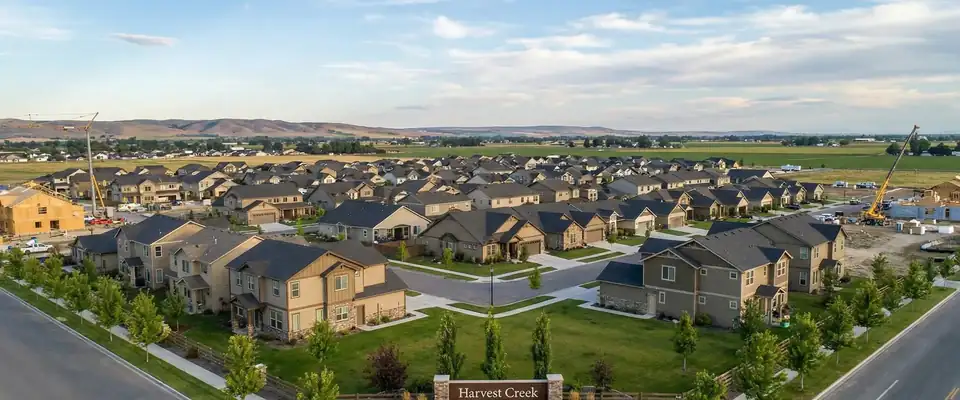
North Nampa is one of Canyon County's fastest-growing areas, with new subdivisions constantly breaking ground on former agricultural land. This rapid development creates unique pest challenges as construction disturbs established rodent and insect populations, pushing them into nearby homes. Properties near Franklin Road and north toward Star experience field mouse migrations from displaced farmland, while new homes with settling foundations create entry points that pests quickly exploit. The mix of new construction and established neighborhoods around Amity Road means diverse pest pressures requiring specific treatment approaches.
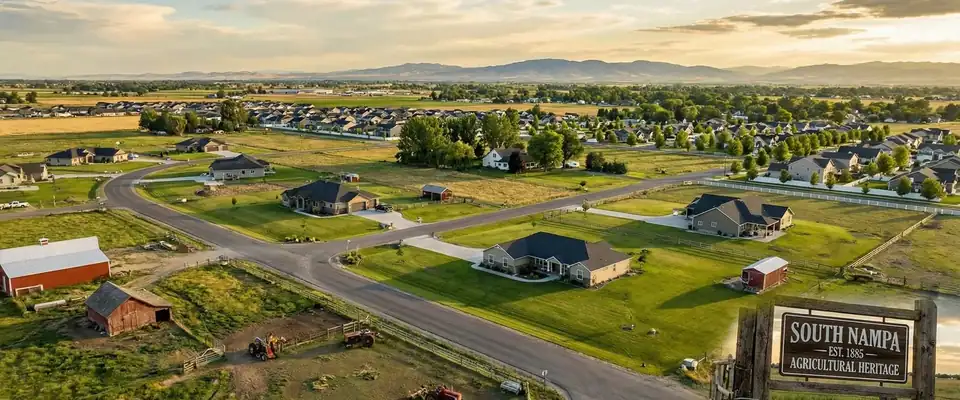
South Nampa's proximity to Lake Lowell and surrounding agricultural operations creates a distinct pest environment. The irrigation canals and reservoir create moisture conditions that attract earwigs, sowbugs, and moisture-loving insects. Properties along Roosevelt Avenue and south toward the lake see increased ant activity due to the sandy, well-drained soils. Farm fields surrounding the area mean constant rodent pressure as mice and voles seek food and shelter in residential properties. Older established homes in this area have mature landscaping that provides harborage for spiders and other pests.
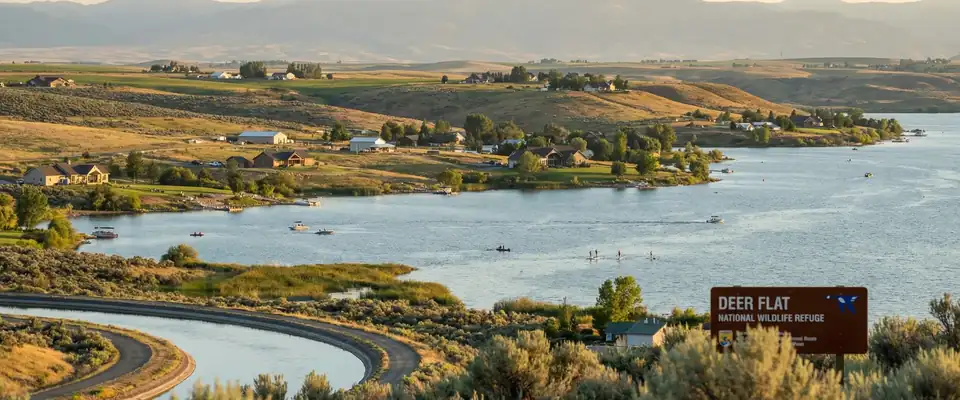
Living near Lake Lowell offers beautiful views and outdoor recreation, but the 10,000-acre reservoir and Deer Flat National Wildlife Refuge create exceptional pest challenges. The constant moisture from the lake elevates humidity around nearby homes, attracting moisture-loving insects like earwigs, sowbugs, and springtails. Evening mosquito activity peaks near the water, and the wildlife refuge brings increased spider populations feeding on abundant insects. Properties along Lake Lowell Avenue and near the boat launches experience unique pest dynamics that require specialized knowledge of water-adjacent pest management.
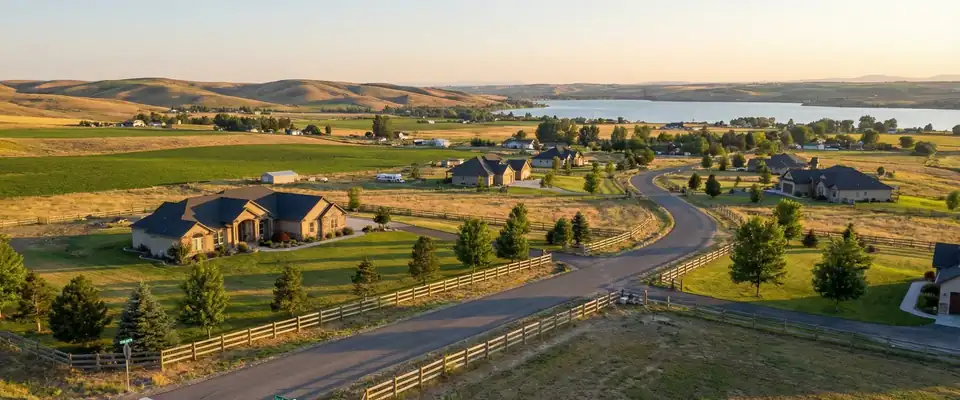
Properties near the Deer Flat National Wildlife Refuge enjoy beautiful natural surroundings and abundant wildlife viewing, but this proximity to protected lands creates distinct pest management challenges. The refuge's 11,000+ acres of habitat support diverse wildlife populations that influence pest activity in adjacent residential areas. Rodents from natural areas seek food and shelter in homes, especially during winter months. The abundant insect populations that support refuge wildlife also mean higher spider and flying insect pressure on nearby properties. Residents along Lake Shore Drive, Marsing Road, and surrounding rural areas experience these wildlife-adjacent pest dynamics year-round.
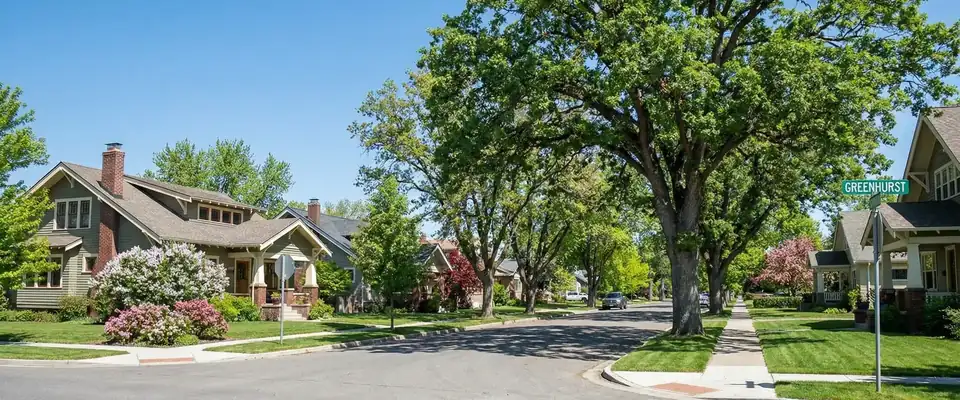
Greenhurst is one of Nampa's well-established residential areas, featuring mature trees, developed landscaping, and homes with decades of history. While these characteristics create charming neighborhoods, they also create specific pest challenges. Mature trees provide harborage for spiders and drop organic debris that attracts pests. Older homes often have more entry points through settled foundations, gaps around original windows, and aging weatherstripping. The established neighborhood infrastructure includes older irrigation systems and dense plantings that create moisture conditions pests love. Properties throughout Greenhurst benefit from pest control that understands these unique dynamics.
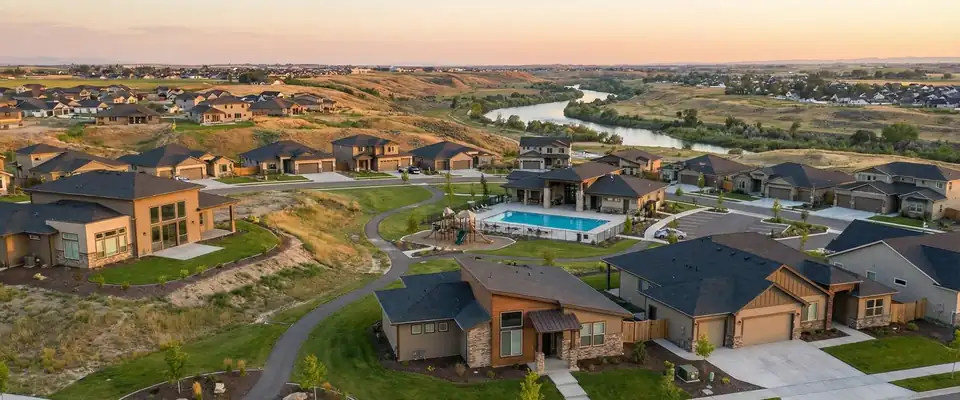
Copper River Basin represents Nampa's ongoing growth with modern homes and planned community design. However, new construction creates specific pest vulnerabilities that require attention. Freshly disturbed soil attracts ants looking to establish new colonies. Construction debris and gaps around utility penetrations create pest entry points. As foundations settle during the first few years, small cracks develop that pests exploit. The transition from agricultural or open land to residential development displaces existing rodent populations into new homes. Smart Copper River Basin homeowners establish pest protection early to prevent problems before they start.
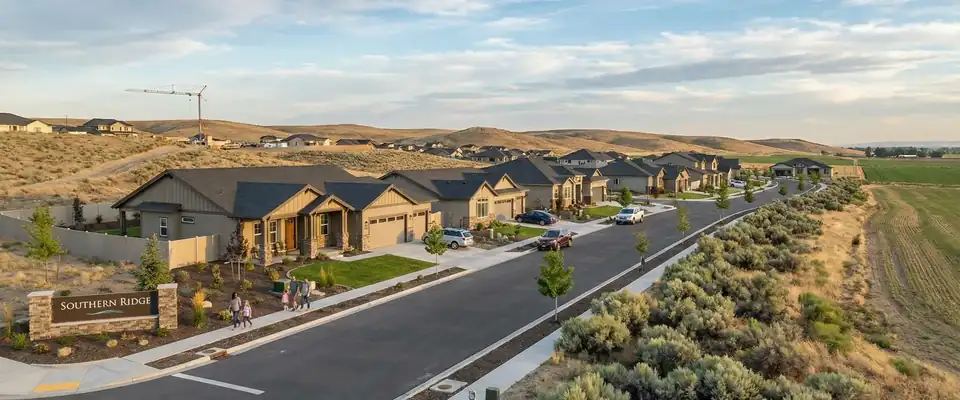
Southern Ridge exemplifies Nampa's southern expansion, with contemporary homes and family-friendly design. This developing area sits between established agricultural zones and newer commercial development, creating a transition zone for pest activity. Properties here experience pressure from both construction-displaced pests and agricultural pest populations. The community's relatively new infrastructure means young trees and maturing landscaping that's still finding balance. Storm drainage systems and community green spaces, while beautiful, can create moisture conditions that attract certain pest species. Understanding these dynamics helps Southern Ridge homeowners maintain pest-free properties.
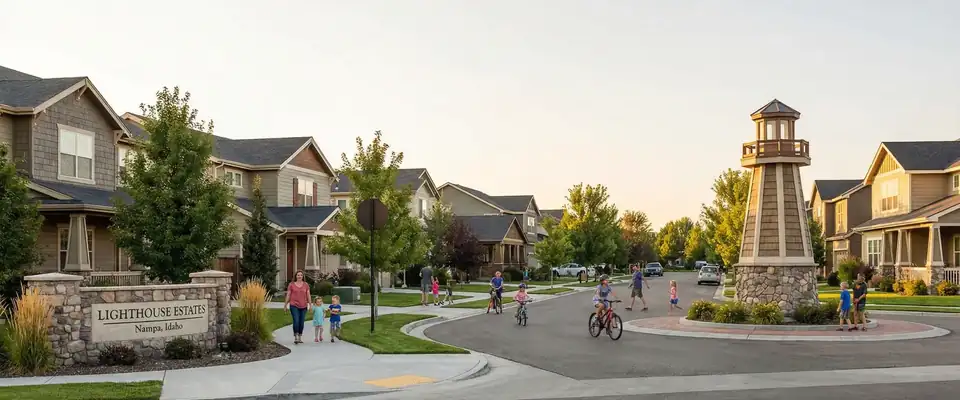
Lighthouse Estates offers Nampa families a well-designed residential community with quality homes and neighborhood amenities. Like many planned developments in Canyon County, the community was built on previously undeveloped land, which means established pest populations were displaced into new homes. The neighborhood's design with parks, common areas, and landscaped spaces adds beauty but also creates potential pest habitat. Homes close together can pass pest problems between properties, so prompt treatment keeps them contained. Lighthouse Estates residents benefit from proactive pest management that protects individual homes and helps maintain the community's quality of life.
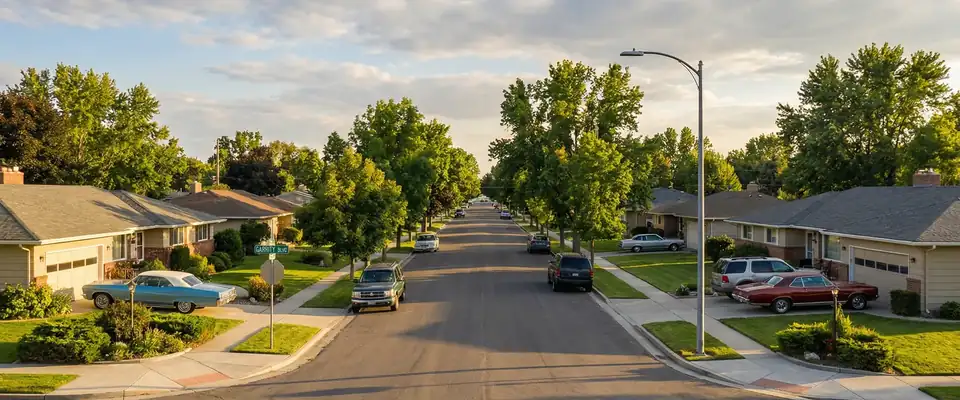
The Garrity Boulevard corridor represents one of Nampa's main commercial arteries, with a mix of retail, restaurants, offices, and adjacent residential areas. This commercial-residential blend creates unique pest dynamics. Restaurants and food service businesses attract pests that can migrate into nearby homes. Dumpsters and loading areas behind businesses provide food sources for rodents and insects. The high-traffic corridor sees constant construction and renovation, disturbing pest populations. Residential properties along and near Garrity experience pest pressure from multiple directions, requiring layered treatment approaches that address both the immediate property and surrounding commercial influences.
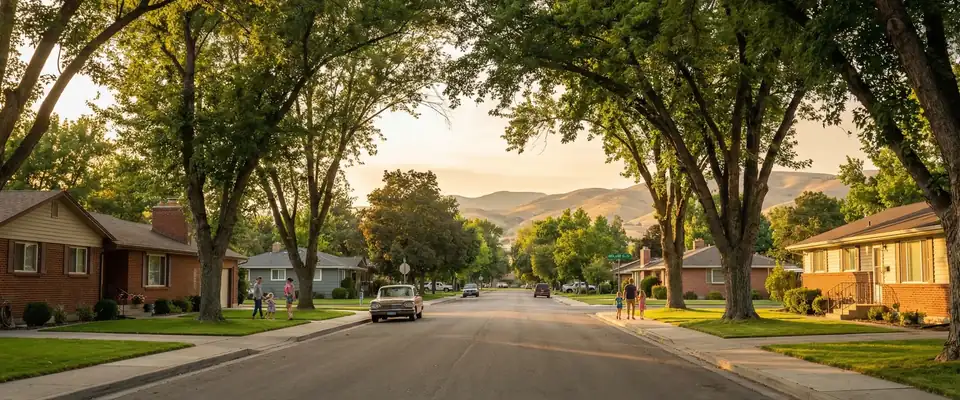
The Midland area sits at the heart of Nampa, combining residential neighborhoods, commercial development, and easy access to major transportation routes along Midland Boulevard and connecting streets. This central location creates a convergence of pest pressures from multiple sources. Established homes in the area have mature landscaping and aging infrastructure that pests exploit. Commercial zones attract pest populations that migrate into residential areas. The area's mix of property ages means diverse pest challenges, from spider issues in older homes to ant problems in newer development. Midland residents benefit from full-property pest control that addresses these varied conditions.

Karcher Road is one of Nampa's most important commercial corridors, connecting the Idaho Center area to downtown and featuring everything from major retail centers to industrial properties. Residential neighborhoods adjacent to this busy corridor experience pest pressures from multiple sources. The abundance of restaurants and retail attracts pests that migrate into nearby homes. Industrial areas and warehouses provide harborage for rodents that spread to residential zones. The corridor's ongoing development and redevelopment constantly disturbs pest populations, pushing them into established properties. Understanding these dynamics is essential for effective pest management along Karcher Road.
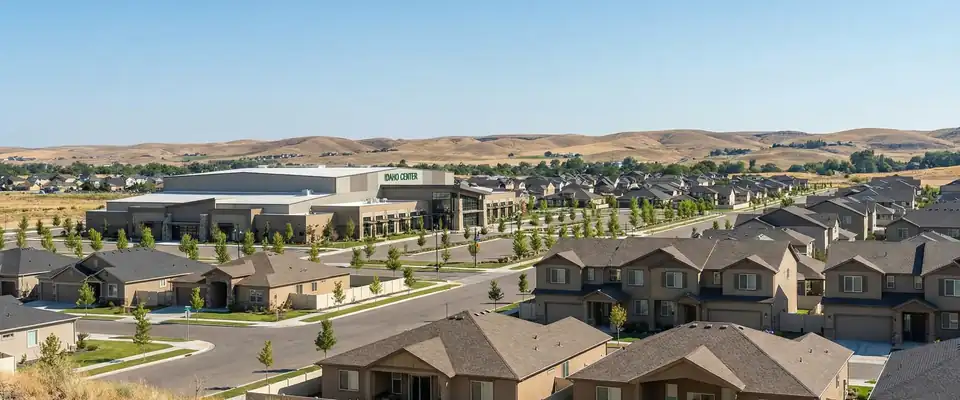
The Ford Idaho Center brings concerts, rodeos, expos, and sporting events to Nampa, making it an exciting area to live near. However, properties around major event venues face distinct pest considerations. Large gatherings generate food waste that attracts pests. Event parking lots and open spaces provide rodent habitat. The commercial development surrounding the arena, including hotels and restaurants, creates additional pest pressure. Residential neighborhoods near the Idaho Center benefit from proactive pest management that accounts for these unique dynamics, especially during busy event seasons.
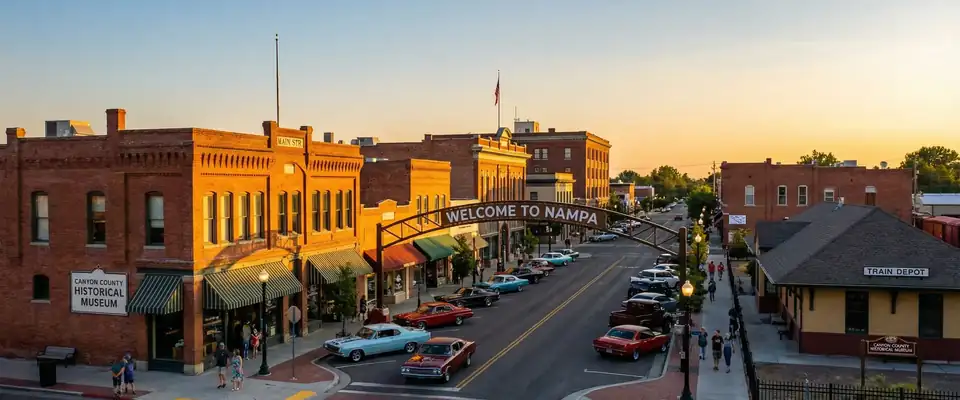
Downtown Nampa represents the city's historic heart, with buildings dating back to the early 1900s mixed with recent urban revitalization projects. The Indian Creek Plaza area, surrounding commercial district, and adjacent residential neighborhoods present unique pest challenges. Historic buildings have settled foundations, original woodwork, and construction techniques that create numerous pest entry points. The mix of restaurants, shops, and residences means pests can migrate between building types. Indian Creek running through downtown creates moisture conditions that attract certain pest species. Downtown pest control requires understanding both historic building construction and modern urban pest dynamics.
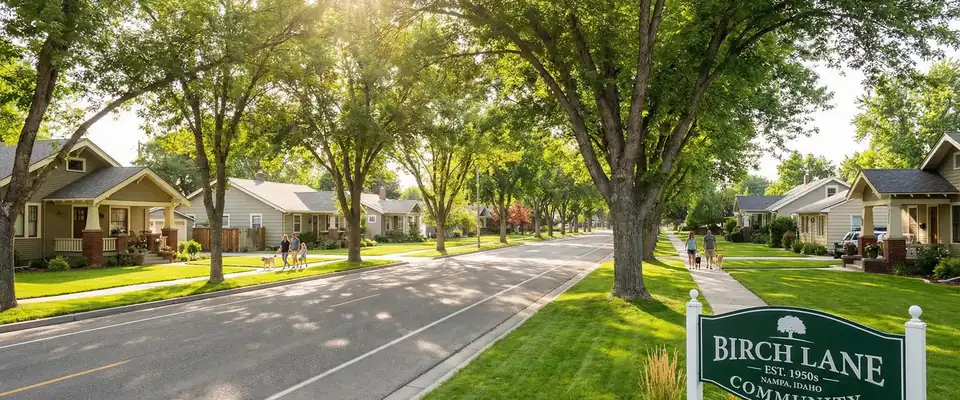
The Birch Lane area represents classic Nampa residential living with established homes, mature landscaping, and a strong sense of community. These older residential areas have developed their own pest ecosystems over decades. Mature trees and shrubs, while beautiful, provide spider habitat and can harbor wood-damaging insects. Older irrigation systems and established planting beds create moisture conditions that pests exploit. Homes built in the mid-to-late 20th century often have more pest entry points than modern construction. Birch Lane residents benefit from pest control that understands these established neighborhood dynamics and provides consistent, reliable protection.
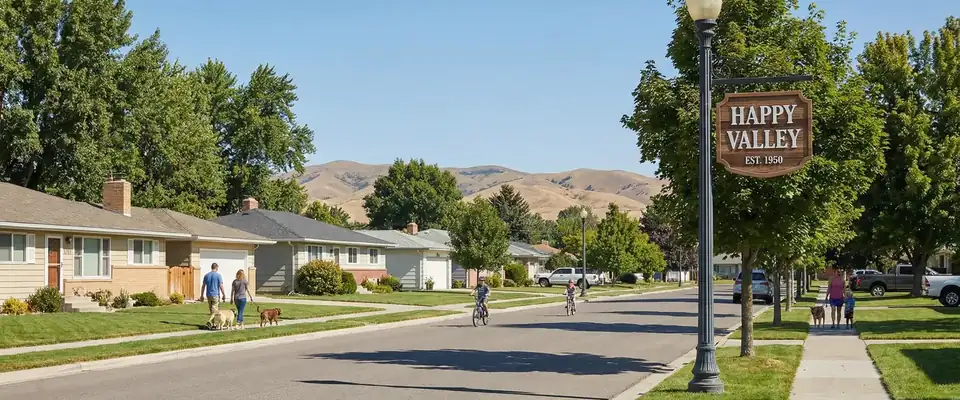
Happy Valley represents Nampa's rural character, with larger properties, agricultural operations, and a connection to Idaho's farming heritage. This rural setting creates pest challenges distinct from urban neighborhoods. Proximity to active farmland means constant rodent pressure as mice and voles seek food and shelter. Larger properties with outbuildings, barns, and storage structures provide abundant pest harborage. Irrigation from the extensive canal system creates moisture conditions throughout the growing season. Rural properties in Happy Valley benefit from pest control that understands agricultural pest dynamics and the realities of maintaining larger acreages.
Our local experts know how to identify and eliminate these pests quickly
Odorous house ants in kitchens, carpenter ants in older homes near downtown, pavement ants in driveways and garage slabs
Ants. Multiple species throughout Nampa.
Hobo spiders in basements and crawl spaces, black widows in garages and sheds, wolf spiders in yards near irrigated fields
Spiders. Found in basements and garages.
Deer mice migrating from harvested farmland in fall, house mice year-round in older neighborhoods, voles in landscaped yards
Field Mice. Common near agricultural areas.
Yellow jackets near Lake Lowell and Deer Flat Wildlife Refuge, paper wasps under eaves, mud daubers on south-facing walls
Wasps. Build nests on structures.
Nampa pest activity follows the Treasure Valley pattern with a few local twists. Plan ahead and treatments are cheaper.
Spring (March through May). Ant colonies expand fast as soil warms past 50 degrees. Pavement ants show up in driveway joints, odorous house ants in kitchens. Wasp queens start scouting nest sites under eaves and in shed corners. This is the best window to start quarterly service.
Summer (June through August). Peak everything. Black widows and hobo spiders hit peak activity in July, especially in garages and crawl spaces. Wasps and yellow jackets are at full colony size. Mosquito pressure spikes along Indian Creek, Mason Creek, and Lake Lowell.
Fall (September through November). Canyon County harvest pushes deer mice and house mice into south and east Nampa homes. Hobo spiders and black widows follow the insects off the fields into garages and window wells (our Nampa spider control page covers the fall push). Box elder bugs cluster on south-facing siding. Wasp colonies die off but queens look for hibernation spots in attics and sheds.
Winter (December through February). Rodents are the primary problem. February is peak mouse breeding season. A winter treatment also disrupts overwintering insects before they emerge in spring.
If you can only schedule one treatment a year, make it late spring. A March or April visit gets the perimeter active before colonies build, and the barrier holds through the peak summer push.

Step one
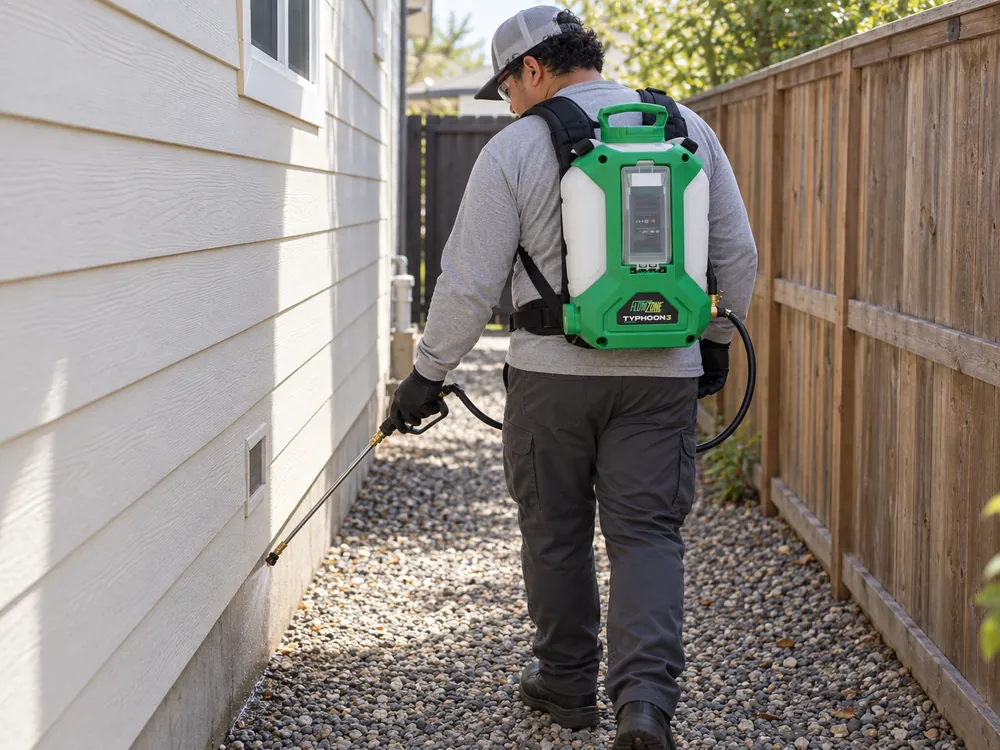
On arrival, we identify the pest, entry points, and severity of infestation.
Step two
Targeted treatment based on your specific pest and property.

Step three
Quarterly treatments prevent future infestations.
Year-round protection from common pests
Colony elimination & prevention
Interior & exterior treatments
Locked bait stations & copper mesh
Safe nest removal
Business pest management
Dealing with one pest in particular? See our pages for wasp removal in Nampa and rodent control in Nampa.
Professional pest control for Nampa homes and businesses. $49 first service with a plan, and free re-service between visits.
$49 initial, then$119*/quarter
from$200*
* Tiered by home size. Bi-monthly available at $99/visit. View full pricing
Our local team is here to help, Monday through Friday, 9am to 5pm.
Call (208) 297-7947Quick answerNampa pest control starts at just $49 for initial treatment, with quarterly maintenance at $119 per visit.
Agricultural properties and larger rural lots may require customized pricing. We serve all of Canyon County with upfront, transparent quotes for Nampa homeowners.
Green Guard's initial treatment is just $49 for any home size in Nampa. After that, quarterly service runs $119 for homes up to 2,500 sq ft, $139 for 2,501 to 4,000 sq ft, and $159 for 4,001 to 5,500 sq ft. That includes a free re-service guarantee between visits.
Quick answerYes!
We provide specialized pest management for Nampa's agricultural properties, farms, barns, and rural homes. We understand the unique challenges of Canyon County's farming community, including field mice, voles, barn spiders, and stored grain pests. Our treatments are designed to be effective while considering livestock and crop safety.
Quick answerNampa's agricultural heritage means field mice and voles are extremely common, especially in properties near farmland.
Pavement ants thrive in newer developments, while hobo and wolf spiders are found in basements and garages throughout the city. Properties near Lake Lowell and irrigation canals see increased mosquito and earwig activity during summer months.
Summer in Nampa brings peak activity for ants (especially odorous house ants and pavement ants), wasps building nests under eaves and decks, and spiders moving indoors to escape the heat. Mosquitoes are also heavy near Indian Creek, Mason Creek, and the irrigation canals. Black widows and hobo spiders are most active from July through September.
Quick answerWe usually get out within 24 to 48 hours, and same-day service is often available for urgent problems like wasp nests, especially when you call early in the day.
We cover Downtown Nampa, North Nampa, the Lake Lowell area, and rural addresses, and our office is open Monday through Friday, 9am to 5pm.
We usually get out within 24 to 48 hours, and same-day service is often available. Our office is open Monday through Friday, 9am to 5pm, and all five Nampa ZIP codes are part of our standard service area.
Same-day service is often available for Nampa. Routine quarterly visits can usually be set within 24 to 48 hours. Our technicians are in Nampa every week, so help is close by.
Quick answerAbsolutely.
Downtown Nampa and established neighborhoods have many older homes with unique pest challenges. Aging foundations, original wood framing, and mature trees create entry points and habitats for pests. Our technicians are experienced in treating historic properties and know the vulnerabilities common in older construction.
Quick answerOur Nampa service covers exterior treatment with a foundation barrier, interior treatment on request, web and wasp nest removal, and locked bait stations for mice inside the home.
We treat for ants, spiders, wasps, mice, earwigs, and seasonal invaders common in Canyon County. After each visit you get an emailed invoice, and your invoices and service history are in our online customer portal.
Quick answerWe use EPA-registered products, and your technician will tell you how long to keep kids and pets off treated areas.
For agricultural properties, tell us about your livestock so we can plan around them. We offer eco-friendly treatment options for Nampa homeowners who prefer greener solutions and will always inform you of any precautions needed.
Green Guard uses organic-based, hospital-grade products, the same kind used in hospitals and daycares. We'll tell you how long to keep kids and pets off treated areas.
Yes. Green Guard uses organic-based, hospital-grade products. Same products used in hospitals and daycares. Most treatments are dry within 30 to 60 minutes, and you can stay home during service. Just clear baseboards, move pet bowls, and we handle the rest.
Quick answerYes, we provide commercial pest control throughout Nampa including restaurants, retail stores, warehouses, food processing facilities, and the Ford Idaho Center area.
You get application records for every visit, and our office is open Monday through Friday, 9am to 5pm.
Quick answerWe cover all of Nampa across ZIP codes 83651, 83652, 83653, 83686, and 83687.
That includes Lake Lowell, downtown Nampa, Karcher, South Nampa, North Nampa, the Sugar District, Garrity, and Happy Valley. Our technicians are in Nampa neighborhoods every week.
Green Guard covers all five Nampa ZIPs: 83651 (central Nampa and the Sugar District), 83652 (east side near Garrity), 83653 (north toward Karcher), 83686 (south Nampa and Lake Lowell), and 83687 (east Nampa, Happy Valley, Ridgecrest, and Columbia Village). Same posted price across every ZIP. No travel surcharge.
Quick answerCanyon County is Idaho's top agricultural county, and Nampa is surrounded by farmland.
When fields are harvested in September and October, rodents lose their food and shelter. They migrate into the nearest homes, especially along the south and east edges of the city. We set locked bait stations for mice inside the home, plug obvious gaps with copper mesh, and put a perimeter barrier down before harvest season hits.
Nampa sits in Canyon County, Idaho's top agricultural county. Sugarbeet, corn, hay, and dairy operations surround the city. Every fall when irrigation shuts off and the harvest pulls cover off the fields, deer mice and house mice head for the nearest warm building. South Nampa, the Karcher Road corridor, and Columbia Village see the heaviest push from late September through March. Inside Boise city limits that pattern is much milder because the rural edge is further away.
Quick answerWinter is rodent season in Nampa.
Mice actively seek shelter in homes from November through February, and February is peak mouse breeding season. A quarterly winter treatment also keeps spring pest emergence down by disrupting overwintering insects before they become active.
Quick answerGreen Guard refers termites to trusted specialists: if you suspect termites, we recommend contacting a termite specialist.
We do treat carpenter ants, which are sometimes confused with termites in older Nampa homes near downtown.
Green Guard refers termites, bed bugs, and wildlife other than rodents to trusted specialists. We do treat carpenter ants, which homeowners sometimes confuse with termites in older Nampa homes near downtown, and rodents inside your home (mice and rats) are covered on every plan. Voles and rats that live outside are a separate yard service, and we refer gophers and squirrels to a specialist.
Call Monday through Friday, 9am to 5pm. We usually get out within 24 to 48 hours.
Select your pest problem to get started
You picked .
Prefer to talk? Call (208) 297-7947
Professional pest control throughout the Treasure Valley

Field-tested guides from our technicians
Pest Control Pricing. Every price tier, from the $49 first service to quarterly, bimonthly, and one-time plans.
How to Choose a Pest Control Company. What to check, from licensing to pricing to reviews, when you compare pest control companies in the Treasure Valley.
Choosing an Exterminator. A vetting checklist and real Treasure Valley pricing for choosing an exterminator.
Boise Rodent Control Guide. How mice and rats behave inside Idaho homes, what a rodent plan includes, and how to get ahead of them.
Pest Control in Middleton. Farm-country pest pressure next door in Middleton: voles, carpenter ants, and paper wasps.