
Stinging Insects
Bald-Faced Hornet
Dolichovespula maculata
IdentificationHow to Identify Bald-Faced Hornet
Quick Answer
Bald-faced hornets are large black wasps with bright white markings on their face and the tip of the abdomen. They build enclosed gray paper nests that can grow bigger than a basketball by late summer.
Full identification notes
Each nest has a single entrance hole near the bottom, and you'll usually spot a few workers patrolling it.
Free
Re-Service Between Visits
4.9/5
Google Rating
9 to 5
Office Hours, Mon to Fri
Bald-Faced Hornet Behavior & Habits
Understanding how bald-faced hornet behave helps prevent infestations
Bald-faced hornets are extremely aggressive when defending their nest, and they can sting over and over.
More about their habits
They'll chase you well past the nest if they feel threatened. By August, a single colony can hold 400 to 700 workers. They're useful predators in the yard, but a nest near a doorway or play area is a real problem.
Bald-Faced Hornet Risks & Dangers
What bald-faced hornet can do to your health and property
Health Risks
Bald-faced hornet stings hurt more than most wasp stings because each sting injects a larger dose of venom.
Property Damage
Large nests attached to soffits, eaves, or siding can stain paint and leave behind chewed wood fibers.
Full health and property details
Health Risks
They're aggressive defenders and a single colony can mobilize dozens of workers in seconds. Multiple stings are dangerous even if you're not allergic, and a swarm response near kids or pets is a 911-level event.
Property Damage
Old nests left in place over winter often attract carpet beetles and other secondary pests.
Signs of Bald-Faced Hornet Infestation
Look for these indicators in your home
Signs You Have Bald-Faced Hornet
What homeowners spot first
- Large gray paper nest in tree or on structure
- Enclosed nest with single entry hole
- Black wasps with white face markings
More signs to look for
- Aggressive response to nearby activity
- Wasps patrolling around nest entrance
Bald-Faced Hornet in Boise & the Treasure Valley
Most of our bald-faced hornet calls come in from late July through early October, with a big spike right after the first cool nights when colonies hit peak size.
More on what we see locally
We pull the biggest nests every year out of the North End, Boise's East End, and the older neighborhoods around Hyde Park, where mature trees give queens plenty of nesting spots. Out west in Eagle and Meridian, we see more nests tucked into shed roofs and trampoline frames than in trees.
How We Handle Bald-Faced Hornet
What our approach looks like
We treat bald-faced hornet nests at dusk or after dark when the colony is inside, using full bee suits and a long-reach product that knocks the colony down fast.
Our full approach
After the colony is dead, we physically remove the nest so it can't house other pests. Our $49 initial service includes the nest treatment for subscription customers, with our free re-service guarantee if any stragglers come back.
How to Prevent Bald-Faced Hornet
Steps you can take to reduce the risk of infestation
- Walk your property in May and June, when new queens are starting golf-ball-sized nests that are easy to knock down
- Check trees, shrubs, and the underside of soffits within 10 feet of doors and play areas
- Keep outdoor trash lids tight and clean up fallen fruit (sugary food draws scouts in late summer)
More prevention steps
- Never trim hedges or tall vegetation without scouting for nests first
- Seal gaps in eaves, vents, and shed roofs where queens like to start spring nests
- Call us for any nest bigger than a softball, especially within 20 feet of the house
Bald-Faced Hornet Questions Answered
Common questions about identification, prevention, and treatment
Call (208) 297-7947How dangerous are bald-faced hornets in Boise?
Quick answerBald-faced hornets are the most aggressive stinging insect we deal with in the Treasure Valley.
They sting repeatedly and will chase you 50 feet or more from the nest. If you have one within 20 feet of a doorway, deck, or play area, get it treated. For anyone with a bee or wasp allergy, even a nest in the back of the yard is worth removing.
When is the best time to remove a bald-faced hornet nest?
Quick answerSpring (May or June) is easiest, when nests are golf-ball or softball sized and only the queen is inside.
By August in Boise, colonies can hit 400 to 700 workers and a treatment has to be done at night. Don't wait until fall hoping the cold will kill them. They stay active in the Treasure Valley right through the first hard freeze.
Will the nest come back next year if we leave it alone?
Quick answerThe colony itself dies off after the first hard freeze and won't reuse the old nest.
But new queens often start a new nest within 50 feet of the old one the following spring, especially if the spot is sheltered. We recommend removing the old nest after the colony dies and treating the area to discourage reuse.
Similar Pests
Learn about other pests in this category
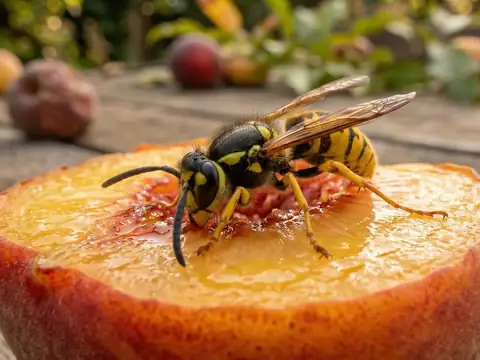
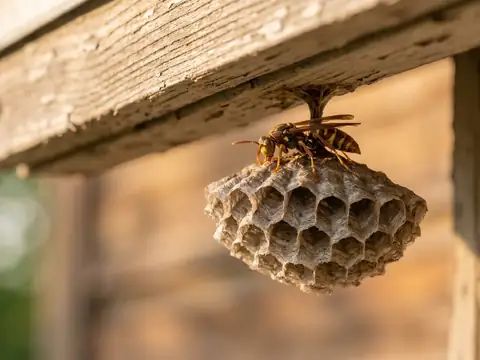
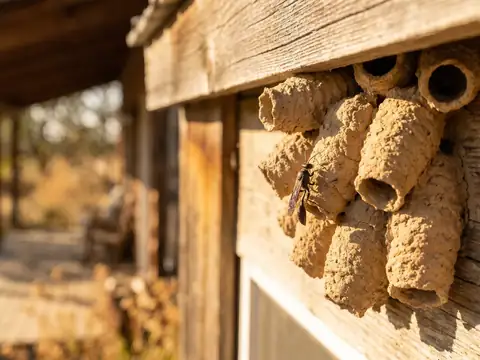
Related Guides
Expert articles related to bald-faced hornet in Idaho
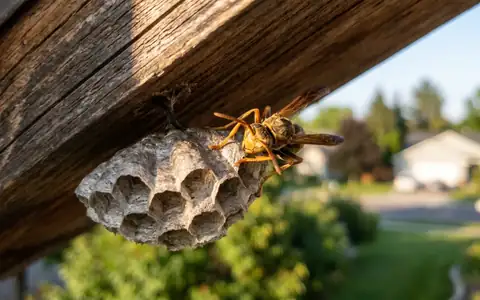 Seasonal Guide
Why Are There So Many Wasps This Year? A Boise Homeowner's Guide to Peak Summer Wasp Season
Read Article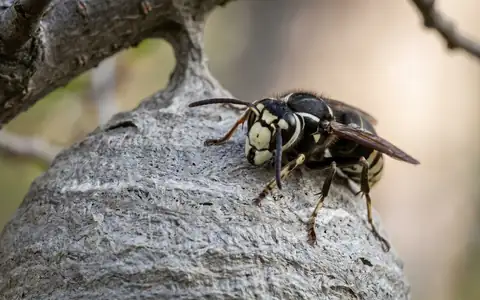 Pest Identification
Gray Football-Shaped Nest in Your Tree? Bald-Faced Hornets in Idaho (2026)
Read Article Safety
Wasp and Hornet Sting First Aid: What to Do, When to See a Doctor, and How to Prevent the Next Sting (Idaho 2026)
Read Article
Think You Have Bald-Faced Hornet?
Call and we'll talk through your options. We usually get out within 24 to 48 hours.
Quarterly plans starting at
$119/quarter
- No-Obligation Quote
- Locally Owned
- Free Re-Service Between Visits
Our Pest Control Services
Complete pest protection. Professional solutions for every pest problem, on a quarterly plan or a one-time visit.
General Pest ControlLearn More
Year-round protection packages
Ant ControlLearn More
Carpenter & pavement ants
Spider ManagementLearn More
Black widows & hobo spiders
Rodent ControlLearn More
Mice, rats & voles
Wasp & HornetLearn More
Nest removal & prevention
Mosquito & OutdoorLearn More
Mosquitos, ticks & fleas
Eco-FriendlyLearn More
Pet & kid safe options
CommercialLearn More
Business & warehouse
Proudly Serving the Treasure Valley
Local technicians from the Treasure Valley, in Boise, Meridian, and surrounding communities.
Pest Control Resources
Expert tips & guides. Local pest knowledge from Boise's trusted exterminators