
Stinging Insects
Yellowjacket
Vespula species
IdentificationHow to Identify Yellowjacket
Quick Answer
Yellowjackets are black and yellow striped wasps, often confused with bees. Key differences: yellowjackets have smooth bodies (no fur), narrow waists, and can sting multiple times.
Full identification notes
They're 10-16mm long and fly in a side-to-side pattern before landing. Their paper nests are hidden in ground holes, wall voids, or other enclosed spaces.
Free
Re-Service Between Visits
4.9/5
Google Rating
9 to 5
Office Hours, Mon to Fri
Yellowjacket Behavior & Habits
Understanding how yellowjacket behave helps prevent infestations
Yellowjackets are social wasps living in colonies of 1,000-4,000 workers.
More about their habits
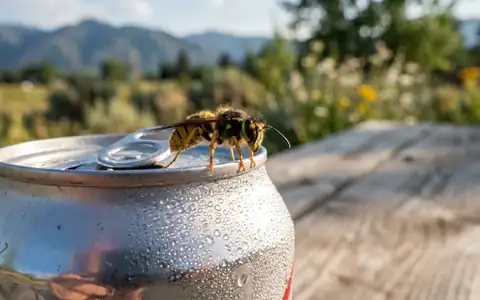
They're beneficial early in summer, feeding on insects, but become aggressive in late summer when natural food sources decline and they seek human food. They're attracted to sweets, proteins, and especially carbonated beverages. Unlike bees, they can sting repeatedly.
Yellowjacket Risks & Dangers
What yellowjacket can do to your health and property
Health Risks
Yellowjacket stings are painful and can be life-threatening for those with allergies.
Property Damage
Nests in wall voids can damage insulation and create ongoing sting risk until eliminated.
Full health and property details
Health Risks
Multiple stings can cause systemic reactions even in non-allergic individuals. Yellowjackets sting more people than any other stinging insect in North America.
Property Damage
Ground nests near walkways create safety hazards.
Signs of Yellowjacket Infestation
Look for these indicators in your home
Signs You Have Yellowjacket
What homeowners spot first
- Wasps flying in and out of hole in ground
- Wasps entering/exiting gap in siding or soffit
- Increased wasp activity around trash or food
More signs to look for
- Wasps hovering around outdoor eating areas
- Buzzing sounds in walls (wall void nest)
- Paper nest material visible in eaves or structures
Yellowjacket in Boise & the Treasure Valley
Yellowjackets are extremely common in the Treasure Valley and become most aggressive in August and September.
More on what we see locally
Idaho outdoor events, barbecues, and fruit harvests attract heavy yellowjacket activity. Ground-nesting species are particularly common in Boise's drier soil conditions.
How We Handle Yellowjacket
What our approach looks like
Yellowjacket nest elimination requires professional treatment with protective equipment.
Our full approach
We treat nests directly during evening hours when wasps are inside. For wall voids, we use specialized application methods to reach the nest. We recommend waiting 48-72 hours before removing nest structure to ensure complete colony death.
How to Prevent Yellowjacket
Steps you can take to reduce the risk of infestation
- Keep trash cans tightly sealed
- Clean up food spills and rinse containers
- Don't leave sugary drinks unattended outdoors
More prevention steps
- Check for nests early in season when small
- Seal gaps in siding, soffits, and foundation
- Be cautious around old rodent burrows (potential nest sites)
Yellowjacket Questions Answered
Common questions about identification, prevention, and treatment
Call (208) 297-7947Why are yellowjackets so aggressive in fall?
Quick answerYellowjacket colonies reach peak size in late summer, and natural food sources decline.
The colony's upcoming death makes workers desperate for food, leading them to aggressively pursue human food sources.
Can I treat a yellowjacket nest myself?
Quick answerGround and wall void nests are dangerous to approach.
Disturbing a nest can trigger mass attack with potentially dozens of stings. Professional treatment with protective equipment is strongly recommended.
What's the difference between yellowjackets and bees?
Quick answerYellowjackets are wasps with smooth bodies, narrow waists, and can sting repeatedly.
Bees are fuzzy, have thicker waists, and most can only sting once. Yellowjackets are generally more aggressive around food.
Similar Pests
Learn about other pests in this category
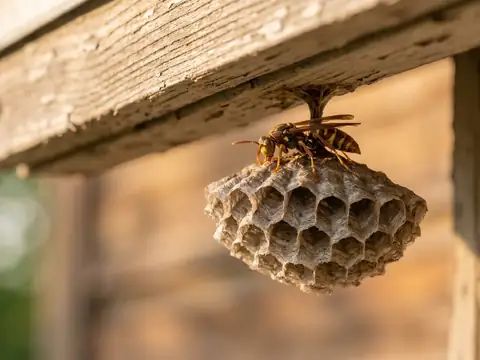
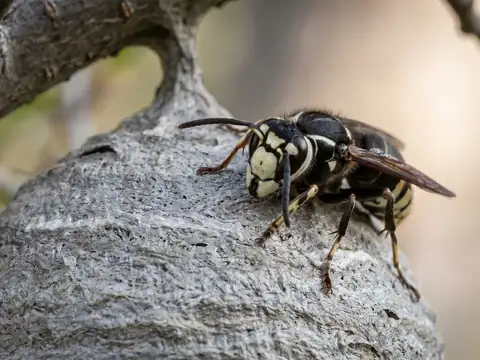
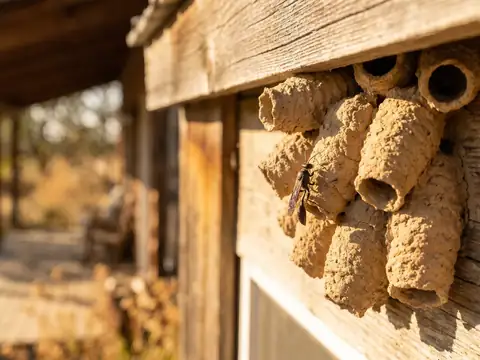
Related Guides
Expert articles related to yellowjacket in Idaho
 Safety
Wasp and Hornet Sting First Aid: What to Do, When to See a Doctor, and How to Prevent the Next Sting (Idaho 2026)
Read Article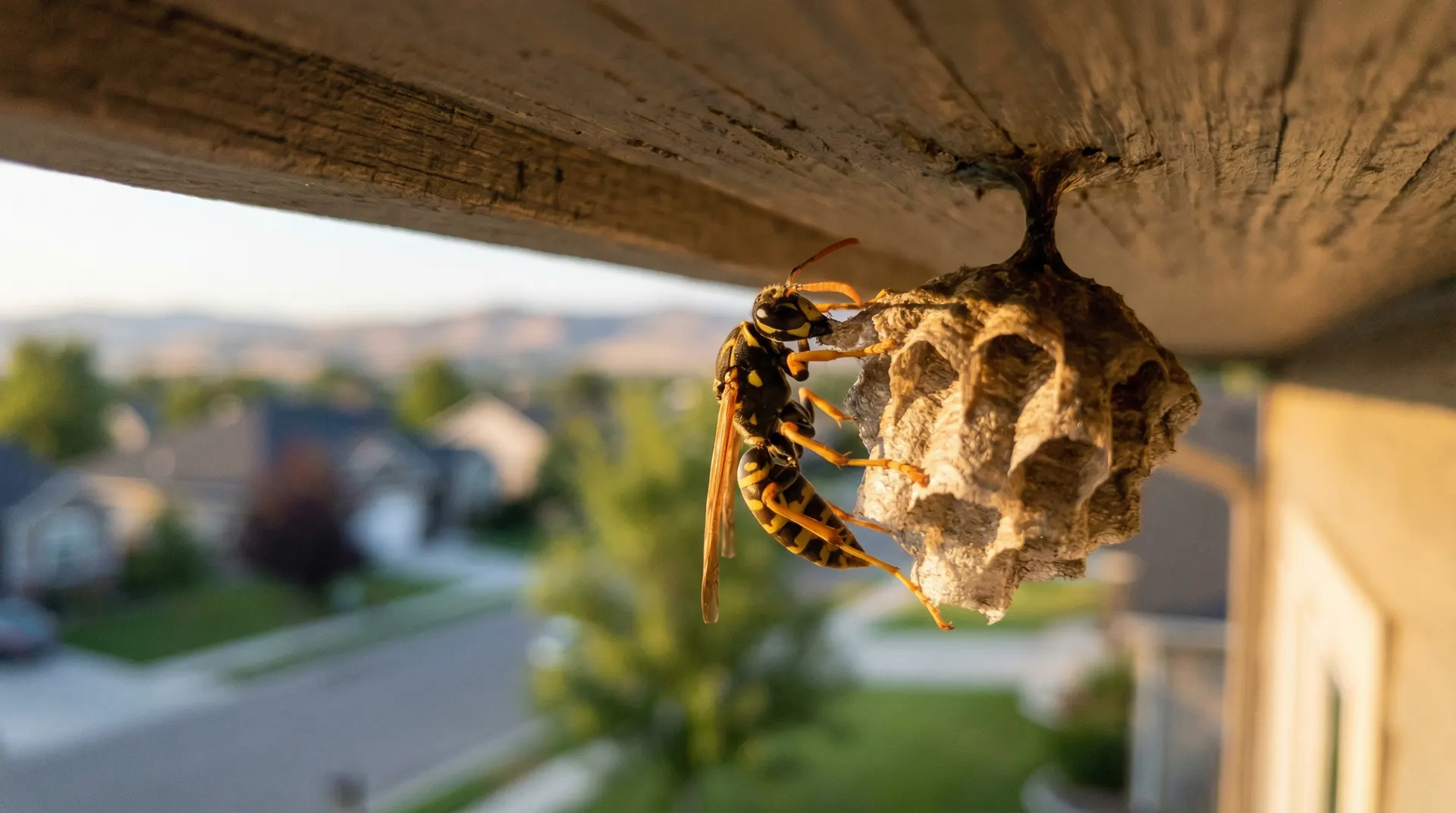 Seasonal Guide
Wasp Control in Boise: Why Late Summer Is the Most Dangerous Season and How to Handle Peak Aggression (2026 August Update)
Read Article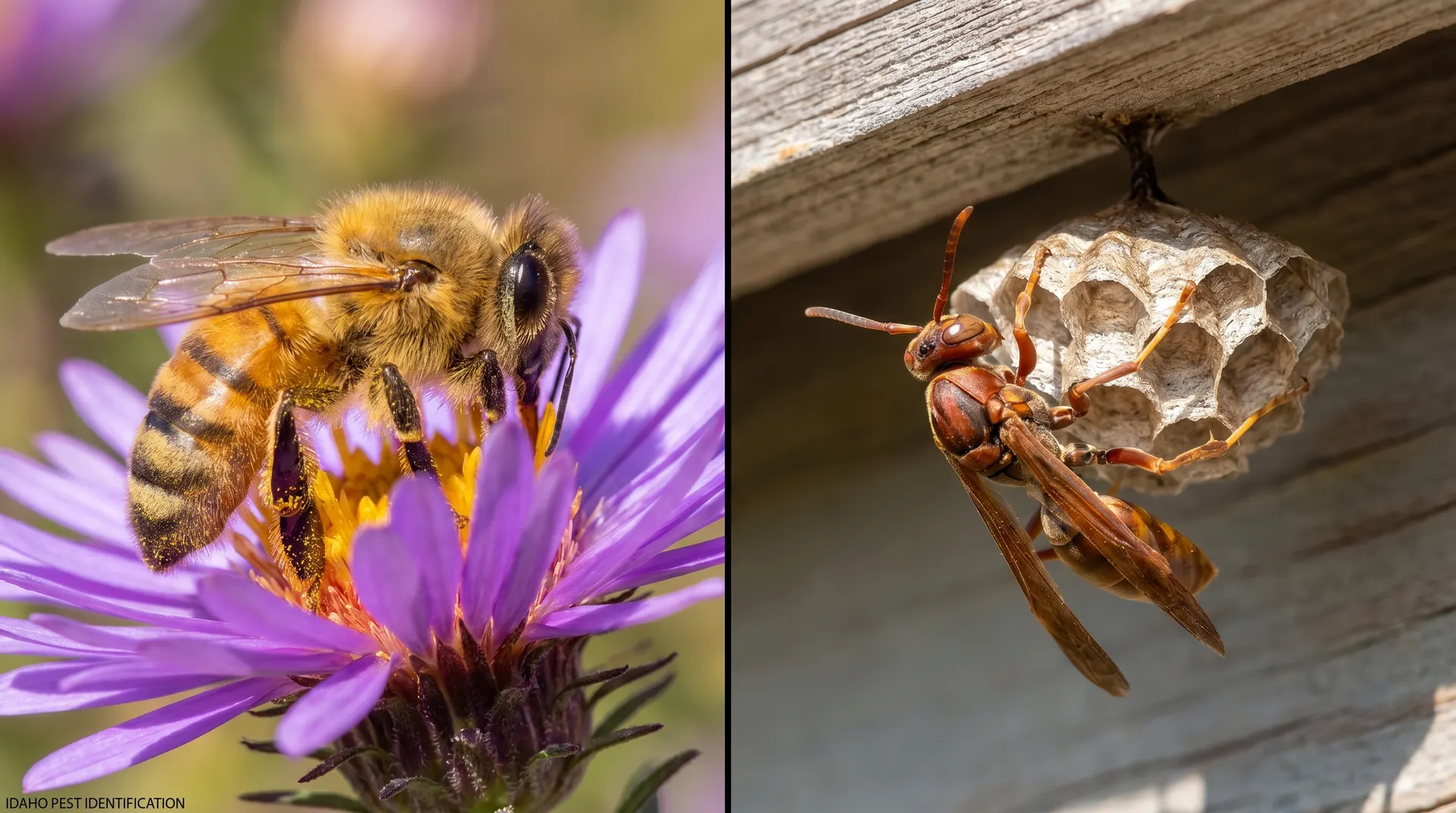 Pest Identification
Bee vs Wasp: How to Tell the Difference in Idaho (And Which One Green Guard Treats)
Read Article
Think You Have Yellowjacket?
Call and we'll talk through your options. We usually get out within 24 to 48 hours.
Quarterly plans starting at
$119/quarter
- No-Obligation Quote
- Locally Owned
- Free Re-Service Between Visits
Our Pest Control Services
Complete pest protection. Professional solutions for every pest problem, on a quarterly plan or a one-time visit.
General Pest ControlLearn More
Year-round protection packages
Ant ControlLearn More
Carpenter & pavement ants
Spider ManagementLearn More
Black widows & hobo spiders
Rodent ControlLearn More
Mice, rats & voles
Wasp & HornetLearn More
Nest removal & prevention
Mosquito & OutdoorLearn More
Mosquitos, ticks & fleas
Eco-FriendlyLearn More
Pet & kid safe options
CommercialLearn More
Business & warehouse
Proudly Serving the Treasure Valley
Local technicians from the Treasure Valley, in Boise, Meridian, and surrounding communities.
Pest Control Resources
Expert tips & guides. Local pest knowledge from Boise's trusted exterminators