
Insects
Mosquitoes
Culicidae family
IdentificationHow to Identify Mosquitoes
Quick Answer
Mosquitoes are small, slender flies, about 3 to 6mm long, with long legs and a needle-like proboscis. Only the females bite.
Full identification notes
They need blood to develop eggs, and they zero in on you using CO2, body heat, and skin odor. Some species hunt at dawn and dusk; others stay active through the day.
Free
Re-Service Between Visits
4.9/5
Google Rating
9 to 5
Office Hours, Mon to Fri
Mosquitoes Behavior & Habits
Understanding how mosquitoes behave helps prevent infestations
After a blood meal, females lay eggs in any pool of standing water they can find.
More about their habits
We're talking ponds, clogged gutters, kid wading pools, even an old bottle cap holding rainwater. Males don't bite at all and feed on flower nectar. Larvae develop from egg to adult in as little as a week once summer heat sets in, which is why backyard populations explode after every irrigation cycle.
Mosquitoes Risks & Dangers
What mosquitoes can do to your health and property
Health Risks
Mosquitoes are the deadliest animals on earth, transmitting diseases including West Nile virus, Zika, Eastern Equine Encephalitis, and others.
Property Damage
No property damage, but heavy mosquito populations dramatically reduce outdoor quality of life.
Full health and property details
Health Risks
In Idaho, West Nile virus is the primary concern. Bites also cause itchy welts and allergic reactions in some people.
Signs of Mosquitoes Infestation
Look for these indicators in your home
Signs You Have Mosquitoes
What homeowners spot first
- Mosquito bites after outdoor activity
- Buzzing around face and ears
- Standing water on property
More signs to look for
- Mosquitoes swarming at dusk
- Larvae wiggling in standing water
Mosquitoes in Boise & the Treasure Valley
Our heaviest mosquito calls come from late June through early September across Garden City greenbelt lots, the Boise River corridor through the North End and East End, and irrigation-canal neighborhoods in south Meridian and Eagle Island.
More on what we see locally
Anywhere flood irrigation pools water in a Treasure Valley backyard, populations spike within a week. West Nile virus turns up in Idaho mosquito traps most summers, so we treat barrier service as a real health step for families with kids and dogs outside.
How We Handle Mosquitoes
What our approach looks like
Our Lawn & Mosquito Program treats your yard monthly from May through October, and the same program covers fleas and ticks.
Our full approach
We treat the breeding sites around your yard and the vegetation where adult mosquitoes rest during the day. Pricing is by lot size: $69 a month up to 0.25 acre, $89 for 0.26 to 0.5 acre, $109 for 0.51 to 1 acre, and a custom quote over 1 acre. Bundle it with general pest control to save 10%. Between visits, dump standing water weekly, since mosquitoes can go from egg to adult in about a week of summer heat.
How to Prevent Mosquitoes
Steps you can take to reduce the risk of infestation
- Eliminate all standing water weekly
- Clean gutters and birdbaths
- Stock ponds with mosquito fish
More prevention steps
- Maintain pool chemistry
- Use screens on windows and doors
- Schedule professional barrier treatments
Mosquitoes Questions Answered
Common questions about identification, prevention, and treatment
Call (208) 297-7947Why do mosquitoes bite some people more than others?
Quick answerMosquitoes are attracted to specific CO2 output, body heat, and skin bacteria.
Blood type, pregnancy, alcohol consumption, and even clothing color can affect attractiveness to mosquitoes.
How long does mosquito treatment last?
Quick answerWe treat monthly from May through October, so your yard gets a fresh treatment every month of the Treasure Valley mosquito season.
How long each one holds up depends on weather and how much shade your yard has.
When can kids and pets go back outside after mosquito treatment?
Quick answerKeep kids and pets inside while we treat.
Your technician will tell you how long to keep them off treated areas before they head back out.
Similar Pests
Learn about other pests in this category
Related Guides
Expert articles related to mosquitoes in Idaho
 Seasonal Guide
Pest-Proofing Your Boise Backyard for Summer BBQs and Patio Season (2026 Idaho Guide)
Read Article Seasonal Guide
Peak Mosquito Season in Boise (2026 Update): Treasure Valley Irrigation, Standing Water, and Yard Protection
Read Article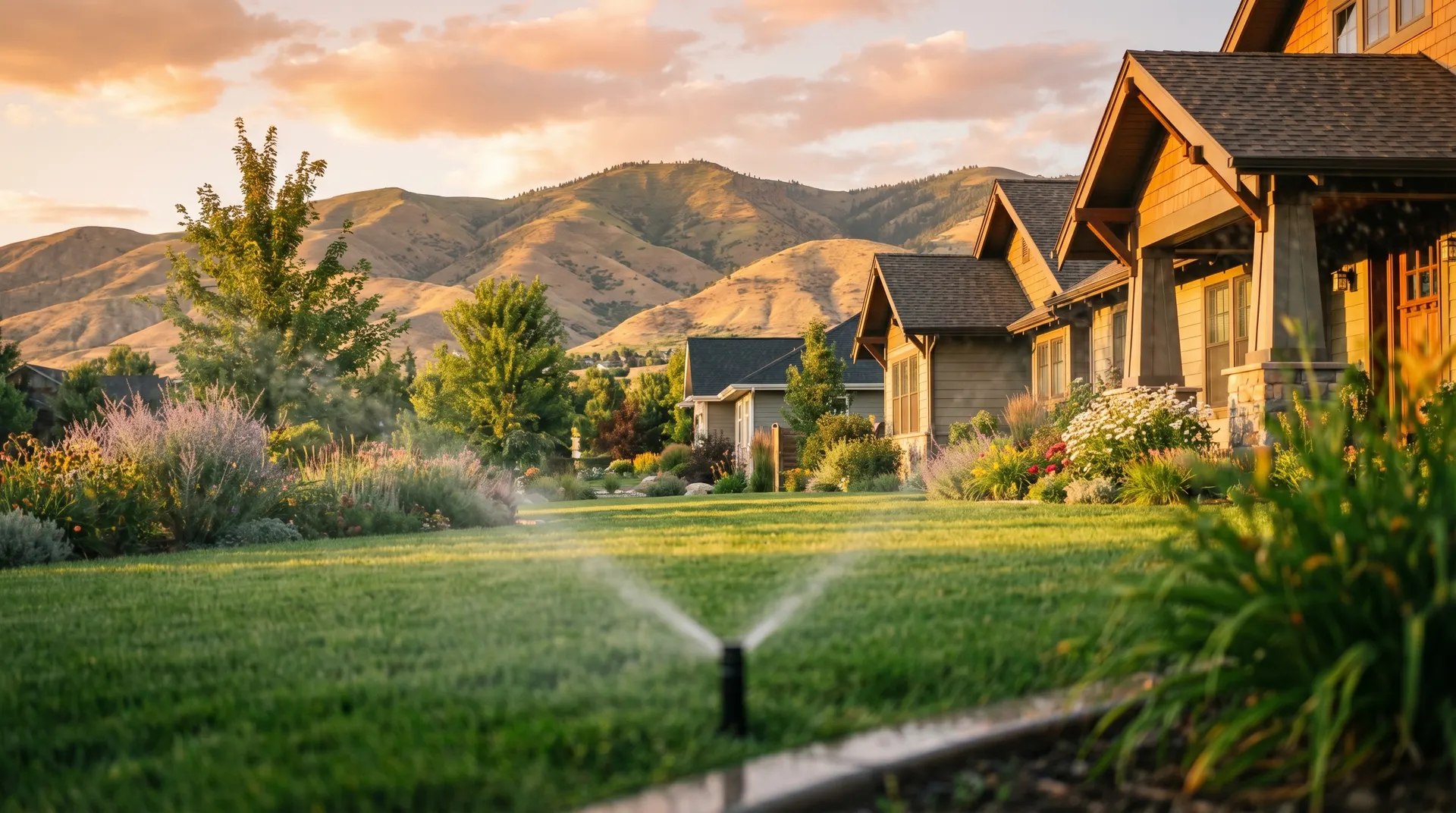 Prevention Tips
Mosquito Prevention for Your Boise Yard (2026 Update): It's June. Here's How to Stop Bites This Summer
Read Article
Think You Have Mosquitoes?
Call and we'll talk through your options. We usually get out within 24 to 48 hours.
Quarterly plans starting at
$119/quarter
- No-Obligation Quote
- Locally Owned
- Free Re-Service Between Visits
Our Pest Control Services
Complete pest protection. Professional solutions for every pest problem, on a quarterly plan or a one-time visit.
General Pest ControlLearn More
Year-round protection packages
Ant ControlLearn More
Carpenter & pavement ants
Spider ManagementLearn More
Black widows & hobo spiders
Rodent ControlLearn More
Mice, rats & voles
Wasp & HornetLearn More
Nest removal & prevention
Mosquito & OutdoorLearn More
Mosquitos, ticks & fleas
Eco-FriendlyLearn More
Pet & kid safe options
CommercialLearn More
Business & warehouse
Proudly Serving the Treasure Valley
Local technicians from the Treasure Valley, in Boise, Meridian, and surrounding communities.
Pest Control Resources
Expert tips & guides. Local pest knowledge from Boise's trusted exterminators