
Insects
Odorous House Ants
Tapinoma sessile
IdentificationHow to Identify Odorous House Ants
Quick Answer
Odorous house ants are small, brown to black ants that produce a distinctive "rotten coconut" smell when crushed. They're 2.4-3.3mm long with a single flattened node hidden by their abdomen.
Full identification notes
They trail in long lines and are often found near moisture sources.
Free
Re-Service Between Visits
4.9/5
Google Rating
9 to 5
Office Hours, Mon to Fri
Odorous House Ants Behavior & Habits
Understanding how odorous house ants behave helps prevent infestations
These ants nest in wall voids, under floors, and near pipes.
More about their habits
Colonies can have multiple queens and split easily when disturbed, making DIY treatment difficult. They prefer sweets but eat nearly anything. They're highly adaptable and can relocate nests quickly when threatened.
Odorous House Ants Risks & Dangers
What odorous house ants can do to your health and property
Health Risks
Odorous house ants are nuisance pests and don't bite or sting significantly.
Property Damage
No structural damage, but large colonies can indicate moisture issues that need addressing.
Full health and property details
Health Risks
They contaminate food and can spread bacteria from garbage to food surfaces.
Signs of Odorous House Ants Infestation
Look for these indicators in your home
Signs You Have Odorous House Ants
What homeowners spot first
- Strong rotten coconut smell when ants are crushed
- Ant trails near sinks, dishwashers, or water heaters
- Ants in bathrooms around pipes
More signs to look for
- Multiple trails appearing suddenly
- Ants active indoors year-round
Odorous House Ants in Boise & the Treasure Valley
Odorous house ants are the most common indoor ant we treat across the Treasure Valley.
More on what we see locally
Our heaviest call volume runs March through June, when colonies wake up and push trails into Boise, Meridian, and Eagle kitchens looking for water and sugar. A second wave hits in July and August when summer heat dries up outdoor moisture and drives them inside. Older homes in the North End, established Meridian subdivisions, and any house with foundation plantings or a leaky outdoor spigot tend to see them come back year after year.
How We Handle Odorous House Ants
What our approach looks like
Odorous house ant control means baiting strategies that let workers carry slow-acting bait back to every queen in the colony.
Our full approach
Repellent sprays cause colonies to bud into multiple new ones, so we never spray visible trails. We pair non-repellent baits inside with a full exterior perimeter treatment to cut off new foragers. New customers start at just $49 for the initial service, and our free re-service guarantee covers callbacks between visits if trails come back.
How to Prevent Odorous House Ants
Steps you can take to reduce the risk of infestation
- Fix all water leaks promptly
- Seal cracks around plumbing penetrations
- Store food in airtight containers
More prevention steps
- Keep counters and sinks dry
- Trim vegetation away from foundation
Odorous House Ants Questions Answered
Common questions about identification, prevention, and treatment
Call (208) 297-7947Why do these ants smell when crushed?
Quick answerOdorous house ants produce chemicals called methyl ketones when threatened or crushed, creating their characteristic rotten coconut smell.
Why does spraying make the problem worse?
Quick answerRepellent sprays cause odorous house ant colonies to "bud," splitting into multiple new colonies to survive.
One bad DIY can take a single trail and scatter it into a dozen new pockets behind your walls, which is why we never spray visible odorous house ant trails.
How long does it take to get rid of odorous house ants?
Quick answerAnts usually drop off within 24 to 48 hours of treatment, and it takes 10 to 14 days for the bait to reach the colony and every queen.
Your first service is $49 on a quarterly or bimonthly plan, then $99 to $159 per visit depending on home size and schedule. Call (208) 297-7947 to book. We usually get out within 24 to 48 hours, and same-day is often available.
Similar Pests
Learn about other pests in this category
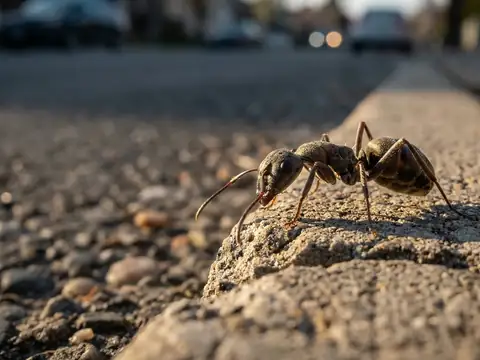
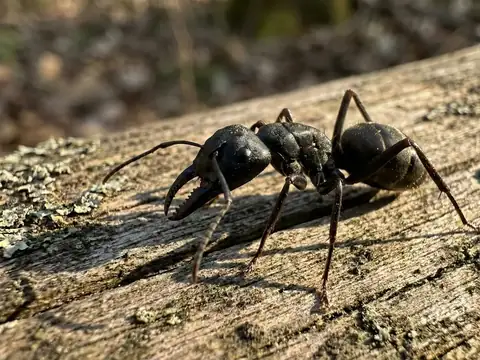
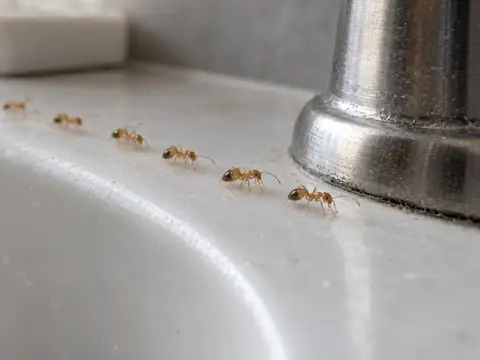
Related Guides
Expert articles related to odorous house ants in Idaho
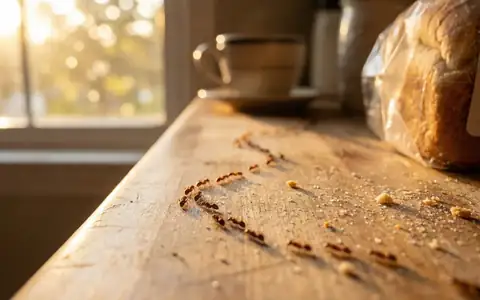 Seasonal Guide
Why Ants Invade Boise Kitchens Every Spring (And How to Stop Them)
Read Article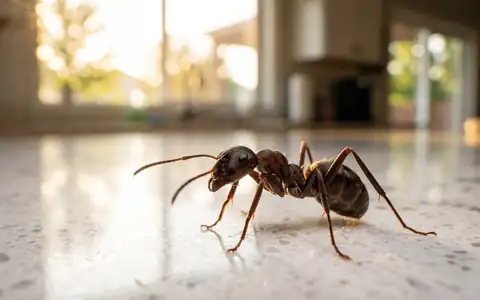 Pest Identification
Ant Control in Boise: Stop Summer Ant Invasions in Your Kitchen, Yard, and Foundation (2026)
Read Article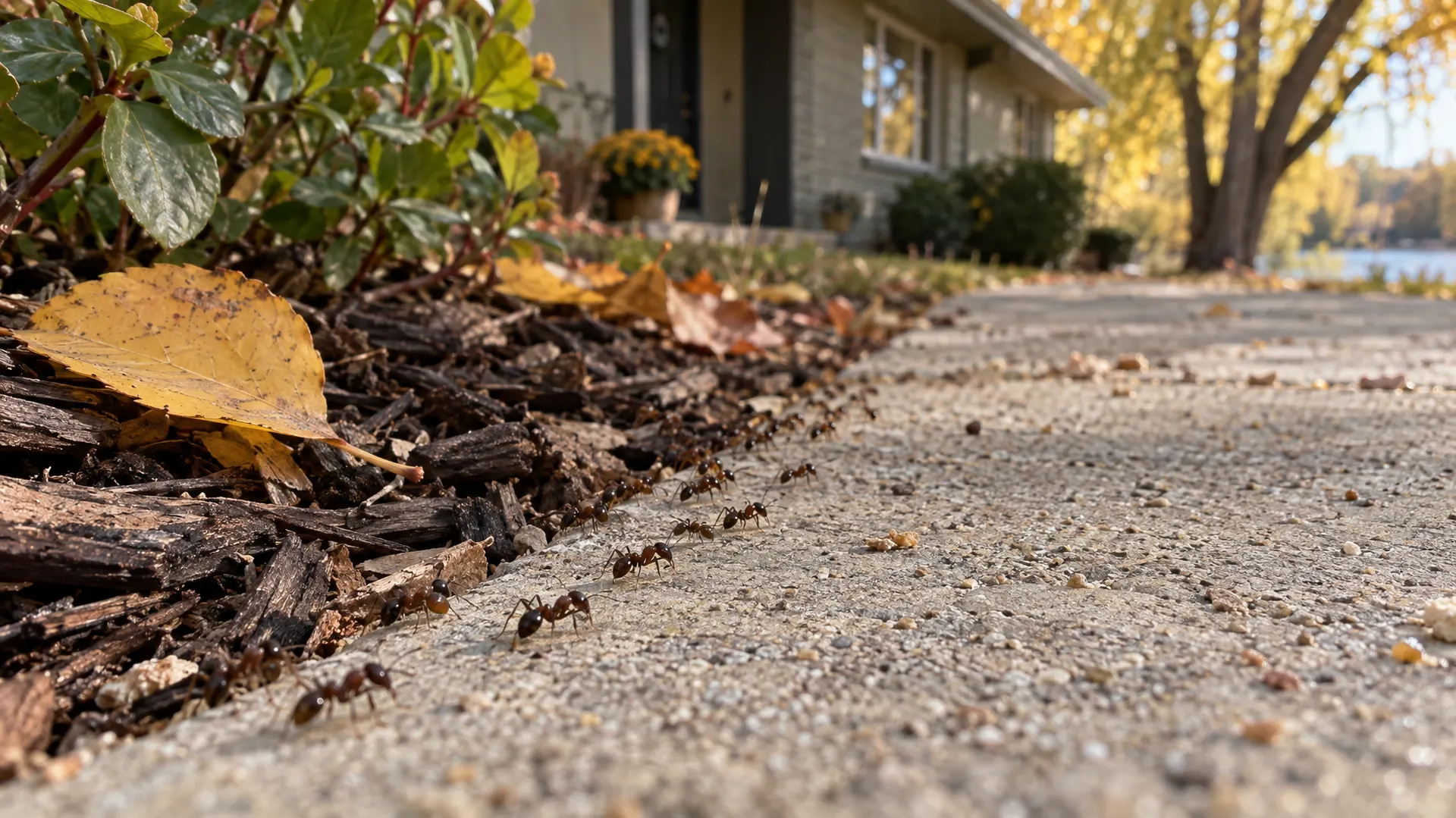 Local Guide
Ant Control in Garden City: Identification, Prevention, and Treatment
Read Article
Think You Have Odorous House Ants?
Call and we'll talk through your options. We usually get out within 24 to 48 hours.
Quarterly plans starting at
$119/quarter
- No-Obligation Quote
- Locally Owned
- Free Re-Service Between Visits
Our Pest Control Services
Complete pest protection. Professional solutions for every pest problem, on a quarterly plan or a one-time visit.
General Pest ControlLearn More
Year-round protection packages
Ant ControlLearn More
Carpenter & pavement ants
Spider ManagementLearn More
Black widows & hobo spiders
Rodent ControlLearn More
Mice, rats & voles
Wasp & HornetLearn More
Nest removal & prevention
Mosquito & OutdoorLearn More
Mosquitos, ticks & fleas
Eco-FriendlyLearn More
Pet & kid safe options
CommercialLearn More
Business & warehouse
Proudly Serving the Treasure Valley
Local technicians from the Treasure Valley, in Boise, Meridian, and surrounding communities.
Pest Control Resources
Expert tips & guides. Local pest knowledge from Boise's trusted exterminators