
Insects
Pantry Moths (Indian Meal Moths)
Plodia interpunctella
IdentificationHow to Identify Pantry Moths (Indian Meal Moths)
Quick Answer
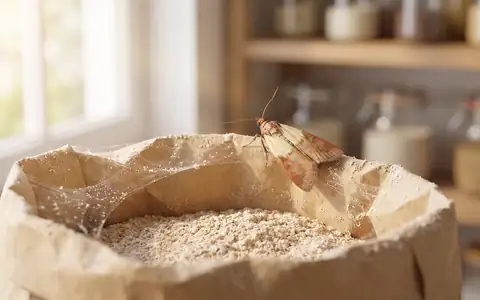
Indian meal moths are easily identified by their distinctive wings: the inner half is creamy-white and the outer half is reddish-brown/copper. Larvae are cream-colored caterpillars often found with webbing in food products.
Full identification notes
They're the most common stored product pest.
Free
Re-Service Between Visits
4.9/5
Google Rating
9 to 5
Office Hours, Mon to Fri
Pantry Moths (Indian Meal Moths) Behavior & Habits
Understanding how pantry moths (indian meal moths) behave helps prevent infestations
Larvae feed on grains, cereals, dried fruit, nuts, pet food, bird seed, and many other stored products.
More about their habits
They spin silken webbing in food, often creating clumps. Adults don't eat. They live only to reproduce. Complete lifecycle takes 4-6 weeks, which is why a small problem turns into a big one fast.
Pantry Moths (Indian Meal Moths) Risks & Dangers
What pantry moths (indian meal moths) can do to your health and property
Health Risks
Pantry moths don't bite or carry diseases.
Property Damage
They contaminate and ruin stored food products.
Full health and property details
Health Risks
Throw out any contaminated food, but if you accidentally ate some before noticing, you're fine. It's not dangerous, just unappetizing.
Property Damage
Infestations can spread throughout a kitchen, affecting thousands of dollars in food over time.
Signs of Pantry Moths (Indian Meal Moths) Infestation
Look for these indicators in your home
Signs You Have Pantry Moths (Indian Meal Moths)
What homeowners spot first
- Small moths flying in kitchen, especially at night
- Webbing in grains, cereals, or dried food
- Cream-colored larvae crawling in pantry
More signs to look for
- Food clumping together in packages
- Larvae or cocoons in package crevices
- Adult moths resting on walls/ceilings
Pantry Moths (Indian Meal Moths) in Boise & the Treasure Valley
Pantry moths show up year-round in Boise homes, but we get the most calls in late summer and fall when bulk grocery hauls and stocked-up bird seed sit in warm Treasure Valley garages.
More on what we see locally
Foothill neighborhoods with backyard bird feeders, plus families who buy grains in bulk, are the most common starting points. Almost every infestation we treat traces back to a single bag of grain, flour, or seed brought in from somewhere else.
How We Handle Pantry Moths (Indian Meal Moths)
What our approach looks like
Our $49 initial service starts with a full pantry inspection.
Our full approach
We pull every infested product, clean and treat the shelves, and set out pheromone traps to monitor and catch the remaining adults. Then we'll target hot spots with a residual application. The catch: long-term control depends on you switching your dry goods to airtight containers from day one.
How to Prevent Pantry Moths (Indian Meal Moths)
Steps you can take to reduce the risk of infestation
- Store dry goods in airtight containers
- Inspect groceries before purchasing
- Use older products first (first in, first out)
More prevention steps
- Clean pantry shelves regularly
- Don't buy damaged or torn packages
- Freeze susceptible items for 72 hours after purchase
Pantry Moths (Indian Meal Moths) Questions Answered
Common questions about identification, prevention, and treatment
Call (208) 297-7947Where do pantry moths come from?
Quick answerMost infestations start with moths already present in purchased products.
Eggs or larvae hitch a ride in grains, flour, cereals, dried fruit, pet food, or bird seed. They rarely enter homes from outside.
How do I get rid of pantry moths completely?
Quick answerGetting rid of them takes five steps: 1) Remove and inspect ALL dry goods, 2) Discard anything infested or questionable, 3) Thoroughly clean pantry, 4) Store remaining food in airtight containers, 5) Use pheromone traps to catch remaining adults.
Are the moths I see flying the problem?
Quick answerFlying moths are adult males, which is why pheromone traps catch them.
They signal an active infestation, but they aren't the source. The larvae in your food are. You have to find and toss the infested package to actually fix it.
Similar Pests
Learn about other pests in this category
Related Guides
Expert articles related to pantry moths (indian meal moths) in Idaho
 Pest Identification
Pantry Moths in Boise: Why Indian Meal Moths Explode in August and How to Eliminate Them (2026)
Read Article Seasonal Guide
Pest-Proofing Your Boise Backyard for Summer BBQs and Patio Season (2026 Idaho Guide)
Read Article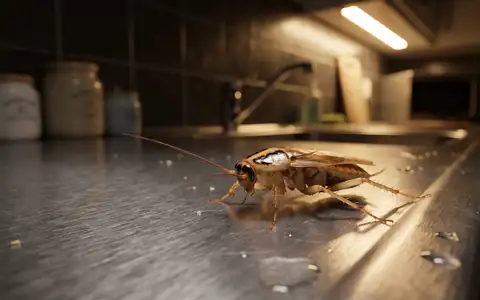 Pest Identification
Cockroach Control in Boise: German Roaches in Apartments, Kitchens, and What Actually Works (2026)
Read Article
Think You Have Pantry Moths (Indian Meal Moths)?
Call and we'll talk through your options. We usually get out within 24 to 48 hours.
Quarterly plans starting at
$119/quarter
- No-Obligation Quote
- Locally Owned
- Free Re-Service Between Visits
Our Pest Control Services
Complete pest protection. Professional solutions for every pest problem, on a quarterly plan or a one-time visit.
General Pest ControlLearn More
Year-round protection packages
Ant ControlLearn More
Carpenter & pavement ants
Spider ManagementLearn More
Black widows & hobo spiders
Rodent ControlLearn More
Mice, rats & voles
Wasp & HornetLearn More
Nest removal & prevention
Mosquito & OutdoorLearn More
Mosquitos, ticks & fleas
Eco-FriendlyLearn More
Pet & kid safe options
CommercialLearn More
Business & warehouse
Proudly Serving the Treasure Valley
Local technicians from the Treasure Valley, in Boise, Meridian, and surrounding communities.
Pest Control Resources
Expert tips & guides. Local pest knowledge from Boise's trusted exterminators