
Insects
Ticks
Ixodidae family
IdentificationHow to Identify Ticks
Quick Answer
Ticks aren't insects. They're arachnids, related to spiders, with eight legs and a flat oval body that balloons out once they've fed.
Full identification notes
The two species we see most around the Treasure Valley are the Rocky Mountain wood tick and the American dog tick, both brown to reddish-brown and roughly the size of a sesame seed before feeding.
Free
Re-Service Between Visits
4.9/5
Google Rating
9 to 5
Office Hours, Mon to Fri
Ticks Behavior & Habits
Understanding how ticks behave helps prevent infestations
Ticks don't jump or fly.
More about their habits
They climb to the tips of grass and brush and wait with their front legs extended (a behavior called "questing") until a host walks by. They home in on CO2, body heat, and movement. Once they latch on, they feed for several days before dropping off, and they can survive months between meals.
Ticks Risks & Dangers
What ticks can do to your health and property
Health Risks
Ticks in Idaho can transmit Rocky Mountain spotted fever, tularemia, Colorado tick fever, and (rarely) Lyme disease.
Property Damage
No property damage.
Full health and property details
Health Risks
A tick attached for more than a day or two can also cause tick paralysis, especially in kids and pets. Removing a tick within 24 hours of attachment dramatically lowers your disease risk.
Property Damage
The real cost is the hit to outdoor recreation: hikes, yard work, and walking the dog all get more anxious when ticks are active.
Signs of Ticks Infestation
Look for these indicators in your home
Signs You Have Ticks
What homeowners spot first
- Ticks on clothing or skin after time in the foothills or tall grass
- Attached ticks on dogs or cats after walks
- Loose ticks crawling on floors, rugs, or pet beds indoors
More signs to look for
- Unexplained fever or flu-like symptoms after outdoor exposure
- A red, expanding rash around a bite site (call your doctor right away)
Ticks in Boise & the Treasure Valley
In the Treasure Valley, tick pressure follows the wildland edge.
More on what we see locally
We get most of our tick calls from foothills neighborhoods like Harris Ranch, Warm Springs Mesa, Hidden Springs, the Boise foothills above Hyde Park, and the Eagle Foothills, plus homes outside of Star, Avimor, and rural Kuna that back up to BLM land or open range. Activity ramps up in April, peaks in May and June, and tapers by late summer. The Rocky Mountain wood tick is what you'll usually find on yourself or the dog after a hike on Hulls Gulch or the Bogus Basin road trails.
How We Handle Ticks
What our approach looks like
Our Lawn & Mosquito Program treats your yard monthly from May through October and covers ticks along with mosquitoes and fleas.
Our full approach
Pricing is by lot size: $69 a month up to 0.25 acre, $89 for 0.26 to 0.5 acre, $109 for 0.51 to 1 acre, and a custom quote over 1 acre, with 10% off when you bundle it with general pest control. Habitat changes help too: keep grass short, clear leaf litter, and put a gravel or mulch buffer between the lawn and the wild stuff so the yard stops looking like prime tick real estate.
How to Prevent Ticks
Steps you can take to reduce the risk of infestation
- Tuck long pants into your socks before heading into tall grass or brush
- Use an EPA-registered repellent (DEET or picaridin) on skin and clothing
- Check yourself, your kids, and your dogs within a couple hours of coming inside
More prevention steps
- Shower within two hours of being outside. Most ticks haven't attached yet and rinse right off
- Keep grass short and rake up leaf litter, especially where the lawn meets brush
- Put a 3-foot gravel or wood-chip buffer between your lawn and any wildland edge
Ticks Questions Answered
Common questions about identification, prevention, and treatment
Call (208) 297-7947How do I remove a tick safely?
Quick answerGrab fine-tipped tweezers, grip the tick as close to the skin as you can, and pull straight up with steady pressure.
Don't twist, don't jerk, and don't bother with matches or nail polish. Clean the bite with alcohol, wash your hands, and drop the tick in a sealed bag in case you need to ID it later if you develop a fever or rash.
Is Lyme disease a real risk in Idaho?
Quick answerLyme is rare here.
The blacklegged ticks that carry it aren't common in southern Idaho, so the dominant local tick-borne diseases are Rocky Mountain spotted fever, tularemia, and Colorado tick fever. Any unexplained fever or expanding rash after a tick bite still deserves a doctor visit.
Do I need tick service if my home isn't in the foothills?
Quick answerUsually not for the yard itself.
The Treasure Valley homes that get real tick pressure back up to foothills, BLM land, or open fields. If you live in a midtown Boise or Meridian neighborhood, most of the ticks you see are hitchhiking in on the dog after a foothills hike. Check the dog before they come inside and you'll head off most of it.
Similar Pests
Learn about other pests in this category
Related Guides
Expert articles related to ticks in Idaho
 Seasonal Guide
Pest-Proofing Your Boise Backyard for Summer BBQs and Patio Season (2026 Idaho Guide)
Read Article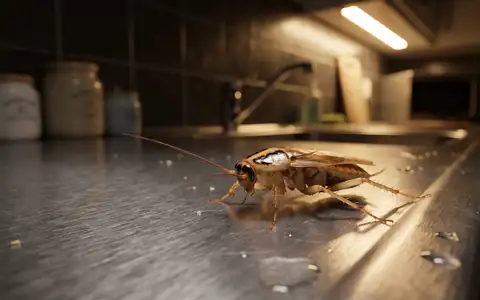 Pest Identification
Cockroach Control in Boise: German Roaches in Apartments, Kitchens, and What Actually Works (2026)
Read Article Prevention Tips
Ant Prevention in Boise: 12 Ways to Keep Ants Out Before They Find a Way In (2026 Summer Update)
Read Article
Think You Have Ticks?
Call and we'll talk through your options. We usually get out within 24 to 48 hours.
Quarterly plans starting at
$119/quarter
- No-Obligation Quote
- Locally Owned
- Free Re-Service Between Visits
Our Pest Control Services
Complete pest protection. Professional solutions for every pest problem, on a quarterly plan or a one-time visit.
General Pest ControlLearn More
Year-round protection packages
Ant ControlLearn More
Carpenter & pavement ants
Spider ManagementLearn More
Black widows & hobo spiders
Rodent ControlLearn More
Mice, rats & voles
Wasp & HornetLearn More
Nest removal & prevention
Mosquito & OutdoorLearn More
Mosquitos, ticks & fleas
Eco-FriendlyLearn More
Pet & kid safe options
CommercialLearn More
Business & warehouse
Proudly Serving the Treasure Valley
Local technicians from the Treasure Valley, in Boise, Meridian, and surrounding communities.
Pest Control Resources
Expert tips & guides. Local pest knowledge from Boise's trusted exterminators