
Spiders & Scorpions
Giant House Spider
Eratigena atrica
IdentificationHow to Identify Giant House Spider
Quick Answer
Giant house spiders are among the largest spiders in Idaho, with leg spans up to 75mm (3 inches). They're brown with mottled darker markings and build funnel webs.
Full identification notes
They're often confused with hobo spiders but are larger with banded legs and more distinct markings.
Free
Re-Service Between Visits
4.9/5
Google Rating
9 to 5
Office Hours, Mon to Fri
Giant House Spider Behavior & Habits
Understanding how giant house spider behave helps prevent infestations
Giant house spiders are fast runners that build funnel webs in dark corners.
More about their habits
Males wander in late summer/fall seeking mates, leading to increased indoor sightings. Despite their alarming size, they're shy and prefer to flee rather than bite. They're actually competitors of hobo spiders.
Giant House Spider Risks & Dangers
What giant house spider can do to your health and property
Health Risks
Giant house spiders rarely bite, and bites are not medically significant.
Property Damage
No property damage.
Full health and property details
Health Risks
Reactions are comparable to a minor bee sting. Their large size makes them frightening, but they're not dangerous.
Property Damage
Their webs can be unsightly in corners and crevices.
Signs of Giant House Spider Infestation
Look for these indicators in your home
Signs You Have Giant House Spider
What homeowners spot first
- Large funnel webs in dark corners
- Fast-moving large spiders, especially at night
- Increased sightings in August-October
More signs to look for
- Banded legs visible on close inspection
- Webs in basements, garages, and bathrooms
Giant House Spider in Boise & the Treasure Valley
We see most giant house spider calls in September and October, when wandering males show up in basements and garages looking for mates.
More on what we see locally
They're especially common in older Boise neighborhoods with full basements (North End, East End, Boise Bench) and in Garden City and Meridian garages with damp corners. The good news: they actually outcompete and prey on hobo spiders, so a few in your basement may be keeping the more dangerous ones out. Our technicians often find them sharing dark corners with cellar spiders along the foothills, where cooler nighttime temps push them inside.
How We Handle Giant House Spider
What our approach looks like
Giant house spider control involves treating harboring areas with residual products and reducing prey populations.
Our full approach
Sealing gaps around doors and windows on your end helps too. Because they help keep hobo spiders in check, we usually focus on keeping them out of living areas rather than wiping them all out.
How to Prevent Giant House Spider
Steps you can take to reduce the risk of infestation
- Seal gaps around doors and windows
- Use door sweeps
- Reduce clutter that provides hiding spots
More prevention steps
- Regular cleaning removes webs and eggs
- Sticky traps along baseboards
Giant House Spider Questions Answered
Common questions about identification, prevention, and treatment
Call (208) 297-7947Is this a hobo spider or giant house spider?
Quick answerGiant house spiders are larger with distinctly banded legs.
Hobo spiders have solid brown legs without bands. Giant house spiders are actually harmless and prey on hobo spiders.
Why am I seeing so many of these in September and October?
Quick answerThat is mating season.
Male giant house spiders leave their funnel webs and wander through basements, garages, and bathrooms looking for females. You are not seeing more spiders overall, just the males that are normally hidden. Sightings usually drop off by November.
Should I kill them or leave them alone?
Quick answerIn Boise, leaving a couple in undisturbed basement corners is actually helpful.
They prey on hobo spiders, which carry a much worse reputation. If you want them out of living areas, seal gaps around doors and windows, knock down funnel webs, and call us at (208) 297-7947 for a perimeter treatment that keeps both species outside.
Similar Pests
Learn about other pests in this category
Related Guides
Expert articles related to giant house spider in Idaho
 Seasonal Guide
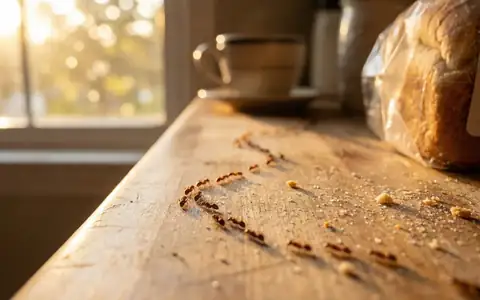
Why Ants Invade Boise Kitchens Every Spring (And How to Stop Them)
Read Article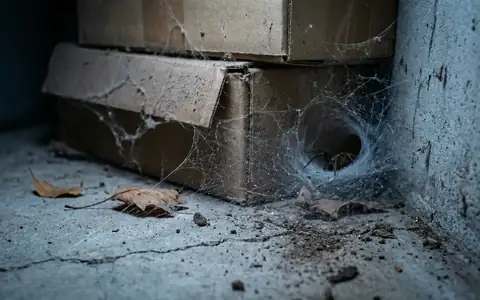 Seasonal Guide
How to Keep Spiders Out of Your Garage This Fall in Idaho
Read Article Prevention Tips
Flea Control in Boise: How to Get Rid of Fleas in Your House, Yard, and on Your Pets (2026 Idaho Guide)
Read Article
Think You Have Giant House Spider?
Call and we'll talk through your options. We usually get out within 24 to 48 hours.
Quarterly plans starting at
$119/quarter
- No-Obligation Quote
- Locally Owned
- Free Re-Service Between Visits
Our Pest Control Services
Complete pest protection. Professional solutions for every pest problem, on a quarterly plan or a one-time visit.
General Pest ControlLearn More
Year-round protection packages
Ant ControlLearn More
Carpenter & pavement ants
Spider ManagementLearn More
Black widows & hobo spiders
Rodent ControlLearn More
Mice, rats & voles
Wasp & HornetLearn More
Nest removal & prevention
Mosquito & OutdoorLearn More
Mosquitos, ticks & fleas
Eco-FriendlyLearn More
Pet & kid safe options
CommercialLearn More
Business & warehouse
Proudly Serving the Treasure Valley
Local technicians from the Treasure Valley, in Boise, Meridian, and surrounding communities.
Pest Control Resources
Expert tips & guides. Local pest knowledge from Boise's trusted exterminators