Quick answer
Preventive pest control in Boise means treating your perimeter before pests show up, not after. Idaho pest pressure shifts every 90 days (July wasps, September rodents, October spiders), so a $49 initial visit plus $119 per quarter blocks scouts at the foundation before they find your walls. That runs $406 for the first full year of coverage, about what two $200 emergency treatments cost.
Key Takeaways
- Boise sees a new pest pressure wave every 90 days, so waiting until you see bugs means you're always one season behind
- A single overwintered wasp queen you ignore in July becomes a 400 to 1,000+ worker colony by September
- Your first year of quarterly prevention ($49 initial + three quarterly visits at $119) is $406. That's about the same as two $200 emergency treatments, before the wasp spray and mouse traps
- Fall rodents start scouting garage door gaps and 1/4-inch foundation cracks in September, so a July treatment carries protection right through the migration window
- Green Guard uses organic-based, hospital-grade products with a free re-service guarantee between visits, so 'nothing to see yet' is the ideal starting point
In this article

"I Don't Have Bugs, So Why Pay?" (A Question We Hear All the Time)
Many Boise homeowners don't call until they've already seen a pest. Ants on the counter. A wasp nest under the deck rail. A mouse dropping in the pantry. By the time they pick up the phone, the colony or the population is already established, and the fix costs more than it should have.
The smart ones call before anything is visible. Same house, same yard, same $49 to start, but they get ahead of the fall migration instead of chasing it.
Here's the short answer: preventive pest control in Boise means treating your foundation and yard on a 90-day cycle so scouts get intercepted before they find their way inside. That runs a $49 initial visit plus $119 per quarter for a home up to 2,500 sq ft, which over a year costs about the same as two emergency treatments, with free re-service between visits included.
The rest of this guide is why the math works out that way. What's actually coming next in the Treasure Valley, which entry points Idaho homes miss, and when prevention is (and isn't) the right call. If you want the raw month-by-month picture first, our Idaho pest calendar lays it out visit by visit.
What Preventive Pest Control in Boise Actually Does
Preventive pest control is not fumigation. It's not spraying the inside of your house with harsh chemicals. It's a barrier treatment on the outside of your home, refreshed every 90 days, that intercepts scouts before they get inside.
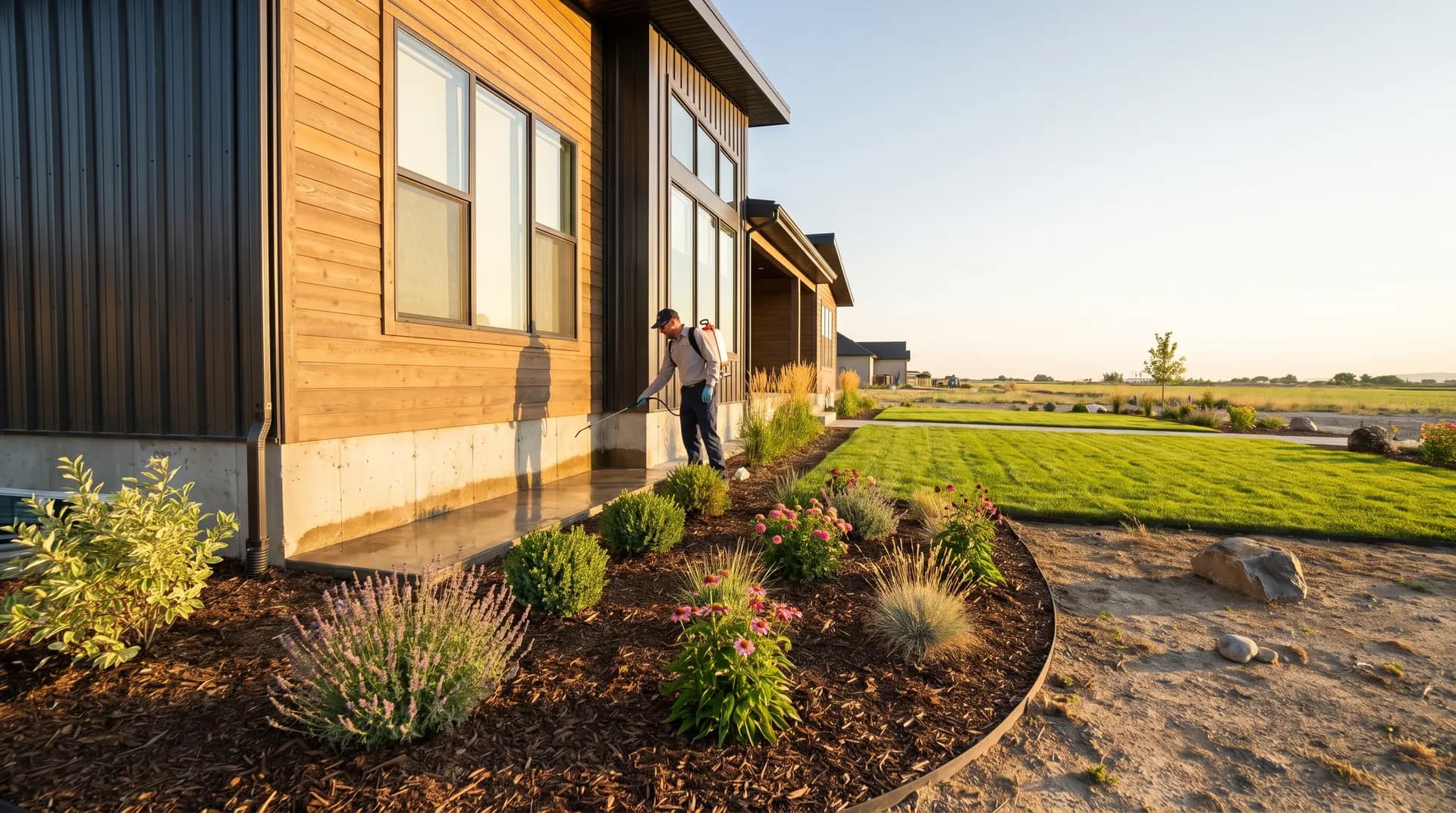
Here's what actually happens on a preventive visit. We spray an organic-based barrier product 3 feet up and 3 feet out from your foundation. We sweep spider webs off eaves, knock down starter wasp nests before they grow, and drop granular product in landscape beds where earwigs and ants harbor. Total time on site is 45 to 60 minutes on a repeat visit. You don't have to be home.
The products we use are hospital-grade (the same class used in daycares and medical facilities) and safe for kids and pets once dry, which takes 30 to 60 minutes. There are no foggers, no bug bombs, no need to move furniture or vacate the house. And if pests show up between visits, we come back free under our re-service guarantee. That's the entire model.
The reason it works is timing. A queen ant colony grows from 100 workers in April to 5,000+ by August. Treat the perimeter in June with a 90-day residual and you never let it get past 500. Wait until August, when you're seeing trails, and you're playing catch-up on a colony that's ten times larger.
The 90-Day Boise Pest Pressure Calendar (What's Actually Coming Next)
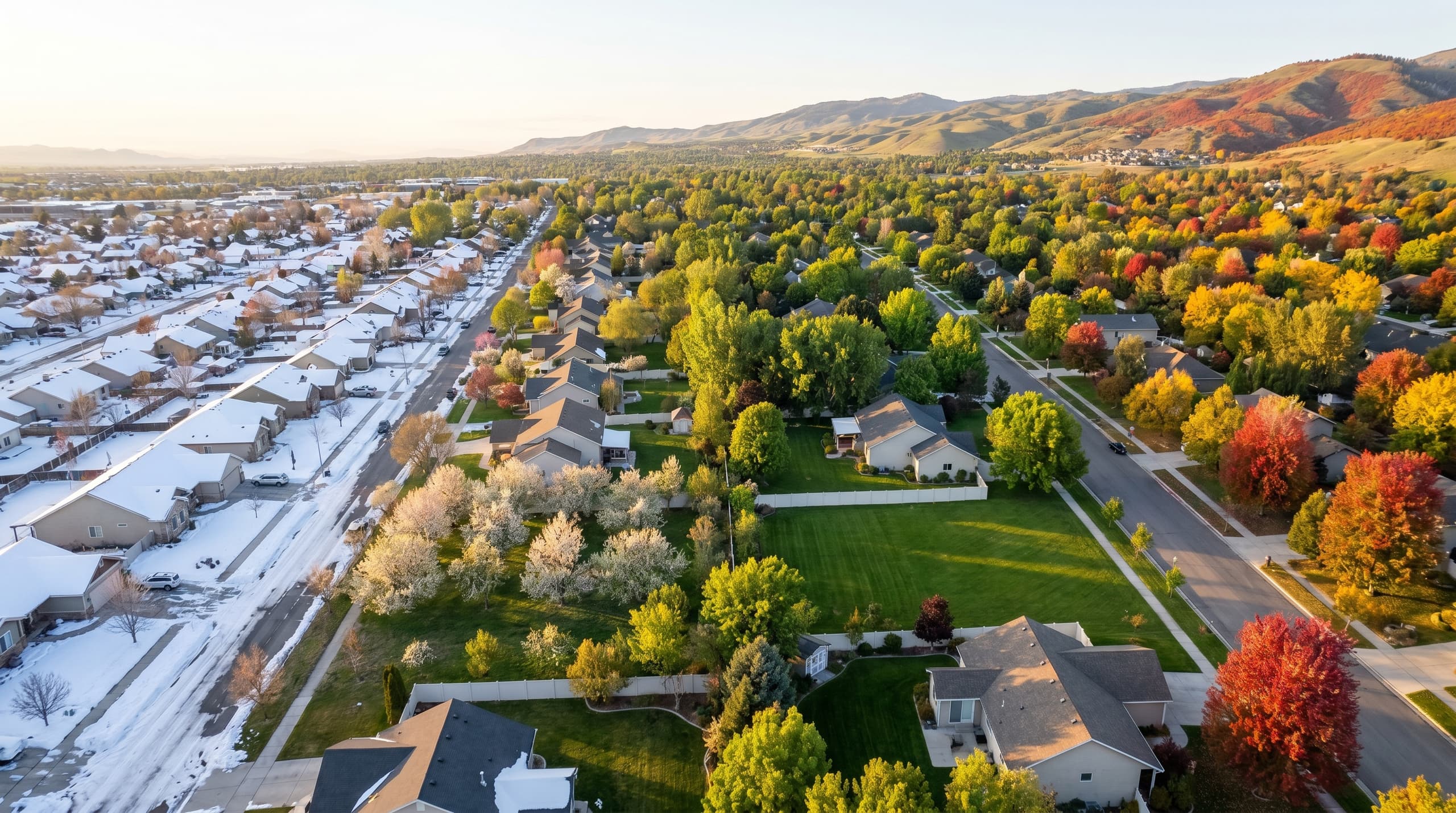
Idaho pest pressure doesn't stay constant. It rotates. A new species peaks roughly every 90 days, which is exactly why the quarterly cycle works. Here's what's actually coming at your Boise home for the rest of 2026.
- Mid-July (right now). Peak wasp aggression as colonies hit maturity, spider populations building fast, ant trails at their most established, mosquitoes hatching in every bit of standing water. This is the setup month. Treat now and the 90-day residual carries you into peak fall.
- Late August. Yellowjackets get aggressive as their sugar sources dry up (this is why they crash your Labor Day cookout). Paper wasps are still building. Black widow and hobo spider activity is climbing toward peak.
- September. Fall rodent migration begins. Deer mice and voles start scouting foundation cracks and garage door gaps for winter shelter as nighttime lows drop into the 40s. Once one mouse finds a way in, she leaves a pheromone trail for the rest.
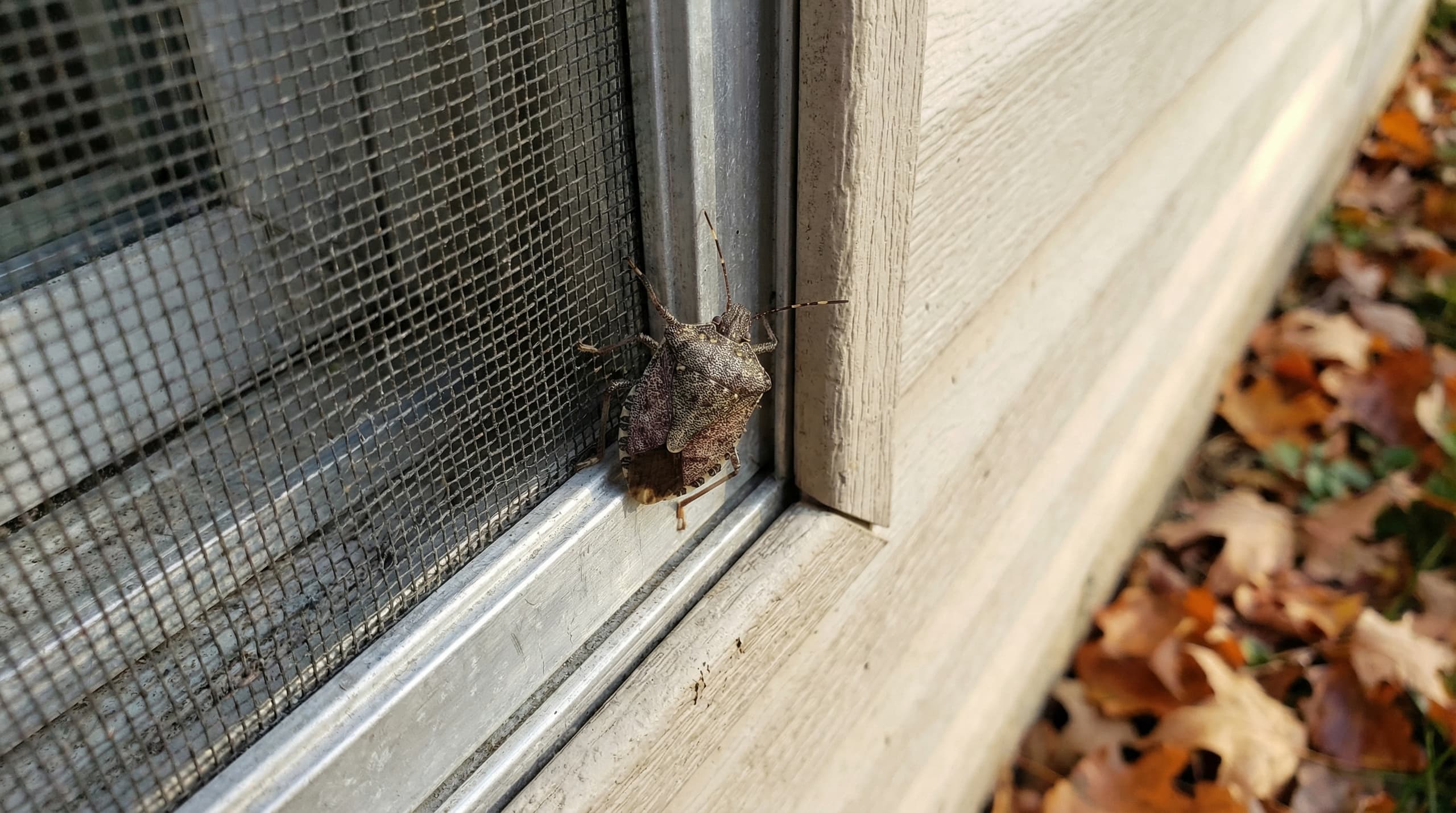
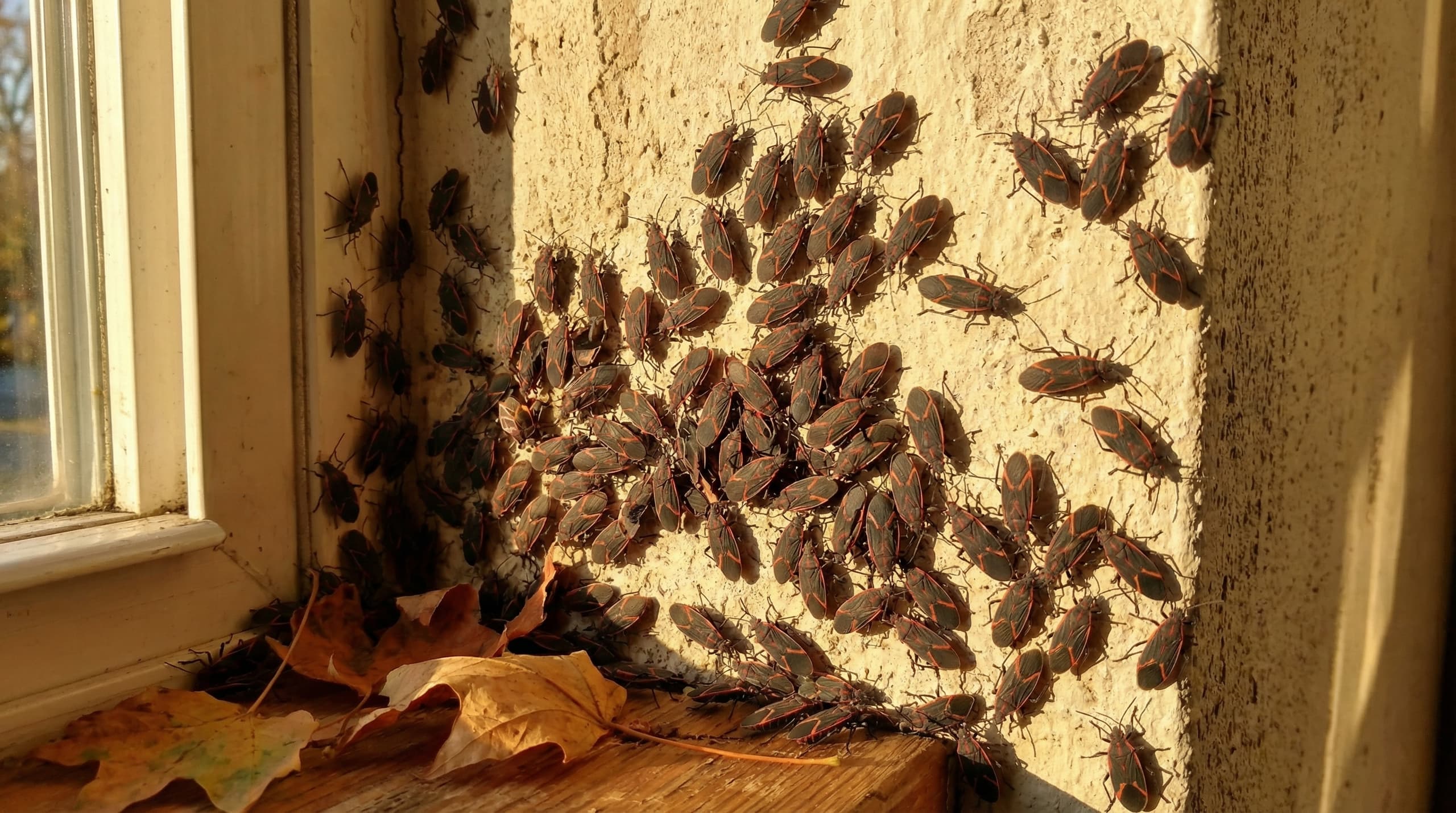
- October. Spiders migrate indoors in force. Hobos peak. Box elder bugs and stink bugs cluster on siding looking for overwintering spots. This is when garages, sheds, and utility rooms fill up if you didn't treat in July.
- November. Rodent pressure climbs hard as the Foothills' first real freeze pushes populations off the ridges and into neighborhoods. Insect activity drops but mice, voles, and box elders are still moving.
- Winter (December through February). Rodents nesting and breeding in walls, attics, and garages. Peak mouse breeding season is February. A November perimeter treatment plus winter rodent monitoring is what keeps your walls quiet through March.
The Idaho Entry Points Most Boise Homeowners Miss
Idaho homes have a couple of construction quirks that create entry points you won't find in a Southern California build. Dry-climate foundation shrinkage, big garage door gaps, weep-hole vent screens that rot out. Here's where scouts get in on Treasure Valley homes.
- Foundation hairline cracks. Boise's dry summers and freeze-thaw winters open up 1/16-inch to 1/4-inch cracks along foundations every year. A mouse fits through a 1/4-inch gap. An ant scout fits through anything you can see.
- Garage door corner gaps. The rubber weather seal on garage doors compresses and tears at the bottom corners. That's one of the most common rodent entry points in newer Treasure Valley homes. Even a well-maintained garage has a pencil-width gap at each corner.
- Weep-hole screens on brick veneer. Any brick home in Boise has weep holes at the base of the brick. They're supposed to have stainless mesh in them. On homes 10+ years old, that mesh is often gone and wasps, spiders, and mice go right in.
- Utility line penetrations. Where the AC line-set, gas line, or dryer vent enters the house, there's usually a gap the size of a dime around the pipe. Contractors foam these when the house is new. That foam is dust by year 8.
- Eave and soffit gaps. Idaho attic ventilation gaps let wasps and paper wasps build under eaves and soffits year after year. This is why every quarterly visit includes an eave sweep.
Prevention at $119 a Quarter vs. Emergency Treatment at $200+ (The Honest Math)
This is the numbers section. The math homeowners don't run until after they've already paid twice for a problem they could've prevented for less.
| Approach | What You Pay (1 year) | What You Actually Get |
|---|---|---|
| Wait, then DIY when pests show up | $50 to $200 in store products over the year | No barrier. Products break down in days. Recurring problem. |
| Wait, then call for one-time treatment | $200 to $250 per emergency visit | One treatment, 30-day warranty, no follow-through. |
| Preventive quarterly plan | $49 initial + 3 × $119 = $406 for the year | Full year of coverage, 4 visits, free re-service guarantee. |
A single emergency wasp treatment in August runs $200+. Add a follow-up visit in September because more nests keep showing up ($200 again). Add the trip to the hardware store for wasp spray, mouse traps, and ant bait ($60 to $100). That's $460 to $500 for reactive treatment through one season, and you still don't have coverage going into fall.
The quarterly plan is $406 for a full year of coverage across every pest we cover, plus the free re-service if anything shows up between visits. Cheaper up front, dramatically cheaper over 12 months. If you want the deeper breakdown, our Boise pest control pricing page walks through every home size tier and answers the common questions on quarterly plans.
Preventive Plan Prices by Home Size
| Plan | Home size | Price |
|---|---|---|
| Initial Service with a quarterly or bimonthly plan | Any home size | $49 |
| Quarterly Service | Up to 2,500 sq ft | $119 |
| 2,501 to 4,000 sq ft | $139 | |
| 4,001 to 5,500 sq ft | $159 | |
| Bimonthly Service | Up to 2,500 sq ft | $99 |
| 2,501 to 4,000 sq ft | $119 | |
| 4,001 to 5,500 sq ft | $139 | |
| One-Time Service | Up to 2,500 sq ft | $200 |
| 2,501 to 4,000 sq ft | $225 | |
| 4,001 to 5,500 sq ft | $250 |
Why Treating in July Is the Move That Sets Up Fall
Most Boise homeowners think about pest control in spring (when everything wakes up) or in August (when wasps are aggressive). July is the quieter month everyone skips, and it's the one that matters most.
Here's why. Our barrier products last approximately 90 days under Idaho summer conditions. Treat on July 15 and you're covered through mid-October, which is exactly when spider migration peaks, rodents start scouting, and box elder bugs cluster on siding. Skip July and treat in September instead, and the barrier goes down after those populations have already started pushing at your foundation.
The other reason: mid-summer is when wasp colonies are established but not yet aggressive. A paper wasp nest under your eave in July has 8 to 15 workers. The same nest in late August has 30 to 40 aggressive foragers and a stinger every couple feet. It's a much easier removal in July, at zero risk to you.
In July, the pests to watch across Boise, Meridian, and Nampa are odorous house ants (kitchen trails), paper wasps (deck rails and eaves), hobo spider adolescents (garages and window wells), and yellowjackets scouting ground nest sites. All four of them get harder to treat every week they're left alone.
What Your First Preventive Visit Actually Looks Like
The $49 initial service is a full 60 to 90 minutes of work. We've written a longer walkthrough on when to start pest control in Boise, but here's the short version of what your first visit looks like.
- Full perimeter inspection. A tech walks your entire foundation looking for entry points, active nests, and species-specific harborage. This is where we find the garage-door gap you didn't know about.
- Exterior barrier spray. Organic-based product applied 3 feet up and 3 feet out from your foundation. Hospital-grade formulation, safe once dry (30 to 60 minutes).
- Eave and soffit sweep. Accessible spider webs cleared, starter wasp nests knocked down before they mature.
- Granular treatment in landscape beds. Where earwigs, ants, and box elder bugs harbor. Especially critical in mulched flower beds against the foundation.
- Interior treatment on request. Baseboards, crack and crevice, under-sink areas. Fully optional, not pushed. Most homes don't need it on the first visit.
When Preventive Pest Control Isn't the Right Call
Real talk. Preventive pest control is the right first move for most homes, and three situations call for a different start. Here they are.
You have an active, large infestation. A prevention plan handles maintenance-level pressure. If you've got 200 ants a day on the counter, a giant yellowjacket nest inside a wall, or clear rodent activity, the first move is a targeted knock-down, then transition to quarterly. Call and we'll tell you honestly which one you need.
You need termite or bed bug work. We don't handle termites, bed bugs, wildlife (aside from rodents), attic treatments, or bug bombs. If those are the issue, we'll refer you to a specialist. Preventive pest control doesn't cover them.
You're leaving the home in under a year. Quarterly plans work on a 12-month cycle. If you're selling in three months, a one-time treatment at $200 gets the immediate job done without a long commitment. Call us and we'll set up the right thing for the situation.
For anyone else (which is most Boise, Meridian, Eagle, Nampa, and Caldwell homes), preventive quarterly is the cheapest, easiest way to stay pest-free without ever seeing a technician bring bad news.
Ready to Get Ahead of Fall Pest Season?
If your home is quiet right now, that's the best possible moment to start. A July preventive visit sets your barrier for the fall migration, which is the toughest pest wave of the year in the Treasure Valley.
Just $49 to get started. Quarterly protection at $119 for homes up to 2,500 sq ft (see our 2026 pricing page for larger homes). Free re-service between visits. Organic-based, hospital-grade products safe for kids and pets. Locally owned in Boise, 4.9 stars across 170+ Google reviews.
Call (208) 297-7947 to book. Same-day service is often available. Takes about 5 minutes on the phone. No surprise fees. No multi-year contracts, just a 1-year agreement that locks in your rate.
Frequently Asked Questions
Is preventative pest control worth it in Boise?
Quick answerYes, in almost every case where you plan to stay in the home more than a year.
Your first year of quarterly prevention runs $406 ($49 initial + three $119 visits for homes up to 2,500 sq ft). That's about the same as two emergency one-time treatments, before you add store-bought traps and sprays. Boise's 90-day pest cycles mean waiting until you see bugs puts you a full season behind.
How much is an exterminator for prevention in the Treasure Valley?
Quick answerGreen Guard's preventive plan starts with a $49 initial visit, then $119 per quarter for homes up to 2,500 sq ft.
Larger homes: $139 (2,501 to 4,000 sq ft) and $159 (4,001 to 5,500 sq ft) per quarter. Your first full year of coverage on a standard Boise home is $406, all-in, with the free re-service guarantee included.
How often should you get preventive pest control in Idaho?
Quick answerEvery 90 days.
Our barrier products last approximately 90 days under Treasure Valley conditions, and each 90-day window brings a new pest wave (July wasps, September rodents, October spiders). Quarterly is the sweet spot. Bimonthly plans exist for homes with heavier pressure (foothills-adjacent, near canals, or with mature landscaping) and start at $99 per visit.
Do I have to sign a long contract for quarterly pest control?
Quick answerQuarterly and bimonthly plans require a 1-year service agreement to lock in the $49 initial and per-visit pricing.
There are no hidden fees and no renewal requirement. If you cancel in the first year, the cancellation fee is the $150 discount from your first visit (the $49 first service is normally $199). After the first year, service continues quarter by quarter and you can cancel without penalty. If you need something shorter, we also offer one-time service starting at $200 with a 30-day warranty.
What's the hardest infestation to get rid of once it's established?
Quick answerIn the Treasure Valley, it's a tie between mature carpenter ant colonies inside wall voids and heavy hobo spider populations in older Boise garages.
Both take multiple visits and months to fully knock down. Both are almost trivially preventable with quarterly perimeter treatment before they establish. That's the whole point of prevention: intercepting scouts before you ever have to deal with the hard versions.