
Occasional Invaders
Brown Marmorated Stink Bug
Halyomorpha halys
IdentificationHow to Identify Brown Marmorated Stink Bug
Quick Answer
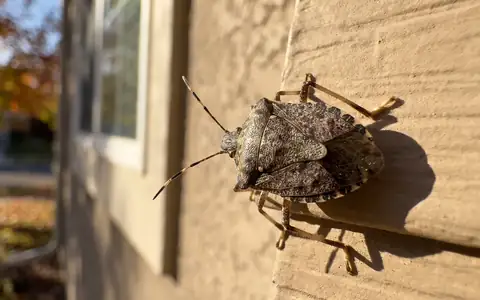
Brown marmorated stink bugs are shield-shaped insects, 14-17mm long, with mottled brown coloring. Key identifiers include alternating light and dark bands on the antennae and along the abdomen edges.
Full identification notes
They release a pungent odor when disturbed or crushed. The smell is often described as cilantro-like.
Free
Re-Service Between Visits
4.9/5
Google Rating
9 to 5
Office Hours, Mon to Fri
Brown Marmorated Stink Bug Behavior & Habits
Understanding how brown marmorated stink bug behave helps prevent infestations
Stink bugs are agricultural pests that feed on fruits and vegetables.
More about their habits
In fall, they seek shelter in buildings for overwintering, congregating on warm, south-facing walls before entering through gaps. They're dormant inside through winter and become active on warm days, often appearing indoors in late winter/early spring as they seek to exit.
Brown Marmorated Stink Bug Risks & Dangers
What brown marmorated stink bug can do to your health and property
Health Risks
Stink bugs aren't harmful to humans.
Property Damage
No structural damage.
Full health and property details
Health Risks
They don't bite, sting, or transmit disease, and their odor is unpleasant but not dangerous.
Property Damage
Their primary impact is nuisance, especially when large numbers congregate inside or their odor permeates living spaces.
Signs of Brown Marmorated Stink Bug Infestation
Look for these indicators in your home
Signs You Have Brown Marmorated Stink Bug
What homeowners spot first
- Shield-shaped brown bugs congregating on sunny exterior walls
- Bugs appearing inside on warm winter days
- Unpleasant odor when bugs are disturbed
More signs to look for
- Bugs clustering around windows and doors
- Dead bugs in light fixtures and windowsills
Brown Marmorated Stink Bug in Boise & the Treasure Valley
Brown marmorated stink bugs showed up in Idaho around 2015 and are now firmly established across the Treasure Valley.
More on what we see locally
Our heaviest call volume runs September through October, when bugs cluster on south- and west-facing walls of homes in Caldwell, Nampa, and the orchard-adjacent neighborhoods around Eagle and Star. The other spike is February and early March, when warm afternoons wake overwintering bugs inside attics and wall voids in older Boise and Meridian homes, and they start showing up at upstairs windows.
How We Handle Brown Marmorated Stink Bug
What our approach looks like
Stink bug control is most effective as preventive fall treatment before bugs enter.
Our full approach
We treat exterior surfaces, window frames, and entry points. For existing infestations, interior treatment and vacuuming removes active bugs, and sealing gaps around windows, vents, and siding on your end helps keep the next wave out.
How to Prevent Brown Marmorated Stink Bug
Steps you can take to reduce the risk of infestation
- Seal cracks and gaps before fall
- Install door sweeps and repair screens
- Caulk around windows and utility penetrations
More prevention steps
- Vacuum bugs inside instead of crushing
- Schedule preventive exterior treatment in early fall
Brown Marmorated Stink Bug Questions Answered
Common questions about identification, prevention, and treatment
Call (208) 297-7947Why do stink bugs smell so bad?
Quick answerStink bugs release defensive chemicals from glands on their thorax when threatened.
The smell deters predators and lingers on hands and surfaces. Vacuuming them up (rather than crushing) is the easiest way to avoid releasing the odor indoors.
When do stink bugs invade Treasure Valley homes?
Quick answerFall is the main event.
Most of our stink bug calls come in September and October, when bugs leave fields and orchards and cluster on warm, south-facing walls before slipping inside through gaps, vents, and torn screens. A second smaller wave happens on warm February and March afternoons, when overwintering bugs wake up indoors and head for windows.
Should I vacuum or crush stink bugs in my house?
Quick answerVacuum, every time.
Crushing releases the cilantro-like defensive odor and can stain walls and fabric. Use a shop vac or a vacuum with a disposable bag, empty it outside right after, and seal the bag in a trash can away from the house.
Why am I seeing stink bugs inside in February when it is freezing out?
Quick answerThose bugs have been overwintering in your attic, soffits, or wall voids since fall.
A warm sunny day raises temperatures in those spaces enough to wake them up, and they move toward light at upstairs windows and ceiling fixtures. The fix is sealing gaps around your home in late summer plus a preventive exterior treatment in early fall before next year's wave arrives.
Similar Pests
Learn about other pests in this category
Related Guides
Expert articles related to brown marmorated stink bug in Idaho
 Seasonal Guide
Stink Bugs in Idaho: Why the Fall Invasion Is Worse Than You Think and How to Stop Them Before They Get Inside (2026 August Update)
Read Article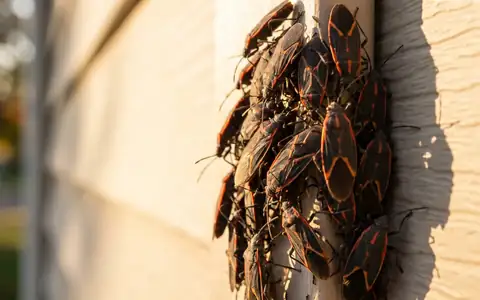 Pest Identification
Box Elder Bugs in Boise: How to Stop the Fall Swarm Before They Move Into Your Home (2026 Update)
Read Article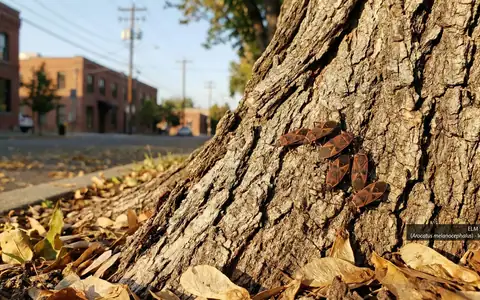 Pest Identification
Elm Seed Bugs in Idaho (June 2026 Update): Why Boise Homes Are Covered Right Now and How to Stop the Invasion
Read Article
Think You Have Brown Marmorated Stink Bug?
Call and we'll talk through your options. We usually get out within 24 to 48 hours.
Quarterly plans starting at
$119/quarter
- No-Obligation Quote
- Locally Owned
- Free Re-Service Between Visits
Our Pest Control Services
Complete pest protection. Professional solutions for every pest problem, on a quarterly plan or a one-time visit.
General Pest ControlLearn More
Year-round protection packages
Ant ControlLearn More
Carpenter & pavement ants
Spider ManagementLearn More
Black widows & hobo spiders
Rodent ControlLearn More
Mice, rats & voles
Wasp & HornetLearn More
Nest removal & prevention
Mosquito & OutdoorLearn More
Mosquitos, ticks & fleas
Eco-FriendlyLearn More
Pet & kid safe options
CommercialLearn More
Business & warehouse
Proudly Serving the Treasure Valley
Local technicians from the Treasure Valley, in Boise, Meridian, and surrounding communities.
Pest Control Resources
Expert tips & guides. Local pest knowledge from Boise's trusted exterminators