
Insects
Biting Midges (No-See-Ums)
Culicoides spp.
IdentificationHow to Identify Biting Midges (No-See-Ums)
Quick Answer
Biting midges, commonly called no-see-ums, are tiny flying insects barely visible to the naked eye. They look like miniature mosquitoes with grayish bodies and patterned wings.
Full identification notes
Their small size allows them to pass through standard window screens.
Free
Re-Service Between Visits
4.9/5
Google Rating
9 to 5
Office Hours, Mon to Fri
Biting Midges (No-See-Ums) Behavior & Habits
Understanding how biting midges (no-see-ums) behave helps prevent infestations
Female biting midges need blood meals to reproduce.
More about their habits
They're most active at dawn and dusk, especially in calm conditions. They breed in moist areas including stream edges, muddy soil, and even over-watered lawns. Unlike mosquitoes, they tend to bite in swarms.
Biting Midges (No-See-Ums) Risks & Dangers
What biting midges (no-see-ums) can do to your health and property
Health Risks
Biting midge bites cause intense itching, red welts, and sometimes allergic reactions.
Property Damage
No property damage.
Full health and property details
Health Risks
Multiple bites can cause significant discomfort. In some regions they can transmit diseases, though this is rare in Idaho.
Property Damage
They're purely a nuisance pest that makes outdoor activities unpleasant.
Signs of Biting Midges (No-See-Ums) Infestation
Look for these indicators in your home
Signs You Have Biting Midges (No-See-Ums)
What homeowners spot first
- Intensely itchy bites appearing in clusters
- Tiny insects barely visible at dusk
- Bites occurring despite no visible insects
More signs to look for
- Problems concentrated near water or wet areas
- Welts on ankles, wrists, or neckline after evenings outside
Biting Midges (No-See-Ums) in Boise & the Treasure Valley
Biting midges are worst for homes along the Boise River Greenbelt, the Garden City stretch, and parts of Eagle and Star backing up to the river.
More on what we see locally
Properties near Lucky Peak and heavily irrigated yards in Caldwell, Nampa, and Middleton see the worst of it. Activity climbs in late May, peaks in July and August, and tapers in September, with bites concentrated at dawn and dusk.
How We Handle Biting Midges (No-See-Ums)
What our approach looks like
Our Lawn & Mosquito Program covers mosquitoes, fleas, and ticks.
Our full approach
It doesn't cover biting midges. Habitat changes make the biggest difference: cut back irrigation overspray, clear standing water and muddy spots, run a fan on the patio (midges can't fly in wind), and use fine-mesh screens on doors and windows. If mosquitoes, fleas, or ticks are part of the problem too, call (208) 297-7947 and ask about the Lawn & Mosquito Program.
How to Prevent Biting Midges (No-See-Ums)
Steps you can take to reduce the risk of infestation
- Use fine-mesh screens (smaller than standard)
- Reduce standing water and wet areas
- Avoid outdoor activities at dawn/dusk when midges are active
More prevention steps
- Use fans (they can't fly in wind)
- Apply DEET-based repellents
Biting Midges (No-See-Ums) Questions Answered
Common questions about identification, prevention, and treatment
Call (208) 297-7947Why can't I see what's biting me?
Quick answerBiting midges (no-see-ums) are only 1-3mm long.
That's smaller than the head of a pin. They're nearly invisible, especially in low light when they're most active, and their small size lets them pass right through standard window screens.
How do I know if it's no-see-um bites vs mosquito bites?
Quick answerNo-see-um bites tend to be smaller, appear in clusters, and often itch more intensely than mosquito bites.
You typically won't see the insect biting you, and bites may take longer to appear than mosquito bites.
Why are they worse near water?
Quick answerBiting midges breed in moist soil, mud, and vegetated water edges.
They don't fly far from breeding sites, so populations are concentrated near water sources, wetlands, and over-irrigated areas.
Similar Pests
Learn about other pests in this category
Related Guides
Expert articles related to biting midges (no-see-ums) in Idaho
 Pest Identification
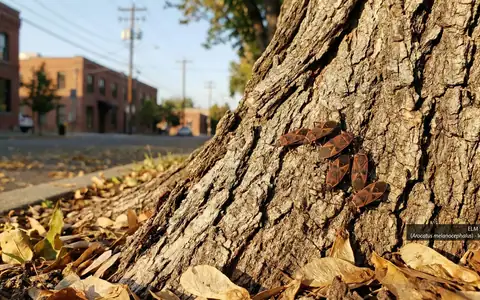
Elm Seed Bugs in Idaho (June 2026 Update): Why Boise Homes Are Covered Right Now and How to Stop the Invasion
Read Article Safety
Wasp and Hornet Sting First Aid: What to Do, When to See a Doctor, and How to Prevent the Next Sting (Idaho 2026)
Read Article Prevention Tips
Preventive Pest Control in Boise: Why You Should Treat Before You See a Single Bug (2026)
Read Article
Think You Have Biting Midges (No-See-Ums)?
Call and we'll talk through your options. We usually get out within 24 to 48 hours.
Quarterly plans starting at
$119/quarter
- No-Obligation Quote
- Locally Owned
- Free Re-Service Between Visits
Our Pest Control Services
Complete pest protection. Professional solutions for every pest problem, on a quarterly plan or a one-time visit.
General Pest ControlLearn More
Year-round protection packages
Ant ControlLearn More
Carpenter & pavement ants
Spider ManagementLearn More
Black widows & hobo spiders
Rodent ControlLearn More
Mice, rats & voles
Wasp & HornetLearn More
Nest removal & prevention
Mosquito & OutdoorLearn More
Mosquitos, ticks & fleas
Eco-FriendlyLearn More
Pet & kid safe options
CommercialLearn More
Business & warehouse
Proudly Serving the Treasure Valley
Local technicians from the Treasure Valley, in Boise, Meridian, and surrounding communities.
Pest Control Resources
Expert tips & guides. Local pest knowledge from Boise's trusted exterminators