Quick answer
Carpenter ants excavate wood for nesting (they don't eat it like termites), creating smooth galleries that weaken structures over time. Key signs: large black ants (1/4-1/2 inch), sawdust-like frass near wood, rustling sounds in walls, winged ants indoors in spring. Damage can cost $3,000-$10,000+ if left untreated. Early professional treatment is far cheaper than repairs.
Key Takeaways
- Carpenter ants are large (1/4 to 1/2 inch), usually black, and Idaho's most destructive ant
- They excavate wood for nesting but don't eat it. Look for sawdust-like frass
- Moisture-damaged wood is targeted first, so fix leaks to prevent infestations
- Winged ants indoors in spring indicate an established colony in your structure
- Early treatment is critical: repair costs can reach $10,000+ for advanced damage
In this article
The Silent Destroyers in Idaho Homes
Carpenter ant damage in Idaho homes shows up as smooth galleries hollowed out of wood, sawdust-like frass piles near baseboards, rustling sounds in walls at night, and large black ants indoors. Left alone, an established colony can quietly cost you $3,000 to $10,000 (or more) in framing repairs.
Termites get all the headlines, but in the Treasure Valley carpenter ants are by far the bigger threat. They don't eat wood the way termites do. They excavate it for nesting, and the result is the same: weakened framing that gets expensive to fix.
Across Boise, Meridian, Eagle, and Nampa, carpenter ant activity climbs every spring as queens fly and look for soft, damp wood to start a new colony. As of May 2026 we're squarely in that window, which is why this guide walks you through the warning signs, the real repair-cost ranges, and when it's time to stop spraying and call a pro.
Identifying Carpenter Ants
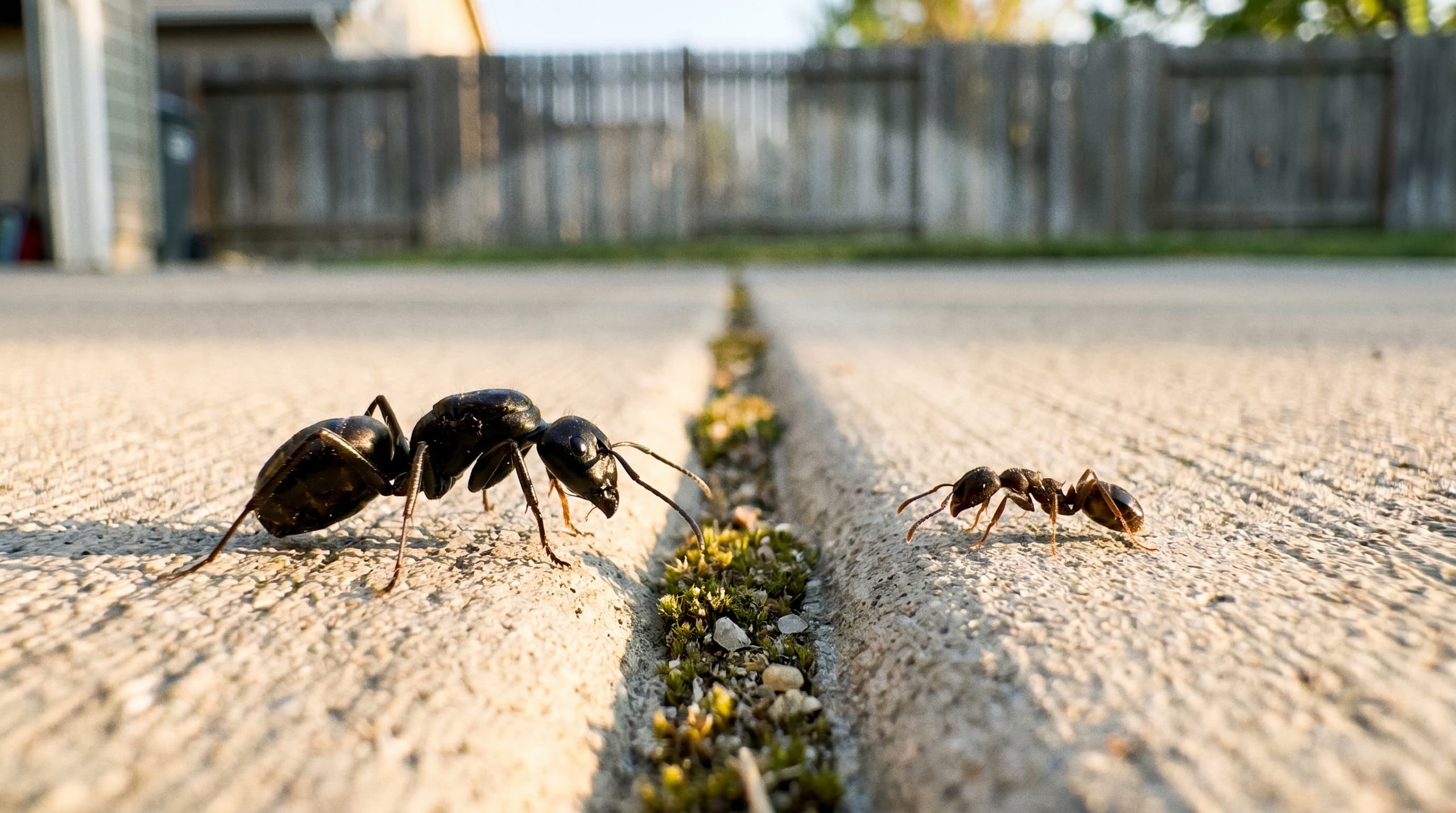
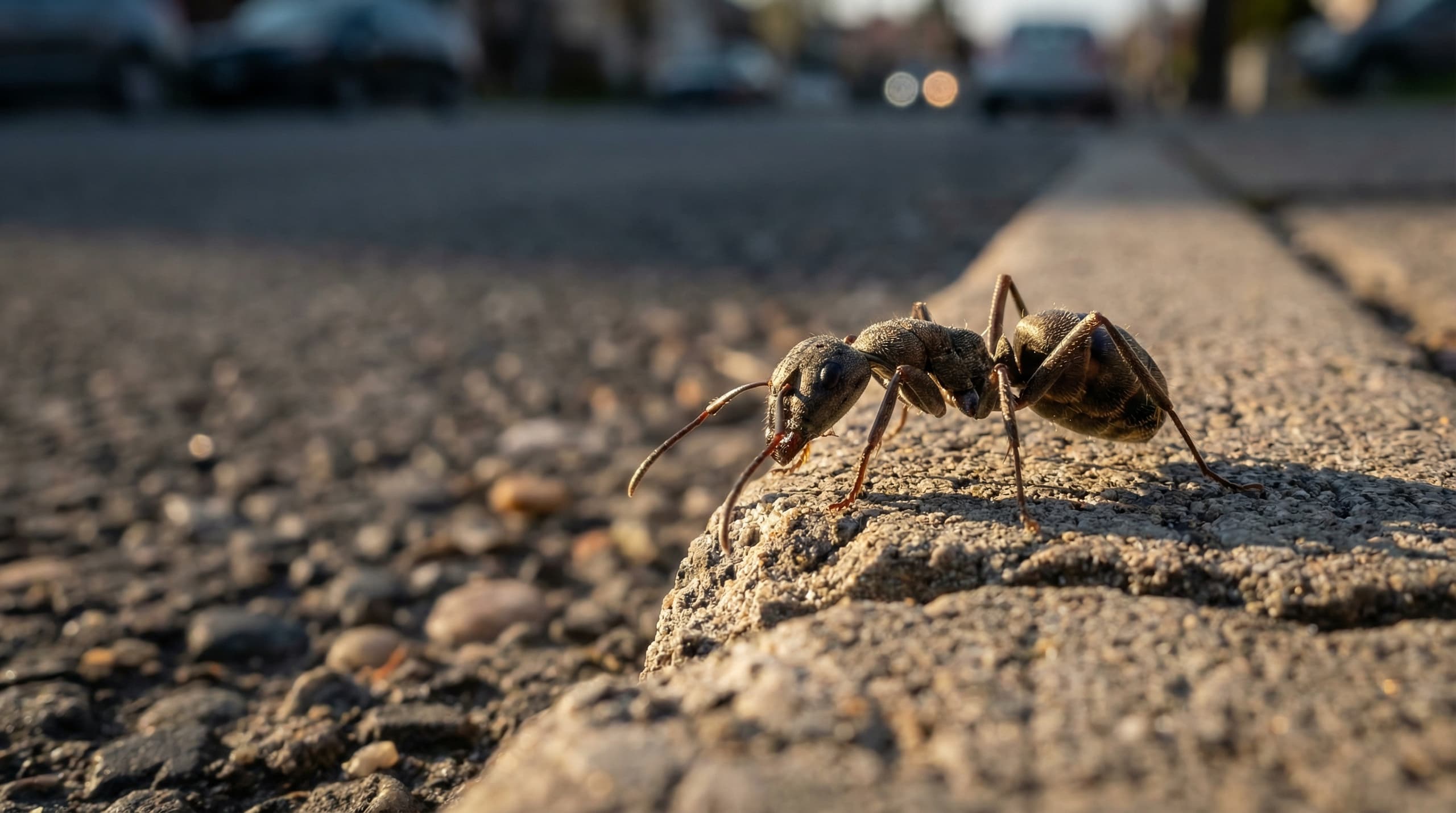
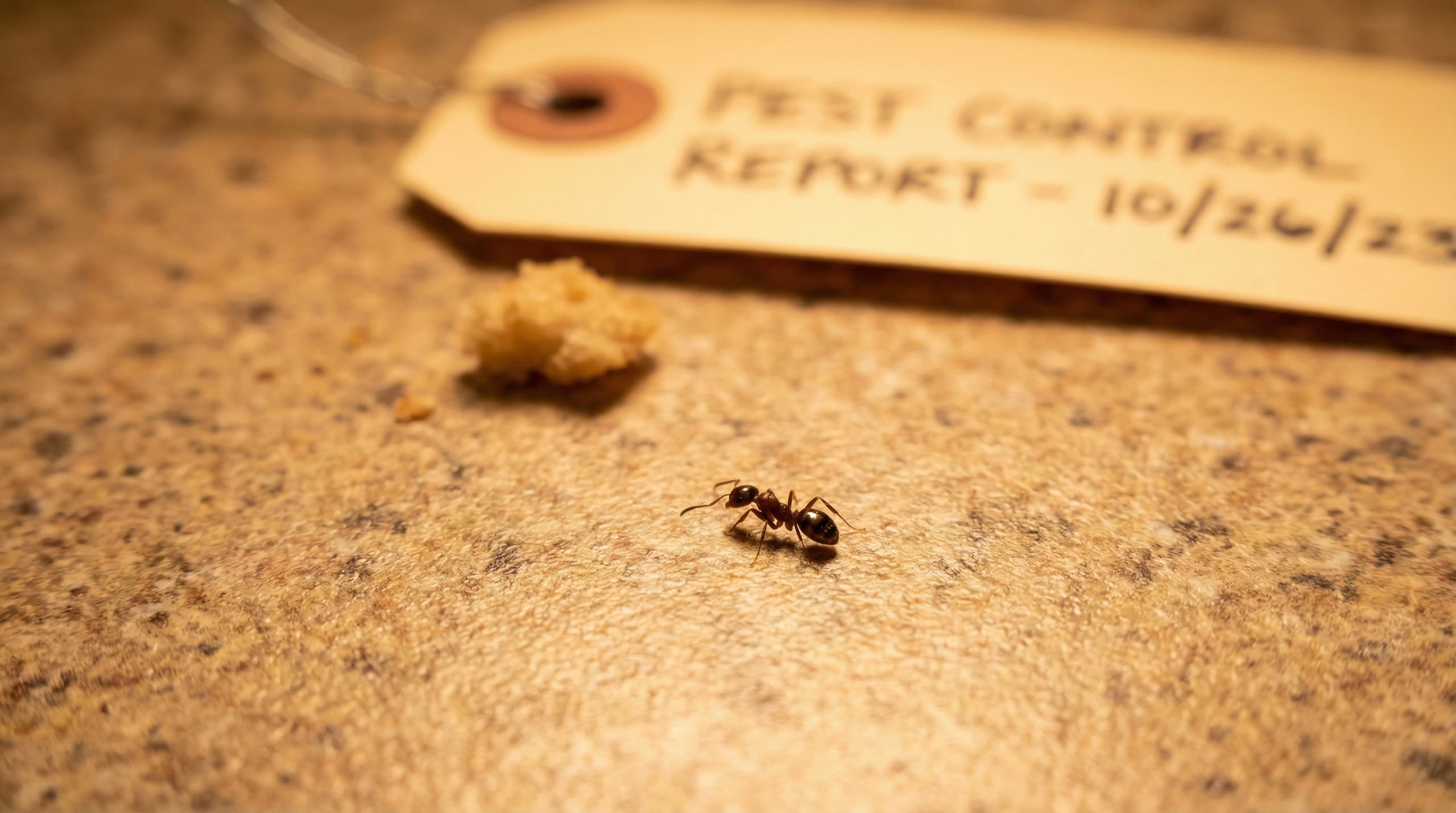
Carpenter ants are distinctive and easy to spot once you know what to look for. The species most often mistaken for them is the much smaller pavement ant. If you're not sure which one you're looking at, our side-by-side carpenter ant vs pavement ant guide sorts it in 30 seconds.
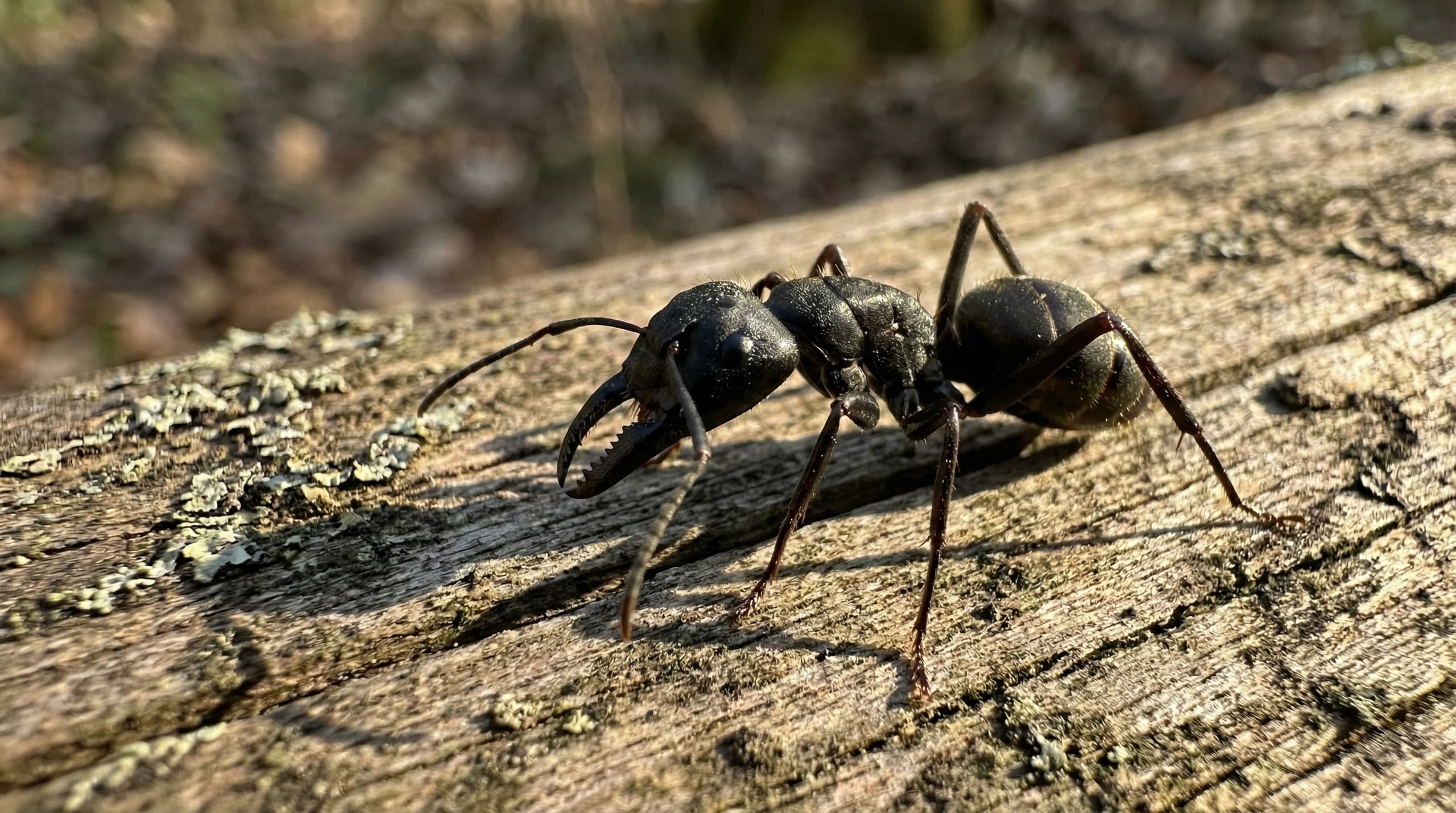
- Size: Large, 1/4 to 1/2 inch, among the largest ants in Idaho
- Color: Usually black, some species are dark brown or bicolored (red and black)
- Body shape: Single node between thorax and abdomen
- Thorax profile: Smoothly rounded when viewed from the side (key identifier)
- Mandibles: Large and powerful for excavating wood
- Winged reproductives: Large flying ants with dark bodies, appear in spring
Signs of Carpenter Ant Damage
Carpenter ants leave specific evidence of their activity:
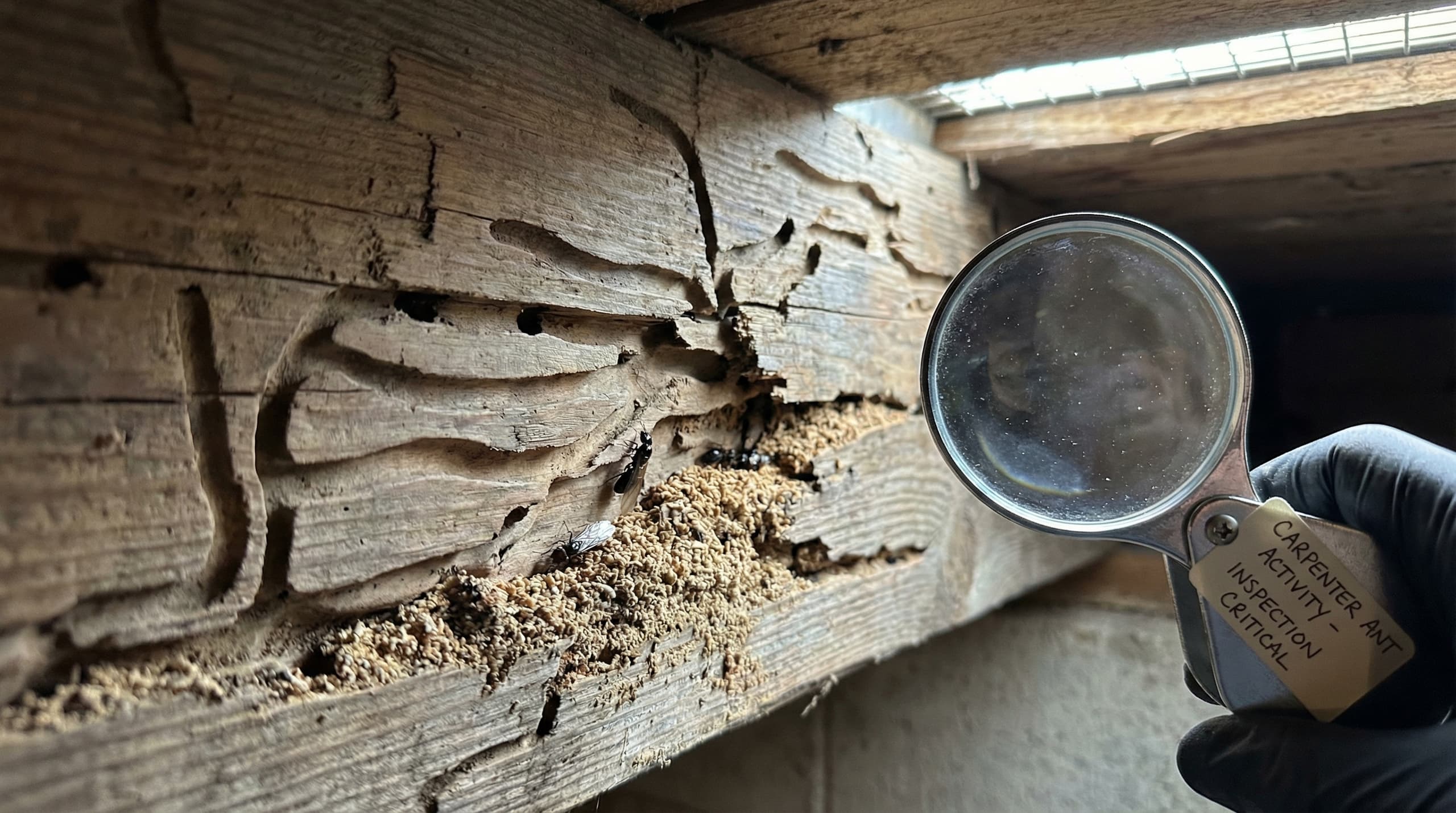
- Frass piles: Sawdust-like material expelled from galleries, often containing insect parts
- "Kick-out" holes: Small round holes in wood where frass is expelled
- Rustling sounds: Audible movement in walls, especially at night
- Smooth galleries: Excavated areas with smooth, clean walls (termite galleries are rough)
- Winged ants indoors: Swarmers inside indicate a colony within your structure
- Large worker ants: Regular sightings of large black ants, especially at night
How Carpenter Ant Damage Develops
Understanding the process helps explain why early treatment is critical:
- Initial colonization: Queen finds moisture-damaged or soft wood to start nest
- Gallery excavation: Workers hollow out wood creating smooth tunnels
- Colony growth: Population expands, requiring more gallery space
- Parent colony matures: After 2-6 years, colony produces winged reproductives
- Satellite colonies: Workers establish additional nests nearby
- Structural compromise: Years of excavation weakens load-bearing members
Carpenter Ant Damage Timeline
How quickly damage progresses depends on colony size and conditions:
- Year 1-2: Minor damage, often undetectable, colony establishing
- Year 3-4: Noticeable frass production, audible sounds possible
- Year 5+: Significant structural damage, swarmer production begins
- Left untreated: Can compromise floor joists, wall studs, roof rafters
How Much Does Carpenter Ant Repair Cost?
Repair costs typically run $500 to $10,000+, depending on how long the colony has been working. Cosmetic fixes are at the low end. Replacing chewed-out floor joists or wall studs is at the high end. Catastrophic cases involving major reconstruction can push past $50,000. Here's how that breaks down:
- Minor damage (cosmetic, non-structural): $500 to $1,500
- Moderate damage (some structural repair): $1,500 to $5,000
- Severe damage (major structural repair): $5,000 to $10,000+
- Catastrophic damage (extensive reconstruction): $15,000 to $50,000+
- Treatment cost (professional elimination): A fraction of potential repair costs
The Moisture Connection
Carpenter ants are strongly attracted to moisture-damaged wood. Understanding this helps with prevention:
- Leaky pipes under sinks and in walls create ideal conditions
- Roof leaks lead to soffit and rafter damage
- Improper grading causes foundation wood to stay wet
- Splash-back from gutters keeps siding damp
- Deck attachment points often trap moisture against house
- AC drip lines can saturate nearby wood
Preventing Carpenter Ant Damage
Prevention focuses on eliminating conditions that attract carpenter ants:
- Fix all moisture issues immediately: leaks, condensation, poor drainage
- Replace water-damaged wood: Don't just dry it, remove it
- Maintain proper drainage: Grade soil away from foundation
- Keep firewood away: Store at least 20 feet from home, elevated
- Remove dead trees/stumps: Natural colony sites near your home
- Trim tree branches: Maintain 3+ feet clearance from roof
- Quarterly pest control: Professional barrier prevents establishment
Eliminating Outdoor Nesting Sites
Parent colonies almost always establish outdoors before satellite colonies show up inside your home. Walking your property to find and remove potential nesting sites is one of the most effective things you can do. Note: dead wood also attracts solitary wood-nesting insects like carpenter bees, which cause less structural damage but still warrant attention.
- Remove dead trees and stumps. These are primary nesting sites for parent colonies, and a single stump can harbor thousands of ants within a few years
- Replace old landscape timbers. Rotting timbers are carpenter ant magnets. Consider concrete, stone, or steel edging instead
- Don't bury wood debris. Wood buried during construction or landscaping projects attracts colonies underground where you can't see them
- Address tree damage. Dead branches, cavities, and damaged bark on trees near your home can house established colonies
- Clear fallen branches and lumber. Any rotting wood on your property is a potential colony site
When to Call a Professional
Call a pro the first time you see consistent indoor activity. Carpenter ant damage is one of those problems where waiting almost always costs more. If you're seeing large black ants indoors regularly, finding sawdust-like frass near baseboards, or hearing rustling sounds in your walls at night, a colony is already established and actively excavating your wood framing. Winged carpenter ants appearing inside the house are an especially urgent sign. That means the colony has been in your structure for three to five years or more.
Professional treatment is necessary because colonies nest deep in wall voids and often have both a parent nest and satellite nests. Over-the-counter sprays may kill the ants you see, but they don't reach the colony, and the damage keeps spreading behind your walls.
Green Guard's carpenter ant service starts with a $49 initial treatment, and quarterly protection is $119 for homes up to 2,500 sq ft. Most treatments knock out visible activity within 24 to 48 hours, and our free re-service guarantee means if the ants come back between visits, we come back free. Call (208) 297-7947 if you're seeing the warning signs, or check our ant prevention tips for Boise homes to stop them before they start.
Frequently Asked Questions
Do carpenter ants eat wood like termites?
Quick answerNo.
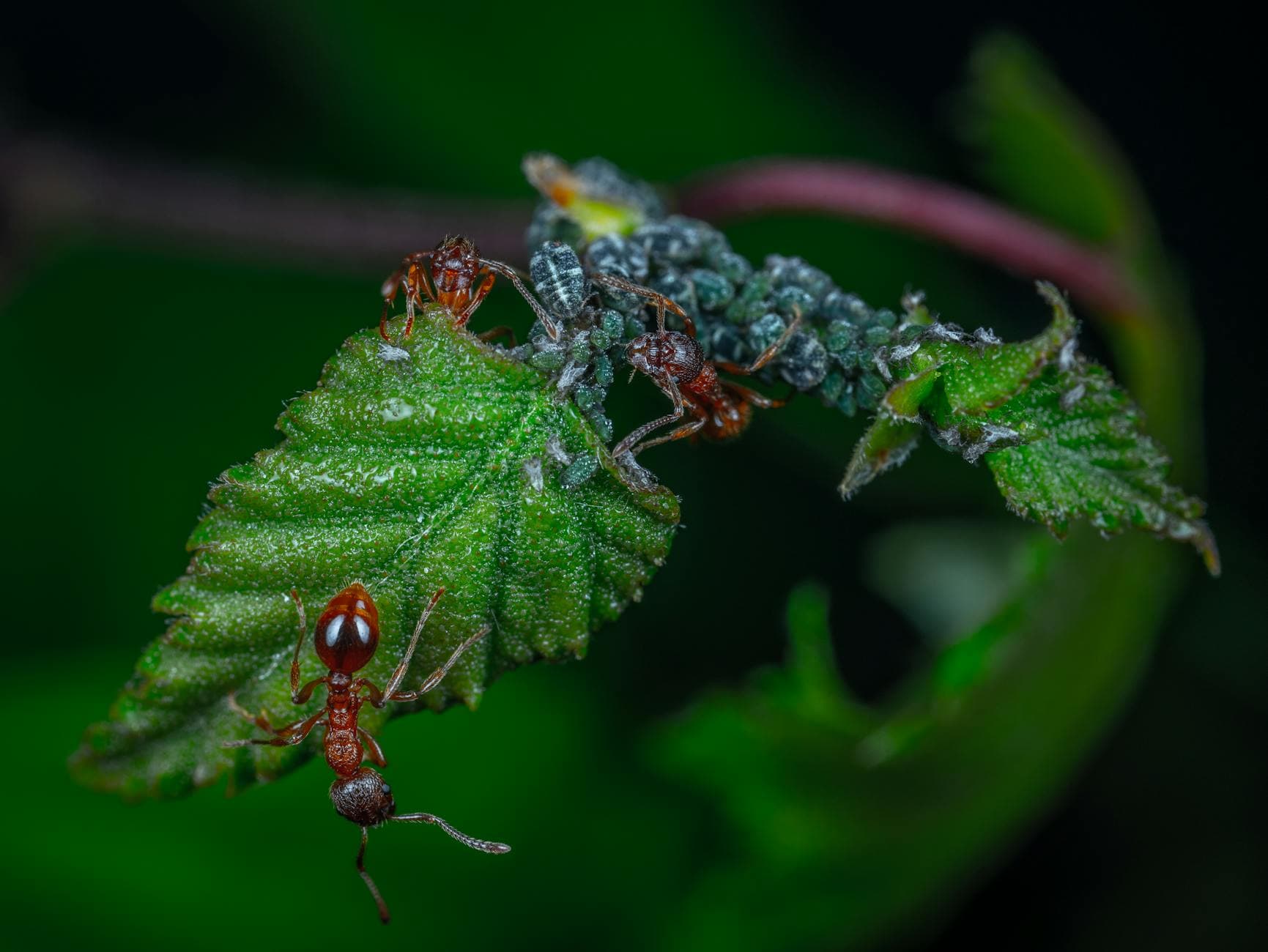
Carpenter ants excavate wood for nesting but don't eat it. They actually feed on protein and sugars, including other insects, honeydew from aphids, and human food. The wood shavings (frass) they expel are a key identifier of their activity.
How do I tell carpenter ants from termites?
Quick answerCarpenter ants have elbowed antennae, a defined waist, and dark bodies.
Termites have straight antennae, thick waists, and pale bodies. Carpenter ant galleries are smooth and clean; termite galleries are rough and contain mud. Carpenter ants are more common in Idaho than termites.
Can I treat carpenter ants myself?
Quick answerDIY treatment usually fails because carpenter ants often nest in wall voids, and the colony has both a parent nest and satellite nests.
Over-the-counter sprays may kill visible ants but don't eliminate the colony. Professional treatment locates all nests and uses targeted products.
How quickly do carpenter ants damage a home?
Quick answerSignificant structural damage typically takes 3-5+ years to develop.
However, this varies based on colony size, moisture conditions, and wood type. Early detection and treatment prevents damage from progressing to expensive repair levels.
How much does carpenter ant treatment cost?
Quick answerProfessional carpenter ant treatment from Green Guard starts with a $49 first service.
The specific cost depends on infestation size and required treatment methods. Quarterly service at $119 provides ongoing protection and monitoring. This is far less than the thousands in repair costs from untreated damage.
Are carpenter ants or termites more common in Idaho?
Quick answerCarpenter ants are significantly more common in the Treasure Valley.
While termites exist in parts of Idaho, carpenter ants are the primary wood-destroying insect in Boise-area homes. The good news is that carpenter ant damage progresses more slowly than termite damage, giving you time to catch it if you know the warning signs.