Quick answer
Fall spiders in Boise homes aren't fleeing the cold. They're roaming for mates. Male hobo spiders and giant house spiders leave their webs from late August through September to find females, and your home is directly in the path. Cellar spiders and black widows follow the same window. The fix is exterior prevention in late July or early August, before the migration starts.
Key Takeaways
- The fall spider wave in Boise runs late August through mid-October, peaking around Labor Day
- It's mating season, not weather, that drives males indoors. Cold-air theory is mostly a myth
- Hobo spiders, giant house spiders, cellar spiders, and (in garages) black widows are the fall four in Idaho
- The prevention window is late July through early August, before the September peak
- Exterior barrier treatments knock down the food supply that spiders follow inside
In this article

Why Are There Suddenly So Many Spiders in My House in Fall?
You're seeing more fall spiders in Boise because it's mating season for male hobo spiders and giant house spiders. From late August through September, males leave the webs they've hidden in all summer and roam looking for females. Your home sits directly in their travel path.
This isn't a Boise myth. It's biology. The spiders you spot walking across the hallway floor at 10 p.m. are almost always males. They're not lost. They're hunting for a mate.
The other piece: cooling overnight lows in the Treasure Valley push insects toward warm foundations and lit windows. Where the food goes, the spiders follow. But the mating drive is what pulls spiders INSIDE. The insect food supply is what keeps them there once they arrive.
Our call and web request log shows the wave arriving in late summer: we logged 28 calls and online requests where the pest was recorded as spiders in August 2026, up from 19 in July 2026. The timing follows the weather. Once daytime highs drop out of the 90s, spiders start moving indoors.
The Real Reason: Mating Season, Not Cold Weather
Ask ten homeowners why spiders come inside in the fall, and nine will say "they're trying to get warm." It's the most common explanation. It's also mostly wrong.
Here's what actually happens. Hobo spiders (Eratigena agrestis) and giant house spiders (Eratigena atrica) live outside all summer. They tuck into wood piles, rock walls, window well corners, and shed foundations. Females stay put. Males wander.
Mating peaks late August through September in Idaho. Males abandon their retreats and start walking. They cover a lot of ground. A single male hobo can travel dozens of yards in one night. Some of those nights, the closest sheltered space he finds is your basement, your garage, or the space behind your baseboard.
The cold-shelter theory falls apart when you look at the timing. Boise nights in mid-August still hit 60°F. Spiders aren't shivering. But their hormones are firing. Weather is the setting. Mating is the trigger.
The Fall Spider Timeline in the Treasure Valley
Fall spider activity in Boise follows a predictable curve. If you know the timeline, you know when to act.
- Late July to early August: The prevention window. Populations are still outside. Exterior treatments knock down the food supply before the migration.
- Mid-August: First wave. Overnight lows dip into the 50s. You start spotting a male here and there. Web activity in eaves and window wells picks up.
- Late August through mid-September: Peak. The big one. Hobo and giant house spider males are on the move constantly. Sightings inside homes jump 3 to 4 times.
- Late September: Slowdown starts. Mating cycles wrap. Females settle into egg sacs. Male movement drops.
- Mid-October to November: Tapers off. Cellar spiders and any surviving hobos hunker down in basements and crawlspaces for the winter.
Which Fall Spiders Show Up in Boise Homes?
Four species do most of the damage on the fall spider call list. Here's what shows up and where you'll find each one.
Hobo Spider
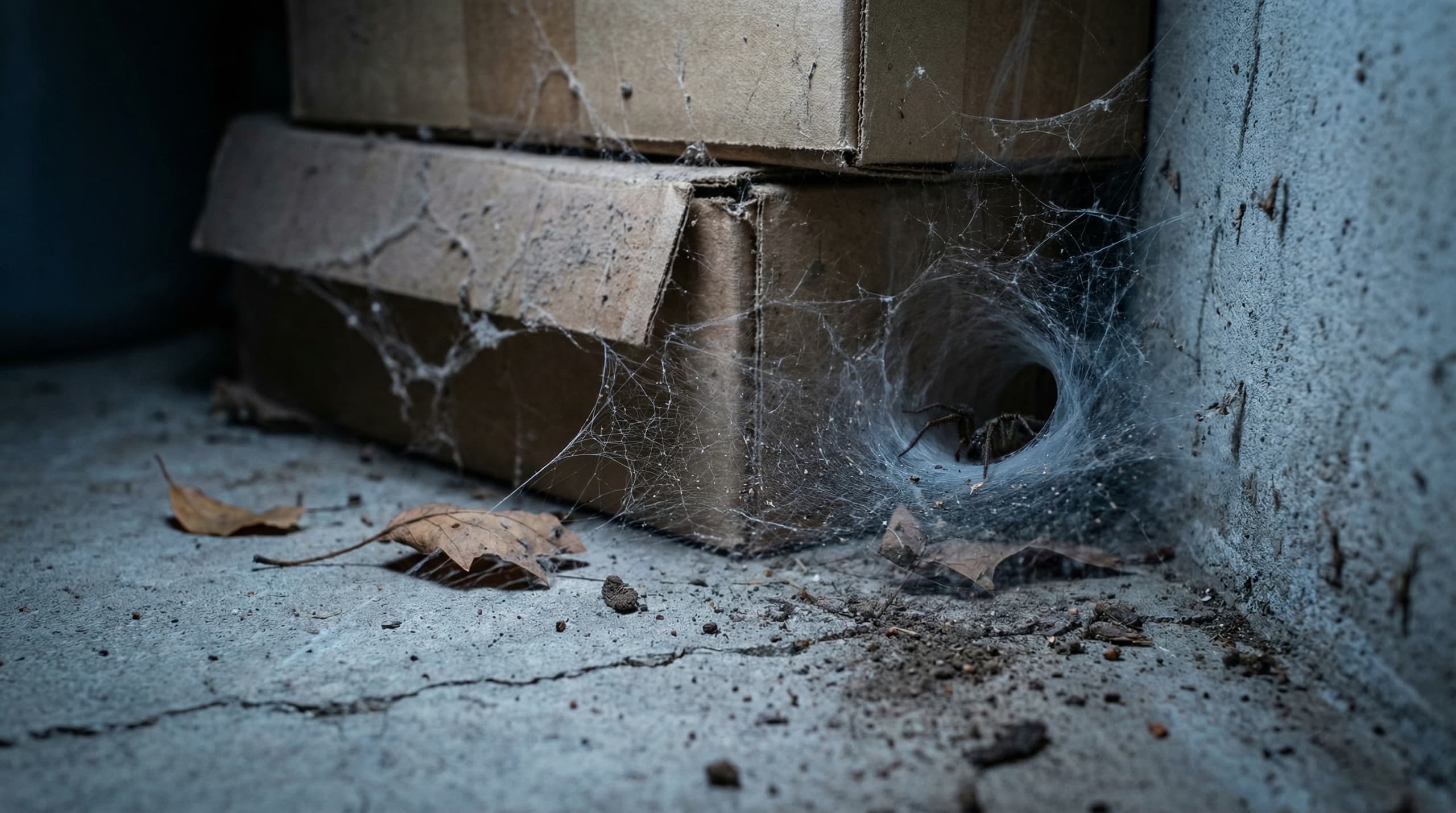
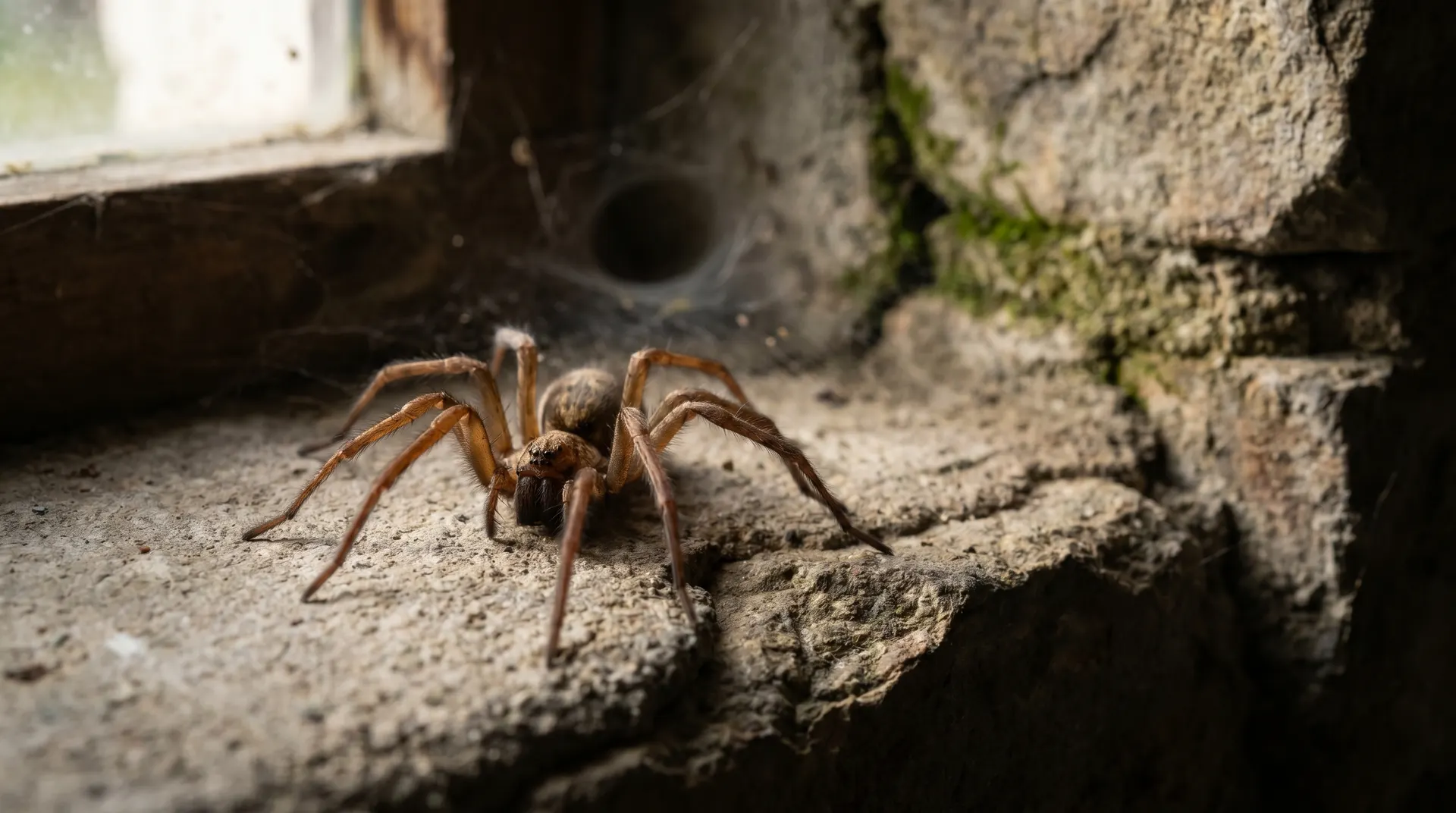
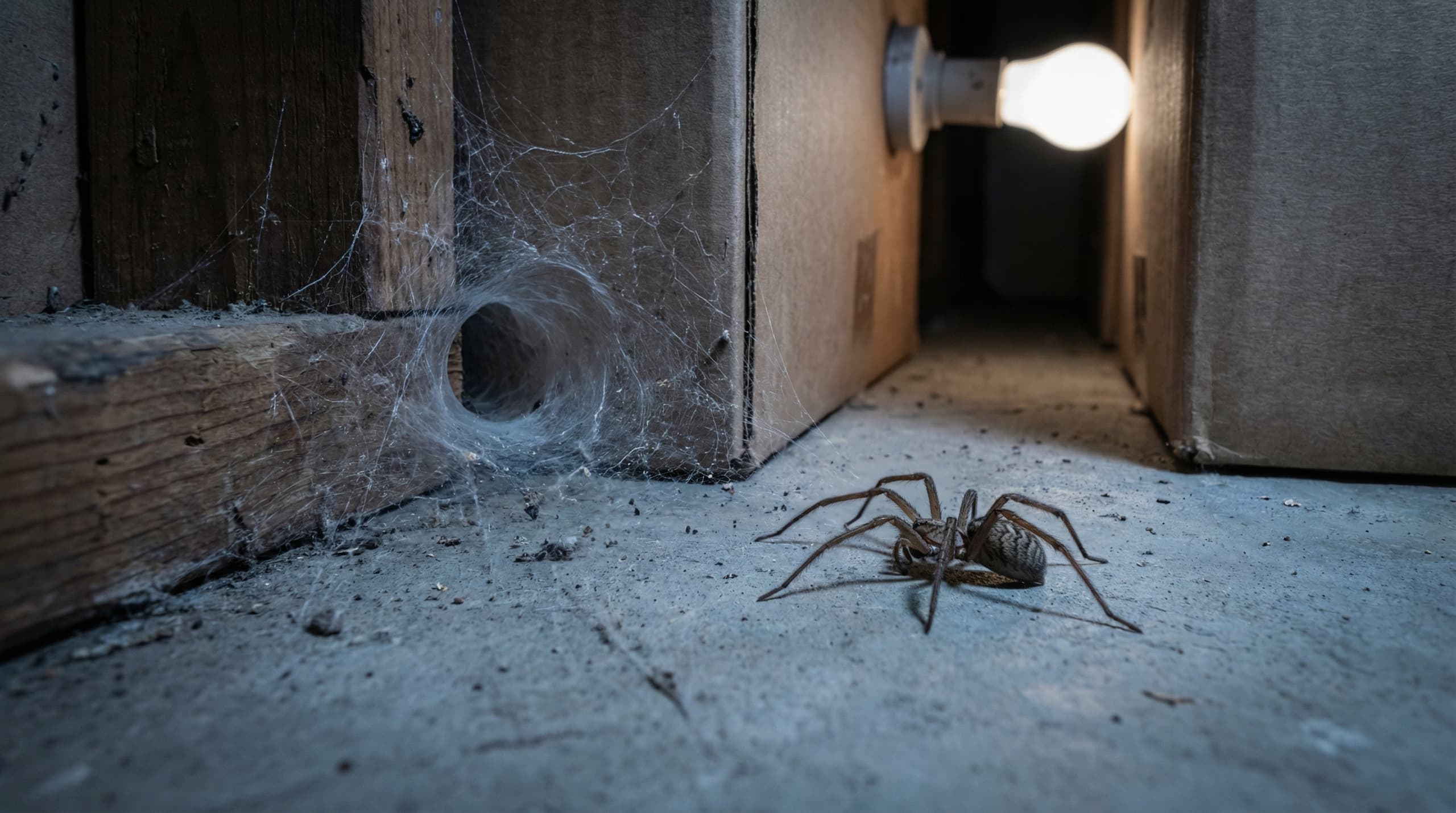
The headliner. Brown, medium-sized, fast-moving. Males peak in September. Hobos build funnel webs in low, dark corners: baseboards, behind furniture, inside window wells. They're not aggressive, but they will bite if pressed against skin (think shoe, glove, folded towel). See our hobo spider guide for full ID details.
Giant House Spider
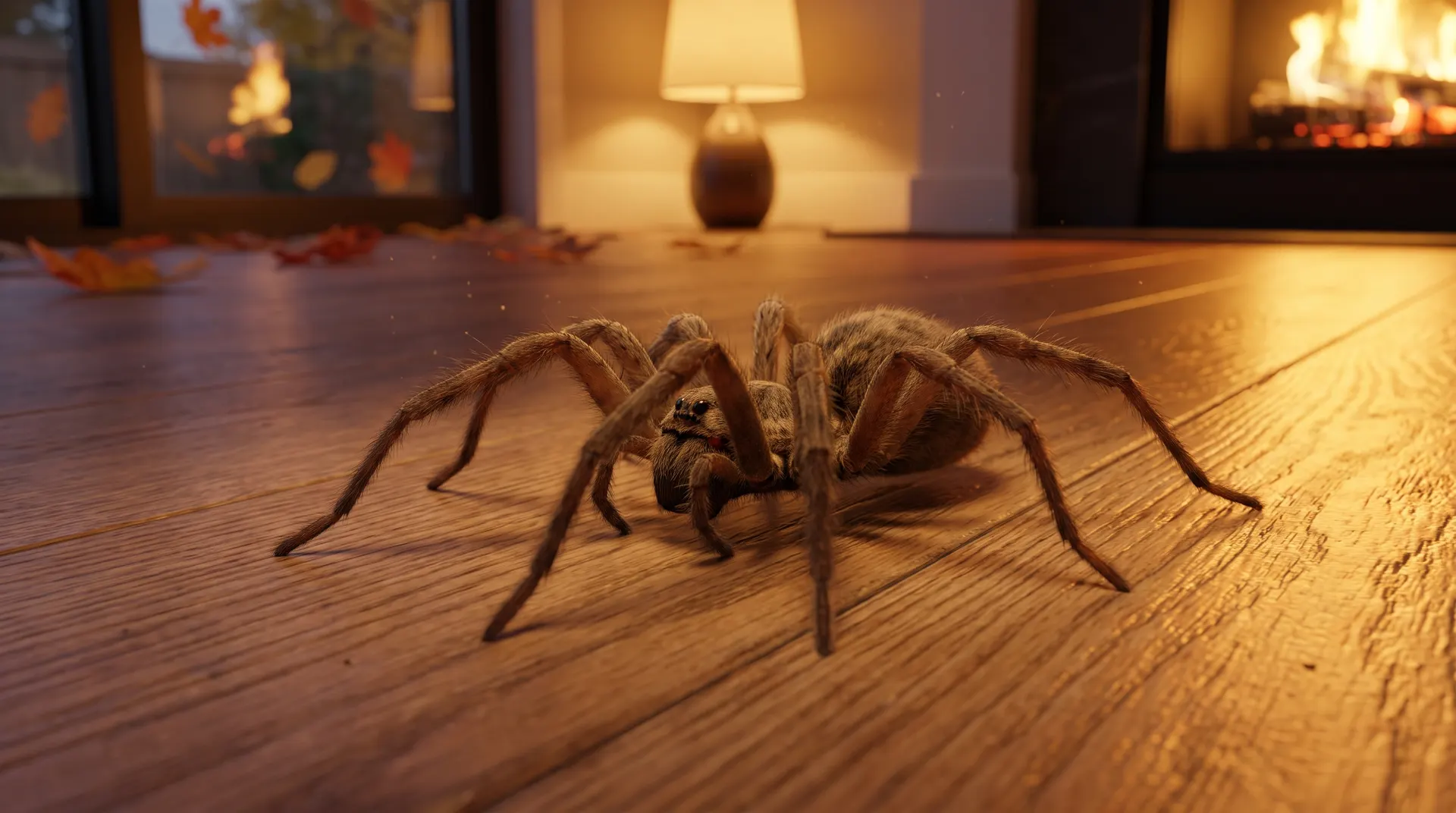
The one that stops you in your tracks. Big body, huge leg span, sometimes 3 to 4 inches across. Not medically dangerous, but visually alarming. Males show up in living rooms, hallways, and bedrooms during the same September window as hobos. Often mistaken for wolf spiders.
Cellar Spider (Daddy Long-Legs)
Thin legs, small body, tangled webs. Cellar spiders take over basements, laundry rooms, and utility closets starting in late September. Harmless. They actually eat other spiders. But their webs pile up fast in low-traffic corners. You don't want a basement full of them, and our fall barrier knocks out the bugs they live on.
Western Black Widow
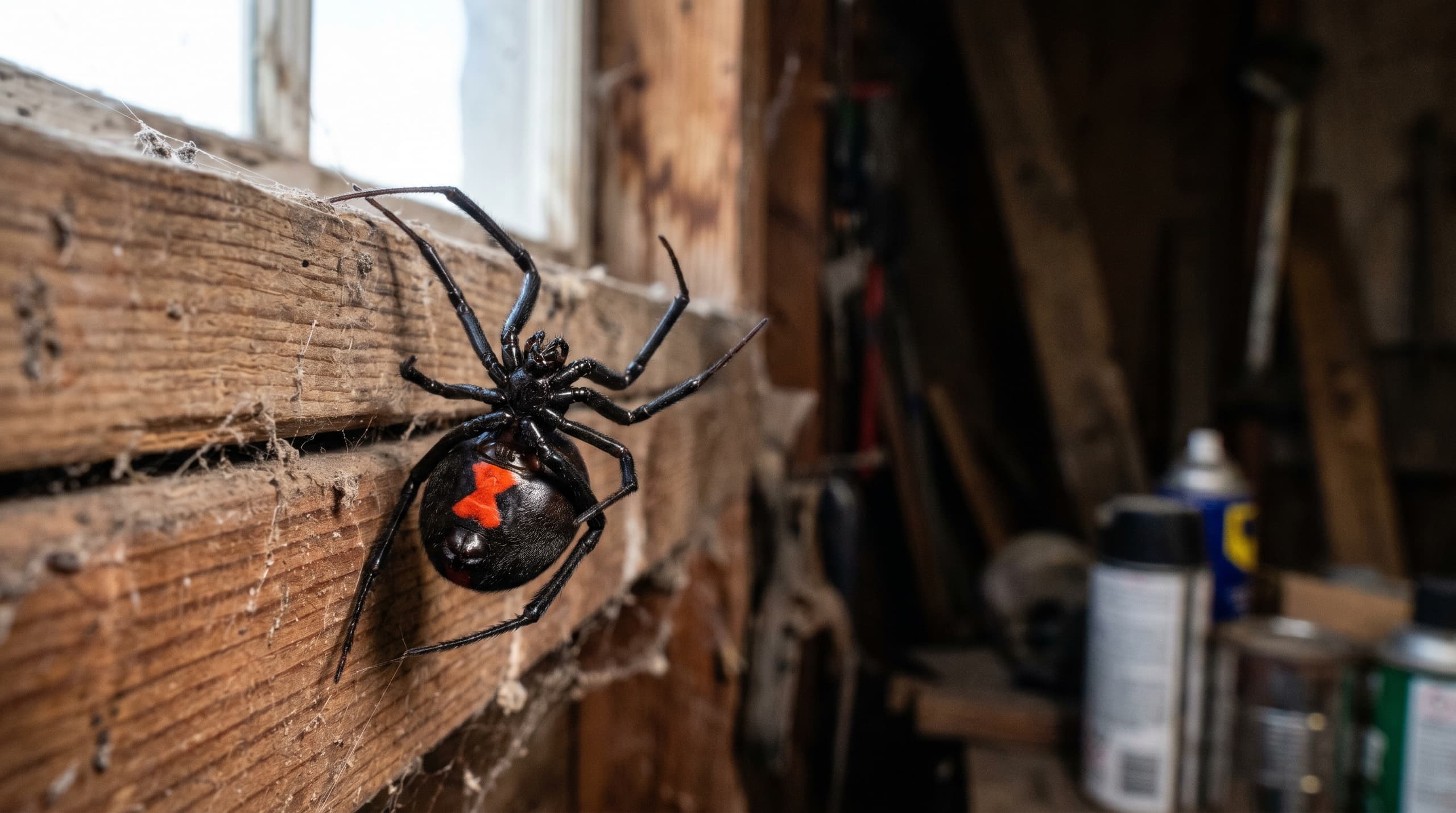
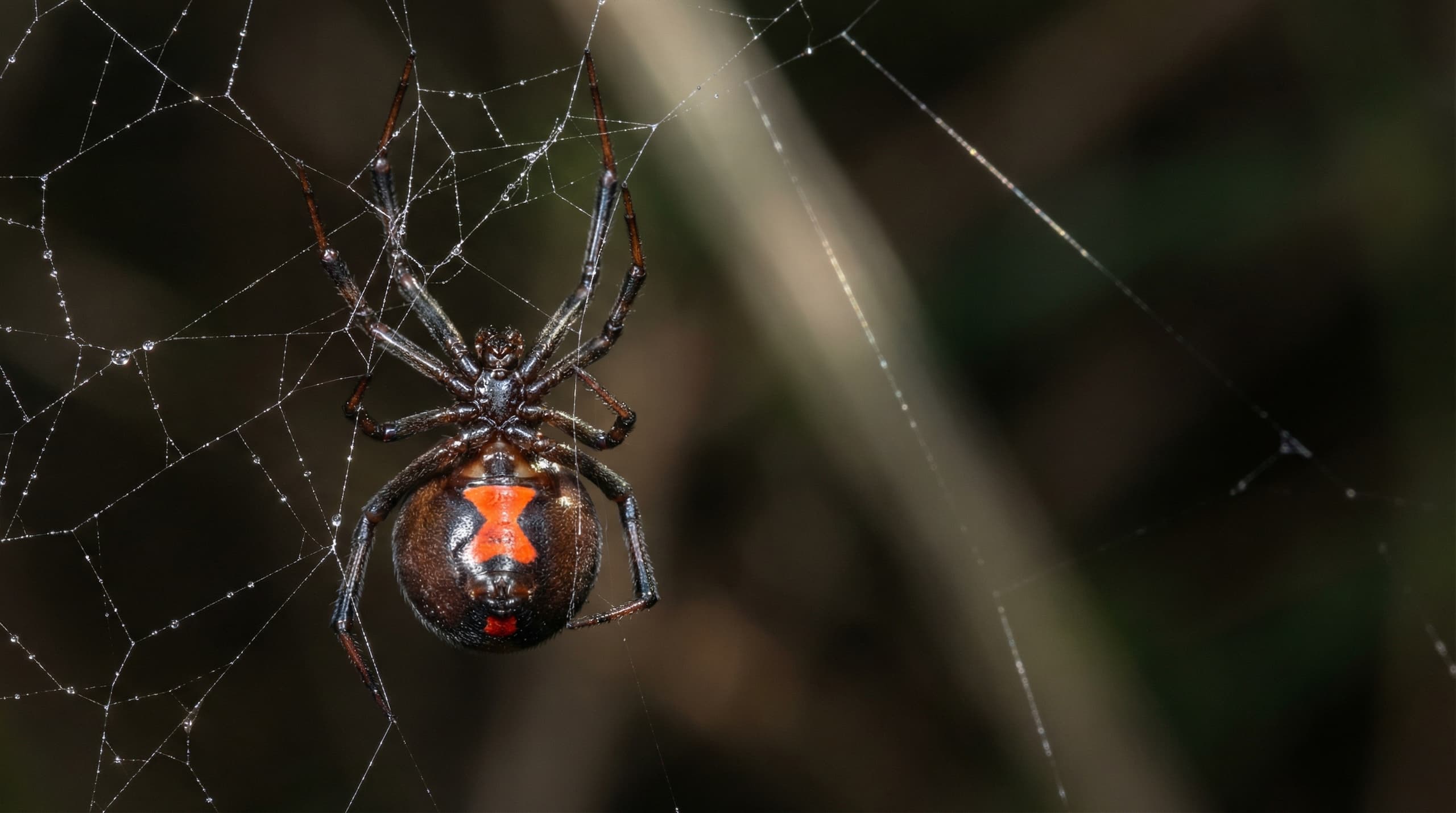
Widows don't do the fall migration inside the way hobos do. But populations peak in August, so encounters spike when homeowners clean out garages, sheds, and outdoor storage. Always shake out gloves, boots, and boxes stored in the garage before you reach in. Our black widow safety guide covers first aid and when to see a doctor.
Wolf Spider
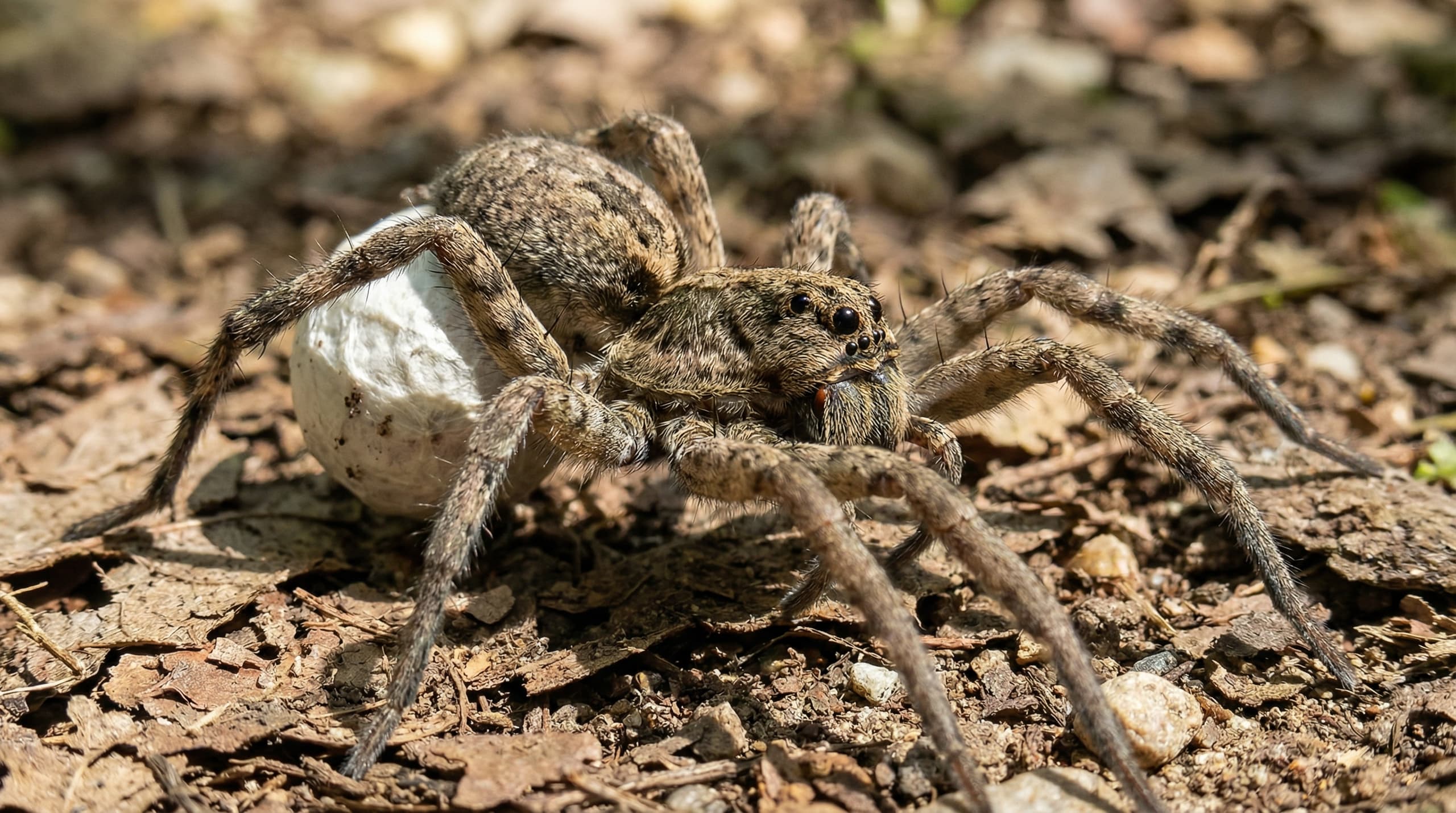
Large, fast, and harmless to people. Wolf spiders are active hunters that follow insects indoors, especially through walkout basement doors and garage service doors. Exterior insect control handles most of those calls. See our wolf spider guide for Idaho.
How Do I Keep Spiders Out in September?
The best defense is a barrier that's already in place before the mating wave hits. Once males are on the move, you're playing catch-up. Here's the prevention playbook we walk homeowners through every August.
- Treat the exterior in late July or early August. A perimeter barrier kills the insects spiders follow inside. Fewer bugs on your foundation, fewer spiders.
- Seal foundation cracks and window well gaps. Silicone caulk, not spray foam. Spray foam breaks down and looks awful.
- Swap exterior bulbs for yellow "bug light" LEDs. White light pulls moths and flies to your walls. Yellow doesn't. Less food, fewer spiders.
- Clear plant debris off the foundation. Pull back mulch, trim shrubs 12 inches off siding, rake leaves away from the house.
- Vacuum corners and baseboards weekly through September. Egg sacs and webs both go. A shop vac gets the corners a regular vac misses.
- Store firewood 20 feet from the house. Wood piles are hobo spider penthouses. Right next to your foundation is not where you want that.
What Attracts Spiders Into Boise Homes in Fall?
Spiders are not chasing your warm house. They are chasing the bugs already inside. These attractants are behind most fall spider problems in the Treasure Valley.
- Other insects. Ants, crickets, earwigs, flies, and box elder bugs are spider food. A home with one of those problems usually has the other within a season.
- Firewood and yard debris against the house. Wood piles, stacked landscaping rock, leaf piles, and old lumber give spiders cover within feet of the siding. Black widows in particular love it.
- Bright white exterior lights. Porch bulbs, garage lights, and string lights pull in moths and flying insects all night. Wolf spiders and giant house spiders set up shop nearby.
- Clutter in garages, basements, and outbuildings. Unused boxes, stored holiday decor, and old appliances are the dark, undisturbed spots black widows colonize during fall. Check long-stored boxes for egg sacs before you move them.
Rooms Where Fall Spiders Actually Hide in Boise Homes
Fall spiders don't spread out evenly through the house. They cluster in specific rooms and specific corners. Knowing where to look saves you time.
Basements and crawlspaces. Cellar spiders love these. Cool, dim, humid. If you have an unfinished basement in a 1980s or 1990s Boise foothills home, you'll find webs in every ceiling corner by October.
Bathrooms. Sounds odd until you think about it. Bathrooms have water sources, drains, and are often the darkest room in the house at night. Hobos wander in and get stuck in the tub.
Garages and attached storage. The garage door seal is the biggest hole in your home. Our full breakdown lives in how to keep spiders out of your garage this fall. Read that one if you park in a garage in Meridian, Eagle, or west Boise.
Bedrooms with sliding closet doors. The tracks collect dust and debris. Behind the door is dark. Spiders like it. Vacuum the tracks.
Window wells. Not technically inside, but a spider-filled window well is one step from an entry point. Cover exposed wells with a fitted plastic cap.
Older Boise Homes With Stone or Rock Foundations
If you live in the North End, the East End, the Boise Bench, or any pre-1960 neighborhood with stone, rock, or rubble foundations, you have one of the highest-pressure spider properties in our service area. Stone foundations have hundreds of tiny gaps where mortar has cracked or settled, and we routinely find webs every two or three feet along the base.
- Add a perimeter gravel strip 12 to 18 inches wide against the foundation. It dries fast after sprinklers and removes the damp organic cover spiders love.
- Treat the foundation perimeter every quarter. Older homes need the residual barrier more than newer builds.
What a Professional Fall Spider Treatment Includes
This is the sequence our techs follow on a typical Boise home in August or September.
- Full perimeter inspection. We walk the foundation, eaves, garage, and any outbuildings. Notes go in your account so the next visit picks up where this one left off.
- Web and egg sac sweep. Eaves, soffits, meter boxes, deck undersides, and garage corners all come down before treatment.
- Exterior barrier spray. An organic-based, hospital-grade product applied 3 feet up the foundation and 3 feet out into the landscape. That is the residual that lasts 90 days.
- Granular treatment in landscape beds and rock. It stops the ground-dwelling insects that draw hobo and wolf spiders in the first place.
- Targeted interior treatment on request. Baseboards, crack and crevice spots, and garage walls. Family-safe once dry, which takes 30 to 60 minutes.
When to Bring in Green Guard for a Fall Barrier
DIY prevention buys you a lot of ground. But if you're already seeing multiple spiders a week inside the house, you're behind the wave. That's when a professional barrier treatment earns its keep.
Here's how our fall spider control service works. A technician does a full property walk. They identify entry points, look for existing webs and egg sacs, and treat the perimeter of the foundation with an organic-based product safe for kids and pets. Eaves get swept. Window wells get treated. Interior baseboards and closets get spot-treated if you want them done.
The initial visit is $49 for anyone starting a quarterly or bimonthly plan. Quarterly is $119 per treatment for homes up to 2,500 square feet. If spiders come back between visits, we come back free. That's the re-service guarantee, in writing.
We book fast in August and September because everyone in the Treasure Valley is calling at once. If you want the September peak covered, book by mid-August. Call (208) 297-7947 or text the same number.
Frequently Asked Questions
Why are there suddenly so many spiders in my house in fall?
Quick answerIt's mating season for the two most common Boise-area spiders (hobo spiders and giant house spiders).
Males leave their outdoor webs from late August through September to find females, and your home is in their travel path. Cooling nights push insects toward warm foundations, which gives the spiders a food source once they arrive.
How do I keep spiders out in September?
Quick answerGet a barrier in place before September starts.
Treat the exterior in late July or early August, seal foundation cracks with silicone caulk, swap white outdoor bulbs for yellow bug lights, and clear plant debris away from the siding. Once the mating wave hits, prevention gets harder.
When do spiders stop coming inside in Idaho?
Quick answerMale activity drops off in late September and tapers through mid-October.
By November, most of the movement is done. Cellar spiders and any hobos that made it inside will settle into basements and crawlspaces for winter.
Are the big spiders I'm seeing in September dangerous?
Quick answerMost aren't.
Giant house spiders look terrifying but are medically harmless. Cellar spiders are harmless. Hobo spiders can bite if pressed against skin (inside a shoe, glove, or towel), but bites are uncommon. Black widow bites are the one that warrants a doctor visit. Our black widow safety guide covers what to do. Either way, you don't want any of them moving in for the winter. A fall perimeter treatment keeps them outside.
Does the $49 first treatment actually stop fall spiders?
Quick answerYes.
The $49 initial visit includes a full property inspection and exterior barrier treatment with an organic-based product. It kills the insects spiders follow inside and puts a residual barrier around the foundation. If pests come back between quarterly visits, our re-service is free.
When do spiders come into Boise homes?
Quick answerFall spider migration into Boise homes runs from the last week of August through mid-October, peaking around Labor Day weekend.
That's when male hobo spiders and wolf spiders leave the webs they've hidden in all summer and roam indoors looking for mates. The spring emergence is a smaller wave in March and April. Winter and mid-summer see the fewest indoor sightings.
How do hobo spiders get into houses?
Quick answerHobo spiders are ground-level hunters that walk in through foundation cracks, garage door bottom seals, basement window wells, and the gap under exterior doors.
They don't climb walls to find upper-floor entry points. A professional exterior barrier at the base of the home and exterior insect control cut down both the spiders and the bugs that bring them.
Does spider spray keep spiders out?
Quick answerA professional 90-day residual barrier spray applied along the exterior foundation and eaves keeps spiders out.
Consumer products evaporate within hours and leave no residual protection, so a professional pyrethroid or pyrethrin barrier with a residual formulation is what lasts.
Should I spray for spiders in August or September?
Quick answerLate July through August.
A perimeter treatment applied in that window covers the entire fall migration window (August through November) on one 90-day cycle. By September the migration is already underway and you are catching up with spiders that are already inside, so the earlier timing prevents a bigger problem.
What do spiders hate the most in your house?
Quick answerSpiders hate three things: no food, no shelter, and no hiding spots.
A dry, well-lit, clutter-free home with no insect population is the least attractive environment possible. Peppermint oil and essential oil sprays get a lot of marketing attention, but they evaporate within hours. The money goes further on exterior insect control and a professional 90-day barrier treatment.
Will sleeping with lights on keep spiders away?
Quick answerInterior lights don't repel spiders.
Porch lights and bright exterior lights pull insects toward the house, which pulls spiders behind them. Swap white exterior bulbs for yellow or warm-tone LEDs to reduce insect attraction. Interior lighting doesn't matter to spider behavior either way.
Is it possible to spider-proof your house completely?
Quick answerYou can make spiders a rare sight in a Treasure Valley home, which is what most homeowners actually want.
Spiders walk in from yards, garages, and any open door, so steady habits keep the count down. Removing webs weekly, controlling exterior insects, and running a 90-day perimeter spray takes care of almost every indoor sighting.
How much does professional spider control cost in Boise?
Quick answerGreen Guard's initial service is $49 for subscription customers.
Quarterly treatments run $119 for homes up to 2,500 square feet, $139 for 2,501 to 4,000 square feet, and $159 for 4,001 to 5,500 square feet. Quarterly and bimonthly plans require a 1-year service agreement and include free re-service between visits. One-time service starts at $200 with a 30-day warranty.
Sources
Green Guard call and web request log, Aug 2026; Green Guard call and web request log, Jul 2026