Quick answer
The fast, long-legged bug in your Boise bathtub is a house centipede (Scutigera coleoptrata). They're harmless to people and pets and actually hunt other pests like spiders and silverfish. But their presence signals two things: your home has excess moisture, and there are enough other bugs around to feed them. Fix the moisture, seal the entry points, and cut the prey base to stop seeing them. You don't have to live with them, either. Green Guard's quarterly treatment knocks out the bugs they feed on and keeps centipedes out.
Key Takeaways
- House centipedes are the yellowish-gray bug with 15 pairs of long legs and antennae longer than their body. About 1 to 1.5 inches long.
- They are not dangerous. A bite is rare, feels like a mild bee sting, and almost never breaks human skin.
- They live in damp spots: bathrooms, basements, crawl spaces, laundry rooms, and around leaky plumbing.
- If you see them, you almost certainly have spiders, silverfish, or roaches too. Centipedes hunt those.
- Kill the moisture problem, seal foundation and pipe entry points, and the whole ecosystem (centipedes included) collapses.
- Heavy or repeat sightings mean it is time to call for professional treatment. Our $49 initial service covers the whole ecosystem, not just what you see.
In this article

The Fast, Leggy Bug in Your Bathtub
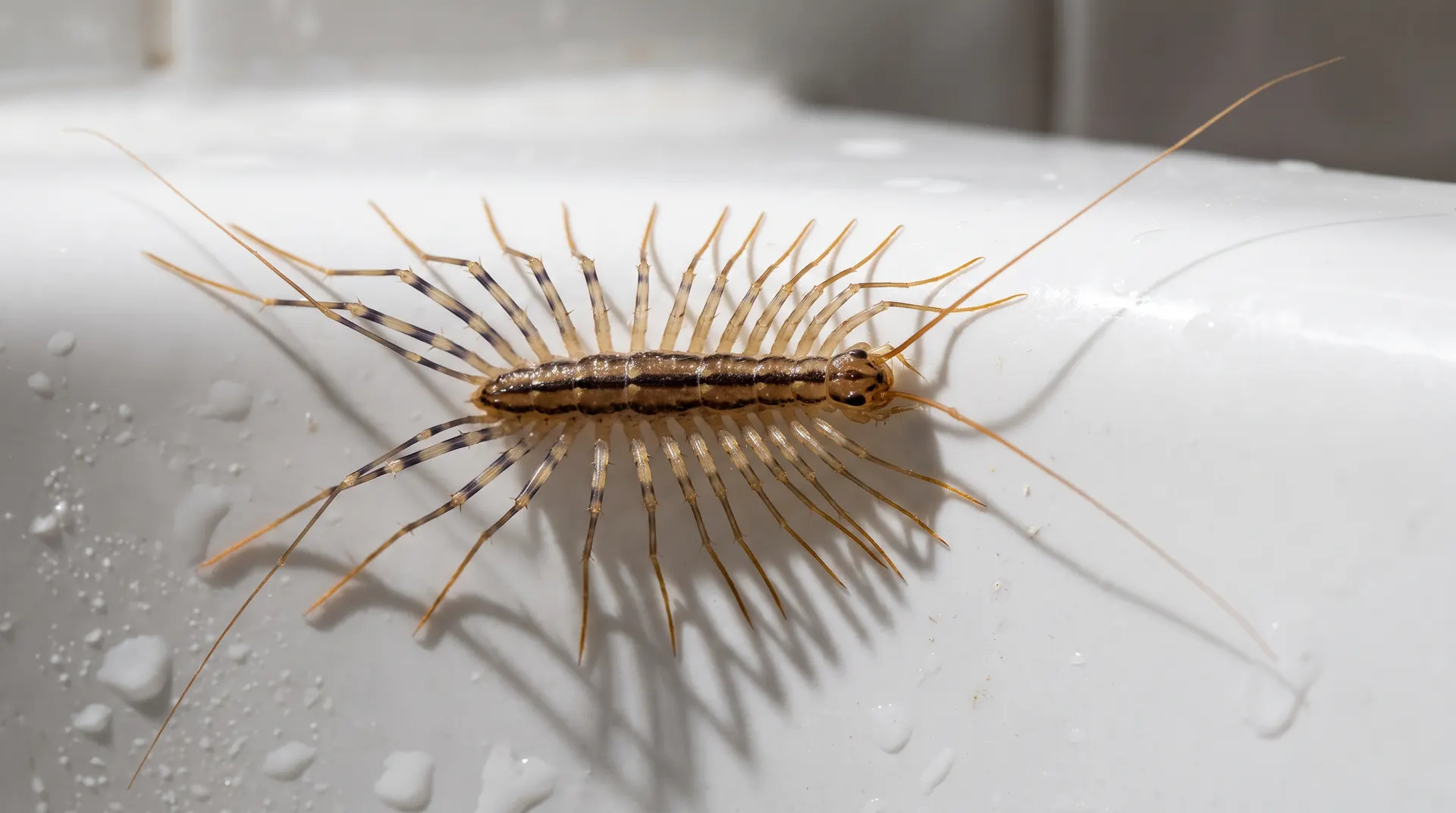
You flip on the bathroom light and something the size of a quarter darts across the tub. Fifteen pairs of legs. Two long antennae. Yellowish-gray with dark stripes. Gone before you can grab a shoe.
That's a house centipede. And July and August are when they are most noticeable across the Treasure Valley. They love the cool, dark, slightly damp corners of Boise homes when the outside temperature climbs past 95°F.
Here's the good news right up front. House centipedes are not dangerous. They don't damage your home, they don't spread disease, and they'd rather sprint away from you than come near you. They're actually hunting the pests you don't want, like spiders, silverfish, and roaches.
The bad news? If you're seeing them, you almost certainly have moisture problems and a bigger pest ecosystem in your walls. This guide covers what to look for, why they're there, and how to make your home a place they don't want to live.
What Does a House Centipede Look Like?
The house centipede (Scutigera coleoptrata) is the only centipede species you'll routinely find indoors in Idaho. Once you know the look, you'll never confuse it with anything else.
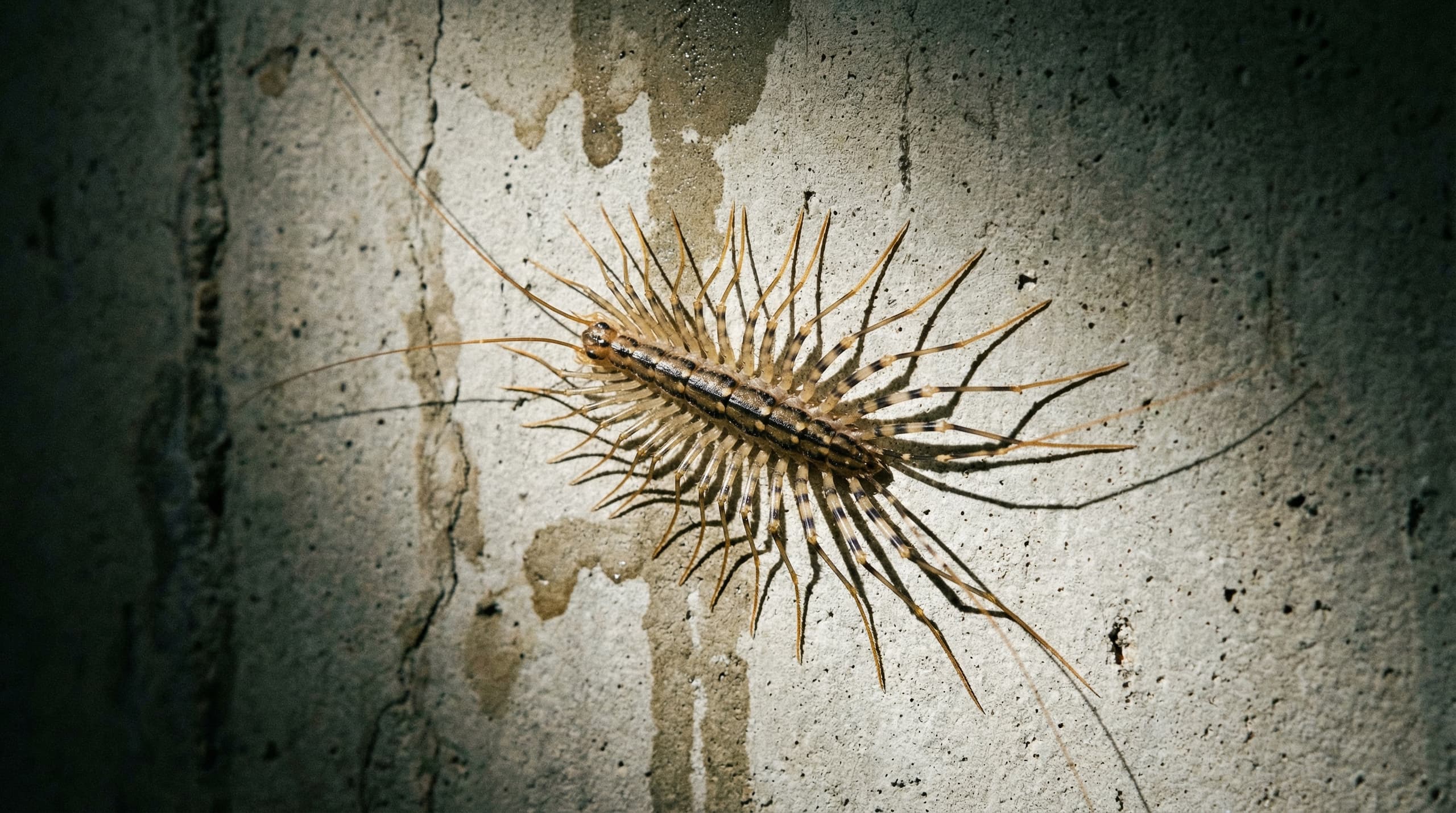
- Size: Adults are about 1 to 1.5 inches long (roughly the length of a quarter). Their legs and antennae stretch that to 3 or 4 inches of visible bug.
- Color: Yellowish-gray body with three dark stripes running down the back.
- Legs: 15 pairs (30 total). Very long, delicate, and banded with light and dark rings.
- Antennae: Long, wispy, often longer than the body itself. The rear legs are also this long, which makes it hard to tell which end is the head.
- Speed: Fast. They hit roughly 16 inches per second on flat surfaces, and they run up walls and across ceilings just as easily.
- When active: Nocturnal. You mostly see them when you turn a light on at night or first thing in the morning.
Are House Centipedes Dangerous to People or Pets?
No. House centipedes are not dangerous to humans, dogs, or cats. They are venomous in a technical sense (they inject venom into the small bugs they hunt), but their fangs are too small and weak to reliably break human skin.
In the rare case a house centipede does bite a person, it feels like a mild bee sting and clears up in a few hours. There's no medical concern, no need for antivenin, and no risk of infection beyond what you'd expect from any minor skin irritation. If you have an unusually strong reaction, call your doctor, but that's the same advice for any bug bite.
They also don't damage your home. They don't chew wood like carpenter ants, they don't destroy fabric like carpet beetles, and they don't contaminate food like roaches. They're just... unsettling to look at.
Why House Centipedes Show Up in Boise Homes
House centipedes need two things to survive indoors: moisture and prey. Take away either one, and they leave (or die). If they've moved into your home, both are present.
Boise summers create a specific problem. Outside, the air is bone-dry and often over 100°F. House centipedes lack the waxy shell coating that most bugs have, so they dry out and die within hours in that heat. Your basement, crawl space, or bathroom is a lifeboat. Cool, humid, dark, and full of other bugs to eat.
What Centipedes Tell You About Your Other Pests
Here's the part most homeowners miss. Centipedes are hunters. They don't eat crumbs or bread or garbage. They eat other bugs, live and moving.
If you have a healthy population of house centipedes, you almost certainly have a healthy population of at least one of these:
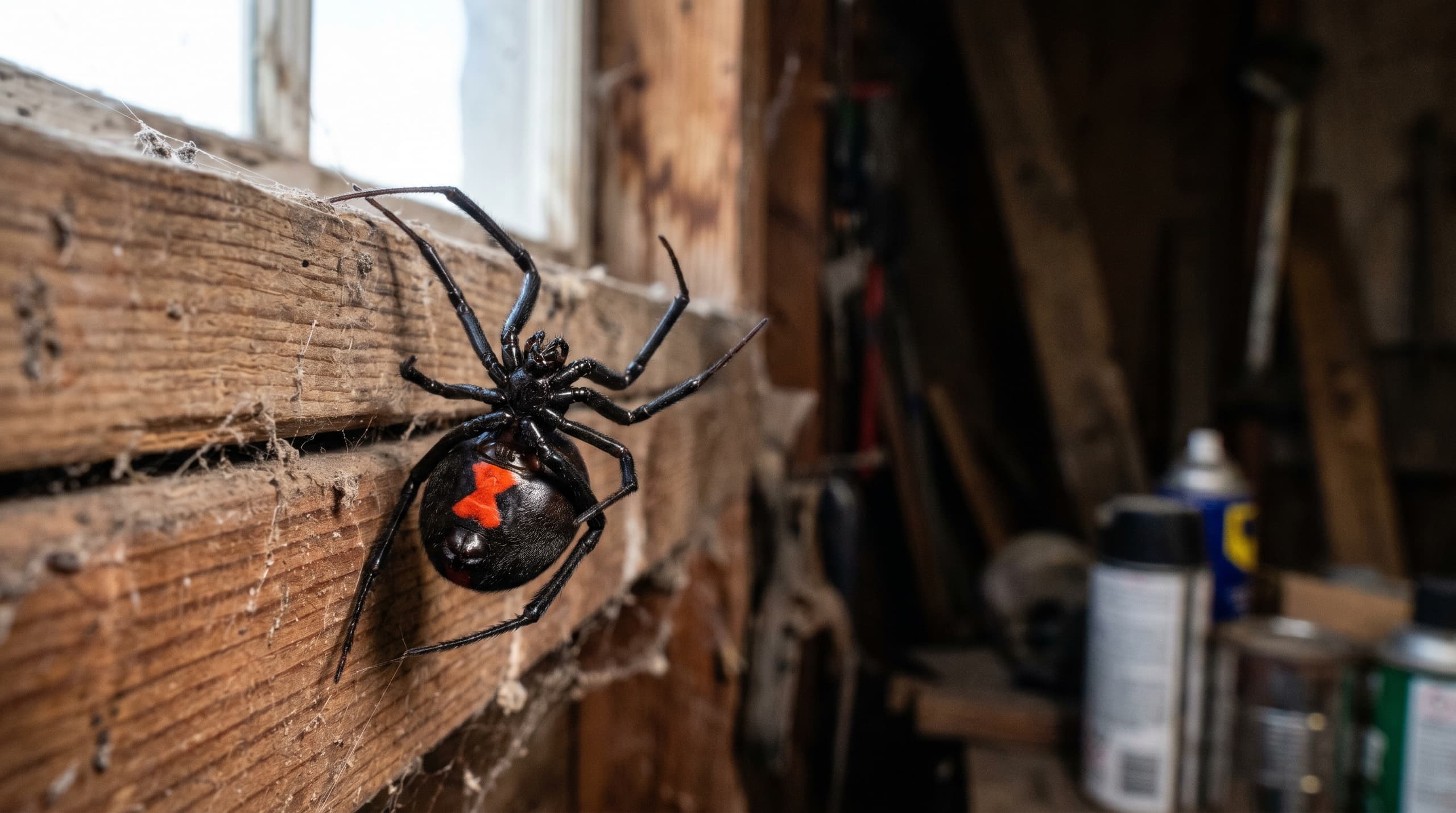
- Spiders (especially cellar spiders and hobo spiders). Centipedes hunt them aggressively. See our guide to dangerous spiders in Idaho for what to watch for.
- Silverfish. Classic centipede food. Both love the same damp, dark spots.
- Cockroaches. Less common in Boise than other cities, but where they exist, centipedes thrive.
- Carpet beetle larvae, small ants, and firebrats. All fair game.
- Bed bugs. Yes, technically, though a centipede population won't control a bed bug infestation.
Where You'll See Them in Your Boise Home
House centipedes stick to five specific zones. If you're seeing them in one of these, that's the ecosystem to treat.
- Bathtub and shower. The most common spot. They fall in chasing prey or come up drains and can't climb the slick porcelain back out. That's why you see the same trapped centipede at 7 a.m. that was there at 11 p.m.
- Basement and crawl space. The core habitat. Cool, humid, dark, undisturbed. If you have an older Boise home with a stone-and-mortar basement (common in the North End, Depot Bench, and Hyde Park), this is centipede heaven.
- Bedroom. Especially bedrooms on the ground floor or over a crawl space. They come up through wall voids at night and get caught out in the open when you turn on a lamp.
- Laundry room and utility closet. Anywhere you have a water heater, washer, or slop sink. Constant moisture and warmth.
- Garage floor drains and sump pits. These are direct highways from outside soil into your finished spaces.
How to Get Rid of House Centipedes (and Keep Them Out)
Killing the one you see doesn't fix anything. Ten more are behind the drywall, and more are coming in from your yard. To actually solve this, you have to attack all three legs of the stool: moisture, entry points, and prey.
Step 1: Cut the Moisture
This is 60% of the fix. Without water, house centipedes can't survive more than a day or two indoors.
- Fix any dripping faucets, running toilets, or leaking pipes under sinks. Even a slow drip is enough to support a colony.
- Run bathroom exhaust fans for at least 20 minutes after every shower.
- Check the crawl space vents. In many Boise homes, plastic covers have fallen off or vents are blocked by landscaping, trapping humidity underneath.
- Consider a dehumidifier for basements or crawl spaces that stay above 60% relative humidity. Aim for 40 to 50%.
- Look for pooling water around the foundation after your sprinklers run. Regrade if needed so water drains away, not toward, the house.
Step 2: Seal the Entry Points
Centipedes come in through the same gaps other pests use. Sealing them cuts off the pipeline.
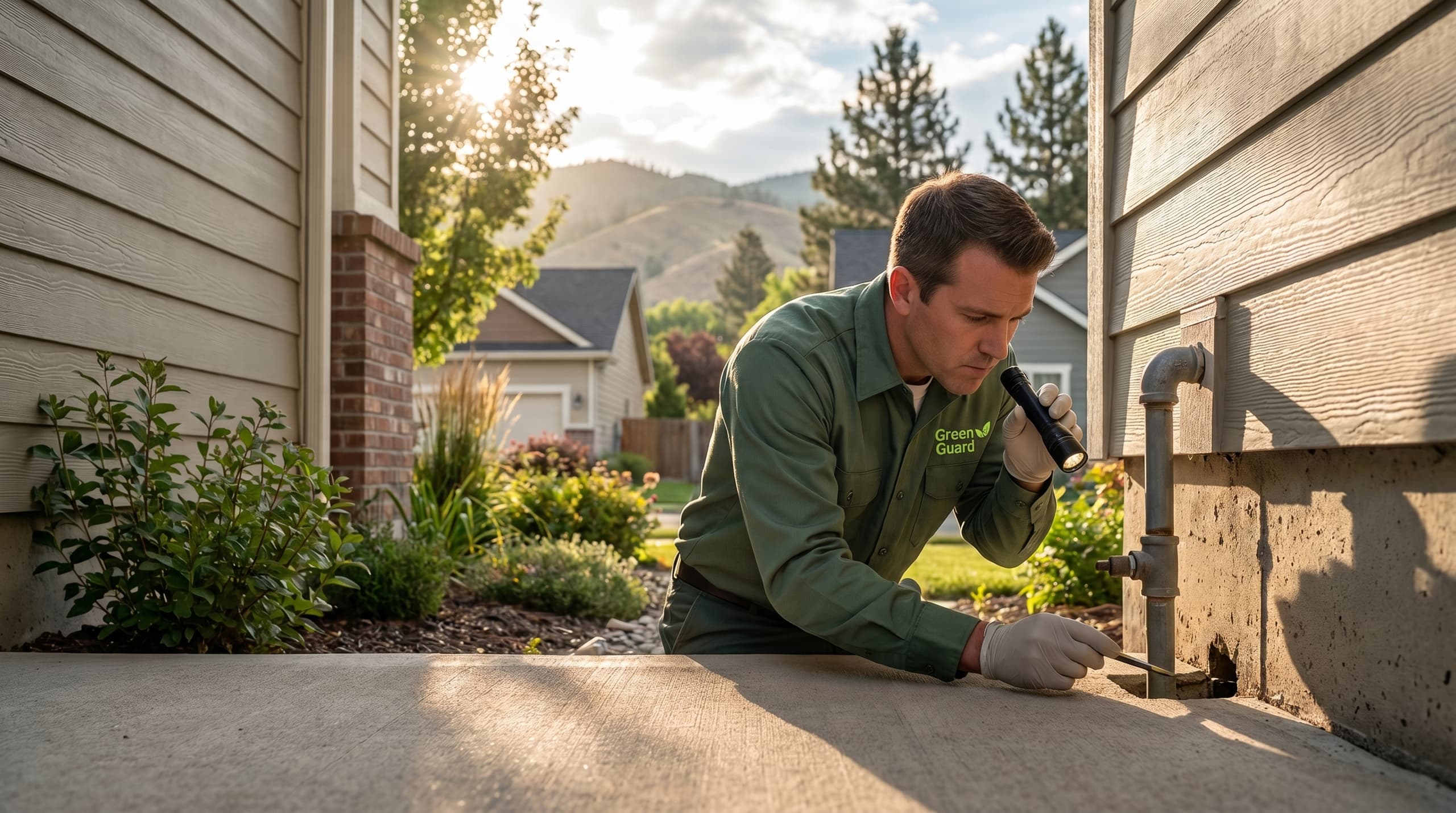
- Caulk gaps around exterior plumbing penetrations (hose bibs, gas lines, AC line sets).
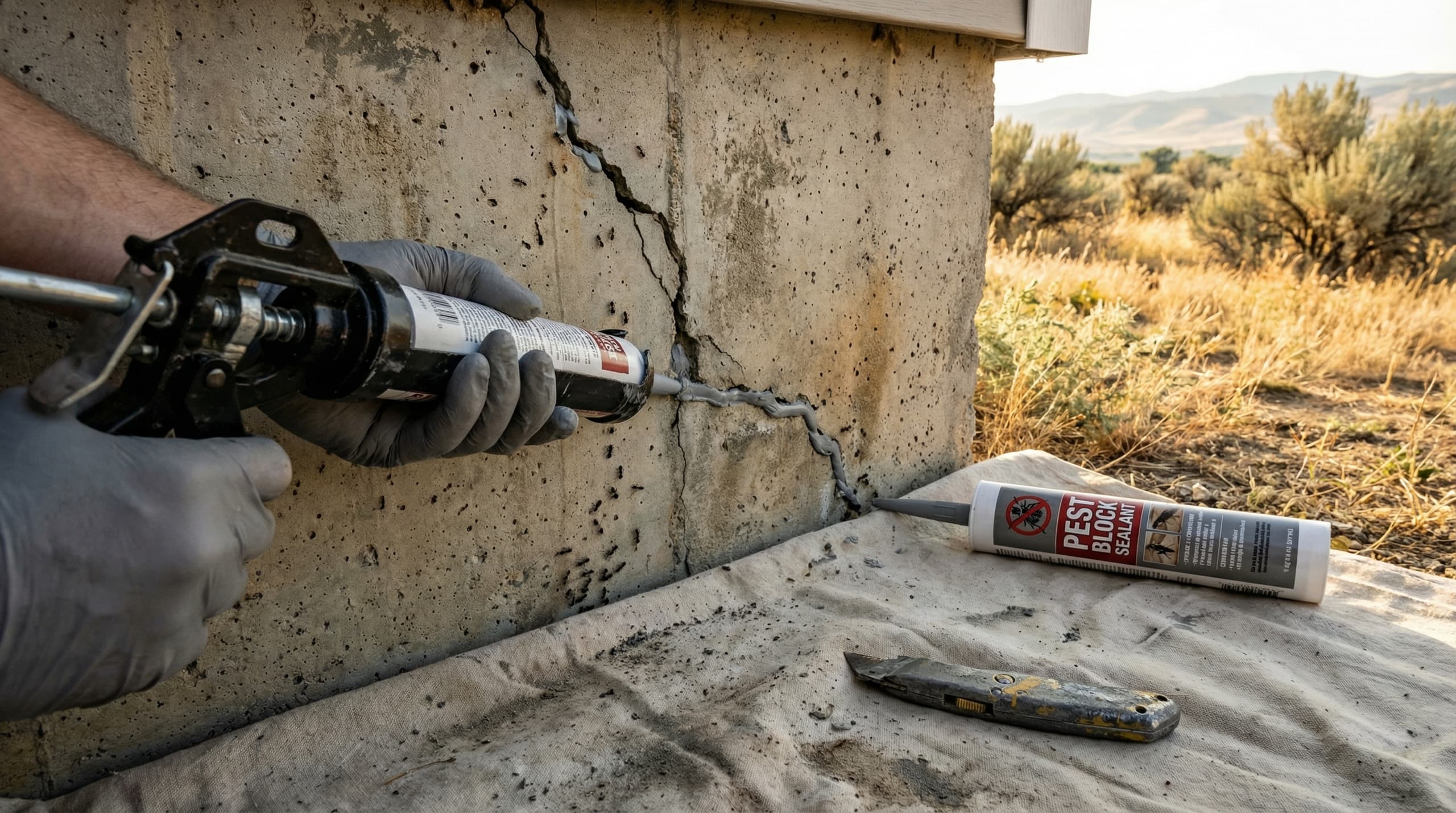
- Fill cracks in foundations and basement walls with concrete patch or polyurethane sealant.
- Install door sweeps on any door that leads outside or to a garage. A 1/4-inch gap is more than enough for a centipede.
- Screen crawl space vents with 1/8-inch hardware cloth (not window screen, which they can push through).
Step 3: Kill Off the Prey Base
This is the piece homeowners can't easily do themselves. Even a clean, dry home has some spiders, silverfish, and small ants in the wall voids. A single quarterly perimeter treatment kills those out and starves the centipedes.
This is exactly what our general pest control service does. We treat the exterior perimeter, hit the entry points, and knock down the whole ecosystem in one visit. Centipedes usually disappear within 2 to 3 weeks of the first treatment, not because we sprayed them directly, but because there's nothing left to eat.
For a deeper look at the full-home approach, see our pest-free home guide.
What Not to Do
A few common mistakes we see in Boise homes:
- Bug bombs and foggers. Waste of money for centipedes. They live inside walls and don't come out to breathe the fog. Green Guard doesn't use these, ever.
- Ultrasonic pest repellers. Zero peer-reviewed evidence they work on centipedes or anything else.
- Vinegar or essential oil sprays. Might repel a centipede for an hour. Does nothing to fix the moisture or prey problem underneath.
When to Call a Boise Pro
You can absolutely handle one or two centipedes a summer on your own. Squish it, dry the tub, move on with your day.
Call in help when any of these apply:
- You're seeing centipedes weekly or in multiple rooms of the house.
- You're also seeing spiders, silverfish, or roaches. That's the pest ecosystem, and you need to treat all of it.
- You have a finished basement where you can't easily inspect for moisture.
- You're moving into an older Boise home and want a full baseline pest treatment before you unpack.
How Green Guard Treats House Centipedes
Our $49 initial service is built for exactly this kind of problem. Here's what happens on the first visit.
- Full inspection. We find the moisture sources, entry points, and prey species that are feeding the centipede population.
- Exterior perimeter treatment. A 3-foot-up, 3-foot-out barrier of organic-based product around the whole foundation. Same product used in hospitals and daycares, safe once dry (30 to 60 minutes).
- Interior treatment on request. Baseboards, plumbing penetrations, crawl space access, and any specific rooms where you've been seeing activity.
- Sealing is on your side. We don't do sealing work beyond copper mesh in obvious gaps. Caulking the cracks and gaps centipedes use is a job for you or your handyman.
- Quarterly protection. Return visits every 90 days keep the ecosystem knocked down. If pests come back between visits, we come back free.
Ready to Stop Sharing Your Bathroom With Centipedes?
House centipedes tell you your home has a pest ecosystem worth treating. The good news is that the first visit goes after the whole thing (centipedes, spiders, silverfish, ants, all of it) for just $49 to start, and quarterly service keeps it that way.
We serve Boise, Meridian, Eagle, Nampa, Caldwell, Kuna, Star, and the rest of the Treasure Valley. Call (208) 297-7947 or book online. Same-day service is often available.
Frequently Asked Questions
Should I be concerned if I see a centipede in my house?
Quick answerOne or two house centipedes a summer is normal in Boise and not a real concern.
They're harmless to people and pets. But if you're seeing them weekly or in multiple rooms, that signals a moisture problem and a bigger pest population in your walls. That's worth treating, and our quarterly service keeps them out.
Are centipedes in Idaho poisonous?
Quick answerHouse centipedes (the common indoor species in Idaho) are technically venomous but not dangerous to humans.
Their fangs are too small to reliably break skin, and a rare bite feels like a mild bee sting. The much larger giant desert centipede found in southern Idaho does have a painful bite, but it's not the species you'll find in a Boise bathtub.
Should I ignore house centipedes?
Quick answerYou can leave them alone if you only see one occasionally.
They actually kill spiders, silverfish, and other pests you don't want. But if you're seeing them regularly, don't ignore that. It means moisture and prey insects are supporting a colony, and both problems get worse if you let them ride. Call (208) 297-7947 and we'll knock out the bugs they feed on.
What kills centipedes instantly in a house?
Quick answerA shoe or a wad of paper towel works fine on the one you can see.
Sprays and traps don't work well because centipedes live inside walls and only come out at night. Real control means fixing moisture, sealing entry points, and killing off the prey insects (spiders, silverfish) that feed them. That's what a professional perimeter treatment does.
Why do I keep finding centipedes in my bathtub?
Quick answerTwo reasons.
First, bathtubs are moist and warm, so centipedes come there to hunt. Second, porcelain is too slick for them to climb, so once they fall in they're trapped until morning when you find them. The centipede in your tub at 7 a.m. is probably the same one you saw at midnight, not a new problem.