
Occasional Invaders
Centipedes
Scutigera coleoptrata (house centipede) and others
IdentificationHow to Identify Centipedes
Quick Answer
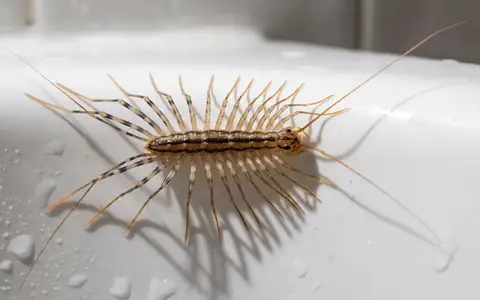
Centipedes have flattened, segmented bodies with one pair of legs per segment. House centipedes have extremely long legs and antennae, giving them a distinctive "hairy" appearance.
Full identification notes
They move very quickly. Unlike millipedes, centipedes are carnivorous predators.
Free
Re-Service Between Visits
4.9/5
Google Rating
9 to 5
Office Hours, Mon to Fri
Centipedes Behavior & Habits
Understanding how centipedes behave helps prevent infestations
Centipedes are predators that hunt insects, spiders, and other small arthropods.
More about their habits
They're nocturnal and prefer dark, damp areas. House centipedes commonly live indoors year-round. They can bite if handled but rarely do so, and bites are usually minor.
Centipedes Risks & Dangers
What centipedes can do to your health and property
Health Risks
Large centipedes can bite, causing pain similar to a bee sting.
Property Damage
No property damage.
Full health and property details
Health Risks
Bites are rare and usually only occur if the centipede is handled or trapped against skin. Allergic reactions are possible but uncommon.
Property Damage
Centipedes are beneficial predators that eat spiders, silverfish, and other household pests. The downside is purely visual: a fast-moving, many-legged bug on a basement wall is unsettling for most homeowners.
Signs of Centipedes Infestation
Look for these indicators in your home
Signs You Have Centipedes
What homeowners spot first
- Quick-moving, many-legged creatures darting across basement or bathroom floors
- Sightings in bathrooms, basements, laundry rooms, or kitchens
- Shed exoskeletons in corners or along baseboards (centipedes molt as they grow)
More signs to look for
- Activity at night when lights are turned on, then a fast dash for cover
- A simultaneous silverfish, spider, or roach problem (their food source)
Centipedes in Boise & the Treasure Valley
Most of our house centipede calls come out of older Boise neighborhoods with full basements: the North End, East End, Hyde Park, and the Boise Bench.
More on what we see locally
Original stone or concrete foundations, slow-draining crawlspaces, and decades-old plumbing under bathrooms give them the cool, damp habitat they need year-round. We also see steady centipede sightings in Garden City and along the Boise River corridor where the water table sits high. Calls climb every fall once outdoor temperatures drop and centipedes follow their prey (silverfish, earwigs, small spiders) into warm interior walls. If you're seeing centipedes in a finished basement or master bathroom in October, there's almost always a moisture issue and a second pest problem feeding it.
How We Handle Centipedes
What our approach looks like
Centipede control focuses on habitat modification and crack/crevice treatment.
Our full approach
We point out moisture issues to fix, apply residual treatments to hiding spots, and address the prey insects that attract centipedes. Reducing their food source (other insects) is key to long-term control.
How to Prevent Centipedes
Steps you can take to reduce the risk of infestation
- Reduce moisture and humidity indoors
- Fix leaky pipes and improve ventilation
- Seal cracks in foundation and around pipes
More prevention steps
- Remove debris and clutter from around home
- Reduce other insect populations (their food source)
- Use dehumidifiers in damp basements
Centipedes Questions Answered
Common questions about identification, prevention, and treatment
Call (208) 297-7947Are centipedes dangerous?
Quick answerHouse centipedes can bite but rarely do, and bites are typically no worse than a bee sting.
They're not aggressive and prefer to flee. Large outdoor centipedes have more painful bites but are seldom encountered indoors.
Why do I have centipedes in my house?
Quick answerCentipedes need moisture and prey.
Their presence indicates: 1) damp conditions somewhere in your home, and 2) other insects for them to eat. Fixing moisture issues and reducing other pests eliminates the conditions they need.
Should I kill house centipedes?
Quick answerCentipedes are beneficial predators.
They eat spiders, silverfish, earwigs, and small roaches, so a few in a basement are doing free pest work. If sightings are intolerable, the long-term fix is moisture reduction and treatment of the prey pests, not killing centipedes one at a time.
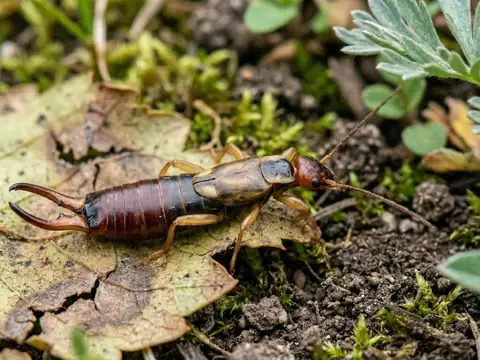
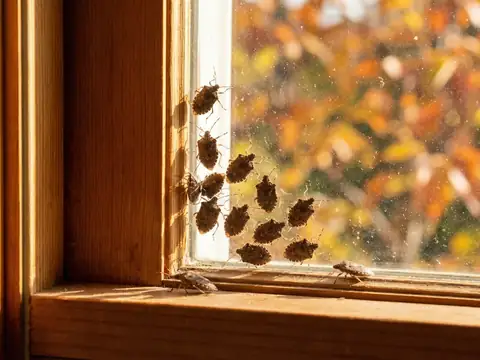
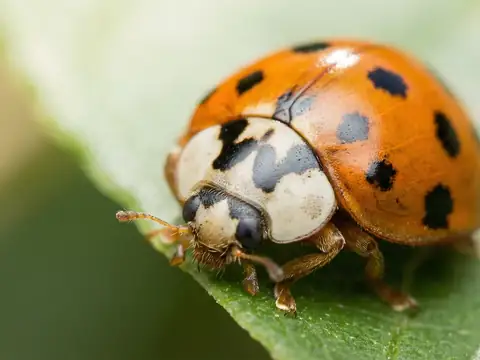
Similar Pests
Learn about other pests in this category
Related Guides
Expert articles related to centipedes in Idaho
 Pest Identification
House Centipedes in Idaho: What They Are, Why They're in Your Boise Home, and How to Stop Them (2026 Guide)
Read Article Pest Identification
Box Elder Bugs in Boise: How to Stop the Fall Swarm Before They Move Into Your Home (2026 Update)
Read Article Pest Identification
Elm Seed Bugs in Idaho (June 2026 Update): Why Boise Homes Are Covered Right Now and How to Stop the Invasion
Read Article
Think You Have Centipedes?
Call and we'll talk through your options. We usually get out within 24 to 48 hours.
Quarterly plans starting at
$119/quarter
- No-Obligation Quote
- Locally Owned
- Free Re-Service Between Visits
Our Pest Control Services
Complete pest protection. Professional solutions for every pest problem, on a quarterly plan or a one-time visit.
General Pest ControlLearn More
Year-round protection packages
Ant ControlLearn More
Carpenter & pavement ants
Spider ManagementLearn More
Black widows & hobo spiders
Rodent ControlLearn More
Mice, rats & voles
Wasp & HornetLearn More
Nest removal & prevention
Mosquito & OutdoorLearn More
Mosquitos, ticks & fleas
Eco-FriendlyLearn More
Pet & kid safe options
CommercialLearn More
Business & warehouse
Proudly Serving the Treasure Valley
Local technicians from the Treasure Valley, in Boise, Meridian, and surrounding communities.
Pest Control Resources
Expert tips & guides. Local pest knowledge from Boise's trusted exterminators