Quick answer
Silverfish are silver-gray, teardrop-shaped insects that wiggle like a fish and hide in humid bathrooms, basements, and cardboard boxes. In Boise's dry climate, they only survive where moisture collects, so their presence usually signals a humidity problem. Drop indoor humidity below 50%, seal entry points, and treat established colonies to get rid of them. Green Guard treats silverfish across the Treasure Valley starting with a $49 initial service.
Key Takeaways
- Silverfish need 75%+ humidity to breed. Drop indoor humidity below 50% and the population crashes.
- They damage books, wallpaper, cotton and linen fabrics, and pantry starches like flour and cereal.
- Cardboard boxes are the #1 way silverfish move into Boise homes. Swap to sealed plastic totes.
- A dehumidifier plus sealed entry points usually clears a light infestation in 30 to 60 days.
- If you see silverfish in more than one room or during the day, the colony is established. Call a pro.
In this article

Silverfish in Boise: What You're Actually Dealing With
If you spotted a silver, fish-shaped bug scurrying across the bathroom floor at 2 AM, you probably have silverfish. Most Boise homeowners find them one of two ways. Flip on a bathroom light late at night and see them scatter. Or open a cardboard box in the garage that's been sitting for a year and find a colony living inside.
Silverfish are unsettling but not dangerous. They don't bite, don't sting, and don't spread disease. What they will do is chew through book bindings, wallpaper paste, cotton clothes, and pantry starches. And if you're seeing them more than once in a while, they're telling you something important: you have a humidity problem somewhere in your home.
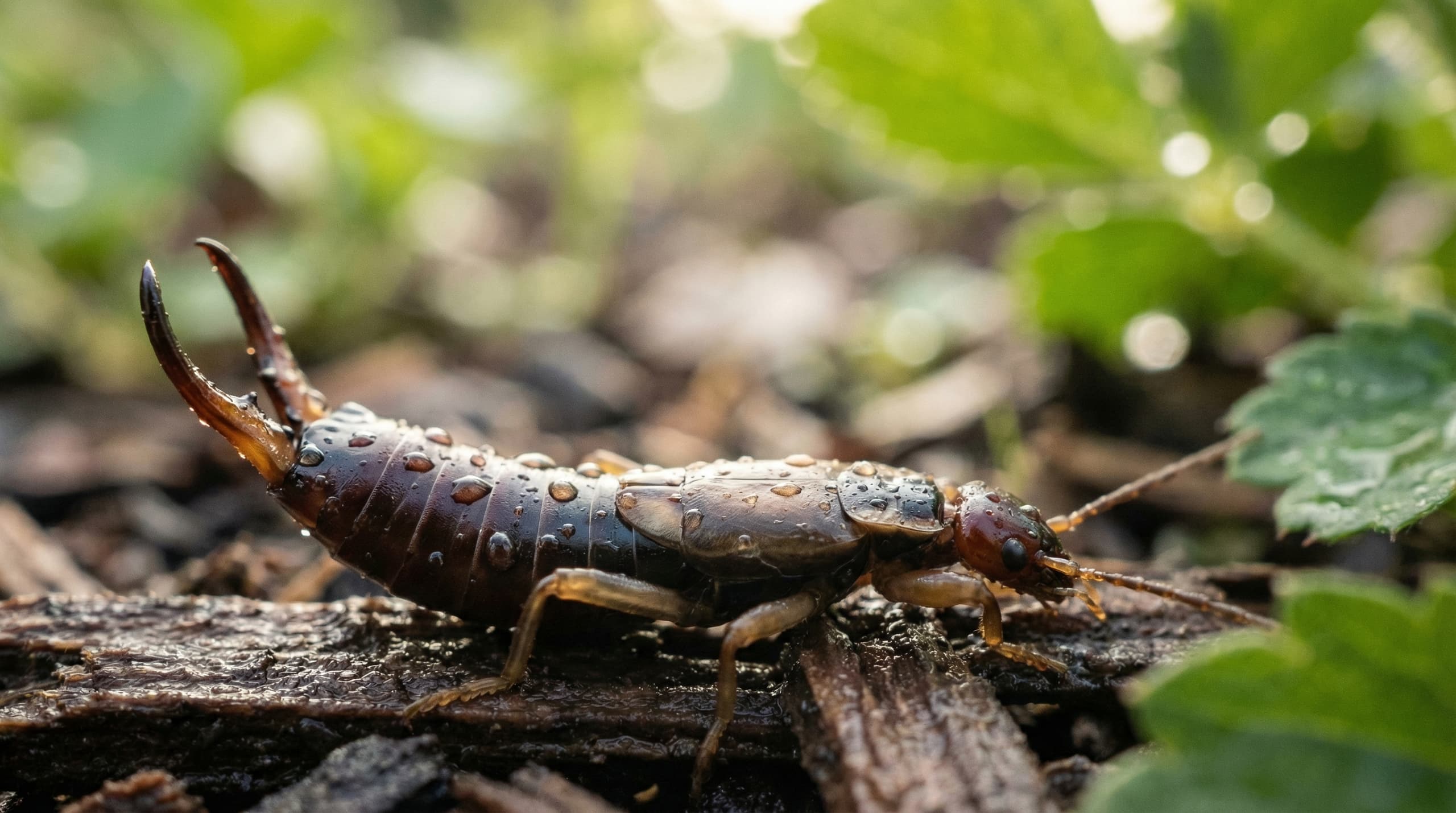
Green Guard has served 2,500+ Treasure Valley homes since 2010. This guide to silverfish control in Boise covers what they look like, why they show up in a dry-climate city, where they hide, what they damage, and how to get rid of them for good. If you also have earwigs showing up alongside them, they usually share the same humid hiding spots. Start with identification.
How to Identify a Silverfish
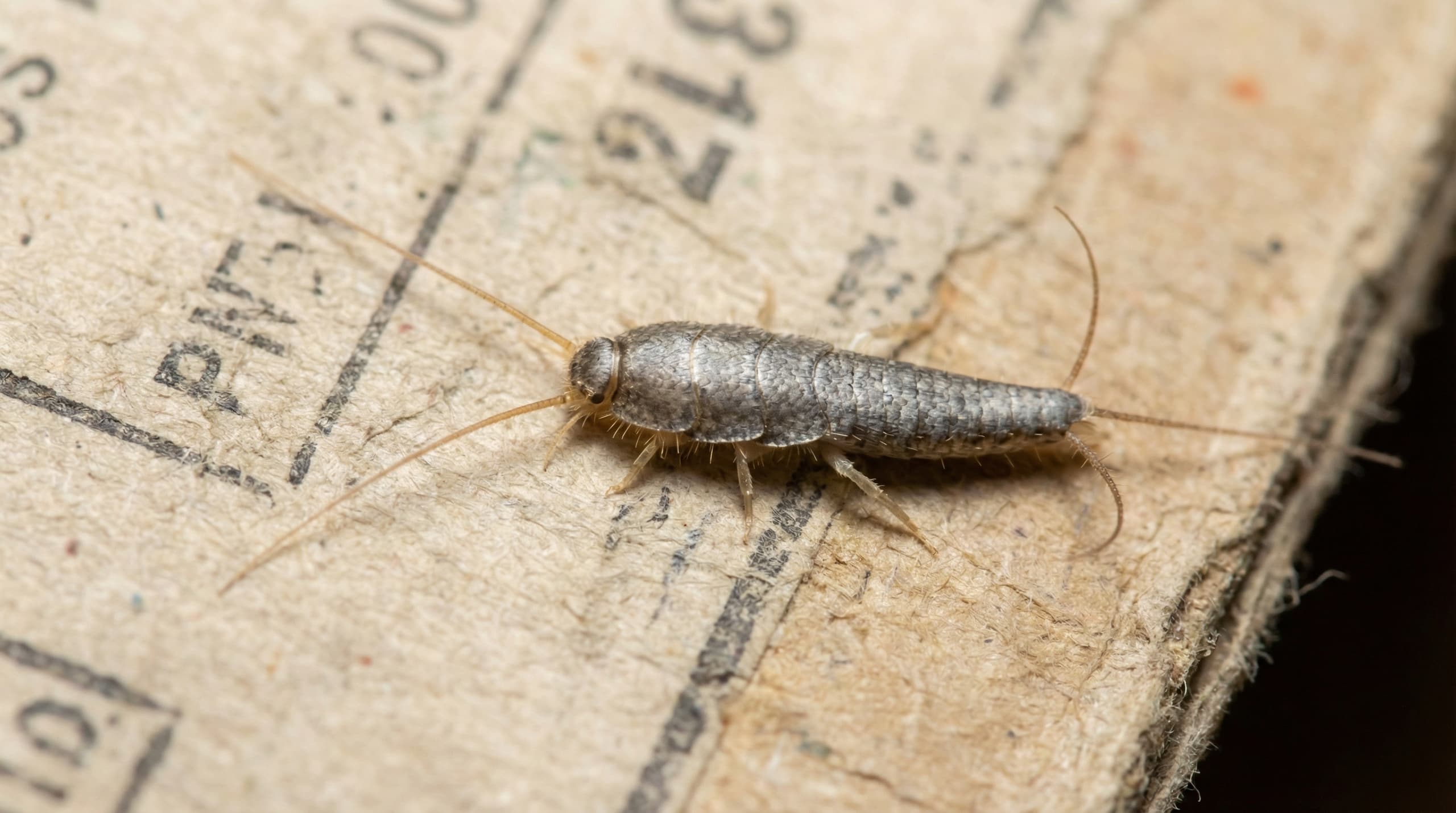
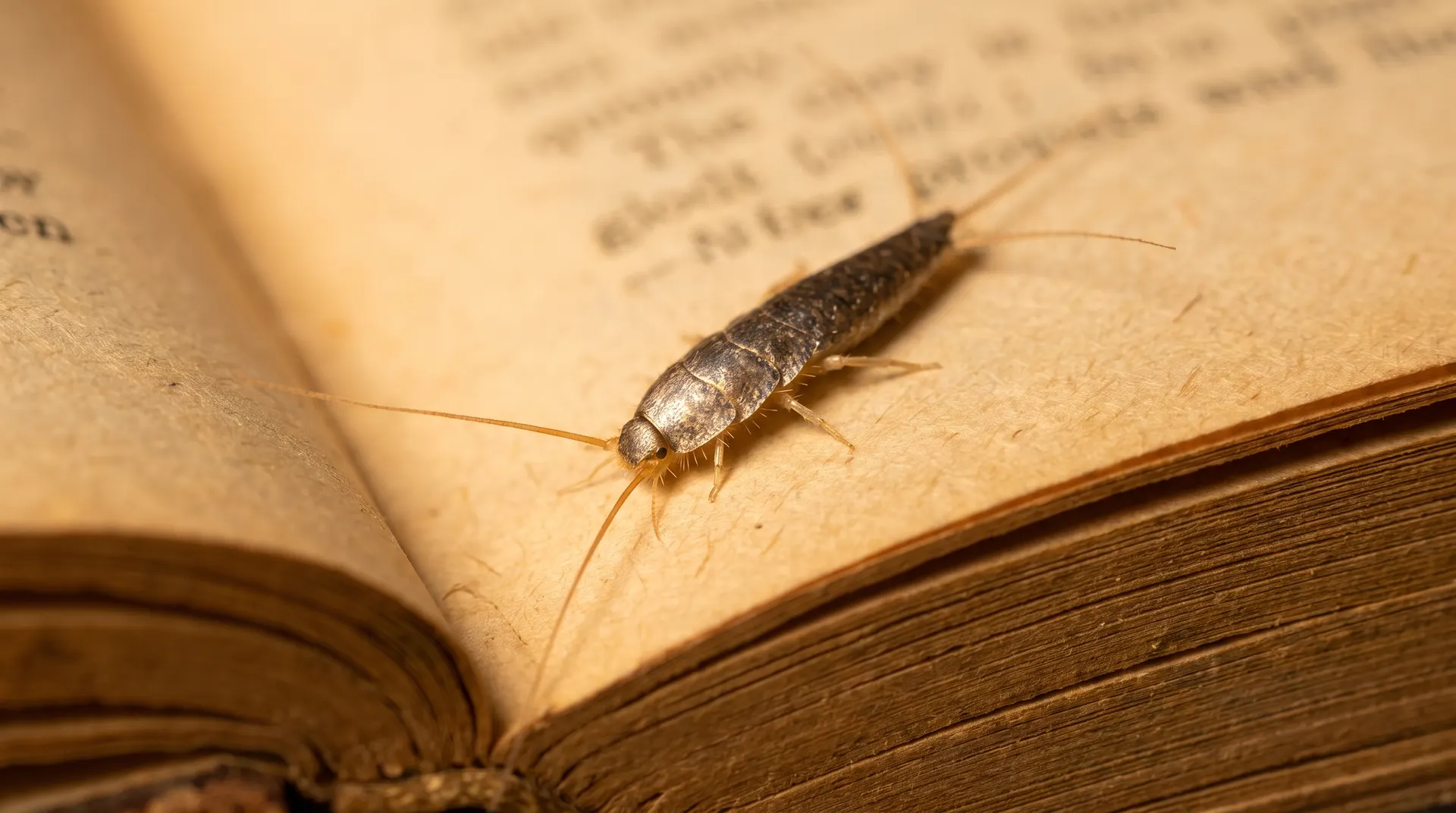
Silverfish are easy to spot once you know what to look for. Adults measure 12 to 19 millimeters long, about the length of a paperclip laid flat. They look like a tiny prehistoric fish with legs. Here's the full ID checklist:
- Silver-gray metallic scales that shimmer when light hits them (that's where the name comes from).
- Carrot or teardrop body shape. Wide at the head, tapered to a point at the tail.
- Three long bristles at the rear plus two long antennae up front. Six appendages total, all obvious.
- Wiggling, side-to-side movement when they scurry. Genuinely fish-like, not the straight scoot of a roach.
- Nocturnal. You almost never see them in daylight. Flip a light on at 2 AM and they scatter.
- No wings. If it's flying, it's not a silverfish.
Why You're Seeing Silverfish in Your Boise Home
Boise's climate is genuinely tough on silverfish. They need 75% humidity or higher to breed, and our high-desert summer air often sits below 20%. So how are they surviving in your house?
Two reasons. They hitched a ride inside on something you brought home, and your home has at least one humid pocket where they've settled in.
Silverfish get transported indoors on used books, old cardboard boxes, secondhand furniture, and stored holiday decorations. Estate sale finds are a classic culprit. Once inside, they hunt for humidity, and every Boise home has at least one damp spot they can call home.
The usual suspects around the Treasure Valley: bathrooms without a working vent fan, basements with slow foundation seepage, laundry rooms, under-sink cabinets with a slow drip, and attic corners where winter roof condensation collects. Older Boise neighborhoods like the North End, Depot Bench, and historic Nampa tend to have more of these humid pockets because the plumbing and ventilation are older too. A fast, long-legged bug in those same spots is usually a house centipede, which hunts silverfish and signals the same excess moisture.
Summer is when a lot of Boise and Meridian homeowners first spot them. Summer heat drives silverfish deeper into humid interior spaces, and homeowners cleaning out garages and basements for summer projects find them by the dozens.
Where Silverfish Hide in Boise Homes
Silverfish stick to dark, humid, undisturbed spots. If you want to find them, check these places with a flashlight after dark:
- The master bathroom. Under the vanity, behind the toilet, and inside the cabinet where you store toilet paper and towels.
- Basement corners. Especially near the water heater, sump pump, or any wall showing moisture staining.
- The garage. Cardboard boxes of old paperwork, holiday decorations, and stored books are prime silverfish real estate.
- Attic storage. Old insulation, boxes of photo albums, and stored clothing.
- Under the kitchen sink. Especially if there's a slow drip you've been ignoring.
- The laundry room. Behind the washer or dryer where lint and moisture collect.
- Bookshelves. Tucked behind old paperbacks and hardcovers, especially ones you inherited or bought used.
- Wallpaper seams. Silverfish eat the paste from behind. If you peel back a loose edge, you'll often find them.
What Silverfish Actually Damage
Silverfish eat starches. That's the short version. In practical terms, they go after:
- Books and paper goods. Book bindings, page edges, old letters, tax records, and photo albums. They chew jagged, irregular holes and leave yellowish stains behind.
- Wallpaper. Not the paper itself, but the starchy paste behind it. You'll see the wallpaper bubbling or peeling before you see the bugs.
- Starchy fabrics. Linen, cotton, silk, and rayon. Especially clothes stored long-term in cardboard boxes or wooden trunks.
- Pantry starches. Flour, oats, cereal, dry pasta, and pet food kibble. These are the same stored foods that attract pantry moths. Anything with grain starch is fair game.
- Cardboard boxes. The boxes themselves get chewed, not just what's inside.
- Old photos and artwork. Anything with old paper-backed matting or starch-based adhesives.
How to Get Rid of Silverfish Yourself
For a light silverfish problem, you can knock the population back on your own. It comes down to two things. Dry out their hiding spots and cut off their entry points.
- Run a dehumidifier in your bathroom, basement, or wherever you're seeing them. Target below 50% relative humidity. A cheap hygrometer is $10 at any hardware store. Get one and know your numbers.
- Ditch the cardboard. Move stored items into clear plastic totes with sealing lids. Cardboard is silverfish rent-free housing plus a food source.
- Fix leaks. That drippy sink, running toilet valve, or slow-drain condensate line is why they moved in.
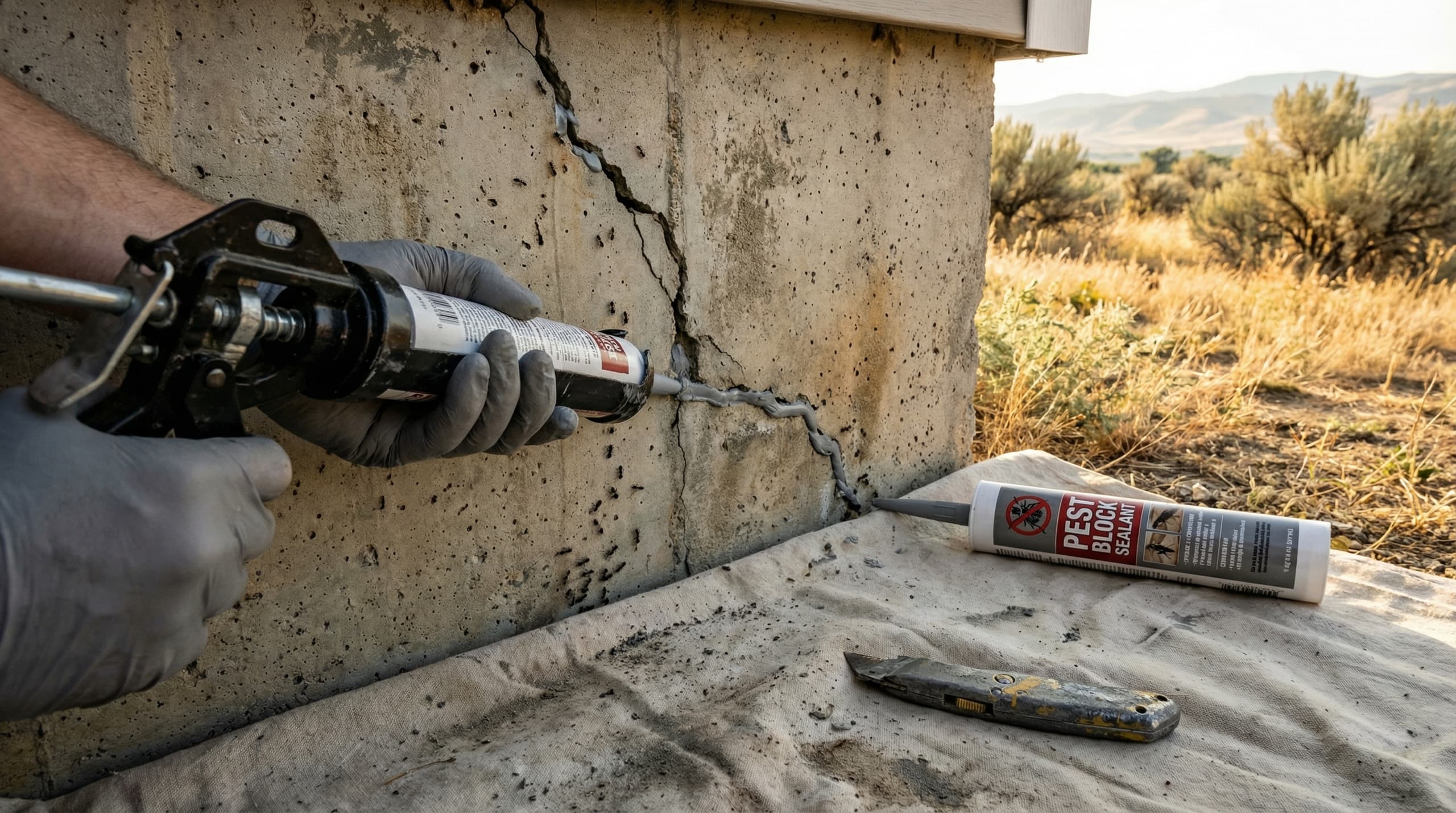
- Seal entry points around baseboards, floor drains, plumbing gaps, and the sill plate in your basement. A tube of silicone caulk goes a long way.
- Vacuum aggressively in problem areas. Get behind furniture, along baseboards, and inside closets. Empty the vacuum canister outside.
- Sticky traps along baseboards catch stragglers and tell you if the population is dropping over the following weeks.
- Silica dust or diatomaceous earth in wall voids and behind baseboards works well on silverfish. Wear a mask when you apply it and keep pets and kids out of the room.
When You Need Professional Silverfish Control in Boise
Silverfish reproduce slowly compared to roaches or ants. If you cut off their moisture and food, a light population dies off within 30 to 60 days. Consistency matters more than any single product.
That said, DIY doesn't work when the colony is already established. Here's how to tell the difference.
If you're seeing silverfish in more than one room, spotting them during the daytime, or finding actual chewing damage on books, wallpaper, or stored fabrics, the colony has been living there a while. There are hidden nests you're not going to find on your own, and they're breeding faster than sticky traps can catch them.
At that point, professional treatment is the fastest fix. Our technicians use crack and crevice application inside silverfish hiding spots, treat baseboards and wall voids where colonies actually live, and hit the moisture-prone areas that DIY methods miss. The organic-based products we use are safe for kids and pets once dry, the same hospital-grade formulations used in daycares.
Most Boise silverfish problems clear up within 24 to 48 hours of the first treatment. Ongoing quarterly service keeps them from coming back once the colony is gone.
What Silverfish Control Costs With Green Guard
| Plan | Home size | Price |
|---|---|---|
| Initial Service with a quarterly or bimonthly plan | Any home size | $49 |
| Quarterly Service | Up to 2,500 sq ft | $119 |
| 2,501 to 4,000 sq ft | $139 | |
| 4,001 to 5,500 sq ft | $159 | |
| Bimonthly Service | Up to 2,500 sq ft | $99 |
| 2,501 to 4,000 sq ft | $119 | |
| 4,001 to 5,500 sq ft | $139 | |
| One-Time Service | Up to 2,500 sq ft | $200 |
| 2,501 to 4,000 sq ft | $225 | |
| 4,001 to 5,500 sq ft | $250 |
Silverfish Control in Boise from Green Guard
If silverfish are showing up faster than you can vacuum them, we can help. Green Guard has treated silverfish in bathrooms, basements, and garages across Boise, Meridian, Nampa, Eagle, and the rest of the Treasure Valley since we opened.
Your first treatment is $49 for subscription customers. That includes a full inspection, species ID, targeted interior treatment in silverfish hiding spots, an exterior perimeter barrier, and a plan to keep them from coming back. Ongoing quarterly service runs $119 to $159 depending on your home size.
Every service comes with our free re-service guarantee. If silverfish show up between scheduled visits, we come back free. No extra charge, no runaround.
Ready to get rid of silverfish for good? Call us at (208) 297-7947 or book online. Same-day service is often available.
Frequently Asked Questions
Are silverfish dangerous to people or pets?
Quick answerNo.
Silverfish don't bite, don't sting, and don't spread disease. They also don't damage your foundation or wiring. The real concern is what they eat: books, wallpaper paste, starchy fabrics, and pantry goods. Their shed skins can trigger mild allergies in a few sensitive people, but that's the extent of the health risk.
Where do silverfish come from in the first place?
Quick answerAlmost always from something you brought inside.
Used books, secondhand furniture, old cardboard boxes, and estate sale purchases are the top ways silverfish enter Boise homes. Once inside, they find a humid pocket (a bathroom, a basement corner, an under-sink cabinet) and stay put. Boise's dry summer air can't sustain a silverfish population outdoors, so they aren't wandering in from the yard.
What smell or scent do silverfish hate?
Quick answerCedar, cinnamon, and lavender all repel silverfish to some degree.
Cedar chips in stored boxes and closets are the most practical option. Just understand that scented repellents don't kill an established colony. They discourage new silverfish from moving in and buy you a little time while you fix the underlying moisture problem.
How long does it take to get rid of silverfish?
Quick answerWith professional treatment, most silverfish problems clear up in 24 to 48 hours.
If you're going the DIY route with a dehumidifier and entry-point sealing, expect 30 to 60 days for the population to die off naturally. Patience and consistency matter more than any single product. Silverfish breed slowly, so cutting off moisture and food will win the war.
Does seeing silverfish mean I have a bigger problem?
Quick answerUsually, yes.
Silverfish need 75%+ humidity to breed, so their presence is a signal that something in your home is holding moisture where it shouldn't. Common culprits: a bathroom vent fan that doesn't work, a slow drip under the sink, foundation seepage in the basement, or roof condensation trapped in the attic. Fix the moisture and the silverfish problem shrinks fast.