
Occasional Invaders
Sowbugs & Pillbugs
Armadillidium vulgare (pillbug), Porcellio laevis (sowbug)
IdentificationHow to Identify Sowbugs & Pillbugs
Quick Answer
Sowbugs and pillbugs (roly-polies) are crustaceans, not insects. They're closer cousins to shrimp and crabs than to anything else in your yard.
Full identification notes
Pillbugs roll into a ball when disturbed; sowbugs cannot. Both have segmented, oval bodies with seven pairs of legs and two tail-like appendages (more visible on sowbugs).
Free
Re-Service Between Visits
4.9/5
Google Rating
9 to 5
Office Hours, Mon to Fri
Sowbugs & Pillbugs Behavior & Habits
Understanding how sowbugs & pillbugs behave helps prevent infestations
These creatures require moisture and die quickly in dry conditions.
More about their habits
They eat decaying plant material and are typically found in damp areas under debris, mulch, and stones. They enter homes seeking moisture when outdoor conditions become dry.
Sowbugs & Pillbugs Risks & Dangers
What sowbugs & pillbugs can do to your health and property
Health Risks
Sowbugs and pillbugs don't bite, sting, or transmit diseases.
Property Damage
No damage to structures or belongings.
Full health and property details
Health Risks
They're completely harmless to humans and pets.
Property Damage
They may occasionally damage tender plant seedlings but are primarily decomposers of dead plant material.
Signs of Sowbugs & Pillbugs Infestation
Look for these indicators in your home
Signs You Have Sowbugs & Pillbugs
What homeowners spot first
- Gray oval creatures under pots or debris
- Roly-poly bugs curling into balls when poked
- Activity in damp basement and crawlspace areas
More signs to look for
- Concentrations under mulch within 6 inches of the foundation
- Dead ones along garage door tracks and basement window wells
Sowbugs & Pillbugs in Boise & the Treasure Valley
Most of our sowbug and pillbug calls in the Treasure Valley land between late June and September, when the summer dry-down pushes them off the lawn and toward the cool, damp slab at the foundation.
More on what we see locally
We see the heaviest pressure in canal-side neighborhoods like Garden City, the Boise Bench, and Eagle Island, plus older Nampa and Caldwell homes where heavy bark mulch sits pushed right up against the stem wall. They almost always turn up in the same three places: under mulch within 6 inches of the foundation, behind landscaping rock that traps irrigation moisture, and on basement floors right after a heavy sprinkler cycle.
How We Handle Sowbugs & Pillbugs
What our approach looks like
We work a 3-foot dry barrier around the foundation, pull mulch back from the stem wall during the inspection, and treat the harborage spots right up against the house (under rocks, behind hose bibs, at downspout splash zones).
Our full approach
Indoor stragglers get spot-treated, but the real fix is cutting off the outdoor population. Most basement activity stops within a week once the perimeter is treated and the moisture source is identified. Your first visit is $49 with quarterly service.
How to Prevent Sowbugs & Pillbugs
Steps you can take to reduce the risk of infestation
- Reduce moisture around foundation
- Keep mulch at least 6 inches from foundation
- Remove leaf litter and debris near home
More prevention steps
- Fix leaky outdoor faucets
- Improve drainage around home
- Ventilate crawlspaces and basements
Sowbugs & Pillbugs Questions Answered
Common questions about identification, prevention, and treatment
Call (208) 297-7947Are roly-polies harmful?
Quick answerNo.
Pillbugs (roly-polies) are completely harmless. They don't bite, spread disease, or damage property. They're actually beneficial decomposers that help break down dead plant material in gardens.
Why are they in my basement?
Quick answerSowbugs and pillbugs need constant moisture to survive.
If they're showing up in your basement, you have a moisture problem somewhere. The usual culprits we find in Treasure Valley homes are a slow foundation leak, an over-irrigated flower bed against the stem wall, or water wicking through a cinder-block wall during the summer watering season.
Are these actually bugs?
Quick answerNo!
Sowbugs and pillbugs are crustaceans, closely related to crabs, lobsters, and shrimp. They breathe through gill-like structures, which is why they require moist environments.
Similar Pests
Learn about other pests in this category
Related Guides
Expert articles related to sowbugs & pillbugs in Idaho
 Pest Identification
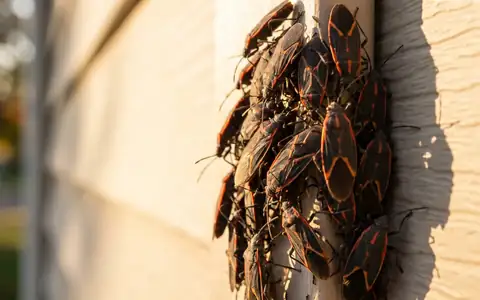
Box Elder Bugs in Boise: How to Stop the Fall Swarm Before They Move Into Your Home (2026 Update)
Read Article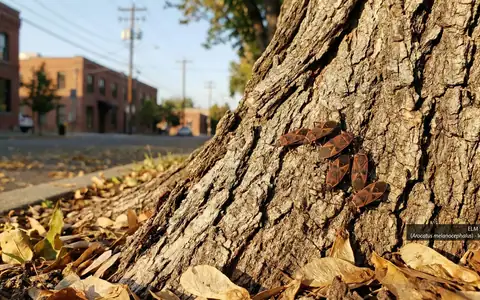 Pest Identification
Elm Seed Bugs in Idaho (June 2026 Update): Why Boise Homes Are Covered Right Now and How to Stop the Invasion
Read Article Seasonal Guide
Idaho Pest Calendar 2026: What's Invading Boise Homes Month by Month
Read Article
Think You Have Sowbugs & Pillbugs?
Call and we'll talk through your options. We usually get out within 24 to 48 hours.
Quarterly plans starting at
$119/quarter
- No-Obligation Quote
- Locally Owned
- Free Re-Service Between Visits
Our Pest Control Services
Complete pest protection. Professional solutions for every pest problem, on a quarterly plan or a one-time visit.
General Pest ControlLearn More
Year-round protection packages
Ant ControlLearn More
Carpenter & pavement ants
Spider ManagementLearn More
Black widows & hobo spiders
Rodent ControlLearn More
Mice, rats & voles
Wasp & HornetLearn More
Nest removal & prevention
Mosquito & OutdoorLearn More
Mosquitos, ticks & fleas
Eco-FriendlyLearn More
Pet & kid safe options
CommercialLearn More
Business & warehouse
Proudly Serving the Treasure Valley
Local technicians from the Treasure Valley, in Boise, Meridian, and surrounding communities.
Pest Control Resources
Expert tips & guides. Local pest knowledge from Boise's trusted exterminators