
Occasional Invaders
Springtails
Collembola order
IdentificationHow to Identify Springtails
Quick Answer
Springtails are tiny, wingless arthropods with a forked tail-like structure (furcula) that allows them to jump. They're often mistaken for fleas but don't bite.
Full identification notes
They may appear in large numbers, especially near moisture sources or in potted plant soil.
Free
Re-Service Between Visits
4.9/5
Google Rating
9 to 5
Office Hours, Mon to Fri
Springtails Behavior & Habits
Understanding how springtails behave helps prevent infestations
Springtails thrive in damp conditions and feed on mold, fungi, and decaying organic matter.
More about their habits
They're found in soil, leaf litter, and anywhere moisture accumulates. They can appear suddenly in huge numbers, especially after rain or in homes with moisture problems.
Springtails Risks & Dangers
What springtails can do to your health and property
Health Risks
Springtails don't bite, sting, or spread disease.
Property Damage
No property damage.
Full health and property details
Health Risks
They're completely harmless to humans, pets, and household items.
Property Damage
They don't eat structures, fabrics, or food. They're purely a nuisance when appearing in large numbers.
Signs of Springtails Infestation
Look for these indicators in your home
Signs You Have Springtails
What homeowners spot first
- Tiny jumping insects near sinks or tubs
- Masses of small creatures in potted plant soil
- Concentrations near water sources
More signs to look for
- Small creatures on bathroom floors after showers
- Clusters along damp crawlspace vents or basement walls
Springtails in Boise & the Treasure Valley
In the Treasure Valley, most of our springtail calls hit in late spring (April-May) after the snowmelt soaks foundation beds and again in mid-summer when sprinkler systems overspray the stem wall.
More on what we see locally
We see them most in older Boise neighborhoods like the North End and Boise Bench where homes have vented crawlspaces, and in newer Meridian and Eagle subdivisions where heavy clay soils trap irrigation water against the foundation. Overwatered houseplants are the single most common indoor trigger we find.
How We Handle Springtails
What our approach looks like
Springtail control focuses on moisture reduction first.
Our full approach
Treatment alone won't work if the humidity problem stays. We identify and address moisture sources, treat affected areas, and may need to treat outdoor harborage sites. Drying out the environment is the most important step.
How to Prevent Springtails
Steps you can take to reduce the risk of infestation
- Fix all plumbing leaks
- Use exhaust fans in bathrooms
- Allow soil to dry between waterings
More prevention steps
- Reduce organic mulch near foundation
- Improve drainage around home
- Address any moisture problems
Springtails Questions Answered
Common questions about identification, prevention, and treatment
Call (208) 297-7947Are springtails the same as fleas?
Quick answerNo.
Springtails and fleas both jump, but springtails don't bite and are completely harmless. Springtails are white/gray, live in moist areas, and don't stay on pets or people. Fleas are brown, bite, and live on hosts.
Why are there thousands of springtails suddenly?
Quick answerSpringtail populations can explode when conditions are right (moisture + food).
Heavy rain, overwatering, or flooding can trigger mass emergence. They may migrate indoors when outdoor areas become too wet or too dry.
Will they go away on their own?
Quick answerYes, if moisture is eliminated.
Springtails require high humidity to survive. Fix leaks, improve ventilation, allow soils to dry, and they'll die off or leave within days to weeks.
Similar Pests
Learn about other pests in this category
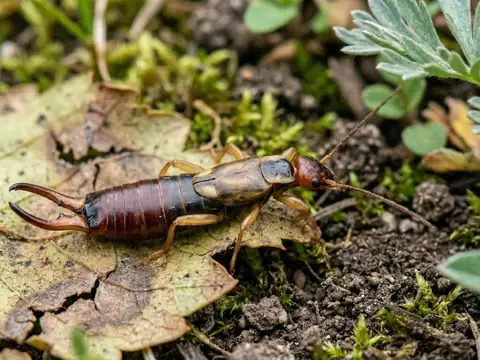
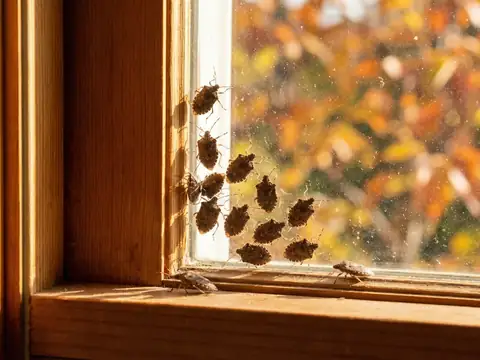
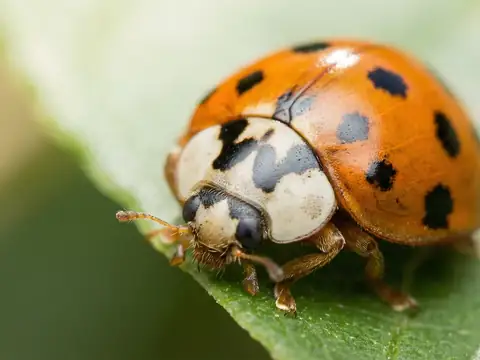
Related Guides
Expert articles related to springtails in Idaho
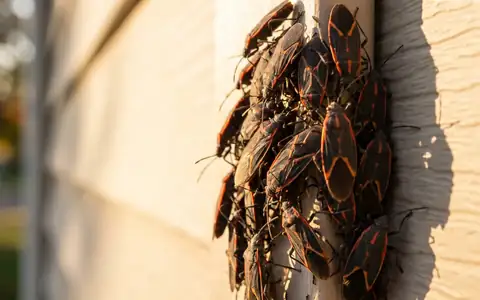 Pest Identification
Box Elder Bugs in Boise: How to Stop the Fall Swarm Before They Move Into Your Home (2026 Update)
Read Article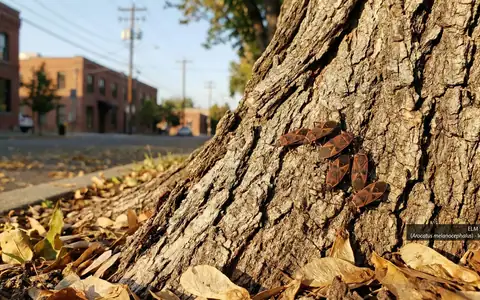 Pest Identification
Elm Seed Bugs in Idaho (June 2026 Update): Why Boise Homes Are Covered Right Now and How to Stop the Invasion
Read Article Seasonal Guide
Idaho Pest Calendar 2026: What's Invading Boise Homes Month by Month
Read Article
Think You Have Springtails?
Call and we'll talk through your options. We usually get out within 24 to 48 hours.
Quarterly plans starting at
$119/quarter
- No-Obligation Quote
- Locally Owned
- Free Re-Service Between Visits
Our Pest Control Services
Complete pest protection. Professional solutions for every pest problem, on a quarterly plan or a one-time visit.
General Pest ControlLearn More
Year-round protection packages
Ant ControlLearn More
Carpenter & pavement ants
Spider ManagementLearn More
Black widows & hobo spiders
Rodent ControlLearn More
Mice, rats & voles
Wasp & HornetLearn More
Nest removal & prevention
Mosquito & OutdoorLearn More
Mosquitos, ticks & fleas
Eco-FriendlyLearn More
Pet & kid safe options
CommercialLearn More
Business & warehouse
Proudly Serving the Treasure Valley
Local technicians from the Treasure Valley, in Boise, Meridian, and surrounding communities.
Pest Control Resources
Expert tips & guides. Local pest knowledge from Boise's trusted exterminators