Quick answer
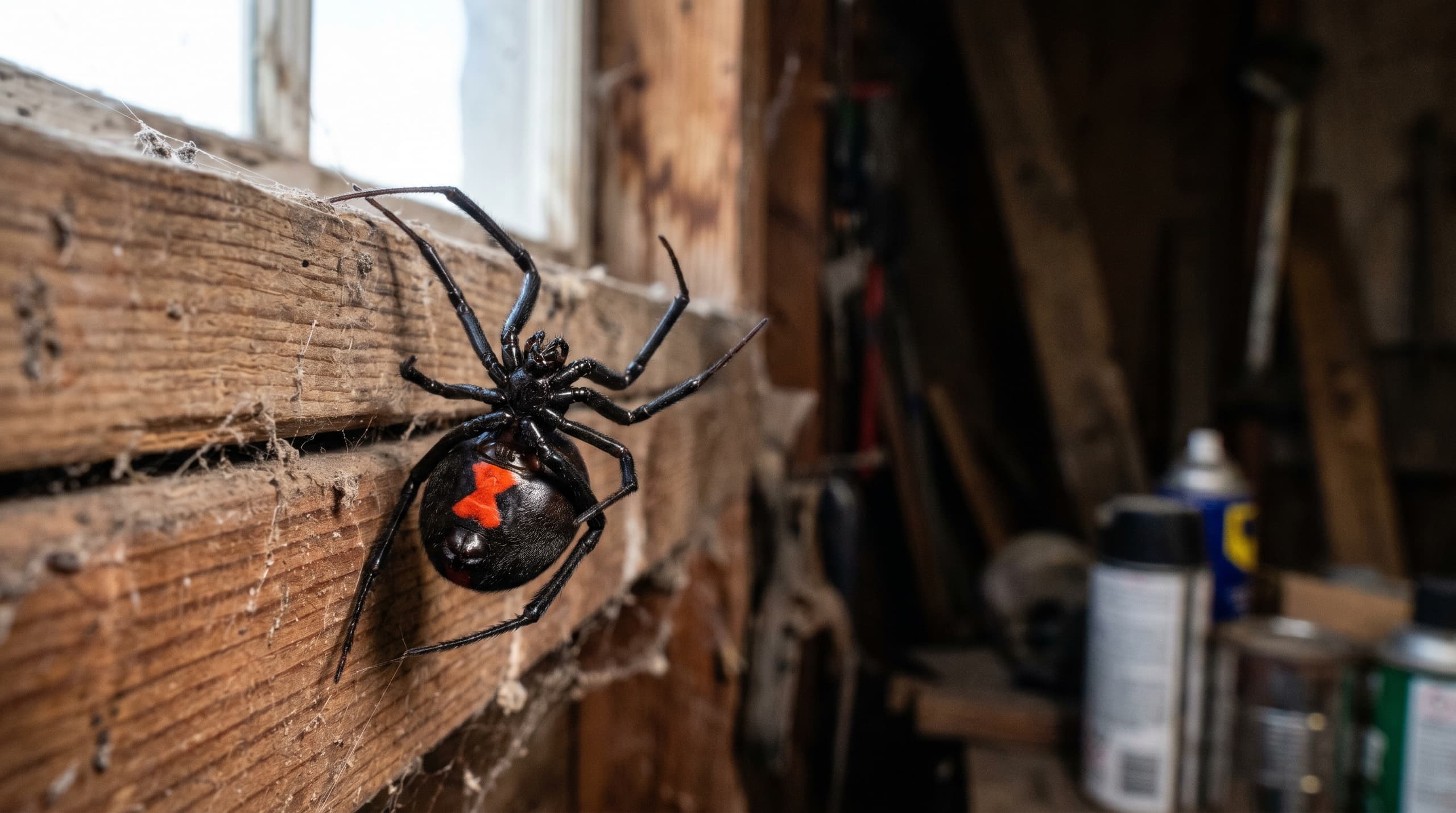
Brown recluse spiders are not established in Idaho. Pacific Northwest extension entomologists confirm there's no self-sustaining population here, so the "brown recluse" Boise homeowners find is almost always a hobo spider, giant house spider, or yellow sac spider. The black widow is the only medically dangerous spider in Idaho. Fall is peak season for spiders moving indoors, and Green Guard's spider treatment starts with a $49 first visit on a quarterly or bimonthly plan. Call (208) 297-7947.
Key Takeaways
- Brown recluse spiders (Loxosceles reclusa) are not established in Idaho. Occasional strays hitchhike in on shipments, but they don't breed here.
- Most 'brown recluse' sightings in Boise are hobo spiders, giant house spiders, or yellow sac spiders. All three are relatively harmless, but you still don't want them in the house. A quarterly perimeter treatment keeps them out.
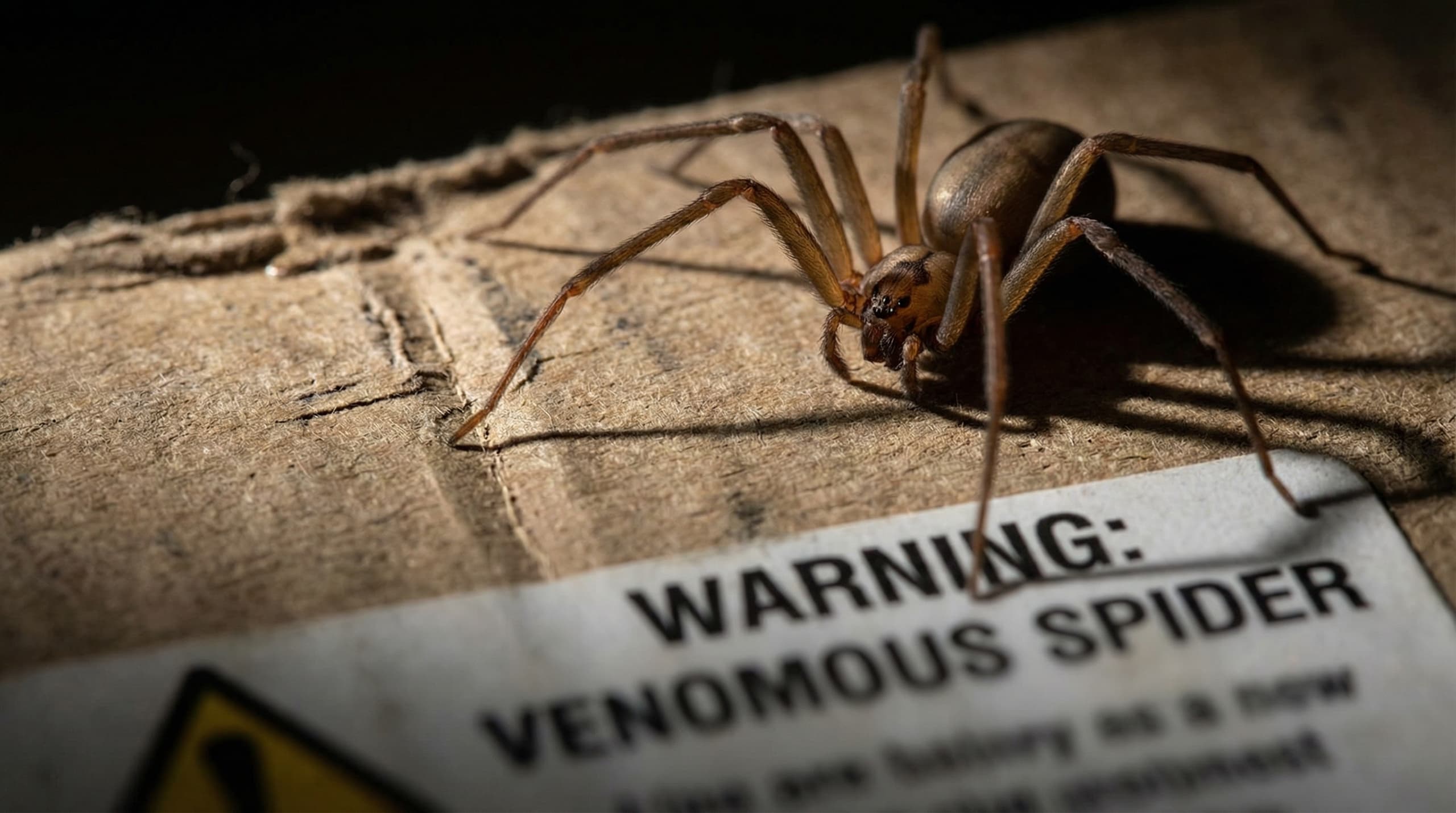
- A real brown recluse has 6 eyes (not 8), uniform tan legs with no bands or stripes, and a violin-shape marking behind the head.
- Black widows are the only medically dangerous spider in Idaho. If a bite triggers spreading muscle cramps, sweating, or belly pain, go to the ER.
- Late August through September is peak spider season in the Treasure Valley. Mature males wander looking for mates, then cooling fall nights push them into garages, basements, and window wells.
In this article

Are Brown Recluse Spiders in Idaho?
No. Brown recluse spiders are not established in Idaho. Their natural range sits in the south-central United States. Think Missouri, Arkansas, Oklahoma, Tennessee, and parts of Texas. Boise is roughly 1,000 miles north and west of the closest breeding population.
Extension entomologists across the Pacific Northwest have said the same thing for years. Every "brown recluse" a Boise homeowner brings in for ID turns out to be something else. Almost always a hobo spider, a giant house spider, or a yellow sac spider.
Stray brown recluses do hitchhike in once in a while on moving boxes, produce shipments, or luggage from the South. They don't survive Idaho winters and they don't breed here. As of September 2026, there is still no self-sustaining population anywhere in the state.
Brown spiders that homeowners take for recluses here almost always turn out to be a different species. That's actually good news. The spider on your wall isn't the one from the internet horror stories.
So What Brown Spiders Actually Live in Idaho?
Four brown spiders show up in Boise homes with any regularity. Each one gets misidentified as a brown recluse pretty often. Here's the short version, then we'll dig into the ID differences below.
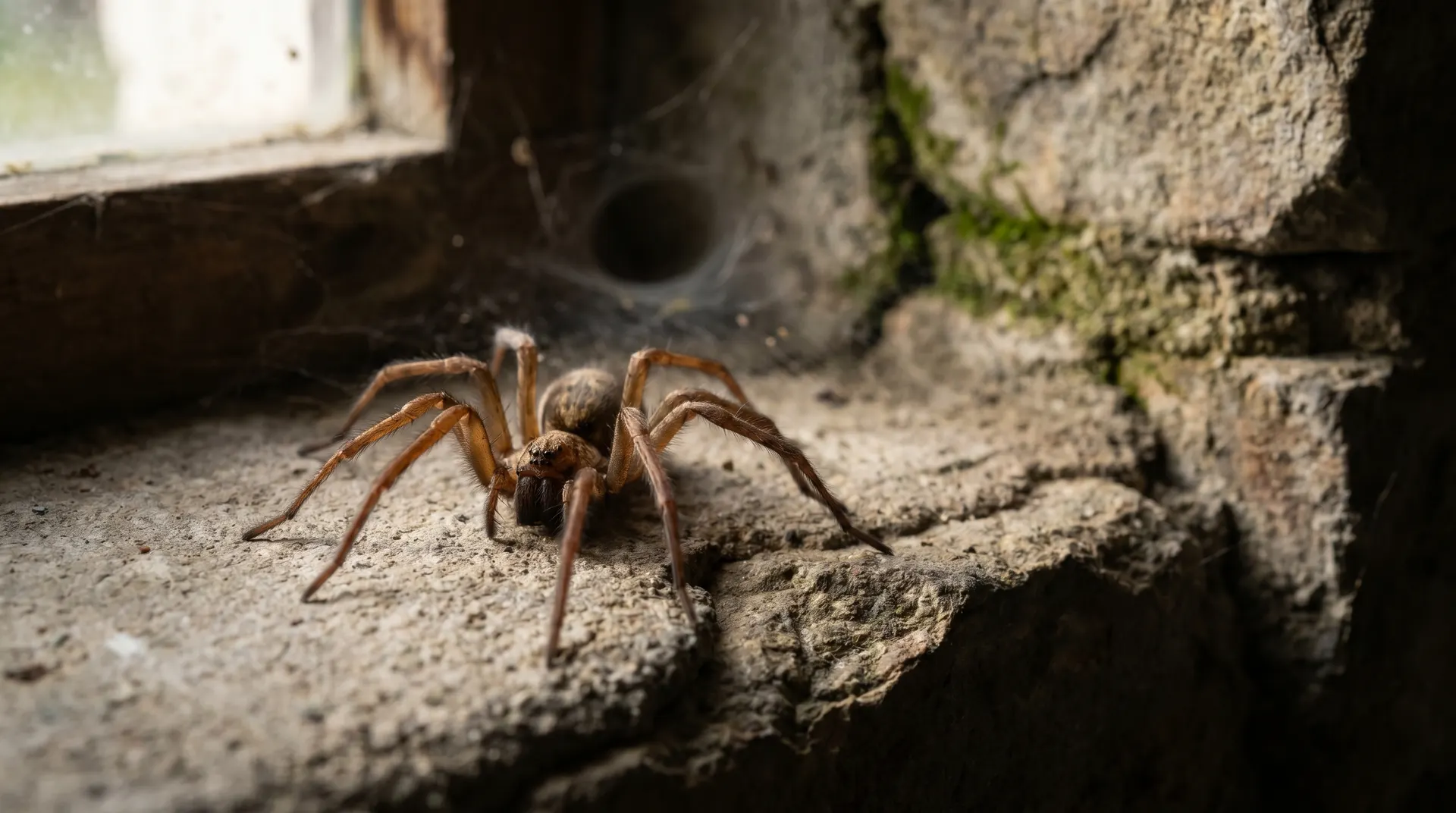
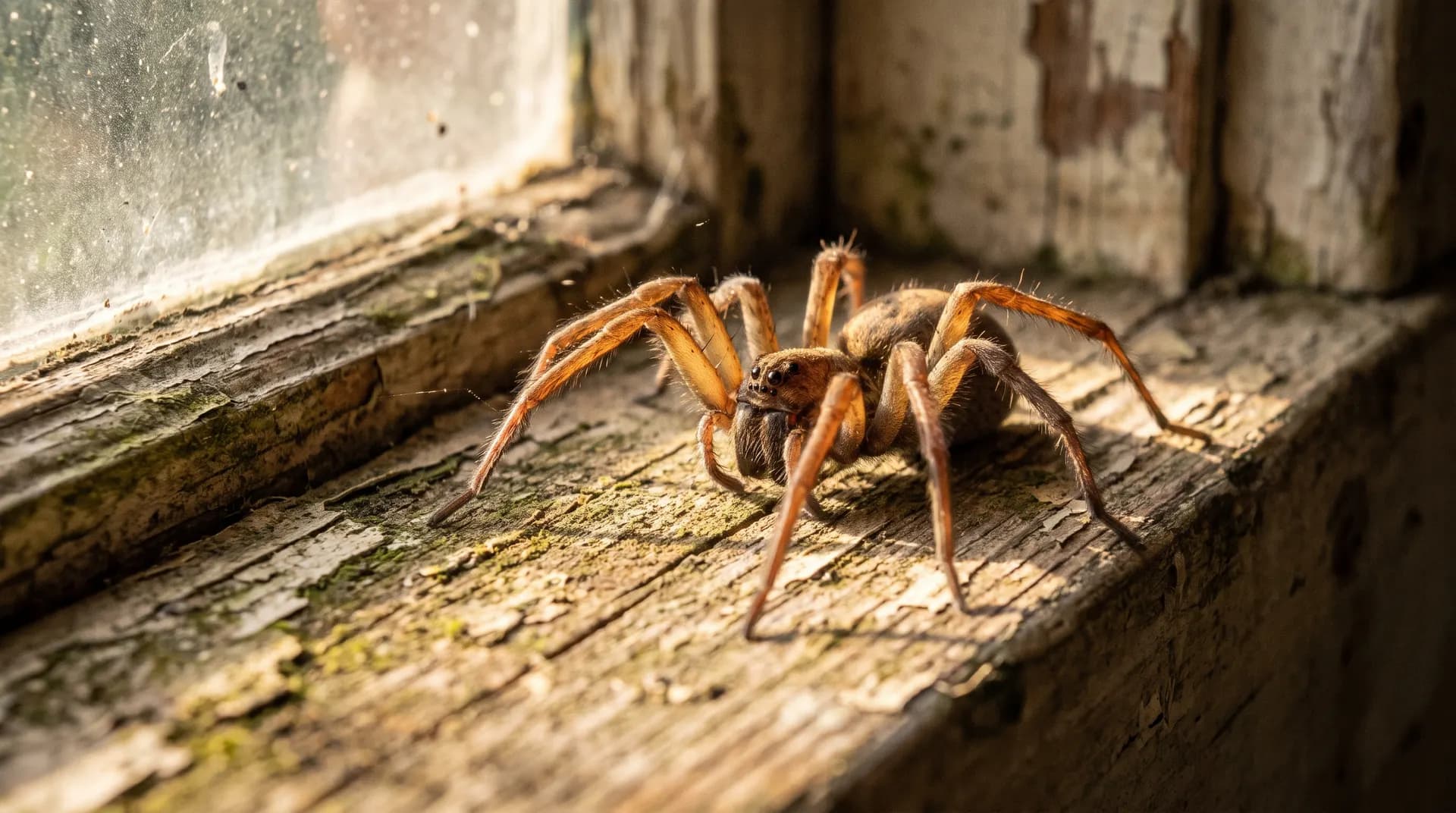
Hobo spider (Eratigena agrestis). Medium-brown, roughly the size of a nickel with legs stretched out. Builds flat funnel webs in cracks, woodpiles, and stone foundations. Very common in older Treasure Valley homes. Read our full hobo spider guide for the deep dive.
Giant house spider (Eratigena atrica). The one that sprints across your basement floor in September. Bigger than the hobo (legs up to 3 inches), same general shape, banded legs. Speed is the giveaway.
Yellow sac spider (Cheiracanthium inclusum). Small (about the size of a pencil eraser), pale yellow to tan, hunts at night. This is the one that leaves little silk sacs in corners where the wall meets the ceiling.
Wolf spiders. Big, hairy, fast, and terrifying if one runs across your foot. Dark brown or grayish with stripes down the back. Bite is bee-sting level and not medically important. We wrote a full wolf spider guide if you keep running into them.
What About the Desert Recluse?
There's a related species called the desert recluse (Loxosceles deserta) that lives in the deserts of southern Nevada, southern California, and southwestern Arizona. Its range does not extend into Idaho. A few unverified reports have popped up near the Nevada/Utah border, but nothing confirmed in the Treasure Valley. For practical purposes, no true recluse of any species lives here.
How to Actually Identify a Brown Recluse (Even Though You Won't Find One Here)
If you've ever gone down a Google image rabbit hole trying to ID a spider in a jar, here's the truth. Most "brown recluse" identifications online are wrong. The real species has four features that set it apart, and you need to check all four.
Six eyes in three pairs. This is the tell pros use. Almost every other house spider has 8 eyes in two rows of four. A brown recluse has 6 eyes arranged in three pairs (one pair in front, one on each side). You need a magnifier or a phone macro lens to see it clearly.
Uniform tan legs. No bands, spots, or stripes. This is the fastest disqualifier for Idaho spiders. Hobo spiders and giant house spiders both have subtle banding or a herringbone belly pattern. If your spider has any leg stripes at all, it isn't a recluse.
Violin marking on the head (cephalothorax). A dark violin or fiddle shape sits behind the eyes with the neck pointing toward the abdomen. This mark exists on other brown spiders too, and it's the single most over-relied-on feature. Alone, the violin isn't enough. You need the eyes AND the legs to match.
Smooth legs, no spines. Brown recluse legs are thin and smooth. Wolf spiders have obvious spiky hairs on their legs. If you see spines, it isn't a recluse.
Quick Idaho Brown Spider ID
| Spider | Eyes | Legs | What Gives It Away |
|---|---|---|---|
| Hobo spider | 8 eyes in two rows | Solid brown, no bands | Flat funnel web in a corner or crack |
| Giant house spider | 8 eyes | Banded, longer than the hobo's | Bigger body, runs fast, thicker web |
| Yellow sac spider | 8 eyes | Pale yellow-tan, thin | Small silk sac in a wall corner at night |
| Wolf spider | 8 eyes (two large front-facing) | Hairy with spines, striped body | Hunts on the ground, no web |
| Brown recluse | 6 eyes in three pairs | Smooth tan, no markings | Would be a first-ever Idaho confirmation |
What to Do If a Brown Spider Bites You in Idaho
Good news first: nearly every brown spider bite in Boise is minor. Bad news: they still hurt, and one Idaho spider bite really is an emergency (that's the black widow). Here's how to sort out which is which.
For any spider bite, start here:
- Wash the bite with soap and water.
- Ice it for 10 minutes at a time to reduce swelling.
- Take an over-the-counter pain reliever if it hurts.
- Watch it for 48 hours.
That's the routine for hobo spider, giant house spider, yellow sac spider, and wolf spider bites. All four heal cleanly for most people within a few days.
When to Actually See a Doctor
Go to urgent care or the ER if any of these show up:
- Spreading redness, warmth, or pus (that's infection, not spider venom)
- A blister or open sore that keeps getting bigger after 48 hours
- Fever, chills, or nausea after the bite
- Any bite you're not sure is healing normally
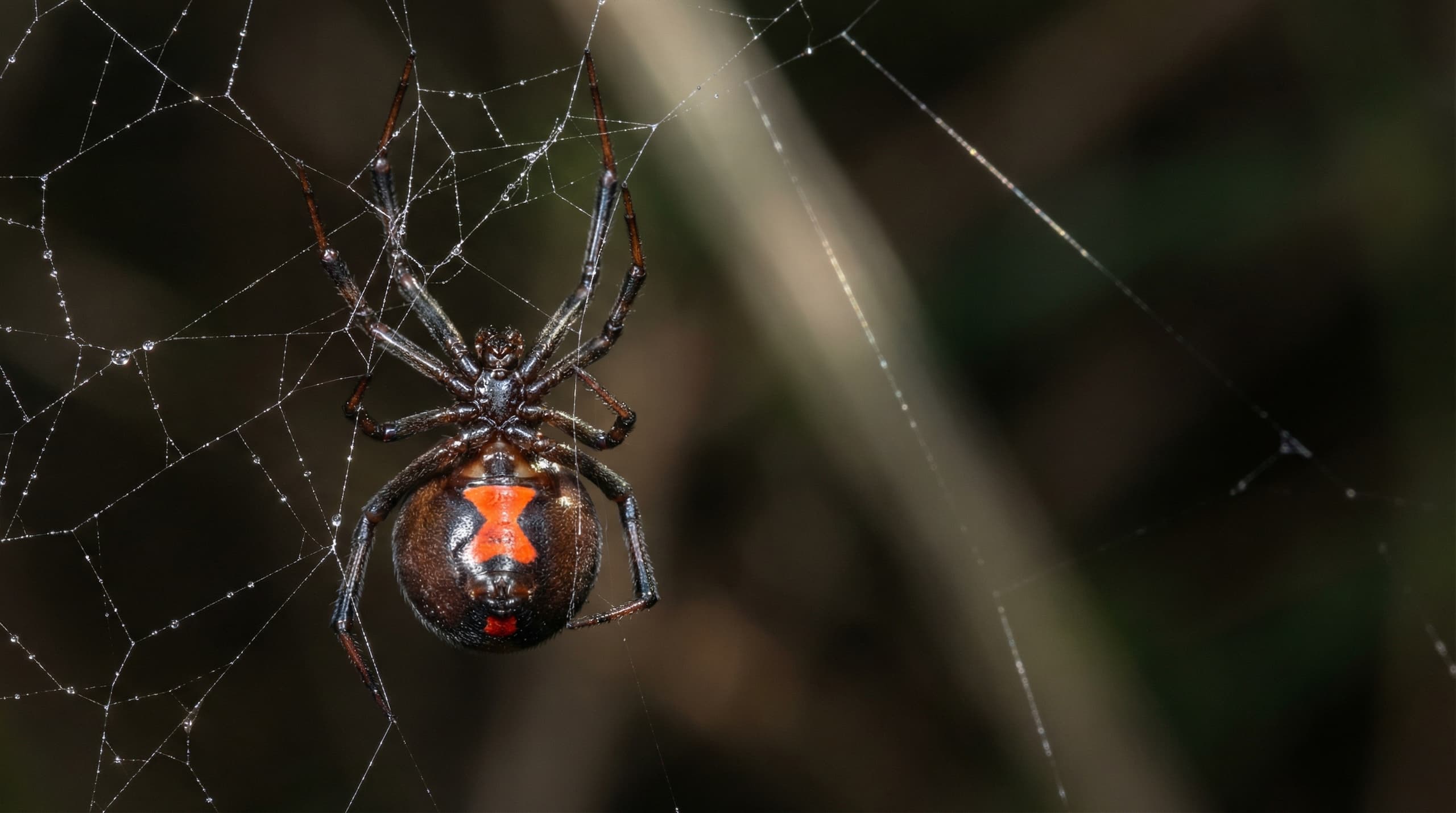
Black widow bites are a completely different story. If the bite starts with a sharp pinprick, then within an hour you get spreading muscle cramps, sweating, chest tightness, or abdominal pain that feels like appendicitis, that's a real emergency. Call 911 or head to the ER. Our full black widow safety guide covers the exact warning signs.
Nobody in the Treasure Valley needs to worry about brown recluse necrosis. The spider isn't here. Bite photos labeled "brown recluse" online are usually MRSA infections, staph infections, or reactions to other insect bites that got mislabeled. Doctors and entomologists have been documenting that brown recluse over-diagnosis for years.
Why Are You Finding Brown Spiders in Your Boise Home This Fall?
Fall is peak spider season in the Treasure Valley. That's not marketing copy, it's biology. Most Idaho spiders hatch in spring, spend the summer growing, and hit maturity in late July and August. By September those mature males are out wandering for mates, and colder nights push them toward the warm side of your foundation.
That's why you're finding brown spiders in places they weren't a month ago. Garages. Basements. Window wells. Bathroom floors at 2 AM. It's not an infestation, it's mating season.
A few local conditions push it further in Boise:
- Foothill homes and North End houses tend to see more hobo and giant house spiders because of stone foundations and rock walls.
- New builds in Meridian, Star, and Kuna often get yellow sac spiders. Construction stirs up habitat and new siding has plenty of small gaps.
- Older Boise Bench and East End homes with unfinished basements and crawlspaces are hobo spider heaven.
- Irrigation boxes and utility boxes anywhere in the valley are black widow territory. Be careful reaching into them, especially now.
Outdoor wandering tapers off in late October once the cold sets in. Before that, a lot of those spiders try to move indoors for the winter. Our techs run the same September and October spider route every year for exactly this reason, and a treatment now catches them before they settle in behind your baseboards. For a deeper look at how black widows and hobo spiders differ, we broke it down in our black widow vs hobo spider guide.
When Should You Call Green Guard About a Spider Problem?
Seeing a spider every day or two? That's normal for September in Boise. Seeing several per day, or watching webs come back faster than you can knock them down? That's when professional treatment starts to make sense.
Here's what usually tips people over the line into calling us:
- Kids or pets in the house and a mystery brown spider in their room
- Any confirmed black widow anywhere on the property
- Repeated hobo or giant house spider sightings in the same rooms
- Yellow sac silk pads showing up night after night in the same corners
- Bites you can't explain
Our $49 first treatment covers the whole exterior perimeter and interior work in problem areas on request. We use organic-based products safe for kids and pets (the same hospital-grade products used in daycares and medical facilities). Most homeowners see the spider count drop within 24 to 48 hours.
Quarterly service after that (starting at $119 for homes up to 2,500 sq ft) keeps them from coming back. Four visits a year, timed to hit the peak seasons Boise actually has. If pests come back between visits, we come back free. That's the guarantee we've built the business on across 2,500+ Treasure Valley homes.
Call (208) 297-7947 or ask about the $49 first treatment. We're locally owned in Boise with 4.9 stars across 170+ Google reviews, and starting now helps bring the spider count down before they settle in for the winter.
Frequently Asked Questions
How common are brown recluse spiders in Idaho?
Quick answerVery rare, and not established.
Idaho has no confirmed self-sustaining brown recluse population. A handful of strays turn up each year statewide, almost always in packages or luggage from Missouri, Arkansas, or Oklahoma. Extension entomologists in Idaho, Oregon, and Washington all confirm the same thing. The 'brown recluse' you found is almost certainly a hobo spider, giant house spider, or yellow sac spider.
What is the most dangerous spider in Idaho?
Quick answerThe black widow is the only truly dangerous spider in Idaho.
Its bite can trigger muscle cramps, sweating, chest pain, and abdominal pain within an hour of the bite. That's a real ER emergency. Hobo spiders were once thought to cause necrotic bites, but the CDC removed them from its venomous list in 2017. Wolf spiders, yellow sac spiders, and giant house spiders are all harmless to non-allergic adults. That doesn't make them welcome indoors, and our perimeter treatment keeps them outside.
What are the odds of getting bit by a brown recluse in Idaho?
Quick answerAlmost zero.
Because there's no established population in the state, the only realistic way to get bitten by a brown recluse in Idaho is through a stray that hitchhiked in on a shipment or moving box. Even in Missouri and Arkansas (their native range), most people who live with brown recluses in their walls never get bitten. In the Treasure Valley, the odds are effectively statistical noise.
What smells do brown recluse spiders hate?
Quick answerBrown recluses are said to dislike strong essential-oil scents like peppermint, tea tree, eucalyptus, citrus, and vinegar.
In practice, essential-oil sprays repel spiders inconsistently and only for a day or two before they evaporate. If the goal is keeping the actual Idaho spiders out of your Boise home, sealing entry points and a professional perimeter treatment work far better than any spray from Amazon.
What kind of brown spider am I finding in my Boise basement?
Quick answerIn most Boise basements the two usual suspects are the hobo spider and the giant house spider.
Both are brown, both build flat funnel webs, and both love cool damp corners. The hobo is smaller (about nickel-size with legs out) with solid brown legs. The giant house spider is larger with banded legs and a thicker web. If you see spider silk with a distinct funnel disappearing into a crack, that's one of the two.