Quick answer
Effective gopher control in Boise starts with the right ID. Pocket gophers (Thomomys talpoides) push up fan-shaped dirt mounds with a plugged hole to one side. Peak damage runs April through July when soil is soft. Trapping is the only reliable control in Idaho's porous foothill soils. Fumigation results are spotty here. Green Guard doesn't run gopher trapping programs, but we'll help confirm the ID. Mice inside your home are covered by our plan, and voles get quoted as their own yard service. Ground squirrels, like gophers, go to a specialist.
Key Takeaways
- Pocket gophers leave fan-shaped or crescent dirt mounds 10 to 18 inches across with the hole plugged off to one side. Voles leave no mounds at all. Moles leave conical volcano mounds with a hole in the center.
- April through July is peak damage season in the Treasure Valley. Soft, irrigated soil is easy to tunnel, and males are pushing hard to expand territory before summer.
- Trapping is the most reliable control in Idaho. Fumigation works in dense clay, but the porous, sandy loam under most Boise foothill lots lets gas escape before it reaches the target.
- Green Guard's plan covers rodents inside your home, and voles in the yard are a separate service. We don't treat pocket gophers or ground squirrels. Call us to confirm the ID (208) 297-7947, and we will point you to a gopher-specific trapper if that is what you have.
- One adult gopher can produce 200-plus mounds a year and damage 6 to 8 fruit trees by chewing bark below the soil line. Waiting to act costs more than acting fast.
In this article

What Pocket Gophers Actually Look Like (You Will Rarely See One)
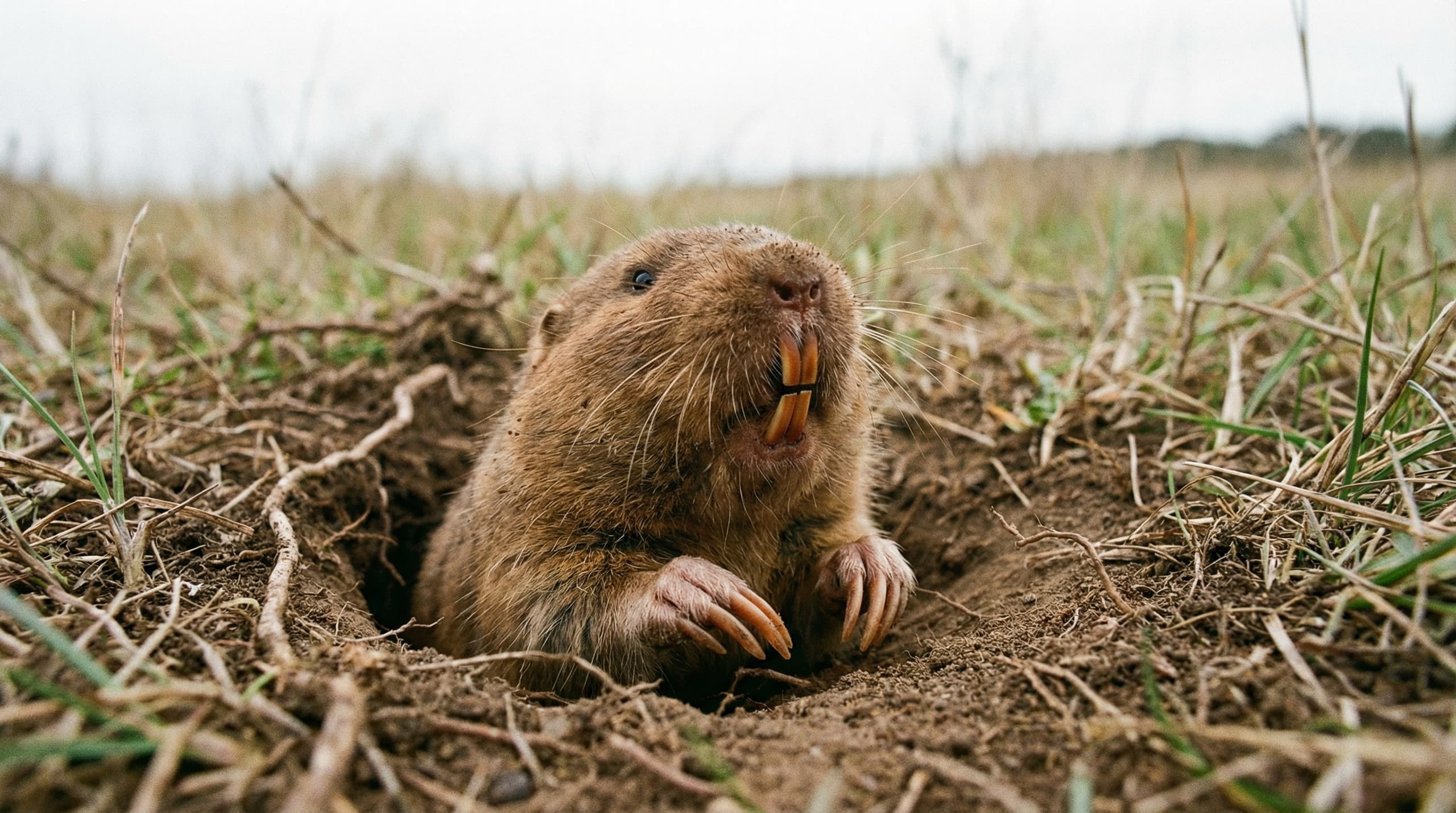
Pocket gophers are stout burrowing rodents that live almost entirely underground. In the Treasure Valley the species you have is the northern pocket gopher (Thomomys talpoides). Adults run 6 to 9 inches long with a short furry tail, small eyes, tiny ears, and long yellow front teeth that stay out in front of the lips so they can dig without eating dirt.
The pockets in the name are fur-lined cheek pouches that open on the outside of the face, not the mouth. Gophers use them to haul plant matter back to storage chambers. It's a genuinely weird piece of biology, and it's one of the reasons gophers thrive in dry soil where other rodents can't store food.
You'll almost never see the animal itself. Gophers only surface for a few seconds when pushing out fresh dirt or grabbing a plant stem. That's why almost every guide to gopher control in Boise starts with mound ID, not spotting the animal. The mounds are your entire clue.
How to Spot a Pocket Gopher Mound (The Fan-Shape Tell)
A pocket gopher mound is not a random pile of dirt. It has a very specific shape once you know what to look for. Here is the fingerprint:
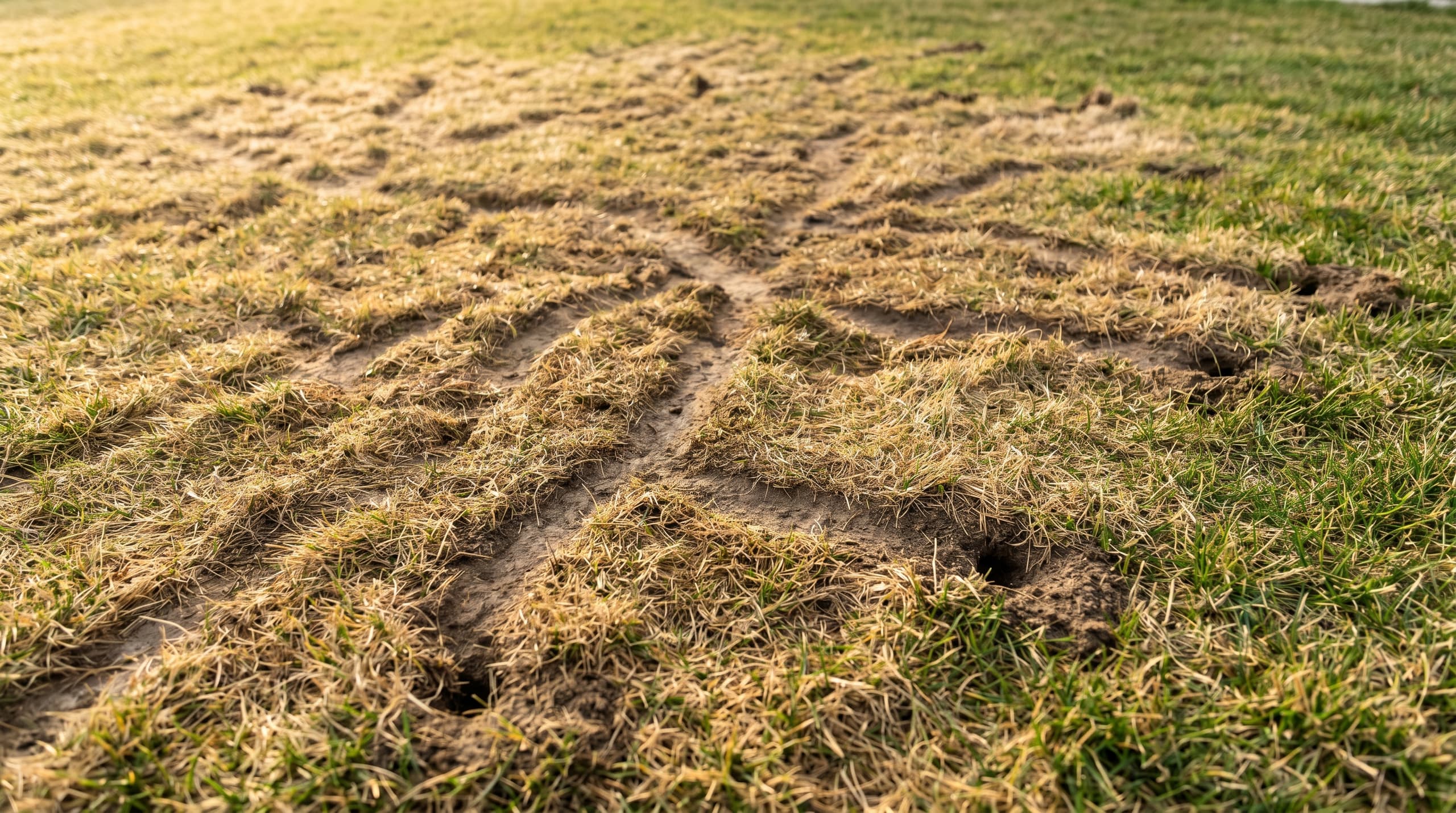
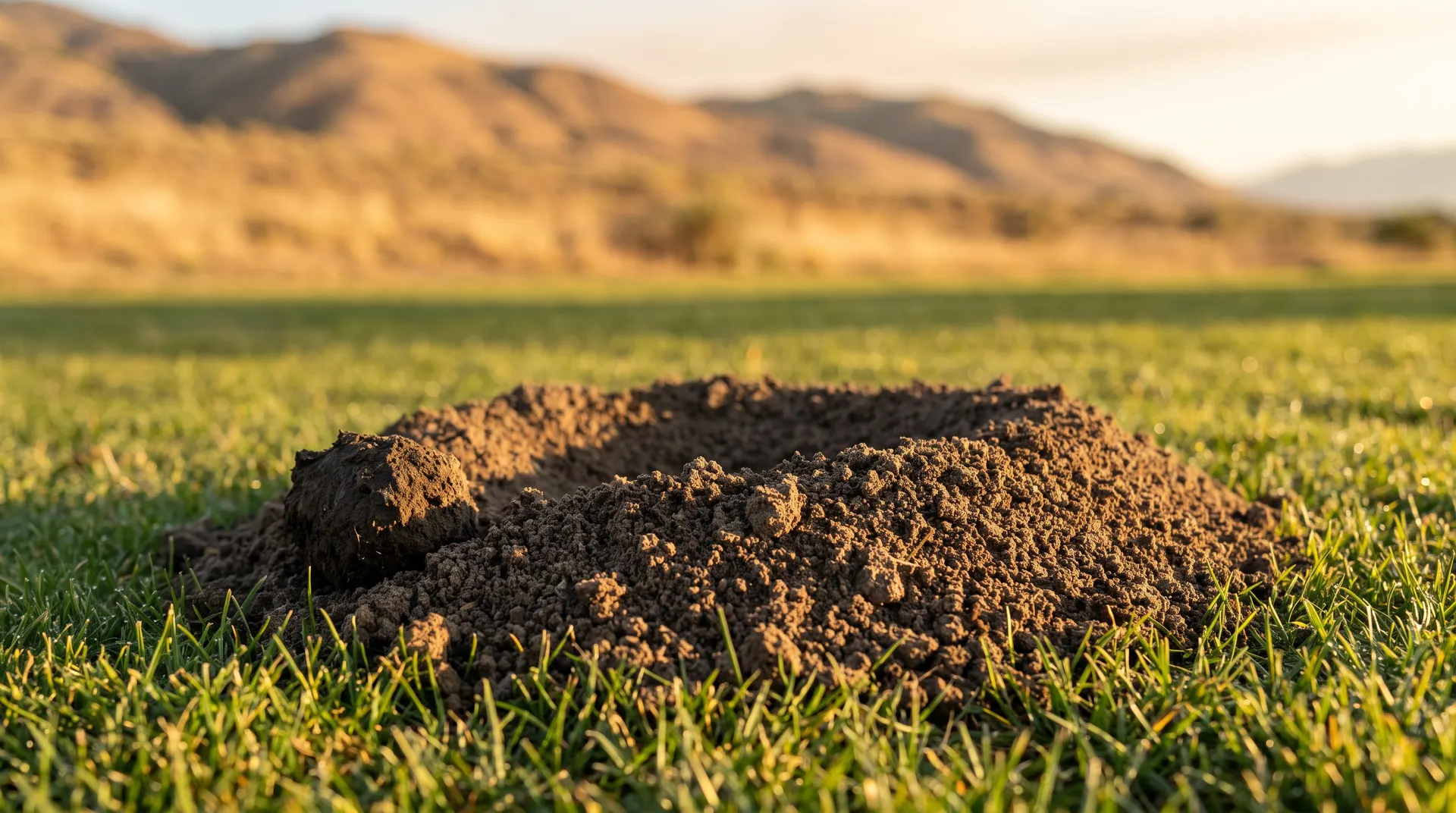
- Fan or crescent shape. Fresh mounds spread out in a half-moon, 10 to 18 inches across and 3 to 6 inches tall. The dirt is finely broken up, almost fluffy, because the gopher pushes it out from below with head and shoulders.
- Plugged hole to one side. Look at the flat edge of the crescent. There is usually a small circle of packed dirt where the gopher closed the tunnel from the inside. That plug is diagnostic. Every active gopher mound has one.
- Runs in clusters. One gopher works a territory. You will see 3 to 12 fresh mounds in a rough line across a yard, spaced 4 to 8 feet apart, over the course of a week.
- No open surface tunnels. Gophers stay 4 to 12 inches underground and seal every entry. If you can see an open tube running along the surface, that is a vole or a mouse, not a gopher.
Gopher vs Vole vs Mole: How to Tell the Damage Apart
This is a very common mix-up. Homeowners see torn-up grass and reach for the wrong solution. Every one of these three animals leaves a different signature.
Here is the side-by-side breakdown for Idaho yards:
- Pocket gopher. Fan-shaped mounds with a plugged hole to one side. No visible tunnels. Damage below the surface: chewed roots, killed shrubs, sinking sod. Peak activity April to July.
- Vole. No mounds ever. Winding surface trails 1.5 to 2 inches wide chewed through the grass, with golf-ball-sized open holes at the ends. Damage shows up at snowmelt in March and April. Read our voles guide if the trails look like someone dragged a stick across your lawn.
- Mole. Round volcano-shaped mounds with the hole dead center. Raised surface tunnels that push the sod up in ridges. Moles are rare in the Treasure Valley (dry soil, low earthworm counts). If you think you have moles, it's almost always gophers.
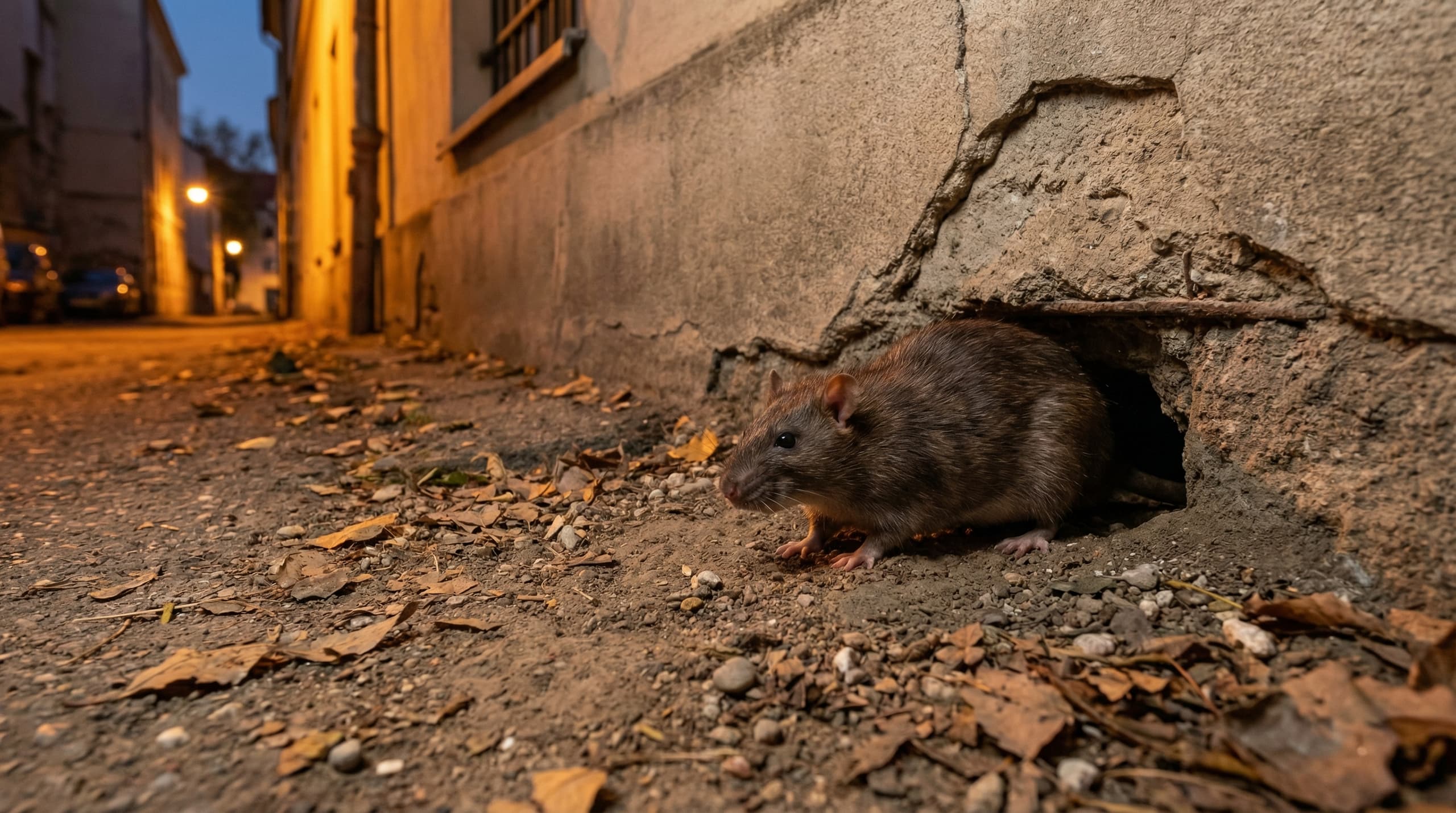
- Ground squirrel. Open burrow holes 2 to 3 inches across with dirt fanned out from a clearly visible tunnel entrance. You will actually see the animal above ground, sunning itself on rocks.
Where Pocket Gophers Hit Hardest in the Treasure Valley
Pocket gophers are not evenly spread across the Valley. Some lots practically guarantee gopher pressure and others rarely see them. It comes down to soil, moisture, and what is next door.
The four setups where gophers cause the most trouble:
- Boise foothill lots. Homes above the North End, Hidden Springs, and along Bogus Basin Road back up to BLM sage ground with high native gopher populations. Every irrigated yard is a soft-soil buffet next to hard, dry hillsides.
- Meridian and Eagle subdivisions bordering open fields. Newer builds along the south Meridian expansion and Eagle North have gopher colonies displaced by construction. Those gophers move into freshly landscaped lawns in the first summer after grade.
- Kuna and Star rural-edge properties. Homes on 1 to 5 acre parcels bordering pasture or hayfield see year-round pressure from established gopher populations in the neighboring ag ground.
- Any yard with heavy irrigation on sandy loam. The Boise Bench, parts of Nampa, and most of Caldwell sit on porous soil. Consistent watering keeps it soft year-round, which is exactly what pocket gophers want.
What Pocket Gophers Actually Destroy
The mounds are the visible half. The real damage is happening 6 inches down where you cannot see it. Here is what one gopher does to a Boise lawn over a summer:
- Root pruning of grass. Gophers cut off grass roots from below, leaving patches of yellow or dead sod that peel up like carpet. You'll step through it before you notice it.
- Fruit tree girdling. This is the expensive one. Gophers chew bark off young tree roots and trunk bases below the soil line. A single adult can kill 6 to 8 fruit trees in a season by ringing the roots. Apple, cherry, and pear are their favorites.
- Ornamental and vegetable garden loss. Tulip bulbs, hosta, dahlia, potato, carrot, and beet roots all get eaten. A raised bed with no hardware cloth underneath will get hit fast.
- Irrigation line damage. Drip lines and shallow-buried poly pipe get chewed through when they run across a tunnel. If your drip zones start dropping pressure with no visible break, dig the line where it crosses a mound cluster.
- Sinking sod and lawn tripping hazards. Old collapsed tunnels leave hollow spots. Push a mower over one and you can drop a wheel four inches into soft ground.
Gopher Control in Boise: What Actually Works (And What Does Not)
There is a lot of bad advice on the internet about gopher control in Boise. Solar-powered vibrating stakes do not work. Chewing gum in the tunnels does not work. Flooding the tunnels rarely works and wastes a lot of water. Castor oil pellets push them 20 feet sideways and back. As of July 2026, here is what pest control operators actually use across the Treasure Valley:
- Trapping. The most reliable method in Idaho. Cinch traps and box-style Macabee traps set into the main runway (not the lateral mound tunnel) catch gophers within 24 to 48 hours. Two traps per active tunnel, facing opposite directions, is the standard set.
- Toxic bait via a bait probe. Zinc phosphide or strychnine grain bait dropped into the main runway with a tool called a bait probe. Restricted use in some cases, but effective in ag settings. Homeowners generally cannot buy the strong stuff. The over-the-counter pellets you see at farm stores are much weaker.
- Fumigation (spotty results in Boise). Aluminum phosphide fumigants work in dense, moist clay because the gas stays in the tunnel. The porous sandy loam under most Boise foothill and Bench yards lets the gas dissipate before it kills the animal. Ag operators use it more than urban pest control.
- Exclusion. This is prevention, not removal. Line the bottom of raised garden beds with 1/2 inch hardware cloth. Wrap the root balls of new fruit trees in gopher-proof wire baskets before you plant. Once trees are established, the exclusion is done.
- Habitat pressure. Cut ornamental grasses back tight in fall, avoid deep mulch beds along the foundation, and keep at least a 3 foot gravel strip between the lawn and any bordering pasture or foothill ground. Gophers cross dry, hard ground reluctantly.
When to Call a Professional (and Who to Call)
DIY trapping is realistic for one gopher in a suburban lot. When it stops making sense to do it yourself:
- More than 3 active tunnel systems in the yard. That usually means multiple adults and reinfestation from a neighboring property. You'll trap all summer and never catch up.
- Acreage with pasture or hayfield. Larger properties need bait-probe treatment across the whole run, not just trapping. This is a specialty service.
- Mature fruit trees or expensive ornamentals at risk. The cost of losing one 10-year-old apple tree is higher than a season of professional trapping. Don't gamble the tree.
- You're just not sure what you're looking at. If the mounds might be voles, moles, or ground squirrels, a wrong-direction DIY plan can waste a whole summer.
Does Green Guard Handle Pocket Gophers?
Here's the honest answer, because a lot of pest websites will fudge this. Green Guard doesn't run pocket gopher trapping programs. Gopher trapping is a specialty that needs bait probes, subsurface trap sets, and repeat visits to the same tunnel systems until the population is cleared. That's a different job than what our quarterly rodent service is built to do.
What we can help with:
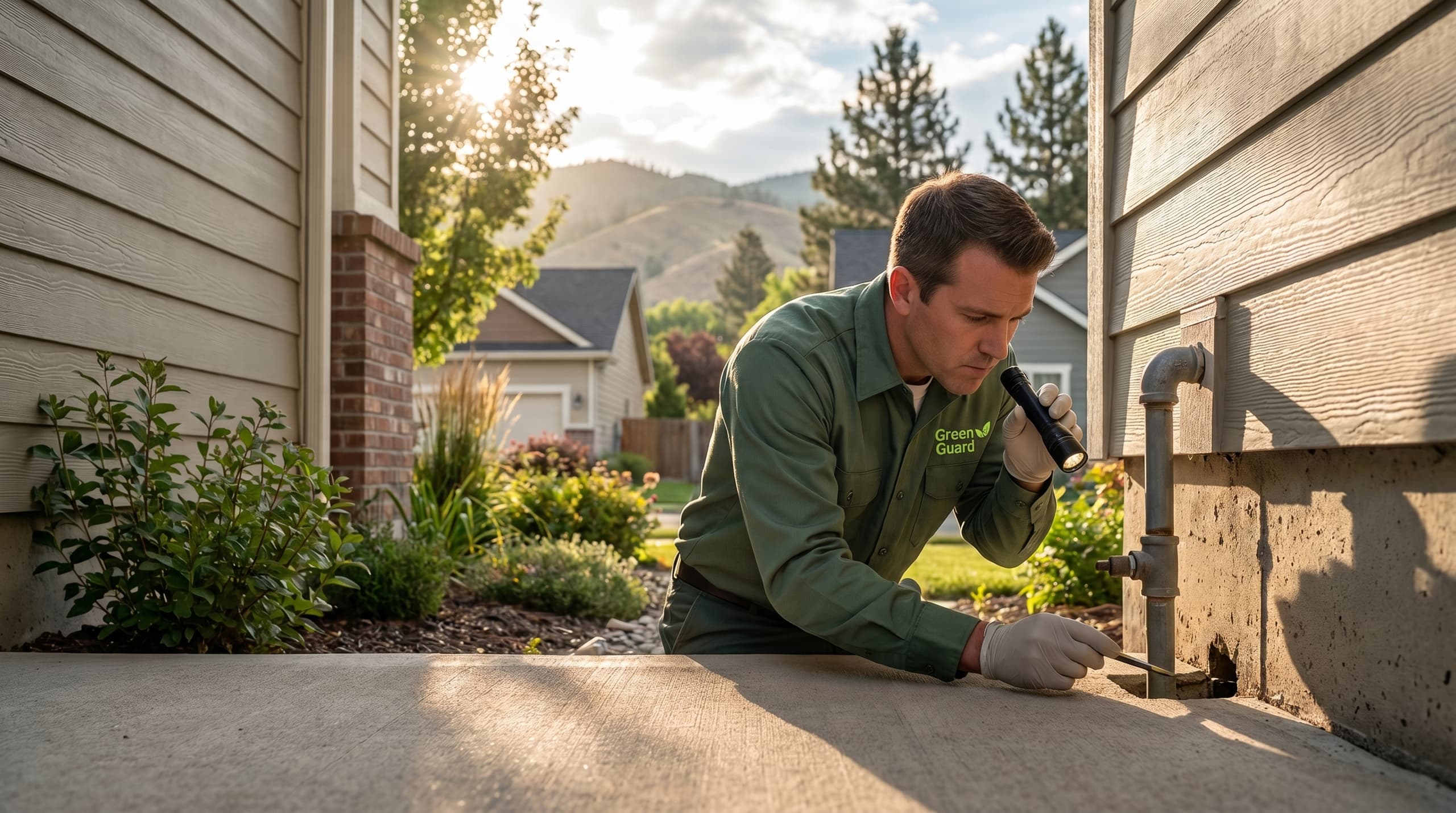
- Identification consultation. If you're not sure whether you have gophers, voles, moles, or ground squirrels, we'll look at the mounds, tunnels, and damage during a service visit and tell you straight up what's doing it.
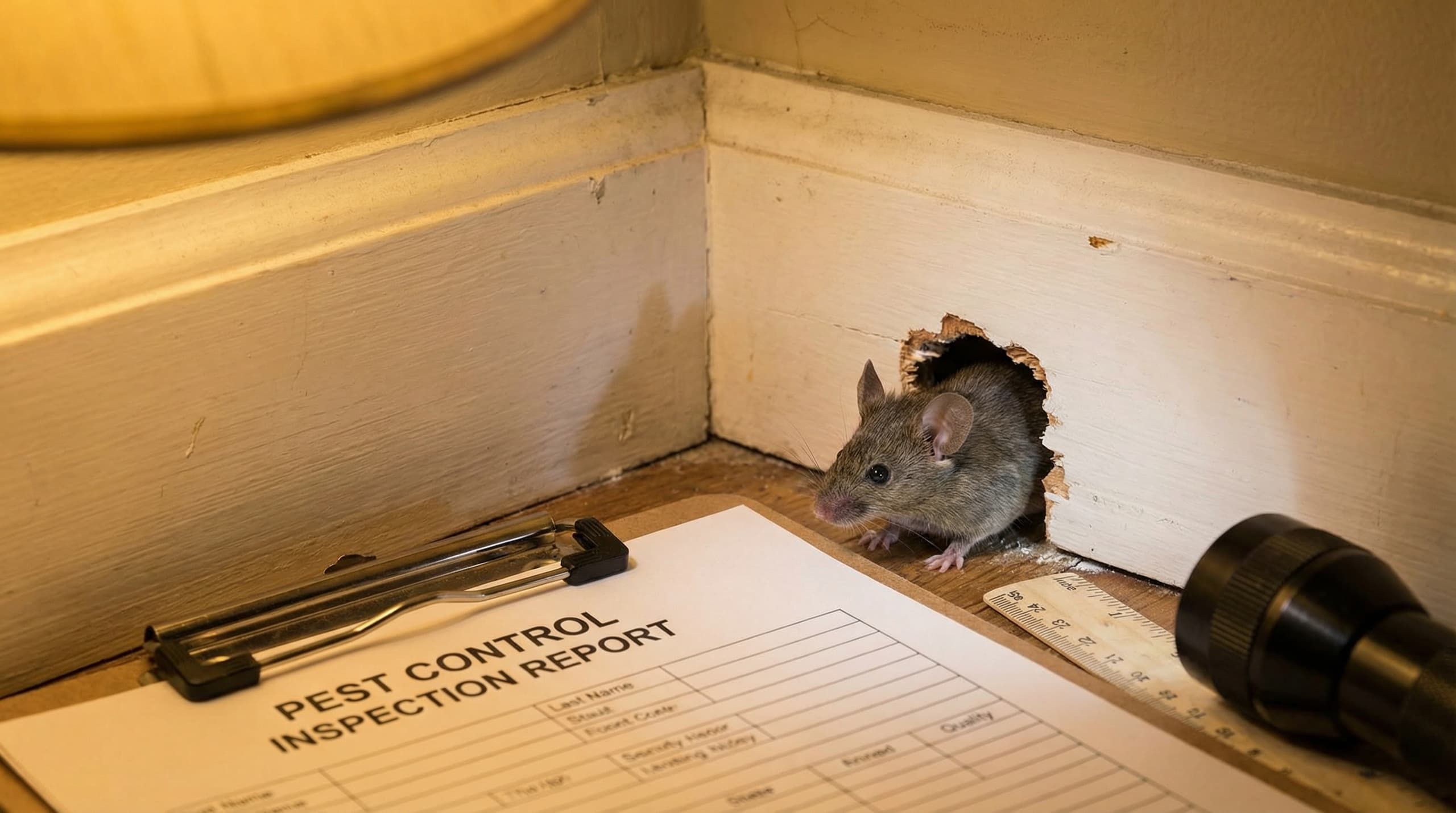
- The rodents that show up alongside gophers. Yards with gopher pressure almost always have mice, voles, and sometimes ground squirrels working the same edges. Mice that move from the yard into your home are covered under our regular rodent control service, with a $49 first visit and quarterly protection from $119 for homes up to 2,500 square feet. Voles working the yard are billed separately. Ground squirrels get the same referral as gophers.
- Referral to a gopher specialist. If gophers or ground squirrels are what you have, we'll tell you and point you at an operator who does that work day in and day out. You save time and money not going the wrong direction.
Keeping Pocket Gophers From Coming Back
Trapping the current gopher is only half the job. If the yard is still attractive, another one will move in within a season, especially in foothill and rural-edge lots where there is a steady supply. Here is what actually reduces long-term pressure:
- Hardware cloth under new plantings. Any new garden bed, raised bed, or young fruit tree goes in with a 1/2 inch mesh basket wrapped around the roots. It's a one-time job at planting and it protects the plant permanently. See our Boise rodent control guide for what works on mice and voles too.
- Buffer strips at property lines. A 3 foot gravel or bare soil strip between your lawn and neighboring pasture, foothills, or fallow ground slows crossings. It won't stop determined gophers, but it moves them past your yard.
- Cut irrigation right at the fence line. Gophers follow soft, moist soil. Overspray from irrigation into a bordering weed line invites them in. Adjust rotor arcs so the water stops at your property.
- Monitor in April and May. The first fresh fan-shaped mound of the year is the moment to act. One gopher trapped in April is easier than three mounds a week in June.
Not Sure What Is Tearing Up Your Yard?
The wrong ID costs a whole summer. If those mounds might be gophers, voles, moles, or ground squirrels, get a second set of eyes on them before you spend money on the wrong control.
Call Green Guard at (208) 297-7947. We'll confirm what's actually digging your yard and explain how we'd handle it. Mice inside your home are covered by the plan, and voles are quoted as a separate job. If it's gophers or ground squirrels, we'll point you to a specialist. Straight answers, no upsell into a service that won't fix the problem.
Frequently Asked Questions
How do I know if I have gophers or voles in my Boise yard?
Quick answerLook at what's on top of the soil.
Gophers push up fan-shaped or crescent dirt mounds 10 to 18 inches across with the entry hole plugged off to one side. Voles leave no mounds at all, just winding 1.5 to 2 inch surface trails chewed through the grass with small open holes. If you see dirt piles, it's gophers. If you see grass runways, it's voles.
What is the best way to get rid of pocket gophers in Idaho?
Quick answerTrapping is the most reliable method in the Treasure Valley.
Set two Cinch or Macabee traps in the main runway (not the fan-shaped mound tunnel), facing opposite directions. Most active gophers are caught within 24 to 48 hours. Fumigation results are inconsistent in Boise's porous foothill soils. Over-the-counter poison pellets are much weaker than the professional-grade bait used by ag operators.
Does Green Guard treat pocket gophers?
Quick answerNo.
Pocket gopher trapping is a specialty that needs subsurface trap sets and bait-probe work. Rodents inside your home are covered by our plan, and voles in the yard get priced on their own. Ground squirrels are in the same boat as gophers: we don't treat them. What we can do is help confirm the ID and refer you to a specialist in the Treasure Valley. Call (208) 297-7947.
When are pocket gophers most active in Boise?
Quick answerApril through July is peak activity in the Treasure Valley.
Soil is soft from spring irrigation and snowmelt, males are expanding territory, and fresh mounds appear every few days. Activity slows in late summer when soil dries and hardens. A second smaller push happens in September and October as gophers cache food for winter.
Why are pocket gophers wrecking my new lawn or fruit trees?
Quick answerNewly landscaped lots and young orchards are prime gopher targets.
Fresh sod has soft, well-watered soil that tunnels easily. Young fruit tree roots are tender and sit at exactly the depth gophers work. If you're planting new trees in a foothill or rural-edge lot, wrap the root balls in 1/2 inch hardware cloth baskets before planting. It's a one-time job that protects the tree permanently.