
Rodents
Norway Rat
Rattus norvegicus
IdentificationHow to Identify Norway Rat
Quick Answer
Norway rats are big, heavy-bodied rodents measuring 7-10 inches, with tails shorter than their body. They've got brown or grayish-brown fur, small ears, and blunt noses.
Full identification notes
Their droppings are capsule-shaped, about 3/4 inch long with rounded ends. You'll also hear them called brown rats, sewer rats, or wharf rats.
Free
Re-Service Between Visits
4.9/5
Google Rating
9 to 5
Office Hours, Mon to Fri
Norway Rat Behavior & Habits
Understanding how norway rat behave helps prevent infestations
Norway rats are nocturnal and strong swimmers.
More about their habits
They dig extensive burrow systems under buildings, along foundations, and into embankments. They prefer to nest at ground level or below, and they're cautious about anything new in their space (which is why they're tough to trap the first few nights).
Norway Rat Risks & Dangers
What norway rat can do to your health and property
Health Risks
Norway rats carry serious diseases including leptospirosis, rat-bite fever, salmonellosis, and plague.
Property Damage
Norway rats chew through structures, electrical wiring (a real fire hazard), pipes, and insulation.
Full health and property details
Health Risks
They contaminate way more food than they actually eat. Their urine and droppings create real health hazards, and they'll bite when cornered.
Property Damage
Their burrowing can undermine foundations and tear up landscaping. The damage can cost thousands to repair if it goes unchecked.
Signs of Norway Rat Infestation
Look for these indicators in your home
Signs You Have Norway Rat
What homeowners spot first
- Large droppings (3/4 inch) with blunt ends
- Burrow holes along foundations (2-3 inches diameter)
- Greasy rub marks along walls and pipes
More signs to look for
- Gnaw marks on wood, plastic, and even concrete
- Sounds of gnawing, squeaking, or running at night
- Strong ammonia-like odor in enclosed areas
Norway Rat in Boise & the Treasure Valley
Norway rat calls spike in fall and early winter, when they're hunting shelter from Treasure Valley cold snaps.
More on what we see locally
We see them most in older Boise neighborhoods like the North End, East End, and Vista, and in parts of Garden City near the Boise River corridor. Mature landscaping, irrigation ditches, and older crawl spaces all give them what they want. Most of our Norway rat work happens in basements, around garbage corrals, and along foundation lines.
How We Handle Norway Rat
What our approach looks like
Rats inside your home are covered by our pest plan.
Our full approach
We set locked, tamper-resistant bait stations along the routes rats actually travel (including the crawl space entrance when needed), plug the obvious gaps with copper mesh, and walk you through the sanitation tweaks that keep them from coming back. Snap traps are rare. We don't go into attics or crawl into crawl spaces, and rats living outside in yard burrows are usually a separate charge, so ask us for a quote.
How to Prevent Norway Rat
Steps you can take to reduce the risk of infestation
- Seal any opening bigger than 1/2 inch (they squeeze through small gaps)
- Store food in metal or thick plastic containers, not cardboard
- Keep garbage in sealed bins with tight lids
More prevention steps
- Pull bird feeders and pet food bowls inside overnight
- Clear out brush piles and clutter around the foundation
- Fix drainage so water moves away from the building
Norway Rat Questions Answered
Common questions about identification, prevention, and treatment
Call (208) 297-7947What's the difference between Norway rats and roof rats?
Quick answerNorway rats are bigger, with blunt noses, small ears, and tails shorter than their body.
They stick to ground-level spots like basements, sewers, and burrows. Roof rats are sleeker, with pointed noses, large ears, and long tails, and they prefer attics, trees, and elevated areas. In the Treasure Valley we see Norway rats far more often than roof rats.
Can rats chew through concrete?
Quick answerNorway rats can gnaw through soft concrete, cinder block, and most building materials.
They can't chew through properly cured concrete, but they'll exploit any crack or gap that's already there. We plug the obvious gaps with copper mesh during service. Bigger repairs, like cracked concrete or damaged block, are a job for you or a handyman.
How fast can you get rid of a rat problem in Boise?
Quick answerIt depends on how established the rats are and how they're getting in.
Bait takes time to work, because rats have to find the stations and feed. We usually get out within 24 to 48 hours of your call, and same-day is often available. If rats show up between visits, call (208) 297-7947 and we'll come back free.
Similar Pests
Learn about other pests in this category
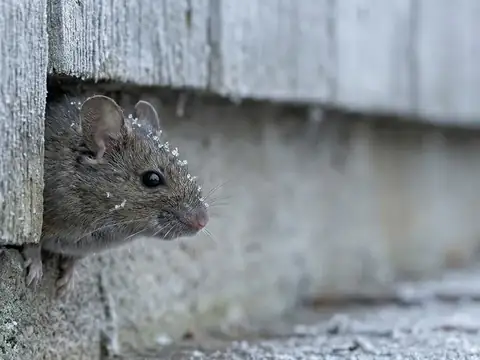
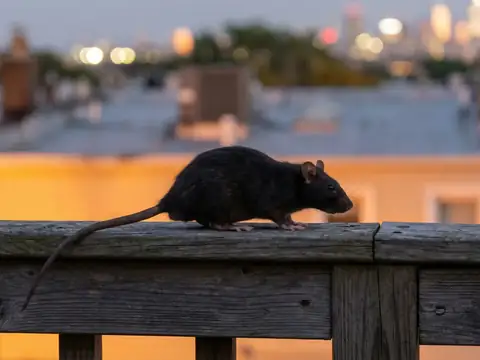

Related Guides
Expert articles related to norway rat in Idaho
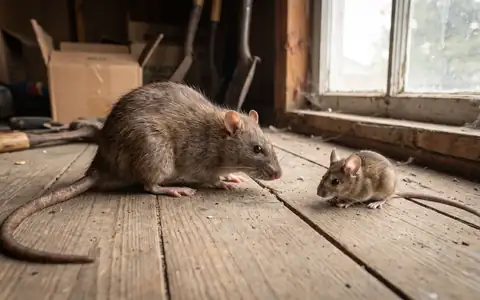 Pest Identification
Rats in Boise: Do You Have Rats or Mice? How to Tell and What to Do (2026 Idaho Guide)
Read Article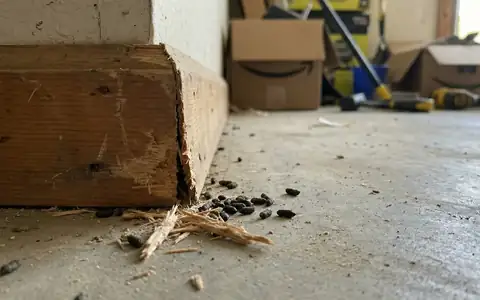 Pest Identification
Idaho Rodent Identification: Types of Mice, Rats, and Voles
Read Article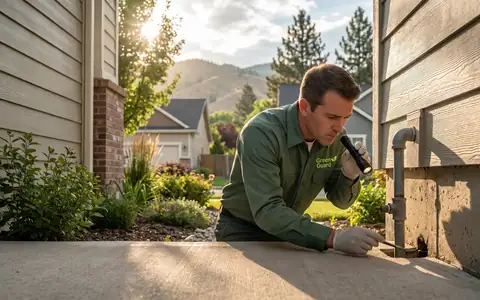 Local Guide
Rodent Control in Boise, Idaho: The Complete 2026 Guide Before Fall Season
Read Article
Think You Have Norway Rat?
Call and we'll talk through your options. We usually get out within 24 to 48 hours.
Quarterly plans starting at
$119/quarter
- No-Obligation Quote
- Locally Owned
- Free Re-Service Between Visits
Our Pest Control Services
Complete pest protection. Professional solutions for every pest problem, on a quarterly plan or a one-time visit.
General Pest ControlLearn More
Year-round protection packages
Ant ControlLearn More
Carpenter & pavement ants
Spider ManagementLearn More
Black widows & hobo spiders
Rodent ControlLearn More
Mice, rats & voles
Wasp & HornetLearn More
Nest removal & prevention
Mosquito & OutdoorLearn More
Mosquitos, ticks & fleas
Eco-FriendlyLearn More
Pet & kid safe options
CommercialLearn More
Business & warehouse
Proudly Serving the Treasure Valley
Local technicians from the Treasure Valley, in Boise, Meridian, and surrounding communities.
Pest Control Resources
Expert tips & guides. Local pest knowledge from Boise's trusted exterminators