Quarterly Protection
$49 initial, then$119*/quarter
- Exterior perimeter barrier
- Covers 20+ common pests
- Free re-service guarantee

Updated September 2026 · Serving Meridian, Idaho · Local team, local roots
Comprehensive pest solutions for new construction, established homes, and commercial properties throughout Meridian.
Tap your pest problem to get started
Re-Service Between Visits
Meridian Rating
Treasure Valley Homes
Office Hours, Mon to Fri
As Idaho's fastest-growing city in Ada County (ZIP codes 83642, 83646), Meridian's rapid development constantly disturbs existing pest habitats.
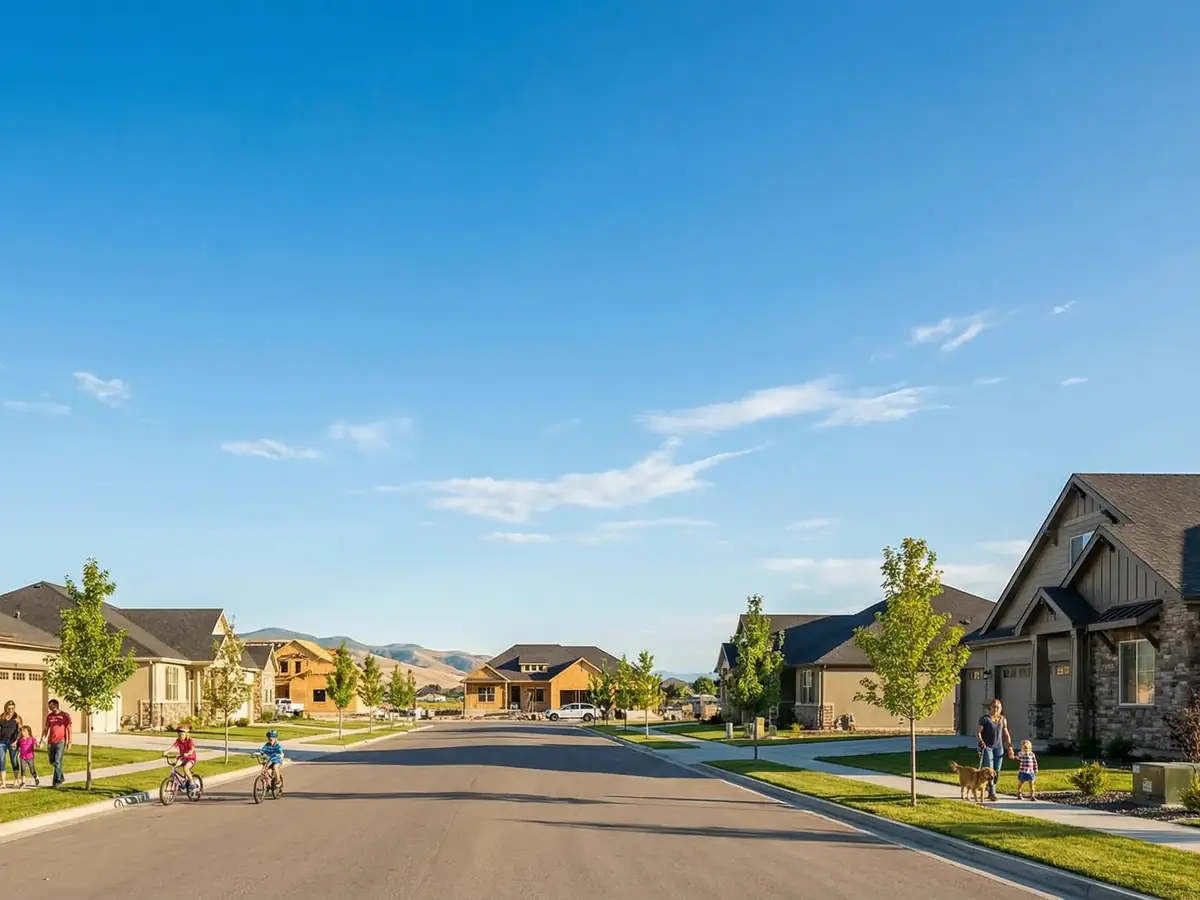
From established neighborhoods like Downtown Meridian and Paramount to newer subdivisions in Tuscany, Lochsa Falls, and the Ten Mile area, homeowners face pest pressures as construction pushes wildlife into residential areas. Spurwing and Movado properties deal with foothills pests, while South Meridian homes near farmland see increased rodent activity.
Meridian is the fastest-growing city in Idaho. The population sat under 35,000 in 2000 and is still growing, and almost all of that growth happened on what used to be hay ground, pasture, and dairy land. That history matters more than most homeowners realize. When crews broke ground on Paramount, Lochsa Falls, Spurwing, and Heritage Commons, they disturbed established ant trails, vole runs, and ground-nesting wasp colonies. Those displaced pests had to go somewhere, and the nearest somewhere is usually a brand-new home with cracks in the slab joints and gaps around freshly framed windows.
The split between older Meridian and newer Meridian shapes how we treat each home. The 1980s and 1990s neighborhoods around downtown and Pine Avenue have carpenter ants in mature trees, foundation cracks that let house mice and hobo spiders inside, and the kind of overgrown landscaping that paper wasps love. Newer slab-on-grade builds across ZIP 83646 are tighter against rodents but get hit hard by pavement ants trailing up through driveway expansion joints and patio cracks.
Water is the other big factor in Meridian. The Settlers Canal, the Ridenbaugh Canal, and the irrigation laterals that run through Paramount and Settlers Bridge support mosquitoes, earwigs, and silverfish from May through September. Homes within a few hundred feet of a canal feel that pressure first. The irrigated lawns that come standard with master-planned subdivisions also bring voles, and the first year or two in a new build is usually when homeowners spot the tunnels in their fresh sod.
The rural edges of Meridian have a different problem set. Properties out toward Ten Mile Road and the southern stretch toward Kuna sit right next to working farmland. Every fall when the irrigation shuts off and night temperatures drop, deer mice and field mice come off those fields looking for shelter. Detached garages, sheds, and crawl spaces are the first stops. Yellow jackets nest in the ground along the same pasture edges and fence lines, which is why properties on Meridian's outer ring get noticeably more wasp calls than homes inside The Village or Spurwing.
As of September 2026, Green Guard protects 2,500+ Treasure Valley homes, including homes across both Meridian ZIP codes (83642 and 83646). Our technicians are in Meridian neighborhoods daily, from downtown to Paramount to Spurwing to Heritage Commons. Initial treatment is $49 for any home size, quarterly service starts at $119, and our free re-service guarantee means if pests come back between visits, we come back too.

"After three other companies couldn't keep ants out of our kitchen, Green Guard solved it in one visit. Six months later, still zero ants."
"I was skeptical at first, but Green Guard exceeded every expectation. They found entry points I never knew existed and haven't seen a spider since."
"After two other companies failed, Green Guard solved our ant problem in one visit. Professional, thorough, and actually effective."
We provide pest control services throughout Meridian and surrounding areas.
Local pest challenges and solutions for every Meridian neighborhood
North Meridian represents some of the most desirable residential real estate in the Treasure Valley. Communities like Paramount, Lochsa Falls, and the developments along Chinden Boulevard feature well-maintained homes with mature landscaping that, while beautiful, creates ideal harborage for pests. The area's proximity to agricultural land to the north and the mix of new construction with established neighborhoods creates unique pest pressures. Many North Meridian homes back up to open spaces or have extensive yards that border irrigation canals, providing moisture and travel corridors for spiders, ants, and rodents seeking shelter in your home.
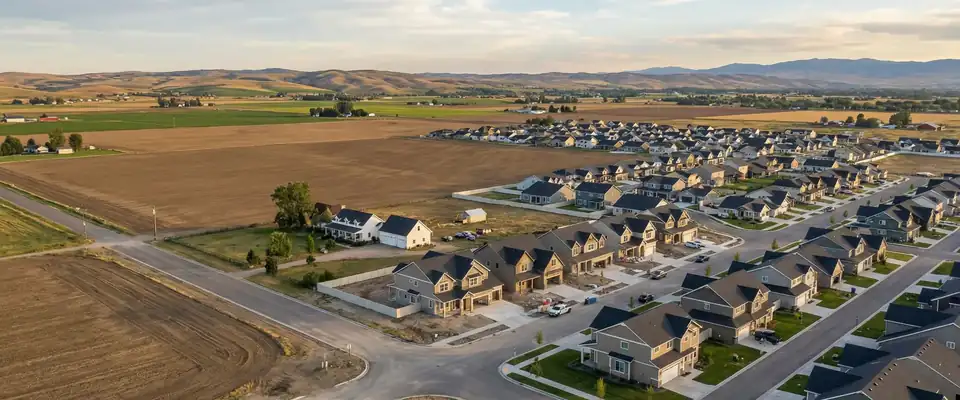
South Meridian is one of the fastest-growing areas in Ada County, with new subdivisions expanding toward Kuna and Lake Hazel. This rapid development disrupts natural pest habitats, driving spiders, ants, and rodents toward established homes. The area's agricultural heritage means properties are built on former farmland where pest populations were already established. Many South Meridian homes border open fields, irrigation infrastructure, and commercial developments that create ongoing pest pressure. The Victory Road corridor and Lake Hazel area see particularly heavy pest activity due to the mix of residential, commercial, and agricultural land uses.

Paramount is one of North Meridian's most prestigious master-planned communities, featuring larger custom homes, extensive landscaping, and community amenities including pools and parks. These features, while enhancing property values and quality of life, also create environments where pests thrive. Mature trees and shrubs provide harborage for spiders and ants, while irrigated lawns attract moisture-loving pests. Paramount's larger homes have more entry points along foundations, garage doors, and utility penetrations. The community's proximity to the Chinden corridor and surrounding open spaces means pest pressure from outside sources remains constant throughout the year.
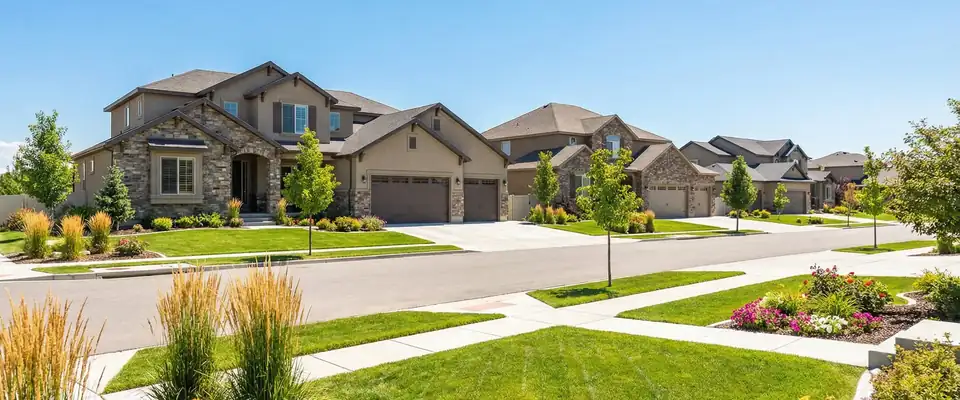
Silverstone is a well-established Meridian subdivision known for its family-friendly atmosphere, quality homes, and mature neighborhood trees. While these established trees and landscaping add beauty and value, they also create conducive conditions for pest activity. The neighborhood's location near major corridors means pests have travel routes into the community. Many Silverstone homes were built with construction methods common in the early 2000s, which may include gaps around foundations and utility entries that pests exploit. The community's irrigation and well-maintained lawns, while attractive, provide moisture that attracts ants, spiders, and other pests seeking water sources near your home.

Tuscany Lakes is a distinctive Meridian community centered around decorative lakes and water features that enhance property values and create a resort-like atmosphere. However, these same water features create conditions that attract certain pest species. The elevated humidity near the lakes, lush irrigated landscaping, and abundance of ornamental plants provide ideal environments for spiders, mosquitoes, and ants. Properties closest to the water experience increased pest pressure throughout the warmer months. The community's mature vegetation, including willows and other water-loving trees, harbors pest populations that readily move toward homes seeking additional food, water, or shelter as conditions change.
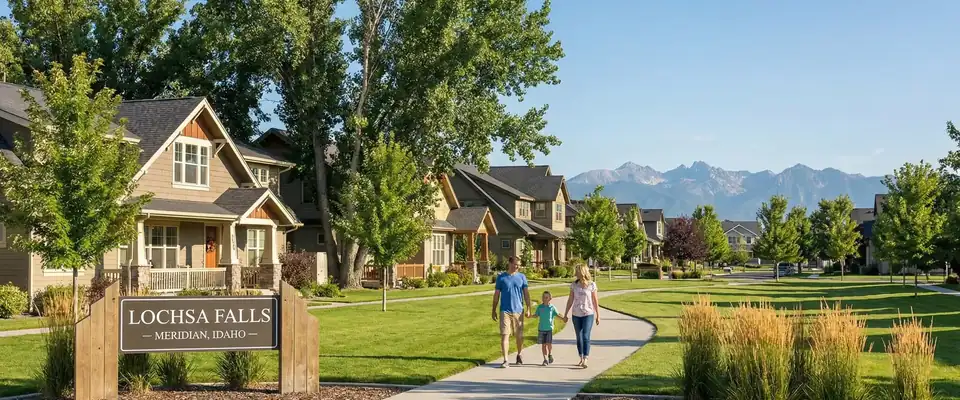
Lochsa Falls stands as one of North Meridian's premier subdivisions, featuring upscale homes, professionally designed landscaping, and community amenities that attract discerning homeowners. The subdivision's location near Chinden Boulevard and its proximity to undeveloped land to the north creates ongoing pest pressure. Lochsa Falls homes are known for their quality construction, yet even the best-built homes have entry points that pests exploit during seasonal migrations. The community's common areas, walking paths, and mature vegetation, while enhancing quality of life, also provide interconnected habitats for ants, spiders, and rodents that eventually make their way toward individual homes.
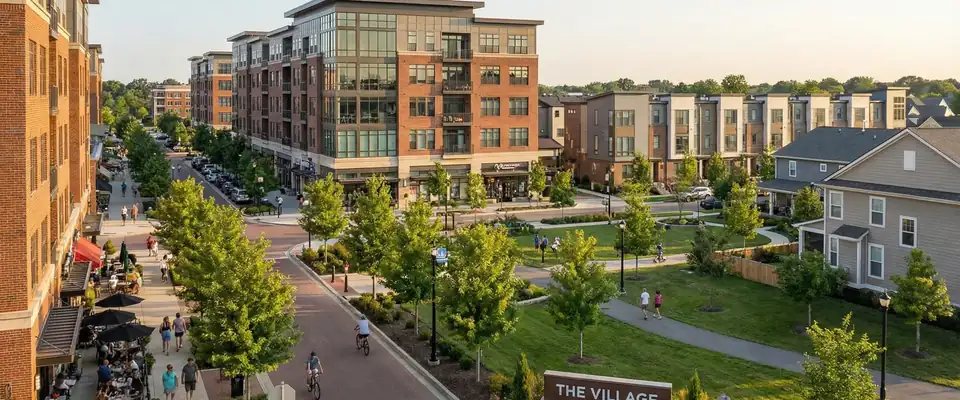
The Village at Meridian is the Treasure Valley's premier outdoor shopping and entertainment destination, and the surrounding residential areas have grown rapidly to accommodate workers and shoppers who want to live nearby. This mix of commercial, retail, and residential properties creates a complex pest environment. Restaurants and food service establishments attract rodents and cockroaches that can spread to nearby homes. The extensive landscaping, fountains, and outdoor dining areas provide moisture and food sources that sustain pest populations. Homes in the surrounding neighborhoods see pest pressure from both natural sources and commercial pest overflow, requiring vigilant pest management.

Settlers Bridge is one of Meridian's most desirable family neighborhoods, featuring excellent schools, parks, and community amenities that make it perfect for raising children. The subdivision's name honors the historical Settlers Irrigation Canal that runs nearby, and while this waterway adds character to the area, it also creates moisture conditions that support pest populations. Settlers Bridge homes were built during Meridian's residential boom, and the neighborhood has matured with established trees, landscaping, and interconnected yards that allow pests to move easily between properties. Families here need pest control that takes into account children playing in yards and pets exploring the neighborhood.

TM Creek represents Meridian's modern approach to master-planned communities, featuring newer homes built to current codes, community parks, walking paths, and convenient access to the Ten Mile Interchange. While newer construction offers some pest advantages like tighter building envelopes, the ongoing development in the area constantly displaces existing pest populations. Construction activities disturb ant colonies, spider habitats, and rodent burrows, driving them toward completed homes in search of shelter. TM Creek's extensive landscaping and irrigation systems, installed to quickly establish the neighborhood's aesthetic, create moisture conditions that attract pests. Proactive pest control is essential for new homeowners to prevent pest populations from establishing before they become problems.
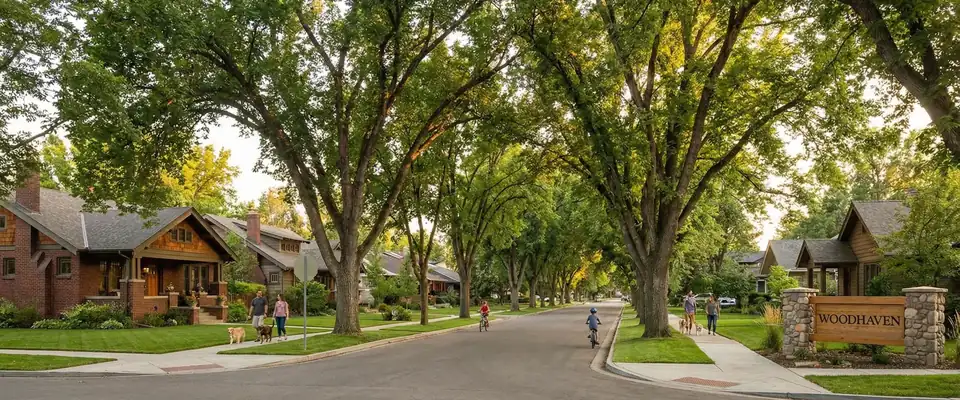
Woodhaven is one of South Meridian's established residential communities, featuring mature trees, well-developed landscaping, and homes that have stood the test of time. The neighborhood's name reflects its wooded character, with large deciduous and evergreen trees providing shade and beauty throughout the seasons. However, these mature trees also harbor carpenter ants, bark beetles, and various spider species. The neighborhood's interconnected landscaping creates highways for pests moving between properties. Older homes in Woodhaven may have developed small cracks, gaps, and entry points over time that pests exploit. Our experienced technicians understand both the benefits and pest challenges of established neighborhoods like Woodhaven.

Cobblefield is a welcoming South Meridian neighborhood that combines quality homes with family-friendly amenities. The subdivision's convenient location near the Victory Road and Locust Grove intersection provides easy access to shopping, schools, and entertainment while still maintaining a quiet residential atmosphere. Like many South Meridian communities, Cobblefield was developed on former agricultural land where pest populations were already established. The transition from farm to neighborhood brought homes into contact with field mice, ground-nesting ants, and spiders that adapted to the new residential environment. Nearby irrigation infrastructure and the area's open character contribute to ongoing pest pressure that requires regular management.

Victory Commons encompasses the residential areas along the Victory Road corridor, one of South Meridian's most dynamic growth zones. This area mixes newer developments with established neighborhoods, commercial centers, and remaining open land, creating a complex pest environment. The ongoing construction displaces existing pest populations while the mix of land uses provides varied food and shelter sources for pests. Victory Road's commercial establishments, restaurants, and shopping areas can generate pest populations that spread to nearby residential areas. The area's irrigation infrastructure and proximity to agricultural land add additional pest pressure. Homes in Victory Commons benefit from proactive pest management that addresses both residential and commercial pest sources.

The Cherry Lane corridor runs through the heart of Meridian, connecting residential neighborhoods, schools, parks, and commercial areas. This central location makes Cherry Lane properties desirable but also exposes them to diverse pest pressures. The area features a mix of home ages, from classic Meridian residences built decades ago to newer infill construction. Mature street trees, established landscaping, and the variety of adjacent land uses create connected habitats for pests. The Cherry Lane area's irrigation infrastructure, including the historic canals and modern sprinkler systems, provides moisture that sustains pest populations year-round. Properties here benefit from pest control that understands both older home construction and the area's unique environmental conditions.

The Ten Mile corridor is Meridian's western growth frontier, experiencing explosive development that transforms agricultural land into residential and commercial property almost monthly. This constant construction activity disrupts established pest habitats, driving displaced ants, spiders, and rodents toward completed homes. The Ten Mile Interchange has attracted major retail and commercial development, creating environments that support pest populations which then spread to nearby residences. Many Ten Mile homes are brand new, and homeowners often discover pests arriving before they've finished unpacking. The area's irrigation infrastructure, remnants of agricultural use, and newly installed landscaping all contribute to conditions that pests find attractive. Starting pest control early is essential in Ten Mile.
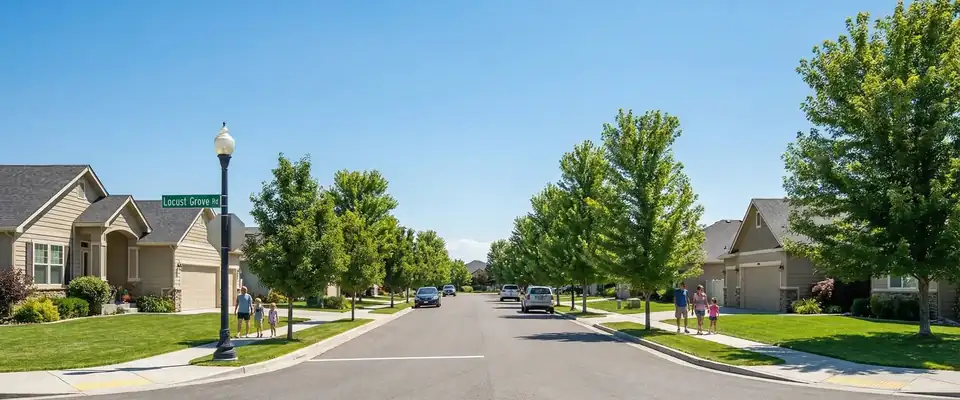
Locust Grove Road is a major north-south corridor running through the heart of Meridian, connecting diverse neighborhoods from the Boise border to South Meridian's growing edge. The corridor features a complete spectrum of Meridian housing, from older established neighborhoods near downtown to brand-new construction toward the city's southern limits. This variety means pest challenges differ significantly along the route. Northern sections near McMillan have mature trees and established pest populations, while southern areas toward Victory and Lake Hazel see construction-related pest displacement. Throughout the corridor, the mix of residential, commercial, and school properties creates interconnected pest habitats that require consistent management.

The McMillan Road corridor marks the northern edge of much of Meridian's residential development, with neighborhoods extending both north toward the Boise border and south into Meridian's interior. This transitional position creates unique pest dynamics. Properties near McMillan border some remaining open spaces and agricultural parcels that harbor pest populations. The area's mix of housing ages, from 1990s construction to recent developments, means varied building methods and corresponding pest vulnerabilities. Several irrigation canals cross the McMillan area, providing moisture corridors that sustain spiders, ants, and mosquitoes. The corridor's commercial development along key intersections also contributes to pest movement patterns.
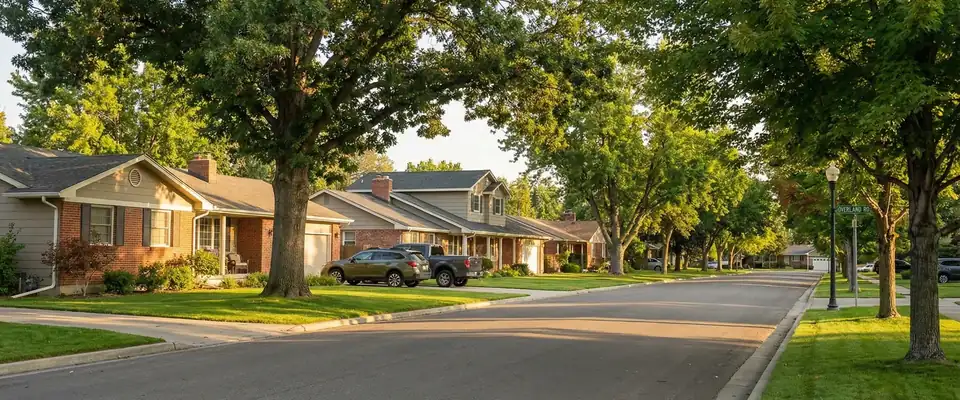
Overland Road serves as a central east-west artery through Meridian, connecting Boise to the growing western reaches of the city. The residential neighborhoods along this corridor represent some of Meridian's most established areas, with homes dating from the 1980s through recent construction. This mix of housing ages creates varied pest vulnerabilities, from older homes with developed entry points to newer construction facing displacement pressure from ongoing development. The Overland corridor features mature street trees, established landscaping, and a blend of single-family homes, apartments, and commercial properties that create interconnected pest habitats. The area's location between downtown Meridian and the expanding western developments means pest pressure from multiple sources.

Ustick Road runs through the heart of Meridian's residential growth, connecting established neighborhoods near Eagle Road to rapidly developing areas toward Ten Mile and beyond. This corridor has seen tremendous transformation over the past decade, with agricultural parcels becoming subdivisions at a remarkable pace. The result is a landscape where brand-new homes neighbor established properties, and construction activity is nearly constant. This environment creates ongoing pest displacement, as each new development pushes existing pest populations toward completed homes. The Ustick corridor's commercial development at major intersections adds another layer of pest pressure, while the remaining agricultural influences contribute seasonal pest migrations.
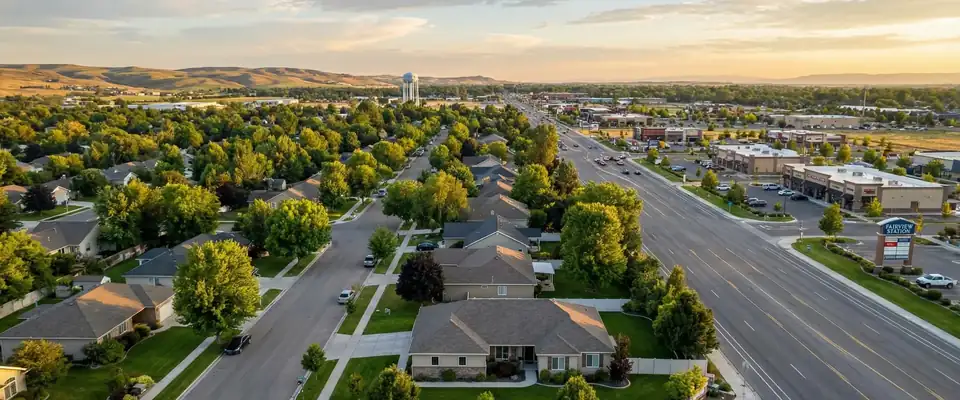
Fairview Avenue is Meridian's primary commercial corridor, featuring shopping centers, restaurants, medical facilities, and continuous vehicle traffic. While the avenue itself is predominantly commercial, residential neighborhoods extend behind this commercial frontage, placing homes in close proximity to establishments that attract and support pest populations. Restaurants and food service operations along Fairview generate organic waste that attracts rodents and cockroaches. Retail centers with loading docks and storage areas provide pest harborage. The corridor's extensive landscaping, maintained for aesthetic appeal, also creates environments where pests thrive. Homes near Fairview experience pest pressure from these commercial sources in addition to typical residential pest issues.

Eagle Road is the Treasure Valley's most traveled corridor, carrying over 50,000 vehicles daily through Meridian's commercial and residential heart. This major north-south artery features The Village at Meridian, Costco, countless restaurants, medical centers, and retail establishments, all of which attract and support diverse pest populations. Residential neighborhoods extend behind this commercial frontage, placing homes in direct proximity to pest-generating environments. The corridor's development history means properties range from newer construction to established homes, each with unique pest vulnerabilities. Eagle Road's landscaping, irrigation, and constant construction activity create conditions where pests thrive and readily move between commercial and residential properties.
Our local experts know how to identify and eliminate these pests quickly
Pavement ants in slab driveway joints across Paramount and Spurwing, carpenter ants in mature trees near downtown, odorous house ants in kitchens citywide
Pavement Ants. Common in Meridian driveways and sidewalks.
Hobo spiders in basements and crawl spaces, black widows in detached garages and woodpiles, wolf spiders coming in off the open fields around Ten Mile
Hobo Spiders. Found in basements and crawl spaces.
House mice in older downtown homes, deer mice off the southern farmland in fall, voles tunneling through irrigated lawns in newer subdivisions
House Mice. Seek shelter in new construction.
Paper wasps under eaves and pergolas, yellow jackets nesting in ground holes along pasture edges and the outer ring of the city
Paper Wasps. Build nests under eaves and decks.
Heavy mosquito pressure near the Settlers and Ridenbaugh Canals, earwigs and silverfish from irrigated soil, box elder bugs on south-facing siding in fall
Meridian pest activity follows the Treasure Valley pattern, with a few local twists driven by the new construction, the irrigation network, and the commercial corridors. Plan ahead and treatments are cheaper.
Spring (March through May). Pavement ants and odorous house ants expand as soil warms past 50 degrees. New Ten Mile and Paramount builds see fresh pavement-ant pressure in driveway joints while the concrete cures. Wasp queens scout nest sites under eaves and inside shed corners. This is the best window to start quarterly service.
Summer (June through August). Peak everything. Yellow jackets explode along the Eagle Road, Fairview, and Overland restaurant corridors. Hobo spiders hit peak activity in garages and crawl spaces. Mosquito pressure builds along Five Mile Creek and the canal laterals through south Meridian. Patio season at The Village brings constant yellow jacket calls.
Fall (September through November). Box elder bugs cluster on south-facing siding from Settler's Park out to Paramount. Deer mice and house mice push off the remaining ag land in Paramount, Lochsa Falls, south Locust Grove, and along McDermott. Wasp colonies die off but queens hunt overwintering spots in attics and sheds. Our Boise rodent control guide has the homeowner checklist.
Winter (December through February). Rodents are the headline problem, especially in newer Paramount and Lochsa Falls builds adjacent to remaining ag. February is peak mouse breeding season. A winter treatment also knocks down overwintering insects before spring emergence.
If you can only schedule one treatment a year, make it late spring. A March or April visit gets the perimeter active before colonies build and the barrier holds through the peak summer push at The Village and the restaurant corridors.

Step one
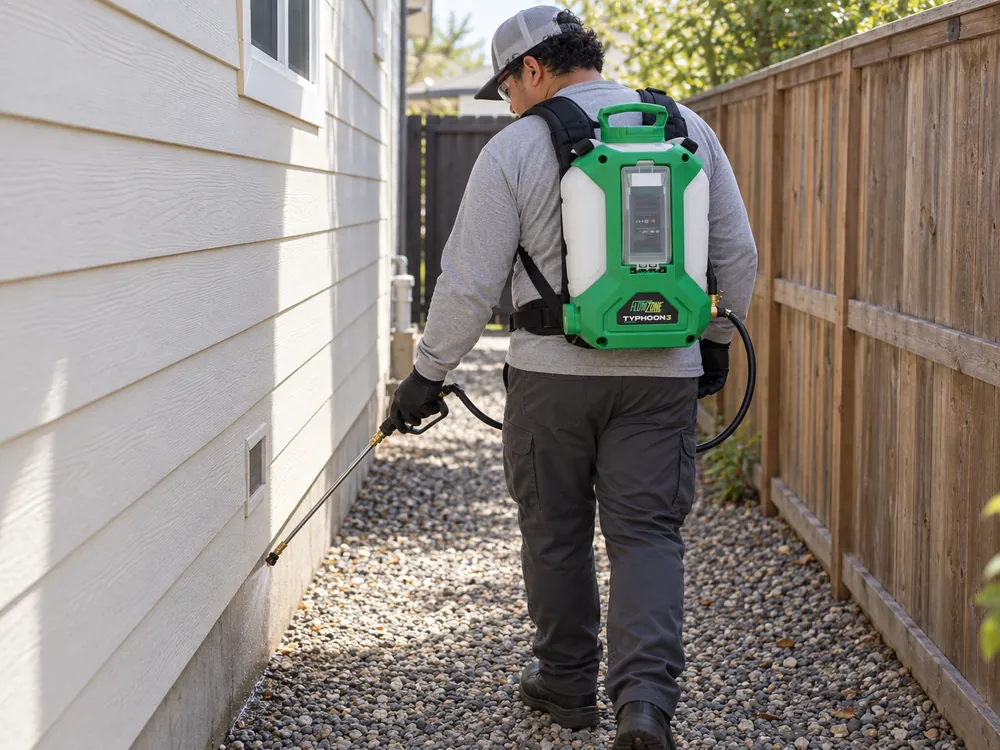
On arrival, we identify the pest, entry points, and severity of infestation.
Step two
Targeted treatment based on your specific pest and property.

Step three
Quarterly treatments prevent future infestations.
Year-round protection from common pests
Colony elimination & prevention
Interior & exterior treatments
Locked bait stations & copper mesh
Safe nest removal
Business pest management
Professional pest control for Meridian homes and businesses. $49 first service with a plan, and free re-service between visits.
$49 initial, then$119*/quarter
from$200*
* Tiered by home size. Bi-monthly available at $99/visit. View full pricing
Our local team is here to help, Monday through Friday, 9am to 5pm.
Call (208) 297-7947Quick answerGreen Guard pest control in Meridian starts at just $49 for your initial treatment, then $119 per quarter for ongoing protection.
This simple pricing covers all Meridian neighborhoods from Paramount to Lochsa Falls to Ten Mile. If pests return between quarterly visits, we'll re-treat at no additional charge. No hidden fees, no surprise charges.
Initial treatment is $49 for any home size in Meridian. After that, quarterly service runs $119 for homes up to 2,500 sq ft, $139 for 2,501 to 4,000 sq ft, and $159 for 4,001 to 5,500 sq ft. Bimonthly plans start at $99. Homes over 5,500 sq ft (common in Spurwing and parts of Paramount) get a custom quote. Every plan includes our free re-service guarantee between visits.
Our spider control program starts at $49 for the initial treatment, which includes complete de-webbing and barrier application. Quarterly maintenance is $119 per visit and includes de-webbing, barrier refresh, and our free re-service guarantee. If spiders return between treatments, we come back at no extra charge.
Quick answerMeridian's rapid growth means construction constantly disturbs established pest habitats.
When fields become subdivisions, rodents, ants, and spiders that lived there seek new shelter, often in nearby homes. New construction also has fresh lumber attractive to carpenter ants and gaps in weatherstripping that haven't fully sealed. We recommend preventive treatment within the first year of occupancy for all new Meridian homes.
Most of north Meridian's master-planned subdivisions sit on what used to be hay ground and dairy pasture. When crews break ground they disturb established colonies of voles, ground-nesting wasps, pavement ants, and house mice, and those displaced pests look for the nearest shelter. That is usually the new homes going up around them. Paramount, Lochsa Falls, Spurwing, and Heritage Commons all see this pattern. A pre-move-in or first-month treatment is the most effective way to stay ahead of it.
Quick answerMeridian's most common pests include pavement ants (especially in newer driveways and patios), hobo spiders in basements and crawl spaces, house mice seeking shelter in wall voids, and paper wasps under eaves.
Neighborhoods near agricultural areas like South Meridian see more rodent activity. The Ten Mile area and developments near irrigation canals experience increased mosquito and spider populations.
Summer in Meridian brings peak activity for ants (especially pavement ants in driveway joints and odorous house ants in kitchens), wasps building nests under eaves and pergolas, and spiders moving indoors to escape the heat. Mosquito pressure spikes along the Settlers and Ridenbaugh Canals. Black widows and hobo spiders are most active from July through September.
The five most common pest calls we get in Meridian are pavement ants and odorous house ants (year-round, peak spring), yellow jackets (heavy along the Eagle Road, Fairview, and Overland restaurant corridors from June through first frost), hobo spiders and wolf spiders (peak July through September in garages and basements), deer mice and house mice (heavy fall push into Paramount, Lochsa Falls, and south Meridian builds adjacent to ag land), and box elder bugs (clustering on south-facing siding every September). Carpenter ants show up in older downtown homes with large mature trees.
Quick answerYes, we work with Meridian landlords, property managers, and tenants throughout the city.
After each visit you get an emailed invoice, and your invoices and service history are in our online customer portal. Call (208) 297-7947 to talk through your rental properties.
Quick answerWe usually get out within 24 to 48 hours, and same-day service is often available for urgent problems like wasp nests, especially when you call early in the day.
Our office is open Monday through Friday, 9am to 5pm, and we cover every Meridian neighborhood, from Downtown Meridian to South Meridian to the newest developments near Ten Mile Road.
We usually get out within 24 to 48 hours, and same-day service is often available. Our office is open Monday through Friday, 9am to 5pm. Service runs Monday through Friday, so if you find a problem late on a Friday, call and we will get you on the schedule for the following week. Meridian (ZIPs 83642 and 83646) is part of our standard service area.
Same-day service is often available in Meridian. Routine quarterly visits can usually be set within 24 to 48 hours. Our technicians are in Meridian every week across both 83642 and 83646, so help is close by.
We usually get out within 24 to 48 hours, and same-day is often available for urgent situations like black widow sightings. If someone has been bitten, get medical care first, then call (208) 297-7947, Monday through Friday, 9am to 5pm.
We usually get out within 24 to 48 hours, and same-day service is often available. Our office is open Monday through Friday, 9am to 5pm.
Quick answerOur Meridian pest control includes exterior treatment with a foundation perimeter barrier, interior treatment on request, web and wasp nest removal, and locked bait stations for mice inside the home.
We treat for ants, spiders, wasps, mice, earwigs, and seasonal invaders. After each visit you get an emailed invoice, and your invoices and service history are in our online customer portal.
The $49 initial service includes a full property inspection, species identification, interior and exterior treatment, recommendations on entry points, and setup of your quarterly protection plan.
Quick answerWe use EPA-registered products, and your technician will tell you how long to keep kids and pets off treated areas.
We offer eco-friendly options for Meridian families who prefer greener solutions. Our technicians will advise you on any specific precautions based on your household needs.
Green Guard uses organic-based, hospital-grade products, the same kind used in hospitals and daycares. We'll tell you how long to keep kids and pets off treated areas. Just clear baseboards, move pet bowls, and we handle the rest.
Yes. Green Guard uses organic-based, hospital-grade products. Same products used in hospitals and daycares. Most treatments dry within 30 to 60 minutes, and you can stay home during service. Just clear baseboards, move pet bowls, and we handle the rest.
Yes. We use EPA-registered products applied in cracks, crevices, and perimeter areas. Once treatments dry (typically 30 minutes), treated areas are safe for family and pet activity. We take extra precautions around children's play areas and can use additional pet-safe options upon request.
We use organic-based, hospital-grade products. We'll tell you how long to keep kids and pets off treated areas.
Quick answerYes, we provide commercial pest control throughout Meridian including restaurants at The Village, retail stores, office buildings, warehouses, and healthcare facilities.
You get application records for every visit, commercial roach jobs are assessed by a technician and quoted before any work starts, and our office is open Monday through Friday, 9am to 5pm.
Quick answerVoles thrive in irrigated lawns, and almost every newer Meridian subdivision sits on former pasture and hay ground.
They tunnel through fresh sod, chew bark off young fruit trees, and leave surface runways that show up first in the irrigated zones around foundations and flower beds. We map the active runways, set targeted bait stations, and recommend perimeter changes that make the lawn less inviting. On larger Spurwing and Paramount lots we focus on the irrigated zones first.
Quick answerYes.
The Village and the surrounding Ten Mile and Eagle Road corridor are in our primary service area. We service homes throughout Meridian, from downtown to Paramount to Spurwing to the Ten Mile and Locust Grove corridors, in both ZIP 83642 and 83646.
Quick answerGreen Guard refers termites, bed bugs, and wildlife removal (raccoons, skunks, bats, or larger animals) to trusted specialists.
We do handle rodents (mice, rats, and voles), and we treat carpenter ants, which homeowners sometimes confuse with termites in older Meridian homes near downtown.
Green Guard refers termites, bed bugs, and wildlife other than rodents to trusted specialists. We do treat carpenter ants, which homeowners sometimes confuse with termites in older downtown Meridian homes, and rodents inside your home (mice and rats) are covered on every plan. Voles and other rodents living outside are priced as a separate service. Gophers and squirrels go to a specialist.
Yes. Green Guard is locally owned in the Treasure Valley and runs Meridian routes every week across both ZIP codes (83642 and 83646). We're a member of the Meridian Chamber of Commerce. Coverage includes downtown Meridian, The Village area, Settler's Park, Heritage, Ten Mile, Paramount, Lochsa Falls, Bridgetower, and the south Meridian growth along Locust Grove and Lake Hazel. Same-day service is often available. Call (208) 297-7947.
We serve all of Meridian including Downtown, Lochsa Falls, Spurwing, South Meridian, North Meridian, Paramount, Silverstone, The Village, Tuscany, Ten Mile, Joplin, and neighborhoods along Eagle Road and Ustick. We also serve neighboring Boise, Eagle, Nampa, and the entire Treasure Valley.
Quick answerYes.
Black widows thrive in Meridian's environment and are commonly found in garages, irrigation boxes, woodpiles, outdoor furniture, and under decks. Our technicians find them on a majority of Meridian service calls. They're especially common in newer developments where construction disturbed their natural habitat.
Quick answerBrown recluse spiders are not native to Idaho and are very rarely found here.
The spiders most often mistaken for brown recluse in Meridian are hobo spiders, which have similar coloring but different markings. Our technicians are trained to correctly identify all local species.
Quick answerWe recommend quarterly service for year-round spider prevention in Meridian.
This frequency maintains effective barrier protection and includes regular de-webbing before egg sacs can hatch. Each visit removes webs and refreshes treatments, preventing populations from building up between services.
Quick answerAs new developments in areas like Lochsa Falls, Spurwing, and South Meridian push into former farmland and sagebrush, displaced spiders move into newly built homes.
Black widows and hobo spiders that lived in irrigation equipment and old structures now seek shelter in your garage and basement.
Quick answerMeridian's agricultural heritage means the soil is rich with insects that spiders prey upon.
Properties near the Boise River, Five Mile Creek, and irrigated areas see higher spider populations because there's abundant food. More bugs mean more spiders. It's that simple.
Quick answerCarpenter ants are larger (1/4 to 1/2 inch), typically black, and leave behind small piles of wood shavings called frass.
If you see large black ants indoors, especially near wood structures, call us and we'll identify the species during your first treatment.
Quick answerStore-bought sprays kill the ants you see but don't reach the colony.
The queen keeps producing new workers that find new paths into your home. Professional treatment targets the colony itself, eliminating the source.
Quick answerThe Settlers and Ridenbaugh canals running through Meridian create moisture-rich soil conditions that ants thrive in.
Homes within a few blocks of canal routes see significantly higher ant pressure, especially in spring.
Quick answerOlder Meridian neighborhoods near downtown with established trees and aging wooden fences provide ideal habitat for carpenter ants.
Left untreated, these ants can cause structural damage over time.
Quick answerMeridian's building boom along Linder, Ten Mile, and Black Cat corridors displaces massive underground ant colonies.
These displaced colonies often establish new nests in nearby finished homes within weeks of construction activity.
Call Monday through Friday, 9am to 5pm. We usually get out within 24 to 48 hours.
Select your pest problem to get started
You picked .
Prefer to talk? Call (208) 297-7947
Professional pest control throughout the Treasure Valley

Field-tested guides from our technicians
Pest Control Pricing. Every price tier, from the $49 first service to quarterly, bimonthly, and one-time plans.
Idaho Pest Calendar. Which pests peak in each season across the Treasure Valley, month by month.
Carpenter Ants vs Pavement Ants and Other Idaho Ants. How to tell carpenter ants from pavement ants, plus a quick ID for the other common Idaho ants.
How to Choose a Pest Control Company. What to check, from licensing to pricing to reviews, when you compare pest control companies in the Treasure Valley.
Choosing an Exterminator. A vetting checklist and real Treasure Valley pricing for choosing an exterminator.
Pest Control in Middleton. Farm-country pest pressure next door in Middleton: voles, carpenter ants, and paper wasps.