Quick answer
To prevent ants in your Boise home this summer: seal every foundation crack down to 1/16 inch, fix moisture leaks first (ants come for water more than food in Idaho's dry climate), trim vegetation 12 inches back from the foundation, keep the kitchen scent-neutral with vinegar wipe-downs, and set up a quarterly barrier before mid-July. A first year of quarterly service ($406) costs about the same as two emergency one-time treatments ($400) and prevents the colony from ever setting up.
Key Takeaways
- Ants peak in the Treasure Valley between mid-July and mid-August. Prevention work done before mid-July is the highest-payoff move you can make.
- Odorous house ants dominate older Boise neighborhoods (North End, Bench, Vista). Pavement ants dominate newer Meridian and Eagle subdivisions.
- Moisture matters more than food in Idaho's dry climate. A slow drip under a kitchen sink can sustain a colony indefinitely.
- DIY sprays cause colony budding. One colony splits into multiple satellite nests, which is why the ants keep coming back in slightly different spots.
- A quarterly barrier service starts with a $49 first visit, then $119 per quarter. That is roughly the cost of two emergency one-time treatments per year.
In this article

How Do You Keep Ants Out of a Boise Home This Summer?
Keep ants out of a Boise home by sealing every foundation gap larger than 1/16 inch, fixing leaks and outdoor drip lines, storing food in airtight containers, trimming vegetation at least 12 inches from the exterior wall, and setting up a quarterly perimeter barrier before mid-July. Ants in the Treasure Valley peak in late July and early August, so the prevention work that lands in June and early July pays off the most. Green Guard runs the full initial visit for $49. Call (208) 297-7947.
Boise Ant Pressure Right Now (Summer 2026)
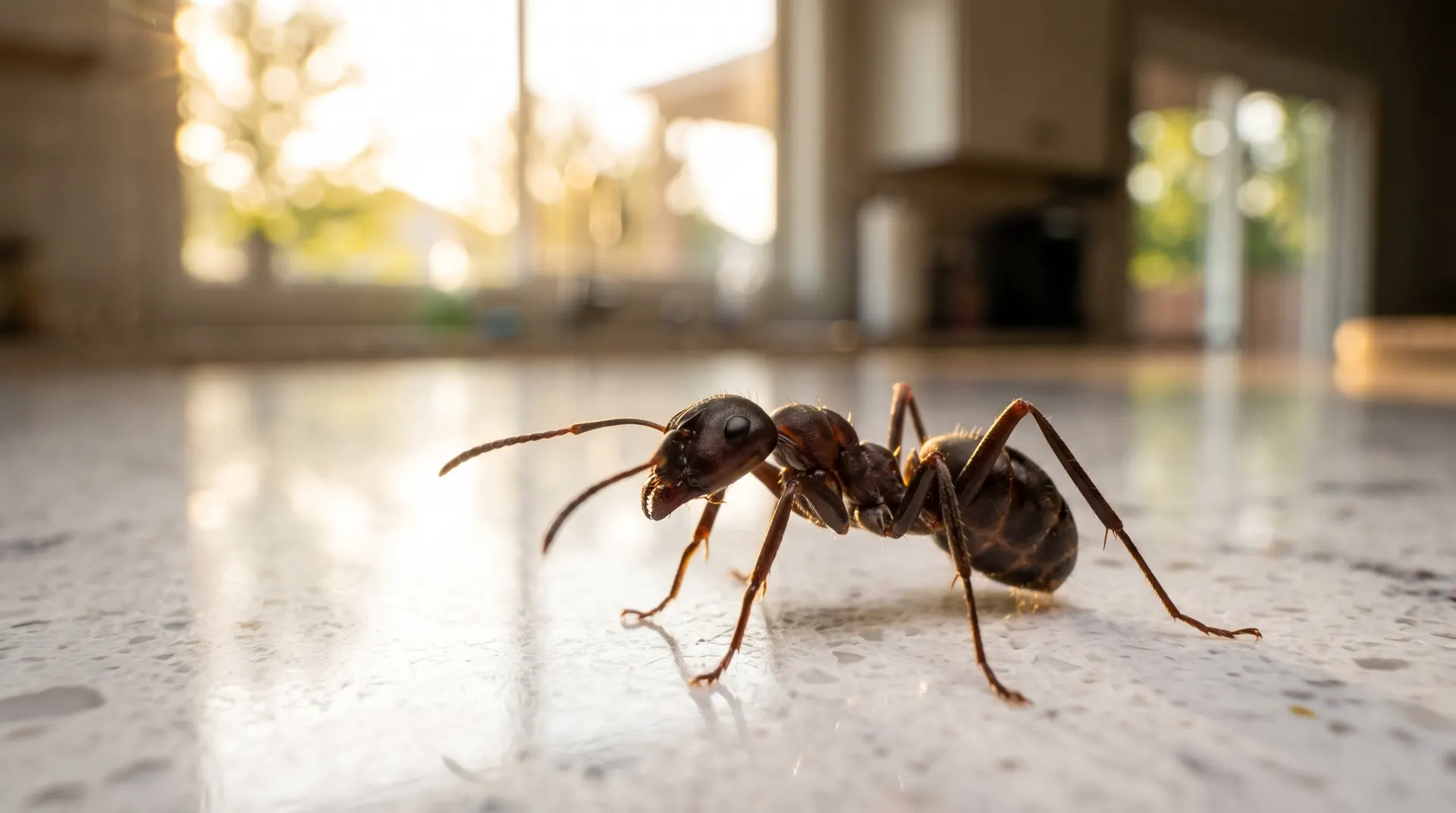
Odorous house ants hit peak pressure in midsummer, especially in older Boise neighborhoods. Most of those problems start the same way (you wipe the trail, and 20 minutes later it's back). That's textbook odorous house ant behavior driven by the multi-queen colony structure.
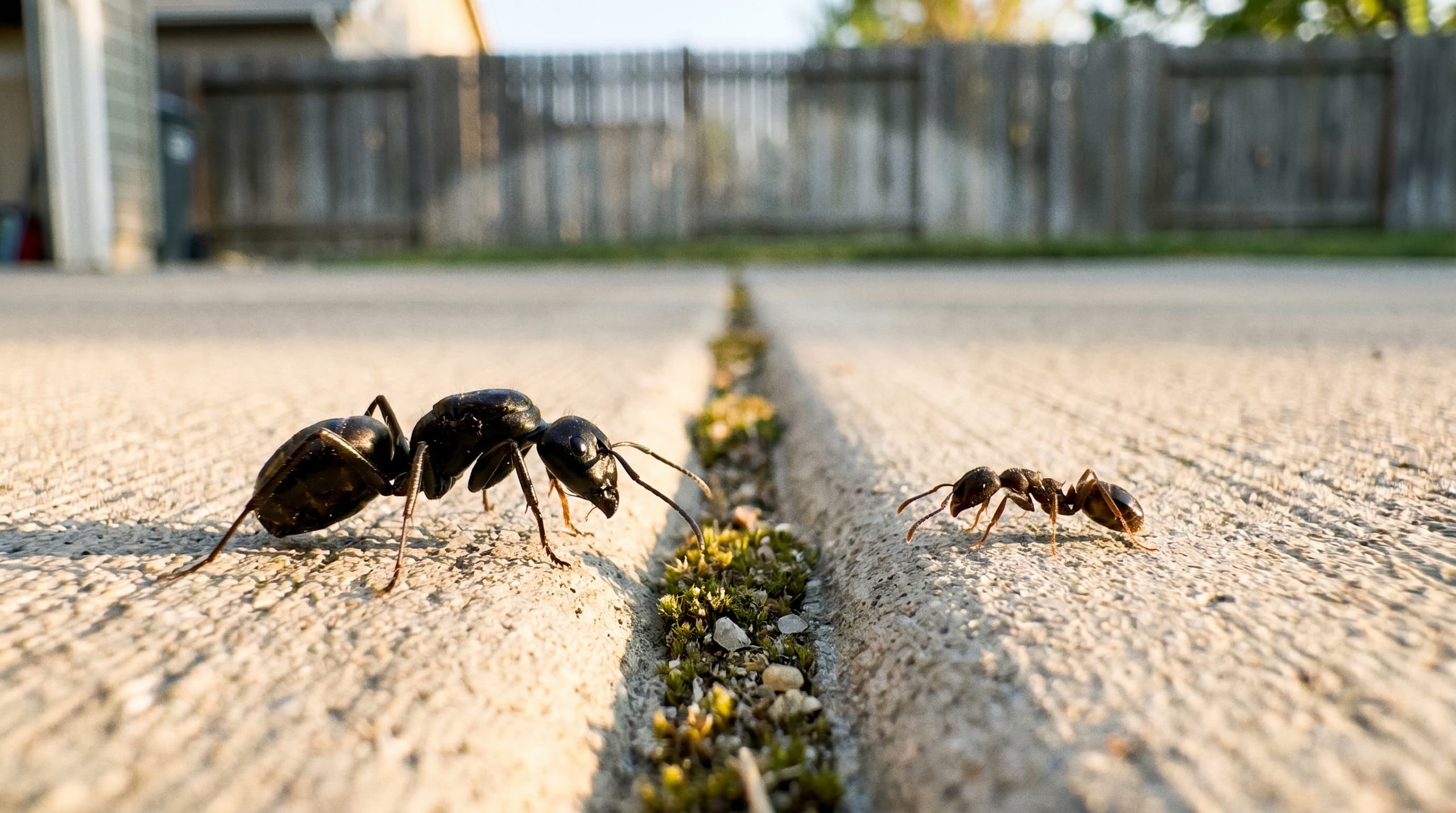
Pavement ants are the bigger story in newer subdivisions, such as those in south Meridian and Eagle. New construction disturbs old nests and pushes the colony toward the nearest expansion joint, which is usually a sidewalk crack or a concrete slab under a garage. If you moved into a home built after 2015 and you're seeing trails along the driveway, that's why.
The seasonal pattern matters for prevention timing. Colonies wake up in March, expand through May, and hit peak workforce by late July. A treatment or barrier that lands before mid-July stops the colony at 1,500 to 2,000 workers. Wait until August and you're dealing with a colony that has doubled or tripled and split into satellite nests.
The 12-Step Ant Prevention Checklist for Boise Homes
Work through these in order. The first four steps close off the majority of entry points and food or water sources. The rest tighten the perimeter and set up long-term protection.
- 1. Seal foundation cracks down to 1/16 inch. Walk the exterior wall on a dry day and mark every gap where concrete meets siding, brick, or wood trim. Fill with silicone caulk for gaps under 1/4 inch, copper mesh plus caulk for anything larger. Ants can squeeze through the thickness of a credit card, so the small cracks matter most.
- 2. Fix every water leak, inside and out. A slow drip under the kitchen sink, a dripping outdoor hose bib, or a leaking dishwasher line will sustain a colony forever. Idaho's dry climate makes ants moisture-driven, not food-driven. Fix the water problem first and half the prevention work is already done.
- 3. Seal all utility penetrations. AC line sets, gas lines, water spigots, electrical conduits, cable and fiber lines. Any spot where a pipe or wire enters the wall is a highway for ants. Foam the gap, then caulk over the foam so the ants cannot chew through it.
- 4. Trim vegetation 12 inches back from the foundation. Shrubs, ornamental grasses, and hedges touching the house are ant bridges from the yard into the wall void. Twelve inches of clear air between the plant and the siding is the minimum. Two feet is better.
- 5. Swap foundation mulch for rock. Bark mulch within six inches of the foundation stays damp and gives ants nesting material. Pull it back and replace with river rock or decomposed granite. The switch alone can noticeably cut ant pressure.
- 6. Store pantry food in airtight containers. Sugar, flour, cereal, pet treats, and rice all go into sealed glass or plastic. Cardboard and paper bags are worthless against ants. Airtight also protects against pantry moths and Indian meal moths, which is a nice bonus.
- 7. Wipe counters nightly with a vinegar solution. A 50/50 vinegar and water spray wipes out the pheromone trails scout ants leave behind. Skip the citrus cleaners for this job. Vinegar is more effective and cheaper. Do this every night before bed during summer.
- 8. Deal with pet food and water bowls. Pick up pet food bowls between meals or use an ant-proof moat (a shallow dish of water around the base). Water bowls left on tile are a strong ant attractant in Boise homes.
- 9. Clean the outdoor kitchen and grill area. Grease drippings under the BBQ, spilled sauces, and dropped food on the patio all attract foragers. Hose down the concrete pad weekly during grilling season.
- 10. Manage yard fruit and bird feeders. Fallen apples, plums, and cherries fermenting under trees are ant magnets. Same for bird feeders that drop seed into the soil below. Rake fallen fruit weekly and move feeders at least 20 feet from the house.
- 11. Reset door and window weatherstripping. Compressed or torn weatherstripping around exterior doors is a giveaway entry point. Run a piece of paper along the closed door edge. If it slides through, replace the seal. Same drill for garage door weather seals.
- 12. Set up a quarterly perimeter barrier. This is the piece homeowners cannot replicate at retail. A professional organic-based barrier runs 3 feet up the foundation and 3 feet out into the soil. Workers crossing it pick up product and carry it back to the queen for the next 90 days. Do this once a quarter and ants stop being a summer problem.
How Do I Keep Ants Out of My Boise Kitchen?
Keep ants out of a Boise kitchen by wiping counters with vinegar every night, sealing gaps behind appliances and around the sink base, storing pet food in a lidded container, and running the exterior barrier from steps 1 and 12 above. The kitchen is ground zero because it has all three ant attractants at once: food, water, and warm hiding spots behind appliances.
The counters get most of the attention, but the real problem spots are underneath. Under the sink, behind the dishwasher, under the refrigerator, and behind the stove. Pull out the fridge every three months and vacuum the coils and floor. You'll find crumbs and grease you didn't know were there. For a deeper look at scout behavior and spring kitchen invasions, see why ants invade Boise kitchens in spring.
- Seal the gap between the countertop and the wall. A bead of clear silicone along the back edge of the counter blocks the highway ants use to reach the crumbs behind the toaster.
- Reset cabinet toe kicks. The plastic toe kick along the base of your cabinets often has a gap at the wall. Foam and caulk it. This is one of the most overlooked entry points.
- Run ice cubes and lemon peels through the disposal weekly. Food residue clinging to the disposal blades attracts ants at night.
- Move fruit bowls off the counter during July and August. Ripening fruit is a beacon. Store fruit in the fridge during peak season and put the bowl back out in September.
DIY Prevention vs Quarterly Service: The Actual Math
Most homeowners try to prevent ants for one summer with DIY, then call a pro after the third or fourth invasion. Here is what the money and time actually look like once you add it up.
- DIY over one Boise summer. Caulk and copper mesh ($40), a few cans of retail ant killer ($25), bait stations ($15), peppermint oil and vinegar ($15), plus 8 to 12 hours of your time inspecting and re-treating. Total: about $95 in product plus a full weekend of labor.
- Emergency one-time treatment. $200 for a home up to 2,500 square feet, comes with a 30-day warranty. Kills the current trail but does not prevent the next colony from moving in six to eight weeks later. Most homeowners end up calling twice per summer, so budget $400 to $500 in emergency visits.
- Quarterly protection. $49 first visit, then $119 for each of the next three quarterly visits. Year-one total: $406. Includes the full perimeter barrier, targeted interior bait as needed, and free re-service if ants come back between treatments.
- The reframe. Quarterly protection ($406 for the first year) costs about the same as two emergency treatments and less than the retail hardware plus time cost of a serious DIY summer. It is genuinely the cheaper option once you factor in the value of not spending your Saturdays hunting ant trails.
Ready to Set the Prevention Barrier? Start With the $49 First Service
If you've made it this far and you're eyeing your kitchen counter, you already know what needs to happen. Book the initial visit for $49 and we'll handle the perimeter, the interior spot treatment, and the quarterly maintenance from there. Free re-service between visits if ants come back. Call (208) 297-7947 or book online through our Boise ant control service page.
Same-day service is often available. We serve Boise, Meridian, Eagle, Nampa, Caldwell, Star, Kuna, and the rest of the Treasure Valley from one local team. No call center, no franchise middleman.
What a Real Boise Prevention Visit Includes
Prevention treatment is different from an emergency call. The tech isn't chasing a visible trail. The goal is to install the barrier and identify weak points before the first ant appears. Here's what the first visit looks like for a typical 2,500 square foot Boise home.
- Full perimeter walk. Fifteen minutes minimum. The tech checks cracks, utility penetrations, touching shrubs, and drip lines, so the treatment goes where ants actually get in.
- Exterior barrier application. Organic-based liquid concentrate, 3 feet up the foundation and 3 feet out into the soil and rock. Product bonds to the surface and stays active for about 90 days under normal Boise conditions.
- Eave and soffit sweep. Wasp nests, spider webs, and hidden ant trails on the roofline get knocked down and treated. This is the step most homeowners cannot safely replicate on a two-story house.
- Granular treatment in landscape beds. Bark mulch and rock beds against the foundation get a granular product worked into the top inch. Activates with the next irrigation cycle.
- Interior spot treatment on request. If you have specific problem rooms (kitchen, laundry, garage), the tech treats baseboards and cracks in those areas. We don't spray the whole interior. The exterior barrier does the heavy lifting.
When Prevention Is Not Enough: Signs You Have an Active Colony
Prevention works when the colony is still outside. Once the colony has established a satellite nest inside the wall, prevention alone won't fix it. Watch for these signals that you've crossed from prevention into active infestation and need to shift strategy. For the treatment side, see our full Boise ant control guide that covers what an active-infestation visit involves.
- A trail returns within a day of a thorough vinegar wipe. The colony is close enough that scouts are re-establishing the pheromone trail overnight. Prevention alone won't clear it.
- Trails in multiple rooms at once. One trail in the kitchen is a scout run. Trails in the kitchen and the laundry room at the same time means multiple satellite nests are active.
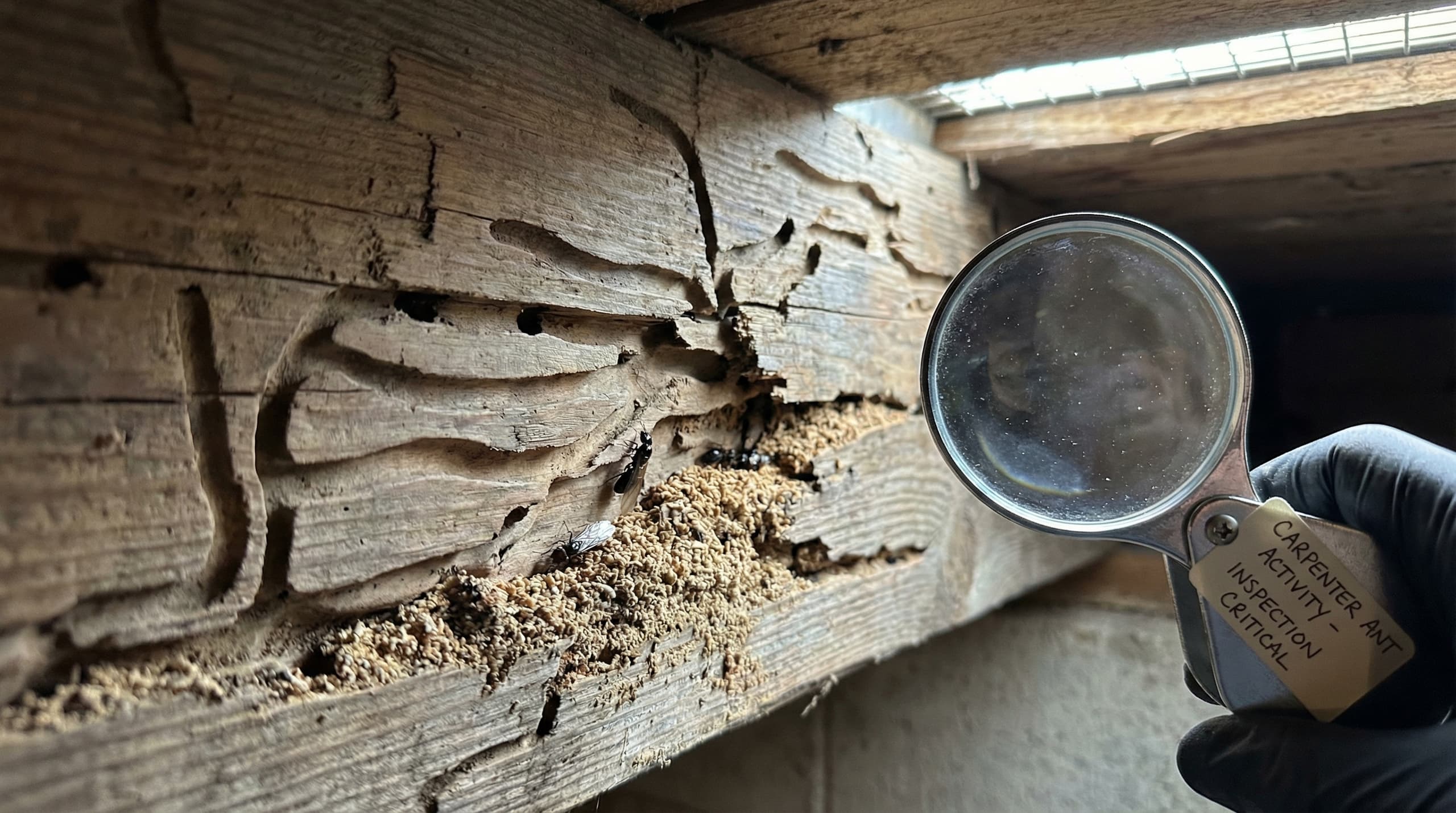
- Flying ants indoors. Swarming (winged) ants coming from inside the house indicate an established colony reproducing inside the structure. This is especially serious with carpenter ants. Read our carpenter ant damage in Idaho guide before scheduling anything.
- Sawdust piles near baseboards or window frames. That is carpenter ant frass. Different urgency, different treatment. Call today, not next week.
- Ants in the bathroom or laundry, not the kitchen. They're tracking water, which usually means there's a hidden pipe leak or a moisture issue in the wall. Fix the moisture first, then treat.
Which Ant Species Are You Actually Preventing?
Prevention strategy shifts slightly based on which species you are dealing with. The good news is that the 12-step checklist above works against every common Boise ant species. The context just helps you know where to focus. For identification details on the other Idaho ant species, see our carpenter ant vs pavement ant guide.
- Odorous house ants. Older Boise neighborhoods, indoor kitchens, multi-queen colonies. Focus on steps 1, 2, 6, 7, and 12. Vinegar counter wipes matter a lot here.
- Pavement ants. Newer Meridian, Eagle, and Kuna subdivisions. Focus on steps 1, 3, 4, and 12. Foundation and utility penetration sealing matters most.
- Carpenter ants. Homes near trees, wood-sided houses, and any home with moisture damage in the framing. Focus on step 2 (moisture) plus a professional inspection. Prevention alone is often not enough once carpenter ants are active.
- Field ants and thatching ants. Yard-only species that rarely enter the home. Step 5 (rock instead of mulch) plus a granular yard treatment handles them.
Prevention Beats the Emergency Call
Ants are a constant summer pest in Boise, and the prevention math is genuinely simple. A first year of quarterly protection costs about the same as two emergency treatments and takes zero weekends of your time. The 12-step checklist above is the DIY foundation, but step 12 is the one that actually keeps ants outside for good.
Get started with a $49 first service by calling (208) 297-7947 or booking online through our Boise ant control page. We are locally owned, 4.9 stars across 170+ Google reviews, and we serve 2,500+ families across the Treasure Valley on quarterly plans. Free re-service between visits if pests come back. No hidden fees.
Frequently Asked Questions
Why do ants come into Boise homes in summer?
Quick answerAnts come into Boise homes in summer chasing moisture more than food.
Idaho's dry climate means colonies exhaust outdoor water sources fast once temperatures push past 90 degrees, and they follow moisture inside through foundation cracks, utility penetrations, and door seals. A slow drip under the kitchen sink or a leaking outdoor hose bib is often what triggers the invasion.
How do I keep ants out of my Boise kitchen this summer?
Quick answerWipe counters nightly with a 50/50 vinegar and water spray to break scout pheromone trails, seal the gaps behind the sink and around cabinet toe kicks, move fruit bowls into the fridge during July and August, and store pet food in a lidded container.
If ants keep coming back within 48 hours, the colony is nearby and prevention alone will not clear it. A $49 initial visit installs the exterior barrier that stops the cycle.
What will keep ants away permanently in a Boise home?
Quick answerA quarterly exterior barrier is the only method that keeps ants away permanently in Boise.
Retail sprays and natural deterrents like peppermint oil break scout trails temporarily but do nothing to the colony. Professional organic-based products applied 3 feet up the foundation and 3 feet out into the soil kill workers as they cross, which takes the colony down without ever having to spray inside your home.
How much does ant prevention cost in Boise?
Quick answerThe Green Guard initial visit runs $49 for all home sizes and includes the full perimeter barrier plus interior spot treatment.
Ongoing quarterly maintenance is $119 per treatment for homes up to 2,500 square feet, $139 for 2,501 to 4,000, and $159 for 4,001 to 5,500. A first-year total of $406 is about the same as two emergency one-time treatments ($400). Add free re-service between visits, and quarterly protection is usually the better deal.
When should I start ant prevention treatment in Boise?
Quick answerStart ant prevention in Boise between April and early July.
Ant colonies wake up in March, expand through May, and hit peak workforce by late July, so a barrier that lands before mid-July stops the colony at 1,500 to 2,000 workers. Wait until August and you are dealing with a colony that has doubled or tripled and possibly split into satellite nests, which takes longer to break.
What smells will ants avoid?
Quick answerAnts avoid vinegar, peppermint oil, cinnamon, citrus peels, and clove oil most strongly.
Vinegar is the most practical option for daily kitchen use because it also breaks pheromone trails, doubles as a mild disinfectant, and costs almost nothing. Peppermint oil and cinnamon work well around exterior entry points but need to be refreshed weekly to stay effective.