
Rodents
Voles
Microtus spp.
IdentificationHow to Identify Voles
Quick Answer
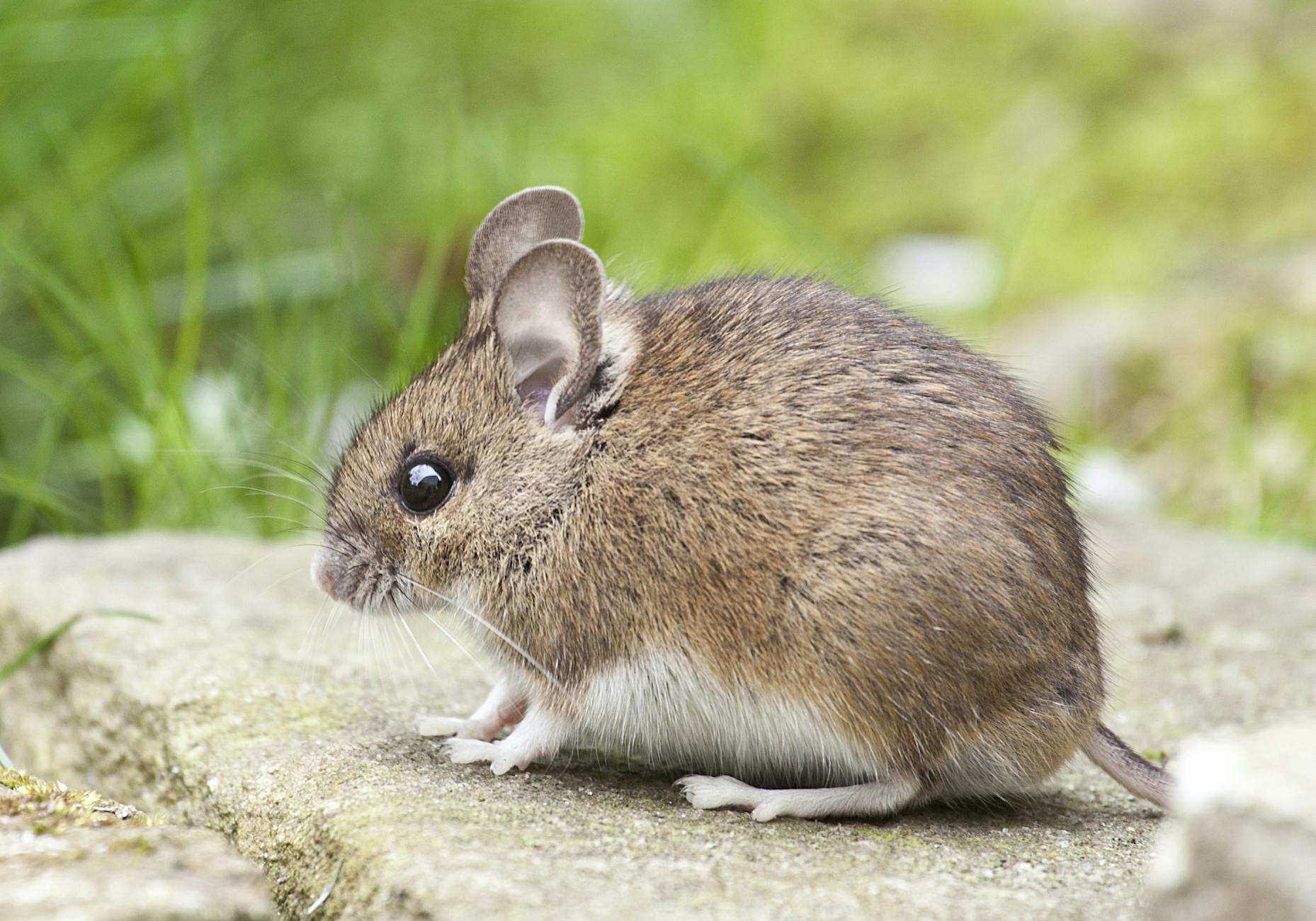
Voles (meadow mice) are small, stocky rodents with short tails, small ears, and blunt snouts. They're often confused with mice but have smaller eyes, shorter tails (about 1/3 body length), and stockier bodies.
Full identification notes
In Idaho, the montane vole and meadow vole are most common.
Free
Re-Service Between Visits
4.9/5
Google Rating
9 to 5
Office Hours, Mon to Fri
Voles Behavior & Habits
Understanding how voles behave helps prevent infestations
Voles dig shallow tunnel systems just below the soil surface or under snow cover.
More about their habits
They're active day and night, year-round. One pair can produce 100+ offspring per year. They eat grass, roots, bulbs, and bark, and they do serious damage to fruit trees and ornamentals in winter.
Voles Risks & Dangers
What voles can do to your health and property
Health Risks
Voles rarely come inside, so direct health risks are low.
Property Damage
Voles cause significant landscape damage.
Full health and property details
Health Risks
They can carry ticks and fleas that pass on disease, so don't handle them without gloves.
Property Damage
They girdle trees and shrubs (eating bark around the base), destroy bulbs and root vegetables, kill lawns with their runway systems, and can damage irrigation lines.
Signs of Voles Infestation
Look for these indicators in your home
Signs You Have Voles
What homeowners spot first
- Surface runways (1-2 inch wide paths) through grass
- Small round holes (1.5 inches) at ground level
- Gnaw marks on tree bark near ground level
More signs to look for
- Dead patches in lawn following runway patterns
- Missing or damaged bulbs and root vegetables
- Droppings (small, greenish) in runways
Voles in Boise & the Treasure Valley
Voles are everywhere across the Treasure Valley, especially in older Boise neighborhoods like the North End and Eagle subdivisions where mature landscaping gives them cover.
More on what we see locally
We see the worst tree damage in late February and early March, when the last snow melts back and homeowners find girdled trunks on their fruit trees. Meridian and Eagle properties that back up to greenbelts, canals, or open fields get hit hardest year after year.
How We Handle Voles
What our approach looks like
Voles and other rodents living outside are usually a separate service with separate pricing from our general pest plan, so we look at the runway activity and quote the job first.
Our full approach
Habitat changes make a big difference on your end: trim back dense groundcover, pull mulch away from tree trunks, and wrap fruit trees and young shrubs with hardware-cloth guards. Call (208) 297-7947 for a vole quote.
How to Prevent Voles
Steps you can take to reduce the risk of infestation
- Keep lawns mowed short (removes cover)
- Remove leaf litter and ground debris
- Pull mulch 3+ inches away from tree trunks
More prevention steps
- Use hardware cloth cylinders around young trees
- Reduce dense groundcover near valuable plants
- Remove fallen fruit and seeds
Voles Questions Answered
Common questions about identification, prevention, and treatment
Call (208) 297-7947What's the difference between voles and moles?
Quick answerVoles are small rodents that eat plants and create surface runways.
Moles are insectivores with large digging claws that create raised tunnel ridges. Voles damage plants; moles damage lawns but actually eat grubs and insects.
Why are voles killing my trees?
Quick answerVoles gnaw bark off trees at the base (girdling), especially under snow cover in winter.
Once bark is removed around the entire trunk, the tree dies. Protect young trees with hardware cloth guards extending 18 inches high.
Do cats control voles?
Quick answerCats, owls, and hawks all help knock down vole numbers, but they rarely wipe out a population.
Voles breed too fast (5-10 litters a year) for predators to keep up on their own. If voles are tearing up your yard, give us a call at (208) 297-7947.
Similar Pests
Learn about other pests in this category
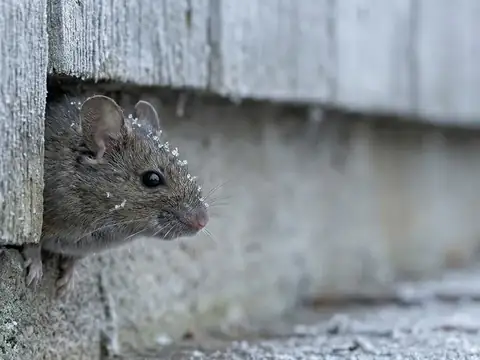

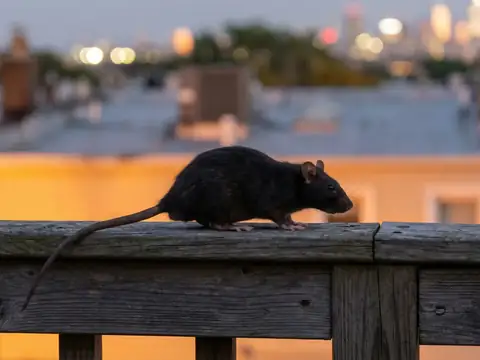
Related Guides
Expert articles related to voles in Idaho
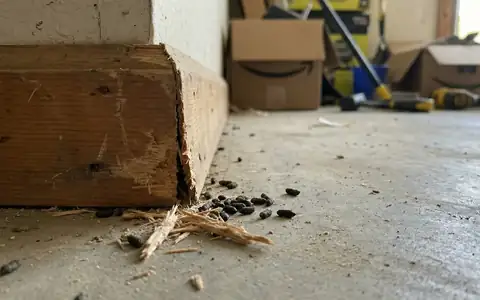

Think You Have Voles?
Call and we'll talk through your options. We usually get out within 24 to 48 hours.
Quarterly plans starting at
$119/quarter
- No-Obligation Quote
- Locally Owned
- Free Re-Service Between Visits
Our Pest Control Services
Complete pest protection. Professional solutions for every pest problem, on a quarterly plan or a one-time visit.
General Pest ControlLearn More
Year-round protection packages
Ant ControlLearn More
Carpenter & pavement ants
Spider ManagementLearn More
Black widows & hobo spiders
Rodent ControlLearn More
Mice, rats & voles
Wasp & HornetLearn More
Nest removal & prevention
Mosquito & OutdoorLearn More
Mosquitos, ticks & fleas
Eco-FriendlyLearn More
Pet & kid safe options
CommercialLearn More
Business & warehouse
Proudly Serving the Treasure Valley
Local technicians from the Treasure Valley, in Boise, Meridian, and surrounding communities.
Pest Control Resources
Expert tips & guides. Local pest knowledge from Boise's trusted exterminators