
Rodents
Roof Rat
Rattus rattus
IdentificationHow to Identify Roof Rat
Quick Answer
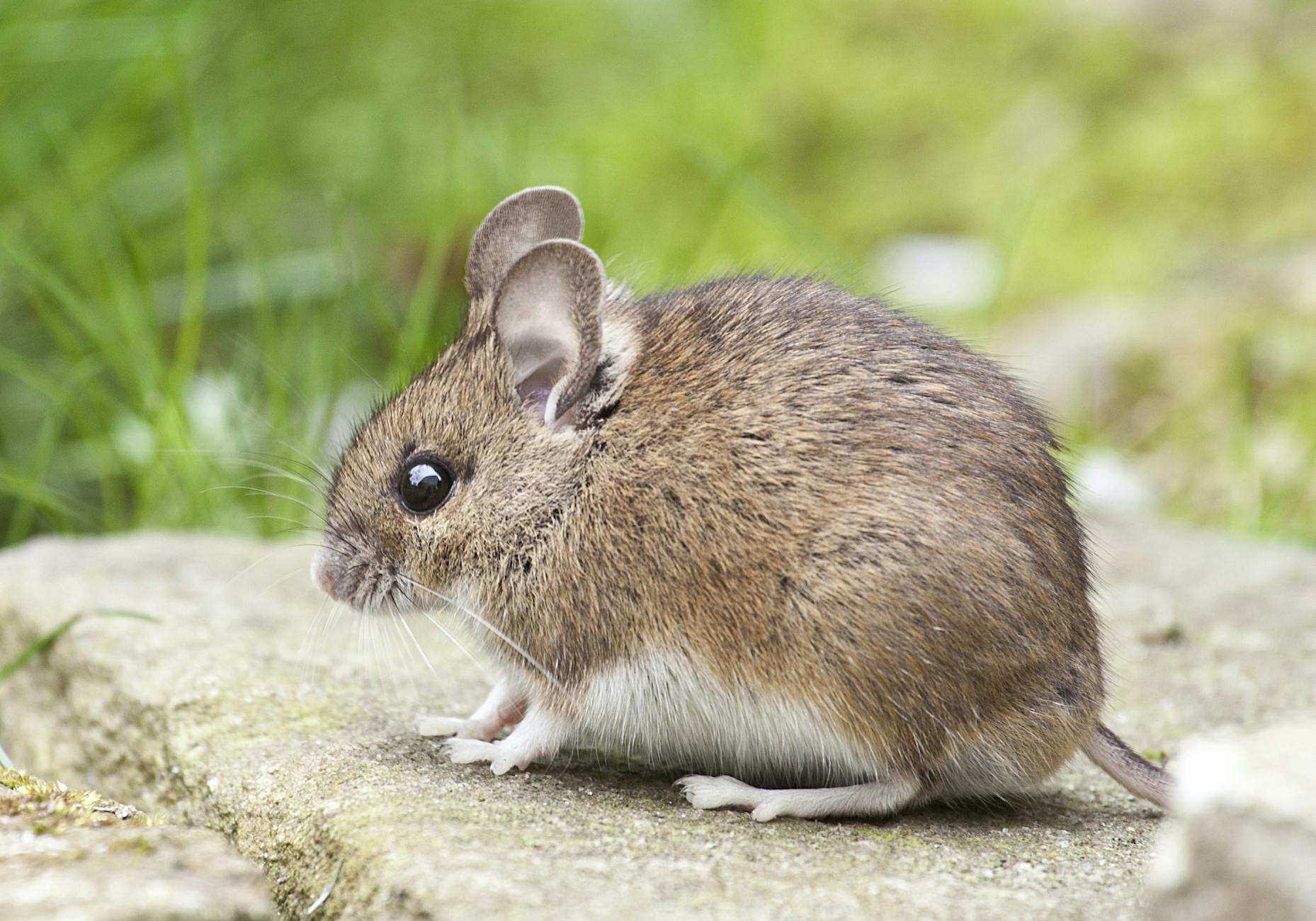
Roof rats are sleek, agile rodents with tails longer than their body. They've got dark brown to black fur, large ears, pointed noses, and bulging eyes.
Full identification notes
Their droppings are spindle-shaped with pointed ends, about 1/2 inch long. You'll also hear them called black rats or ship rats.
Free
Re-Service Between Visits
4.9/5
Google Rating
9 to 5
Office Hours, Mon to Fri
Roof Rat Behavior & Habits
Understanding how roof rat behave helps prevent infestations
Roof rats are excellent climbers and stick to high ground.
More about their habits
They travel along tree branches, utility lines, and fence tops to reach your roof. They're less cautious than Norway rats, so they're easier to trap. They nest in attics, dense vegetation, and tree canopies, not basements or crawlspaces.
Roof Rat Risks & Dangers
What roof rat can do to your health and property
Health Risks
Roof rats carry leptospirosis, rat-bite fever, salmonella, and typhus, and they're the species historically tied to plague outbreaks.
Property Damage
Roof rats chew through wiring, insulation, and stored boxes in your attic.
Full health and property details
Health Risks
They contaminate food and surfaces with droppings and urine. Even a dead one in your attic can leave behind parasites and a smell that hangs around for weeks.
Property Damage
Gnawed electrical wires are a real fire risk, and attic fans, HVAC ductwork, and stored decorations can be wrecked in a single season. They'll also strip fruit off backyard trees overnight.
Signs of Roof Rat Infestation
Look for these indicators in your home
Signs You Have Roof Rat
What homeowners spot first
- Spindle-shaped droppings with pointed ends
- Sounds of running or scratching in attic
- Fruit with gnaw marks on trees
More signs to look for
- Gnaw marks on wires, wood, and stored items
- Greasy marks along rafters and beams
- Hollowed-out fruit or citrus
Roof Rat in Boise & the Treasure Valley
Roof rats are less common than Norway rats across the Treasure Valley, but we see them in older Boise neighborhoods like the North End, the Boise Bench, and around Hyde Park where mature trees brush up against rooftops.
More on what we see locally
They're also a regular call in Eagle and east Meridian properties with fruit trees or thick ivy on the walls. Most of our roof rat calls come in fall, once nights cool off and they push from the yard into warm attics. If your neighbor's been pulling apples off a backyard tree this year, expect company.
How We Handle Roof Rat
What our approach looks like
Roof rats travel high, so placement matters.
Our full approach
We set locked, tamper-resistant bait stations along their travel routes and plug the obvious gaps with copper mesh. We don't go into or treat attics, so the biggest thing you can do is trim back tree limbs and ivy that touch the house, which cuts off their highway in. If they show up between visits, we come back free.
How to Prevent Roof Rat
Steps you can take to reduce the risk of infestation
- Trim tree branches away from roof (4+ feet)
- Install guards on utility lines
- Seal all openings larger than 1/2 inch
More prevention steps
- Remove fallen fruit promptly
- Store attic items in sealed containers
- Cap chimneys and vent pipes
Roof Rat Questions Answered
Common questions about identification, prevention, and treatment
Call (208) 297-7947How do roof rats get in my attic?
Quick answerThey're agile climbers that reach attics by way of tree branches touching the roof, utility lines, vines on walls, or gaps at the roofline.
They can squeeze through openings as small as a quarter, so even a half-inch gap around a vent or chimney flashing is plenty.
How do I tell roof rat droppings from Norway rat droppings?
Quick answerRoof rat droppings are spindle-shaped with pointed ends, about 1/2 inch long.
Norway rat droppings are larger (around 3/4 inch) and blunt on the ends, more capsule-shaped. If you're finding them up on rafters, beams, or attic insulation, it's almost always roof rats. Norway rats stay closer to the ground.
When are roof rats most active around Boise?
Quick answerWe get the bulk of our roof rat calls in fall and early winter, once the nights cool off and they push from yards into warm attics.
They're year-round in the Treasure Valley, but September through December is when most homeowners first hear scratching above the bedroom ceiling. Neighborhoods with fruit trees or heavy ivy tend to see them earliest.
Similar Pests
Learn about other pests in this category
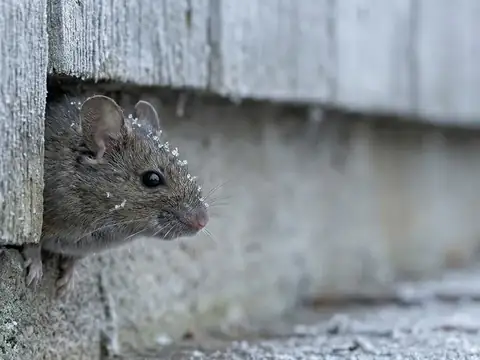
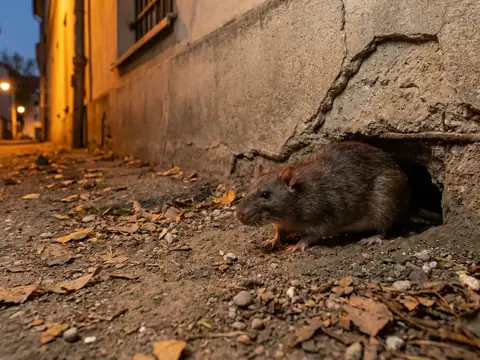

Related Guides
Expert articles related to roof rat in Idaho
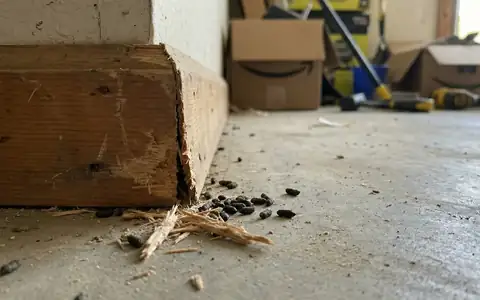
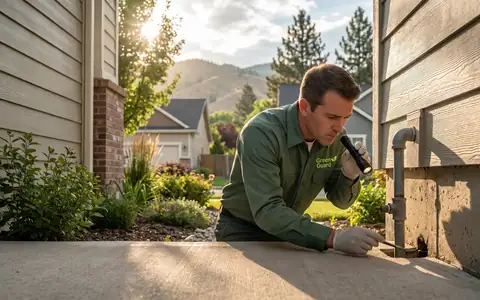
Think You Have Roof Rat?
Call and we'll talk through your options. We usually get out within 24 to 48 hours.
Quarterly plans starting at
$119/quarter
- No-Obligation Quote
- Locally Owned
- Free Re-Service Between Visits
Our Pest Control Services
Complete pest protection. Professional solutions for every pest problem, on a quarterly plan or a one-time visit.
General Pest ControlLearn More
Year-round protection packages
Ant ControlLearn More
Carpenter & pavement ants
Spider ManagementLearn More
Black widows & hobo spiders
Rodent ControlLearn More
Mice, rats & voles
Wasp & HornetLearn More
Nest removal & prevention
Mosquito & OutdoorLearn More
Mosquitos, ticks & fleas
Eco-FriendlyLearn More
Pet & kid safe options
CommercialLearn More
Business & warehouse
Proudly Serving the Treasure Valley
Local technicians from the Treasure Valley, in Boise, Meridian, and surrounding communities.
Pest Control Resources
Expert tips & guides. Local pest knowledge from Boise's trusted exterminators