Quick answer
This Idaho pest calendar maps all 12 months of pest pressure in the Treasure Valley. The two highest-value treatment windows are March and October. As of September 2026, we're in fall exclusion season: spiders are moving indoors, box elder bugs and stink bugs are massing on sunny south-facing walls, and mice are testing foundations for winter entry. Quarterly service in the Treasure Valley starts at $49 and runs $119 per quarter for homes up to 2,500 sq ft, with a free re-service guarantee between visits.
Key Takeaways
- Idaho pest activity follows the same monthly pattern every year, so you can plan ahead instead of reacting
- As of September 2026, the Treasure Valley is in fall exclusion season. Spiders, box elder bugs, stink bugs, and mice are all pushing indoors at once
- October is your last real shot at exclusion before mice and overwintering insects settle into walls for winter
- March is the other high-value month. Treating before spring populations grow saves money all summer
- Mice fit through a gap the size of a dime, so seal anything larger than 1/4 inch before the first hard freeze
- Quarterly service at $49 to start, then $119 per quarter, costs less than one $200+ emergency treatment
- Refreshed September 2026 with the current fall pressure read for Boise, Meridian, Eagle, and Nampa homes
In this article

When Should You Start Pest Control in Idaho?
The best time to start pest control in Idaho is early March. That is when overwintering ant colonies, wasp queens, and spiders begin emerging in the Treasure Valley. This Idaho pest calendar shows you exactly which pest peaks each month so you can treat ahead of the problem instead of reacting to it. Treating in March stops populations before they multiply, which is dramatically cheaper than treating after a summer infestation. If March has already passed, the next-best windows are early June (catches summer wasps) and late September (locks out fall rodent invasions).
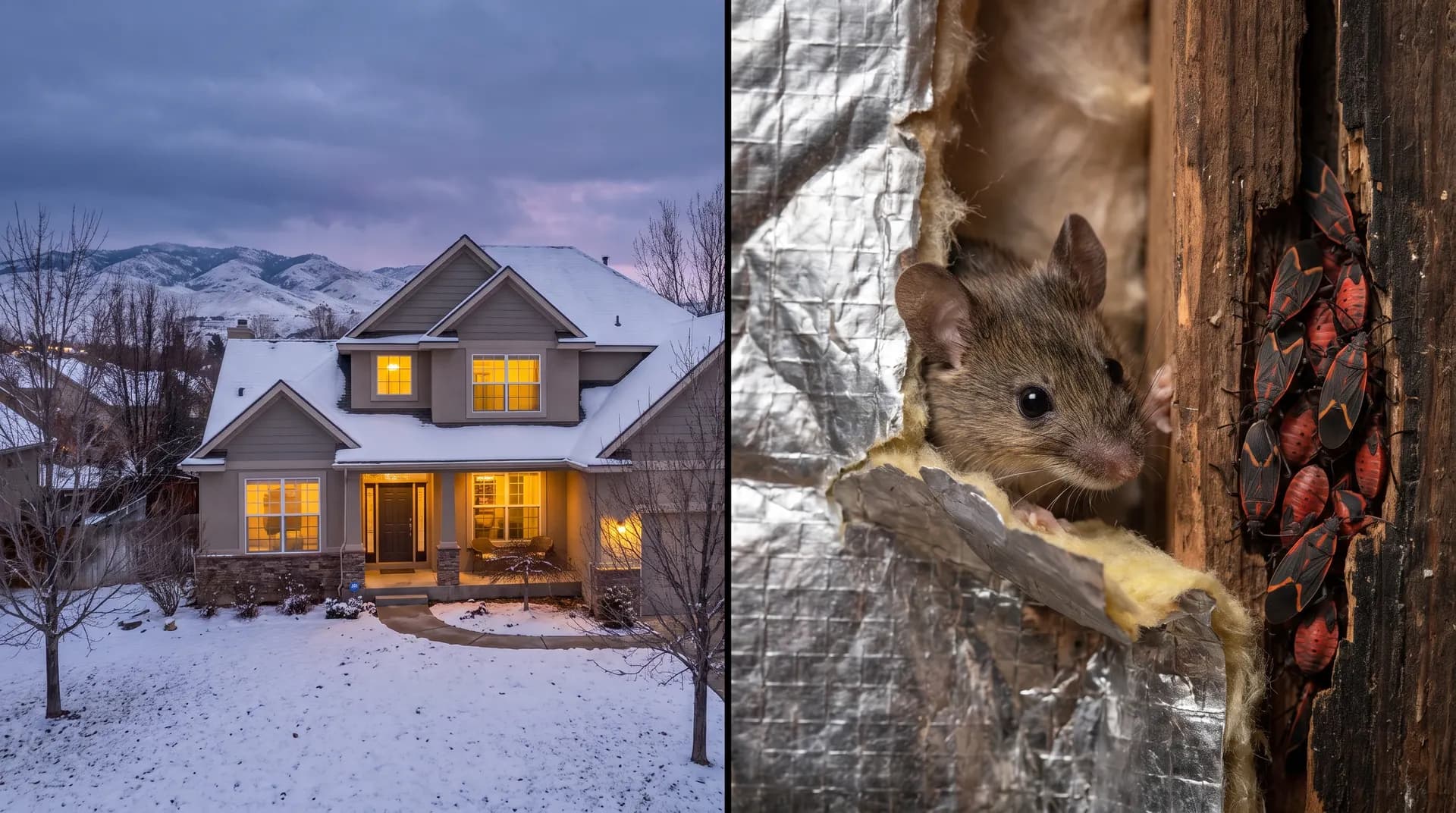
Two months matter most every year. March sets your prevention barrier before pests wake up. October seals out mice and overwintering insects before the first hard freeze. Hit those two windows and you're ahead of the problems Boise, Meridian, Eagle, and Nampa homeowners call us about most.
Idaho Pest Calendar by Season: Fall 2026 Quick Reference
Spot the dominant pest and one prevention move per season in the Treasure Valley. Use this 4-row summary for the fast read. We're in the fall row now, and mice are the pest most likely to cost you real money before spring. The month-by-month table below has the full picture.
| Season | Dominant Pest | One Prevention Action |
|---|---|---|
| Spring (Mar to May) | Ants emerging and wasp queens scouting | Book an early-March quarterly before colonies grow |
| Summer (Jun to Aug) | Wasps, mosquitoes, and black widows at peak | Knock down small nests in June and clear standing water weekly |
| Fall (Sep to Nov), right now | Spiders, box elder bugs, and mice moving indoors | Seal every gap larger than 1/4 inch by October |
| Winter (Dec to Feb) | Mice and rats breeding inside heated walls | Set traps in attics and crawlspaces; rotate pantry goods |
If you only remember one rule, make it this. March and October are the highest-value treatment windows in Idaho. Everything else is touch-up.
Wondering what actually dies off once it gets cold? Most of it doesn't. Our guide on whether pests die in an Idaho winter breaks down which bugs freeze, which hibernate, and which just move in with you.
2026 Idaho Pest Calendar at a Glance
Here is the fast answer for every month in 2026. Each row tells you the top pest threat in Idaho, the action a Treasure Valley homeowner should take, and the right treatment window. The deeper month-by-month breakdown below explains the why behind each row.
| Month | Top Pest Threat | Action to Take | Treatment Window |
|---|---|---|---|
| January | Mice and rats (peak indoor activity) | Set traps; seal interior gaps | Active rodent treatment |
| February | Rodents; early carpenter ants | Schedule your spring start | Pre-spring planning |
| March | Ants emerging; spiders waking | Start quarterly service | Spring quarterly (top priority) |
| April | Wasp queens and foraging ants | Treat exterior perimeter | Early-season barrier |
| May | Ants peak; spiders; ticks in foothills | Maintain barrier; check pets | Seasonal touch-up |
| June | Wasps building; mosquitoes hatching | Knock down small wasp nests | Summer quarterly |
| July | Yellow jackets; black widows at peak | Stop DIY on established nests | Mid-summer service |
| August | Yellow jackets at peak aggression; black widows and hobo spiders peaking | Watch for ground nests; call a pro on any active nest | Late-summer service (emergency window) |
| September (now) | Spiders heading indoors; box elder bugs and stink bugs congregating | Seal cracks 1/4 inch or larger | Fall quarterly (top priority) |
| October | Rodents moving indoors | Install door sweeps; check garage | Pre-winter barrier treatment (last call) |
| November | Final rodent entry attempts | Inspect attic and crawlspace | Winter prep treatment |
| December | Indoor mice and rats and spiders | Check pantry; rotate stored decor | Winter quarterly |
The two most important months are March and October. March stops populations before they explode for summer. October keeps mice and overwintering insects out before the first hard freeze. If you only treat twice a year in the Treasure Valley, those are the windows that pay back the most.
The rest of this guide answers the same question for every month: what's active right now in Boise, Meridian, Eagle, Nampa, Caldwell, and the rest of the Valley, and what should you do about it.
Fall 2026 Update: What Treasure Valley Homeowners Are Seeing Right Now
As of September 2026, the Treasure Valley has flipped from summer peak to fall exclusion season. Nights are dropping into the 40s, irrigation is shutting off, and every pest that spent the summer in your yard is hunting for a warm place to wait out winter. Your house is the warmest thing on the block. Our techs are logging the five patterns below on Boise, Meridian, Eagle, and Nampa service calls this week.
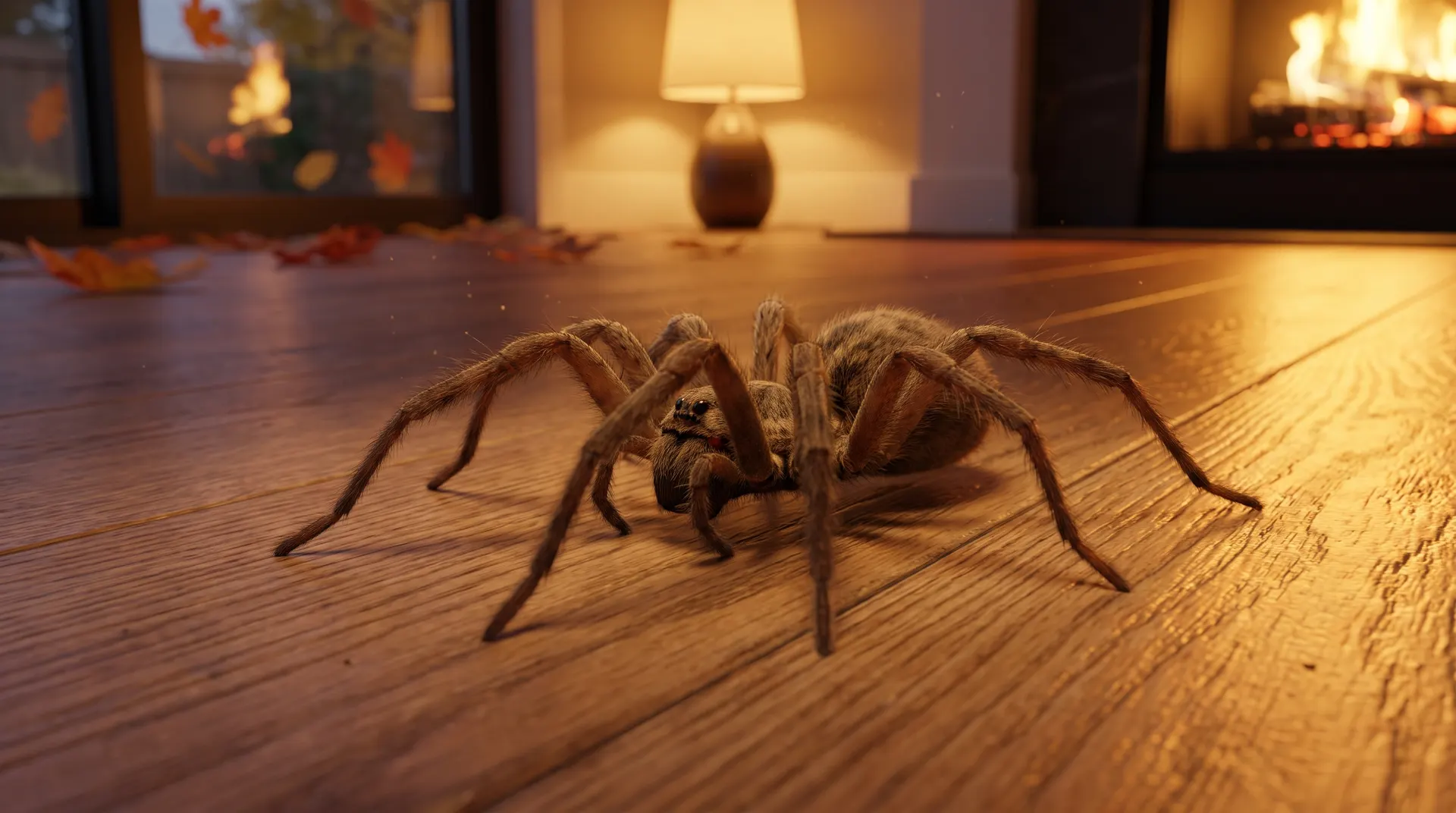
- Spiders are coming inside, not building outside. The webs on your eaves thin out while basement corners, garage ceilings, and window wells fill up. Male hobo spiders roam hardest in September looking for mates, which is why you suddenly see them sprinting across the floor at night. Our guide on why spiders invade Boise homes every fall covers the timing and the fix.
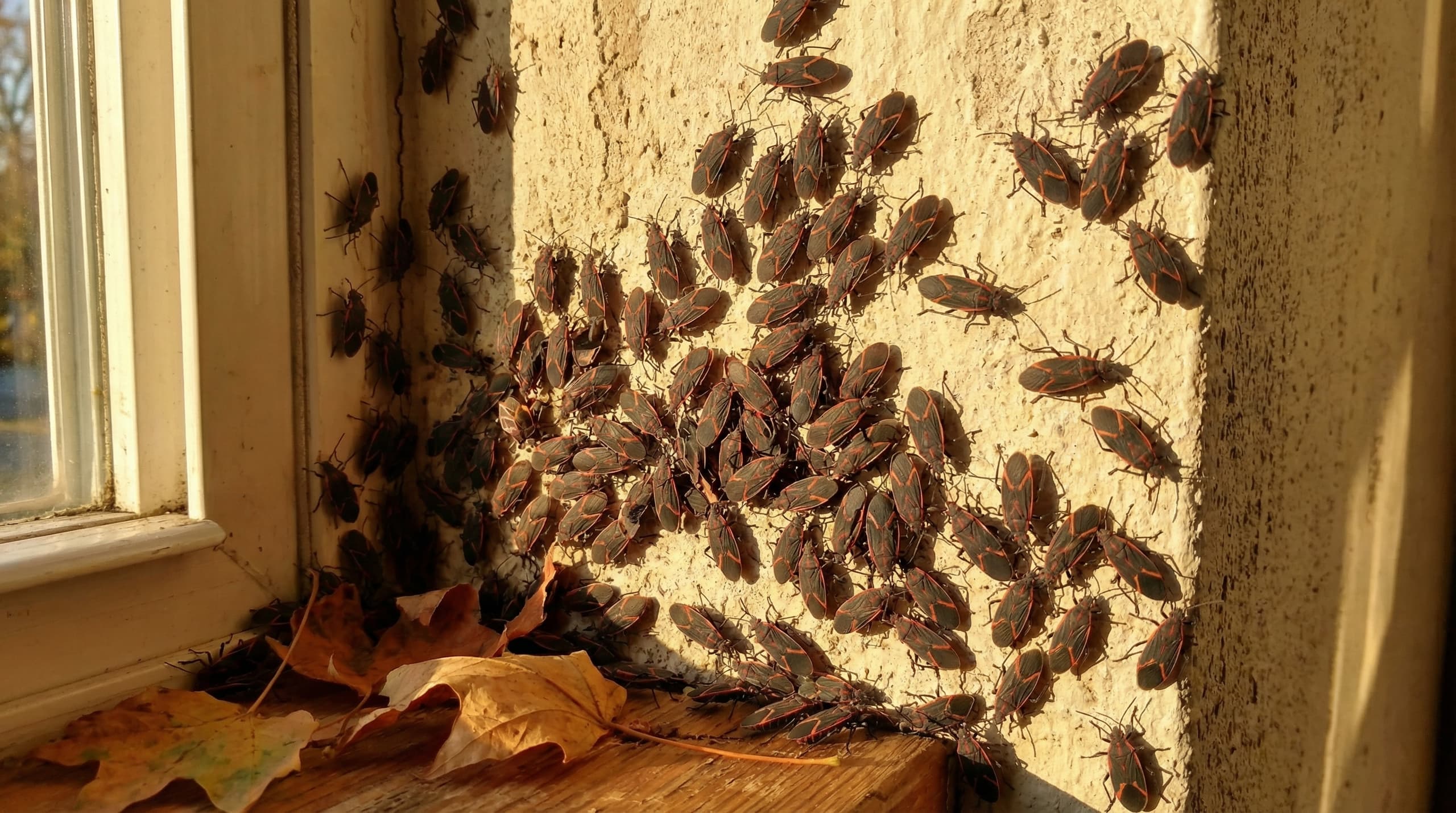
- Box elder bugs and stink bugs are massing on south-facing walls. Warm siding pulls them in by the hundreds on sunny afternoons, then they slip behind trim and into wall voids. Once they're inside, spraying doesn't help much. Read the box elder bug guide and our Idaho stink bug guide for the exclusion-first approach.
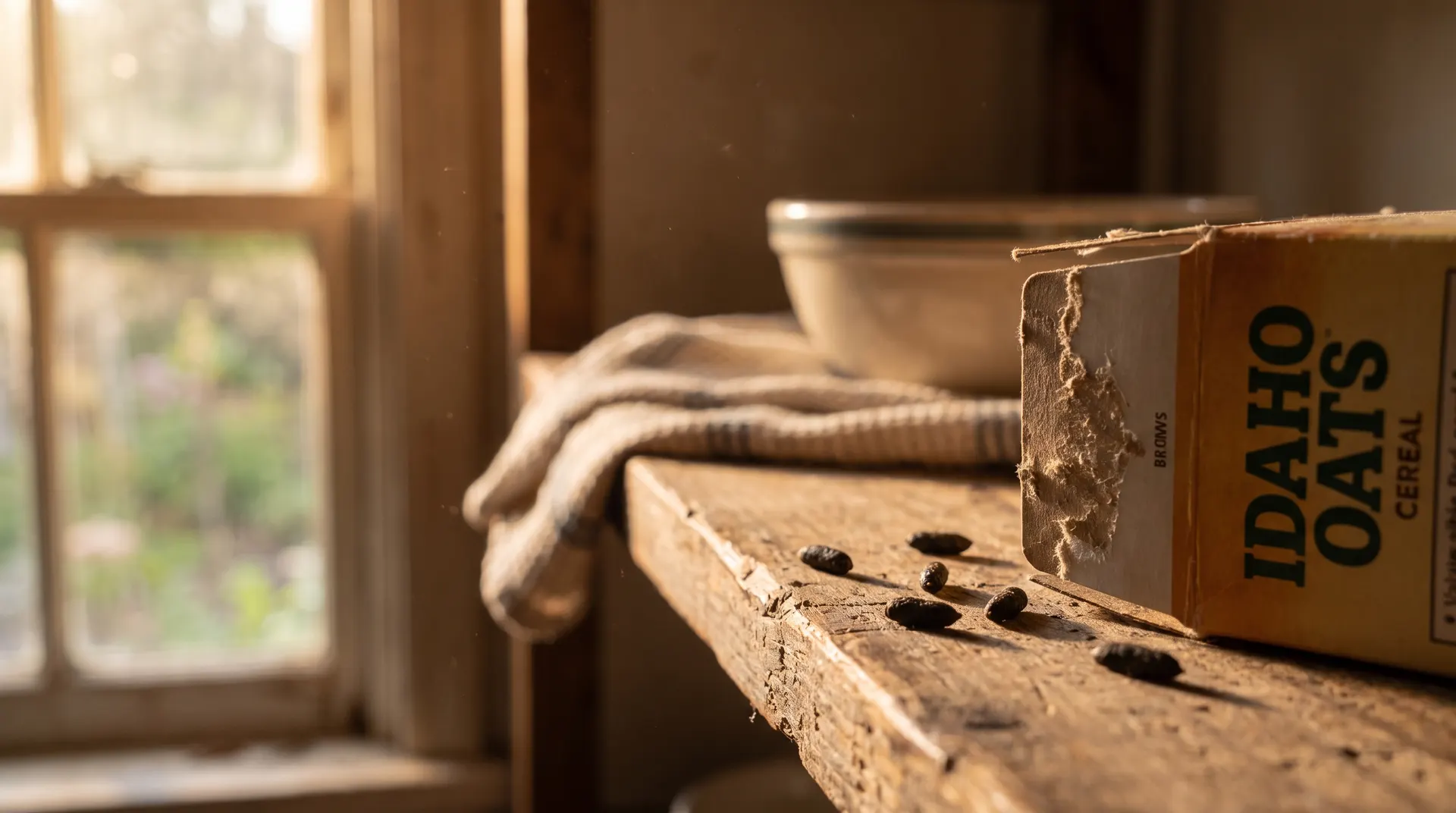
- Mice are testing foundations right now. Field mice move toward heated structures four to six weeks before the first hard freeze, which in the Valley means right now. Droppings behind the stove or a faint scratching in the wall at night means they're already in. Here's how to spot the early signs of mice before it becomes a winter-long problem.
- Wasp colonies are collapsing and queens are looking for a place to hibernate. The nest under your eave is dying, but next spring's queens are wedging into attic vents, siding gaps, and window frames. Knocking down a dead nest in October does nothing. Sealing the gaps around it does.
- Crickets and earwigs are pushing into garages and basements. Cooling soil drives them toward the foundation, and an unsealed garage door sweep is an open invitation. These are the calls that spike every year the week after the first cold snap.
Idaho Pest Activity Month by Month
Here is the month-by-month core of this Idaho pest calendar. Each section answers one question: what's active this month in Idaho, and what should you do about it? Use the at-a-glance table above for the fast read, or jump to the month you're in for the full picture and the right next step.
What Pests Are Active in January in Idaho?
January is peak rodent month indoors in Idaho. Mice and rats are breeding inside heated walls and attics, spiders are active in basements and garages, and pantry pests are at work in any flour, grain, or pet food that has sat too long. Here is what we see at Treasure Valley homes this month.
What Pests Are Active in February in Idaho?
February is still rodent season indoors, with the first signs of spring stirring on warm afternoons. Carpenter ants scout exposed siding, cluster flies start showing up in attics, and spider visibility creeps up. It's the best month of the year to lock in your March quarterly slot before our schedule fills up.
- Rodents: Still very active indoors
- Early carpenter ants: Appear on warm afternoons
- Spiders: Increasing visibility
- Cluster flies: More frequent emergence in attics
- Planning: Ideal time to schedule spring service
What Pests Are Active in March in Idaho?
March is the single most important month to start pest control in Idaho. Carpenter ants, odorous house ants, spiders, and box elder bugs all wake up during the first stretch of 50 to 60 degree afternoons. Treating now stops populations before they explode for summer. Across the 2,500+ Treasure Valley homes Green Guard protects, March kicks off our busiest call season of the year.
- Carpenter ants: First spring sightings, especially on warm days
- Odorous house ants: Beginning to forage
- Spiders: Emerging from winter hiding spots
- Box elder bugs: Active on warm exterior walls
- Mice: Still active indoors; some moving outdoors
What Pests Are Active in April in Idaho?
April brings full spring emergence in the Treasure Valley. Every ant species ramps up foraging, wasp queens leave overwintering sites to scout for nest spots, spiders are spinning webs around eaves and corners, and earwigs surface around foundations as soil temperatures climb past 50 degrees. This is the last cost-effective window before May populations peak.
- All ant species: Active foraging begins in force
- Wasp queens: Emerging to start new colonies
- Spiders: Building webs and hunting actively (see our spring spider guide)
- Earwigs: Appearing around foundations as soil warms past 50 degrees
- Sowbugs and pillbugs: Active in damp areas
What Pests Are Active in May in Idaho?
May is when ants peak and wasp colonies get serious. Kitchen invasions hit their highest call volume of the year, flying-ant swarmers come out of mature colonies, wasp queens transition to worker production, and ticks become a real problem in the foothills. Treasure Valley homes already on quarterly service ride this month easy. The ones that aren't pay for it.
- Ant activity: Maximum foraging; kitchen invasions increase
- Flying ants: Swarmers appear from mature colonies
- Wasps: Queens building nests; first workers emerging
- Spiders: Including black widows, fully active
- Ticks: Active in foothills and brushy areas
What Pests Are Active in June in Idaho?
June kicks off summer pest season in the Treasure Valley. Wasp colonies are still small enough to handle without drama, ants keep foraging hard, mosquitoes ride the start of irrigation season, and black widows ramp up in garages and woodpiles. Yellow jackets are the pest to watch as colonies expand week over week.
- Wasps: Colonies growing; still manageable for treatment
- Ants: Peak foraging activity continues
- Mosquitoes: Beginning of irrigation-season activity
- Spiders: Black widows most active in hot months
- Elm seed bugs: Swarming and seeking shelter indoors
- Flies: House flies and cluster flies increasing
What Pests Are Active in July in Idaho?
July is peak heat and peak pest pressure in Idaho. Wasp and hornet colonies are large and aggressive, mosquito populations explode along irrigated landscapes and the Boise River, ants continue their heavy summer foraging, and black widows hit their annual peak in garages, sheds, and outdoor furniture. This is the most dangerous month of the year for stings and bites.
- Wasps and hornets: Large colonies, increasing aggression
- Black widow spiders: Most active during hot months
- Mosquitoes: Peak populations near irrigation
- Ants: Continued heavy activity
- Heat-seeking insects: Various pests entering for cool shelter
What Pests Are Active in August in Idaho? (2026 Peak Report)
August is the worst single month for pest pressure in Idaho. Wasp and yellow jacket colonies hit maximum size and peak aggression, spider populations peak (especially black widows and hobo spiders), late-season ant swarmers fly, mosquitoes keep hatching along irrigation, and mice start scouting your foundation for winter entry points. If you have not started service yet this year, June was your last cost-effective window. Emergency one-time treatments in August run $200 or more across the Treasure Valley.
The five patterns that fill our schedule every August in Boise, Meridian, Eagle, and Nampa:
- Wasps and yellow jackets at peak aggression. Colonies are basketball-sized under eaves, in shrubs, and in ground nests. Ground nests are the single most dangerous surprise this month. Mowers and kids running through the yard trigger swarms.
- Black widow and hobo spider populations at annual peak. Garage corners, meter boxes, woodpiles, patio furniture, and outdoor storage bins are prime harborage. Foothill Boise and Eagle homes get the highest pressure.
- Late-season ant swarmers flying. Winged reproductive ants pour out of mature odorous house ant and pavement ant colonies. Often mistaken for termite swarmers.
- Mosquitoes still hatching along irrigation. Flood-irrigated yards near canals and laterals produce the last big wave of the season. See our peak mosquito season guide for the fix.
- Field mice scouting your foundation. Mice start testing perimeters four to six weeks before the first hard freeze. August is a good time to seal gaps around your foundation yourself, which heads off winter rodent calls.
What Pests Are Active in September in Idaho?
September is the start of fall transition and the second-most-important treatment month after March. Spider visibility peaks as males roam looking for mates, box elder bugs cluster on sunny south-facing walls, stink bugs and Asian lady beetles look for entry points, and mice begin moving toward heated structures. Treat now and you keep the next four months of overwintering pests out of your walls.
- Spiders: Peak visibility as males seek mates
- Box elder bugs: Congregating on sunny walls
- Stink bugs: Seeking entry points on warm south-facing siding
- Asian lady beetles: Swarming on warm surfaces
- Mice: Actively seeking shelter
What Pests Are Active in October in Idaho?
October is your last real chance to lock pests out before winter. Rodents move aggressively toward heated structures before the first hard freeze, overwintering insects make peak entry attempts, spiders follow prey indoors, wasp queens look for hibernation spots in attics and siding voids, and crickets push into garages and basements. Most rodent calls Green Guard handles all winter trace back to gaps left open in October.
- Rodents: Aggressive shelter-seeking before freeze
- Overwintering insects: Peak entry attempts
- Spiders: Following prey indoors
- Wasp queens: Seeking overwintering sites
- Crickets: Invading garages and basements
What Pests Are Active in November in Idaho?
November is the final entry push of the year. Rodents make their last attempts to get inside before the hard freeze, overwintering insects settle into wall voids and attic spaces, indoor spiders stay active in heated rooms, and pantry pests get going on the year's holiday baking supplies. This is the month to inspect your attic, crawlspace, and garage one more time.
What Pests Are Active in December in Idaho?
December swings the focus back indoors. Mice and rats hit peak indoor activity as outdoor survival gets brutal, spiders stay busy in heated basements and corners, pantry pests work through stored holiday baking supplies, and overwintering insects emerge briefly on sunny afternoons. Holiday decorations pulled out of storage can carry pests from last year's storage spot into this year's living room.
- Mice and rats: Peak indoor activity begins (and they need different traps)
- Spiders: Active in heated areas
- Pantry pests: Holiday food storage issues
- Overwintering insects: Emerge on sunny afternoons
- Holiday decorations: Carry pests in from storage
What Should You Do Each Season? Idaho Pest Calendar Checklists
Each season calls for specific prevention tasks. Use these checklists to stay ahead of pest problems throughout the year:
Spring Checklist (March-May)
- Inspect and seal foundation cracks exposed by winter freeze-thaw cycles
- Clear winter debris from around your home's foundation
- Schedule early-season perimeter treatment before ant colonies grow
- Address moisture issues before summer irrigation begins
- Move firewood at least 20 feet from home and stack it off the ground
Summer, Fall & Winter Checklists
Summer (June-August)
- Keep windows and doors screened and repair any tears immediately
- Eliminate standing water from planters, gutters, and birdbaths
- Store food properly during BBQ season and outdoor entertaining
- Watch for wasp nests forming under eaves, in shrubs, and at ground level
Does Pest Control Work in 100 Degree Heat?
Yes, professional pest control works in 100 degree heat, and in some ways it works better. Products bind to surfaces faster in dry, hot weather, so treatments cure in 30 to 60 minutes instead of the 2 to 4 hours we plan for in spring, and kids and pets are clear to use the yard sooner. During heat waves we treat in the early morning or late afternoon so products do not flash-evaporate off hot surfaces. Here is what changes when Boise hits the hottest stretch of late July and early August.
- Treatments cure faster. Most surfaces are touch-safe in 30 to 60 minutes instead of the spring window of 2 to 4 hours.
- Wasps are more reactive. We treat very early or very late and avoid disturbing a nest during the hottest part of the day.
- Pest activity shifts to dawn and dusk. Ants forage in the cool morning hours and after sunset, so trails look different.
- Mosquitoes hide in shaded landscape. Treatment targets the underside of leaves and shaded foundation areas, not just the open perimeter.
- Indoor treatment matters more. Heat-seeking insects like silverfish and crickets push inside during heat waves.
Other Summer Pests Worth Knowing
Beyond the wasps, mosquitoes, black widows, and ants in the monthly breakdown, a few other pests show up every summer in the Treasure Valley.
- Crickets. They emerge in late June and run through August, pressing against foundations at night and chirping from siding cracks. See our cricket control guide for Boise.
- Voles. They show up near farms, irrigated fields, and canal-fed neighborhoods in west Boise, Nampa, and Caldwell. They build runways under lawns and chew garden plant roots.
- German cockroaches. They are active year-round in heated apartments and multi-family housing, and summer heat from June through September speeds up breeding. Most Boise roach calls come from apartments, especially downtown, the Bench, and Garden City. See our cockroach control guide for Boise.
- Earwigs. They hit peak numbers in landscape beds, especially around drip irrigation. See our earwig control guide.
- Hobo spiders. They show up around foundations and in basements, especially in older Boise and Nampa homes.
- Fruit flies and house flies. They push into kitchens and garages once outdoor temperatures climb past 80 degrees. See our guides to fruit flies and house flies.
Cutting Down Mosquitoes in Irrigation Season
Boise irrigation creates ideal mosquito breeding conditions. The valley canals run weekly from late May through September, so even careful homeowners get a steady refill from the neighborhood. Working on the breeding sites on your own property still makes a real difference. For the deeper playbook, see our peak mosquito season guide for Boise or the mosquito control service page.
- Empty standing water every 5 to 7 days. Saucers, bird baths, buckets, and containers all count.
- Keep pools chlorinated. Proper chlorination prevents mosquito breeding even in dormant water.
- Clean gutters. Clogged gutters hold water for weeks and are the top breeding hotspot on most homes.
- Check corrugated drain pipes. The ridges in flexible downspout extensions trap water for the whole season.
- Drain the small stuff. Drill drainage holes in tire swings, and empty kids' toys, buckets, wagons, pool floats, and the pooled water on boat, RV, and equipment covers.
- Fill tree holes and stumps with sand or mortar.
- Use fans on patios. Mosquitoes are weak fliers and avoid even a steady 3 mph breeze.
- Time outdoor activities. Mosquitoes feed most at dawn and dusk, so move dinner indoors during those hours.
More Summer Habits That Keep Pests Down
The outdoor habits do most of the work in summer, and the indoor habits are your backup.
- Trim vegetation at least 12 inches back from siding and eaves.
- Keep outdoor garbage in sealed containers and rinse the cans every two weeks.
- Remove fallen fruit from trees promptly. Rotting fruit is a wasp magnet in August.
- Store outdoor pet food and bird seed in sealed containers.
- Wear shoes outdoors, since yellow jackets often nest in lawns and ground holes.
- Clean up food debris right away. Ants follow scent trails and recruit fast in summer.
- Fix moisture problems quickly. Pests need water more than food, and a leaky pipe will pull them in.
- Reduce clutter where pests hide, especially in garages and basements.
- Vacuum regularly to remove pest eggs and debris, with extra attention to corners and under furniture.
What a Summer Service Visit Includes
Summer service is built around the four pests that drive most calls: wasps, ants, spiders, and mosquitoes. On a summer visit our technician does the following.
- Perimeter barrier reapplication. Three feet up and three feet out from the foundation, plus eave sweeping.
- Wasp nest identification and treatment. Safe removal of nests before they become dangerous.
- Spider web removal and treatment. Targets active spiders, web anchor points, and egg sacs.
- Ant colony treatment. Addresses any breakthrough trails and pushes treatment back to the nest.
- Entry point treatment. Cracks, weep holes, vents, and utility penetrations get a spot treatment.
Why Fall Prep Starts in July and August
Most Boise homeowners think fall pest season starts when the leaves turn. The pressure actually starts building in late July and August, and the invasion peaks in October. Homes with a fresh quarterly treatment in July and August walk into October with a barrier that is still active. Homes that call in October are already fighting an infestation. Here is the fall timeline across the Treasure Valley:
- Late July. Spider webs start appearing in garage corners. Deer mouse activity ramps up in the Eagle, Kuna, and Star foothills as the sage-flat cover starts to brown.
- August. Wolf spiders and hobo spiders push into basements and garages, and yellow jacket colonies hit maximum size.
- September. Box elder bugs start clustering on warm walls and cluster flies gather on exteriors. Mice scout entry points as overnight lows dip below 50.
- October (peak). Box elder bugs peak across Boise, Meridian, and Nampa. Flood irrigation shuts off in Eagle, Kuna, and Star, and deer mice flood downhill after the first hard freeze.
- November. The final rodent push comes before the deep freeze. Overwintering insects settle into walls and attics, and indoor spider activity picks up in heated basements.
Where Fall Spiders Hit Hardest
Spiders are the first fall pest, and they show up in August. Male hobo and wolf spiders start hunting for mates, and every prey insect that lived in your yard all summer is looking for cover. Garages and basements are the two easiest targets.
The pattern is worst in older Boise neighborhoods with concrete-heavy garages (North End, Bench, East End), rural Kuna and Star properties with cinder-block outbuildings, Eagle homes backing up to the foothills, and older Nampa neighborhoods with a similar profile. Woodpiles, irrigation valve boxes, and clutter along the base of a garage wall are where black widows set up, and wolf spiders run across finished basement floors at night.
Box Elder Bugs and the Other Overwintering Insects
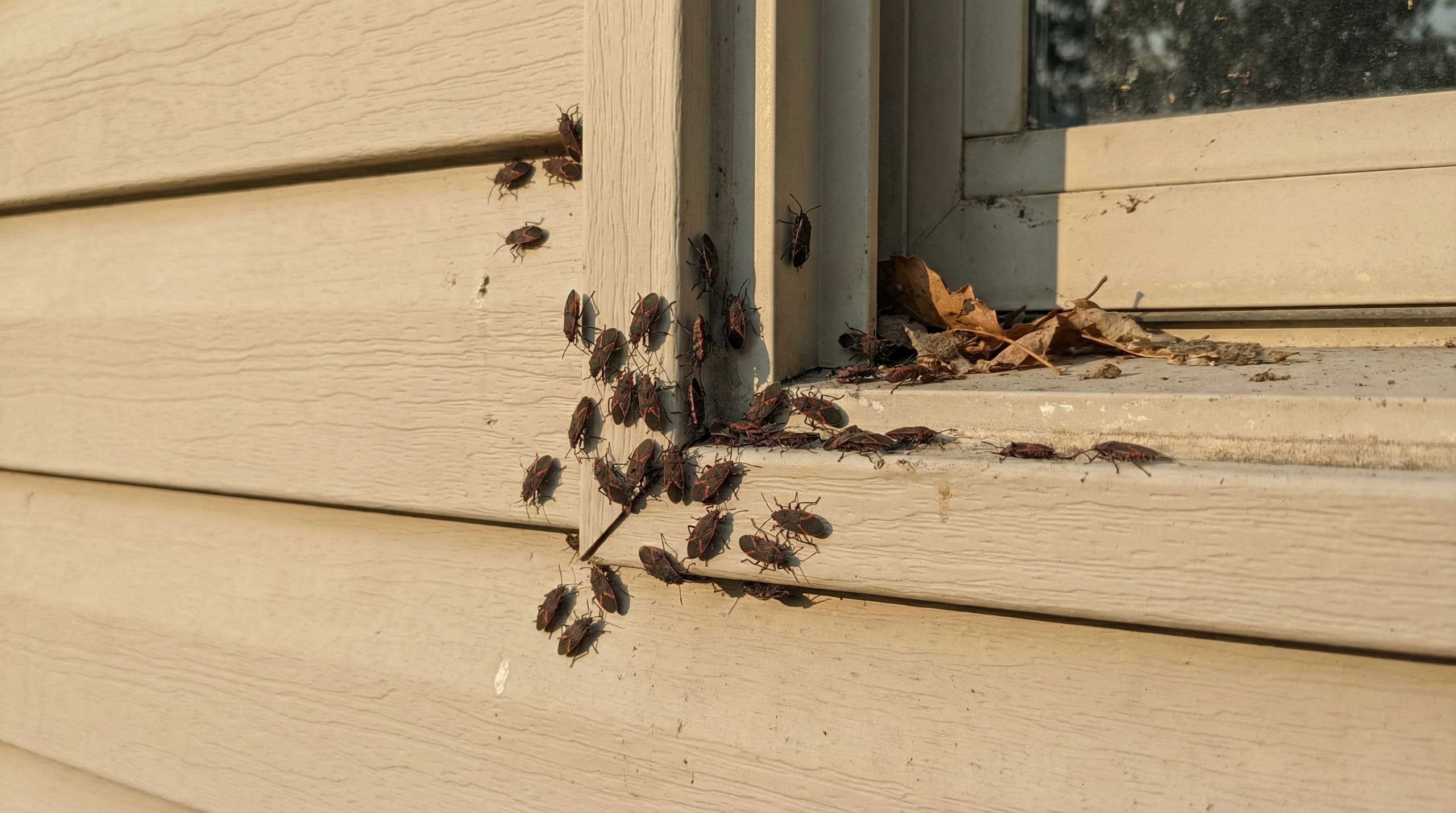
Box elder bugs turn a south-facing wall into a moving carpet. They do not bite and they do not damage anything structural, but they show up in the hundreds, smell when crushed, and once inside a wall cavity they emerge on every warm winter day for months. Peak activity hits in October. The worst zones are warm sunny walls in Boise's Bench and Southeast neighborhoods, Meridian subdivisions along Ustick and Cherry, and older Nampa homes on streets lined with box elder trees. Female box elder trees within a few hundred yards draw them in, so if your neighbor has one, your house is the landing pad. Soapy water in a spray bottle handles clusters on the wall, and a vacuum handles them indoors (empty the bag outside).
Four other fall arrivals deserve a mention:
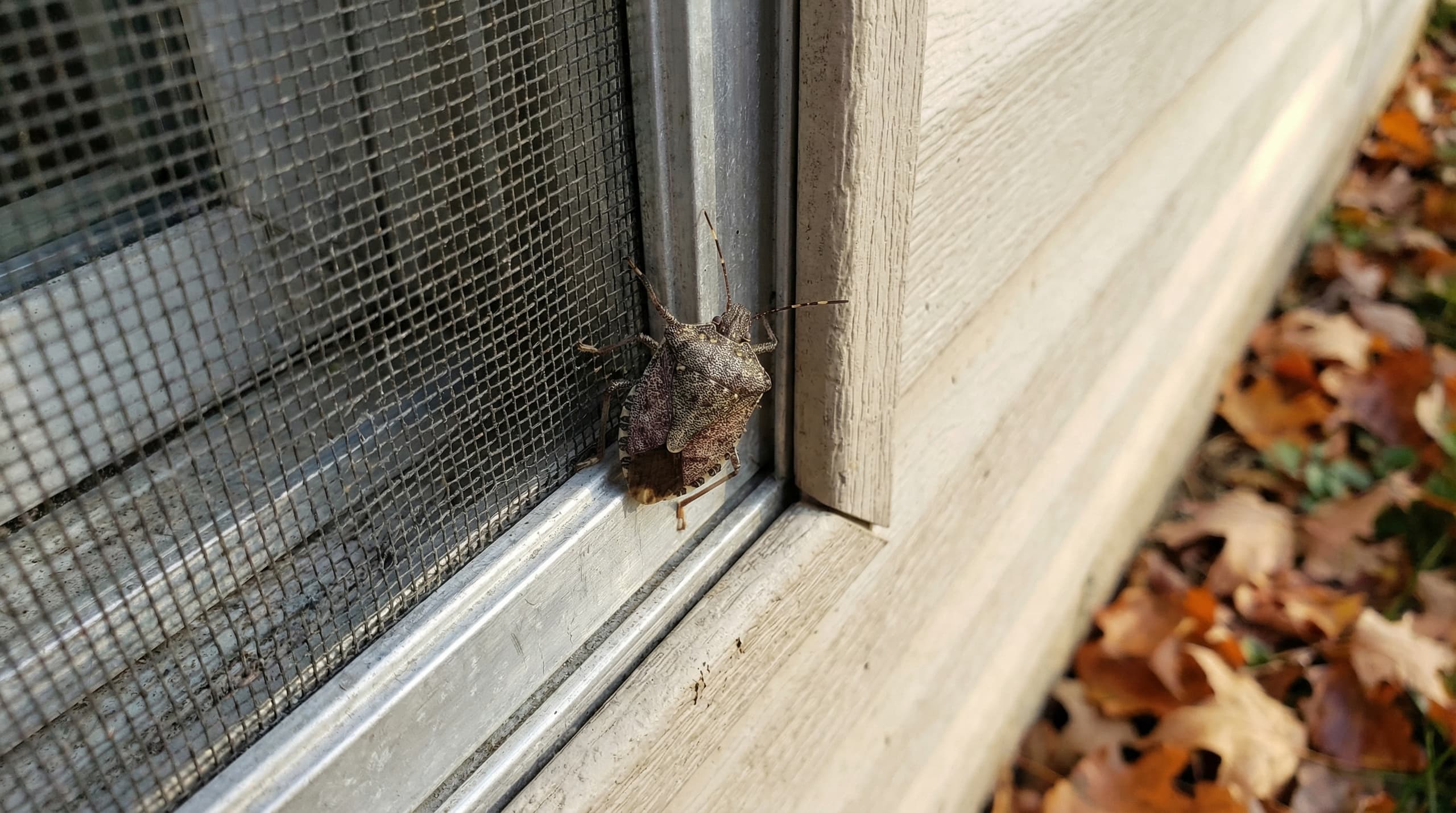
- Brown marmorated stink bugs. Shield-shaped, mottled brown, and about the size of a dime, with a foul odor when disturbed. Vacuum them up instead of crushing them. See our guide to stink bugs in Idaho.
- Cluster flies. Larger and more sluggish than house flies. They gather in large numbers on sunny exterior walls, then move into attics, and they are hard to control once they hide in wall voids.
- Asian lady beetles. They look like ladybugs but bite and stain surfaces yellow when threatened.
- Field crickets. Not overwintering, but they pile into garages and basements in October looking for warmth, and their chirping is the giveaway. See our cricket control guide for Boise.
Deer Mouse Pressure in the Eagle, Kuna, and Star Foothills
If you live in the foothills of Eagle, Kuna, or Star, or anywhere backing up to open sage flats, deer mice are the fall pest that matters most. They are a different species from house mice, with different behavior, and they carry hantavirus. Pressure ramps up in late July and August as the cheatgrass dries out and the sage flats lose cover, builds through September as overnight lows drop, and surges after the first hard freeze in October when foothill mice pour downhill looking for warmth. Watch for the early warning signs that deer mice are scouting your home, because catching them in August or September is far easier than dealing with a full infestation by November.
The neighborhoods that get hit hardest:
- Eagle Foothills. Anything above Beacon Light or backing up to BLM land. Peak pressure runs from late September into early October.
- South Kuna and the Kuna Mora Road area. Ag-adjacent lots with irrigation ditches that dry up in October. Mice move from ditch banks into garages within a week of shutoff.
- Star north of Highway 44. New subdivisions on former farmland, where the first fall in a new build is often the heaviest.
- North Boise up against the foothills. Highlands, Warm Springs Mesa, and the upper North End. Deer mice from the reserve above 8th Street work their way down.
Your July and August Prep Checklist for Fall
You have a short window before September pressure starts. Here is the practical prep list, ranked by impact.
- Book a quarterly treatment now. A fresh exterior barrier applied in July or August is still active when the August spider push and the September box elder waves start. This is the single highest-impact step.
- Trim vegetation off the siding. Nothing should touch the house. Mice climb, spiders anchor webs, and ants use branches as bridges.
- Sweep spider webs and egg sacs off eaves and door frames through August and September.
- Move woodpiles and lumber away from the house. Twenty feet is the minimum.
- Fix leaking outdoor faucets and irrigation drips. Moisture holds the insect populations that spiders and mice feed on.
- Clean gutters before leaves start falling. Clogged gutters hold moisture against the fascia.
Is Year-Round Quarterly Service Worth It in Idaho?
Yes, for most Treasure Valley homes. Each visit does a different job, and the barrier only holds if you keep it fresh through all four pressure shifts.
- Spring treatment: Stops ant and wasp populations before they explode
- Summer treatment: Keeps the barrier strong during peak activity
- Fall treatment: Blocks overwintering pests from getting inside
- Winter treatment: Hits indoor pests and gets you ready for spring
- Free re-service guarantee: Pests come back between visits, we come back free
Get Your Treasure Valley Home on the 2026 Calendar (Fall Priority)
Fall pest season fills our schedule faster than any other stretch of the year. Spider callouts, mouse calls, and box elder bug complaints stack up from mid-September through the first freeze. Getting on the calendar now means we treat your home before the cold pushes everything indoors.
Green Guard is family-owned, organic-based, and trusted by 2,500+ Treasure Valley families with a 4.9-star rating across 170+ Google reviews. Our products are hospital-grade and safe for kids and pets once dry. Pick the service that matches your problem, or grab the all-in general pest control plan that covers most of what's on this calendar.
Targeted help by pest: rodent control for the mice testing your foundation right now, spider control for the fall migration into basements and garages, ant control for colonies moving deeper toward heated slabs, wasp and hornet removal for collapsing nests and hibernating queens, and general pest control for the box elder bugs and stink bugs on your siding.
Ready to lock in your spot? Call (208) 297-7947 or start with our $49 initial service. We cover Boise, Meridian, Eagle, Nampa, Caldwell, Star, Kuna, and the rest of the Treasure Valley. Same-day service is often available.
If pests come back between visits, so do we. Free re-service, every time.
Frequently Asked Questions
When is peak pest season in Idaho?
Quick answerPeak outdoor pest season in Idaho runs July through August, with August as the single worst month for stings and bites.
But fall is the costliest season if you ignore it. As of September 2026, spiders, box elder bugs, stink bugs, and mice are all moving indoors at once, and anything that gets into your walls now stays until spring.
What are the little black bugs in Idaho?
Quick answerThe most common "little black bug" in Idaho is the box elder bug, a black-and-red bug about half an inch long that clusters on sunny south-facing walls each September and October.
The other common answer is the elm seed bug, which is rust-brown and swarms by the thousand into homes in late summer. If the bugs are shiny black, tiny, and trailing across a counter, those are odorous house ants, which are Idaho's number-one indoor pest from April through August.
What is the worst pest in Boise right now (fall 2026)?
Quick answerAs of September 2026, mice are the worst pest in Boise.
They're testing foundations ahead of the first hard freeze, and a pair that gets into a wall void in October becomes a winter-long problem. Fall spiders moving into basements and garages are a close second, followed by box elder bugs massing on south-facing siding. Seal gaps larger than 1/4 inch now, or expect a $200+ reactive call in January.
What pests does Idaho have?
Quick answerIdaho homes deal with about 20 common pests across the year.
The headliners in the Treasure Valley are odorous house ants, pavement ants, and carpenter ants; paper wasps and yellow jackets; black widow and hobo spiders; deer mice and Norway rats; box elder bugs and Asian lady beetles; mosquitoes along irrigation; plus crickets, earwigs, silverfish, cluster flies, and stink bugs. Termites and bed bugs are rare here and Green Guard doesn't treat those (we refer them to a specialist).
What bug is Idaho known for?
Quick answerIdaho is best known for the box elder bug, those black-and-red bugs that cluster on sunny south-facing walls and pile up in window frames each September and October.
Other Idaho-specific standouts are the hobo spider (Treasure Valley basements and garages), Mormon crickets in southern Idaho rangeland, and the elm seed bug that swarms by the thousand into homes in late summer.
What pests are worst in summer in Boise?
Quick answerThe four worst summer pests in Boise are yellow jackets, mosquitoes, black widow spiders, and odorous house ants.
Yellow jackets peak in aggression in July and August. Mosquitoes hatch fastest near flood-irrigated lawns and the Boise River. Black widows hit their annual peak in July in garages, sheds, and woodpiles. Ants form the heaviest indoor trails of the year in June and July.
When should I start pest control in Idaho?
Quick answerStart pest control in Idaho in early March.
Treating before ant colonies, wasp queens, and spiders emerge from winter stops populations before they multiply, which costs dramatically less than reacting in July or August. If March has passed, the next-best windows are early June for wasp prevention and late September for fall rodent exclusion.
Do I need pest control year-round in Idaho?
Quick answerYes.
Idaho pest pressure runs eight to nine months of the year outdoors and stays heavy indoors all winter from mice and spiders. Quarterly service keeps the exterior barrier in place through every transition (spring emergence, summer peak, fall exclusion, winter rodents) and works out cheaper than reacting to two or three pest emergencies. Plans start at $49 and run $119 per quarter for homes up to 2,500 sq ft.
What is the best time of year to start pest control in Idaho?
Quick answerEarly March is the best time to start pest control in Idaho.
Treating before pest populations emerge from winter dormancy gives you the biggest prevention benefit for the lowest cost. That said, any time beats waiting for an infestation. We can start your protection at any point in the year, and your first quarterly visit covers everything currently active.
Do I really need pest control in winter?
Quick answerYes.
Outdoor pest activity slows in winter, but indoor activity (especially rodents and spiders) often peaks. Winter treatment hits active indoor pests and keeps barriers in place for spring emergence. Skipping winter service is the #1 reason homeowners face bigger spring problems.
Why do I see different pests in different seasons?
Quick answerPest activity is driven by temperature, moisture, and lifecycle.
Ants and wasps emerge as temperatures rise. Overwintering insects (box elder bugs, stink bugs, lady beetles) seek shelter as temperatures fall. Rodents move indoors when outdoor survival gets tough. Once you know the pattern, you can stop pests before they show up.
Is quarterly service really necessary?
Quick answerFor full-year protection, yes.
Products break down over about 90 days, and each season brings different pest pressure. Quarterly service keeps the barrier in place and tackles each transition (spring emergence, summer peak, fall exclusion, winter rodents). It works out cheaper than reacting to individual emergencies as they hit.
What does year-round service cost in 2026?
Quick answerAs of September 2026, our year-round quarterly service runs $49 to start your plan, then $119 per quarter for homes up to 2,500 sq ft.
That works out to about $406 for the first year. That's about what two pest emergencies cost (a single August wasp knockdown alone typically runs $200+). Plans require a 1-year service agreement and include a free re-service guarantee.
Which month has the worst pest pressure in Boise?
Quick answerAugust is the worst single month for outdoor pest pressure in Boise, with wasp colonies at maximum size and spiders at their annual peak.
October is the most expensive month to get wrong, because that's when mice and overwintering insects make their entry push. Miss August and you get stung. Miss October and you share your house all winter.
What pests are active in January in Idaho?
Quick answerMice and rats are the main pests active in January in Idaho, and indoor rodent activity peaks this month as outdoor survival gets hard.
Spiders stay active in heated basements and utility rooms. Outdoor insect activity is near zero, which makes January a good month for interior trapping and sealing work.
What pests are active in February in Idaho?
Quick answerFebruary is prime mouse breeding season in Idaho, so a small rodent problem can double fast.
Carpenter ants sometimes stir inside heated wall voids on warm spells. This is the month to book your spring start, because March service dates fill quickly across the Treasure Valley.
What pests are active in March in Idaho?
Quick answerMarch is when Idaho pest season restarts.
Overwintering ant colonies get active, wasp queens emerge to scout nest sites, and spiders come out of hiding. March is the single best month to start quarterly pest control, because treating before populations multiply costs far less than reacting in July.
What pests are active in April in Idaho?
Quick answerApril brings foraging ants indoors and wasp queens building their first small nests under eaves and deck rails.
Spiders spread out as insect prey returns. An exterior perimeter barrier in April knocks down the nests that would otherwise be basketball-sized by August.
What pests are active in May in Idaho?
Quick answerAnt activity peaks in May across the Treasure Valley, especially odorous house ants trailing into kitchens.
Spiders are widespread, and ticks show up on foothill trails, so check pets after hikes. Mosquitoes start hatching once irrigation turns on.
What pests are active in June in Idaho?
Quick answerJune is wasp nest construction month in Idaho, and it's the cheapest time to deal with them.
A nest you can knock down in June takes ten minutes; the same nest in August is an emergency call. Mosquitoes hatch heavily along flood-irrigated yards and canals, and earwigs get going in damp landscape beds.
What pests are active in July in Idaho?
Quick answerJuly is peak season for yellow jackets and black widow spiders in Idaho.
Black widows hit their annual high in garages, sheds, meter boxes, and woodpiles. Yellow jacket colonies turn aggressive, and mosquito pressure stays heavy near irrigation. Don't DIY an established ground nest in July.
What pests are active in August in Idaho?
Quick answerAugust is the worst month for stings in Idaho.
Wasp and yellow jacket colonies reach maximum size and aggression, black widows and hobo spiders peak, and late-season winged ant swarmers fly (homeowners often mistake them for termites). Mice also begin scouting foundations for winter entry in August.
What pests are active in September in Idaho?
Quick answerSeptember starts fall migration indoors in Idaho.
Male spiders roam looking for mates, box elder bugs and stink bugs mass on sunny south-facing walls, Asian lady beetles swarm warm siding, and mice begin moving toward heated structures. September is the second-most-important treatment month after March.
What pests are active in October in Idaho?
Quick answerOctober is rodent entry month in Idaho and your last real exclusion window.
Mice push aggressively toward heated structures before the first hard freeze, overwintering insects make peak entry attempts, and wasp queens look for hibernation spots in attics and siding voids. Most winter rodent calls trace back to gaps left open in October.
What pests are active in November in Idaho?
Quick answerNovember is the final entry push of the Idaho pest year.
Rodents make last attempts to get inside before the hard freeze, overwintering insects settle into wall voids and attics, and indoor spiders stay active in heated rooms. Pantry pests also get going on holiday baking supplies.
What pests are active in December in Idaho?
Quick answerDecember focus shifts fully indoors in Idaho.
Mice and rats hit peak indoor activity, spiders stay busy in heated basements, and pantry pests work through stored baking goods. Overwintering insects sometimes emerge on sunny afternoons, and holiday decorations pulled from storage can carry pests into living spaces.
When is pest control needed in summer in Idaho?
Quick answerSummer pest control in Idaho runs from early June through late August.
The two best treatment windows are early June (catches small wasp nests before colonies explode) and late July or early August (knocks down peak yellow jacket and spider activity). Most Treasure Valley homes do quarterly service with a June visit, then schedule a touch-up if a specific problem shows up later.
Does pest control work in 100°F heat?
Quick answerYes, pest control works in 100 degree heat and often better than in cooler weather.
Treatments cure to surfaces in 30 to 60 minutes instead of 2 to 4 hours, so kids and pets are clear sooner. We schedule treatments for early morning or late afternoon during heat waves so products do not flash-evaporate off hot siding. Wasps and ants are most reactive during midday, so off-peak timing is also safer.
Why are there so many wasps around my house in summer?
Quick answerWasp colonies that started with a single queen in spring grow to thousands of workers by mid-summer.
They are drawn by food (proteins early in summer, sweets late), water, and suitable nest sites. Heavy activity usually means a nest is close to your house. Established nests are not a DIY job, so call (208) 297-7947 for safe removal.
How long does it take for mosquitoes to breed in standing water?
Quick answerMosquito eggs hatch in 24 to 48 hours after being laid.
The full cycle from egg to biting adult takes just 7 to 10 days in warm weather, which is why weekly removal of standing water matters so much during Boise irrigation season. Even 1/4 inch of water in a saucer is enough for a hatch.
Do bugs go away in October in Idaho?
Quick answerNo.
October is peak invasion month for overwintering pests in the Treasure Valley, not the end of pest season. Box elder bugs, stink bugs, cluster flies, and Asian lady beetles all move to south-facing walls and settle into wall voids, where they stay dormant through winter. They emerge on warm February and March days. The best way to get ahead of them is an exterior treatment in September and early October, before they settle in.
Why do deer mice show up in Eagle and Kuna before other areas?
Quick answerDeer mice from the foothills and sage flats above Eagle, Kuna, and Star start moving in late July as cheatgrass dries and cover thins.
Pressure builds through August and September, then surges after the first hard freeze in October when mice pour downhill toward warmth. Homes backing up to BLM land, new subdivisions on former farmland, and lots along irrigation ditches get hit first. Deer mice can carry hantavirus, so never sweep dry droppings. Wet them with a bleach solution first.
What's the hardest fall pest infestation to get rid of?
Quick answerBox elder bugs and cluster flies inside wall voids are the hardest fall infestations to control.
Once they settle into a wall cavity for winter, no exterior spray reaches them, and they emerge on every warm day from February through April. That is why fall pest control is prevention-first: treating the exterior in September and early October, before they get inside, is the most reliable fix.