Quick answer
When the nights turn cold, mice that spent the summer outside start looking for somewhere warmer, and the garage is usually the first stop. Do your sealing in September, before the October rush. Voles and pocket gophers don't hibernate, and rats are active all year.
In this article
Treasure Valley rodent season
When the nights turn cold, mice that spent the summer outside start looking for somewhere warmer, and the garage is usually the first stop. UC Statewide IPM notes that house mice often move into homes in autumn as nighttime temperatures drop. Green Guard's technicians see the same thing here. October, right before it gets really cold, is when mouse calls pick up, and a lot of them come from people finding mice in the garage.
Rats are a newer worry. The City of Boise says the Treasure Valley has seen a noticeable increase in rat activity over the past few years, mostly Norway rats and roof rats. In May 2026, the Idaho Department of Health and Welfare said reports of rat sightings in Idaho communities have been climbing.
Which rodent is it?
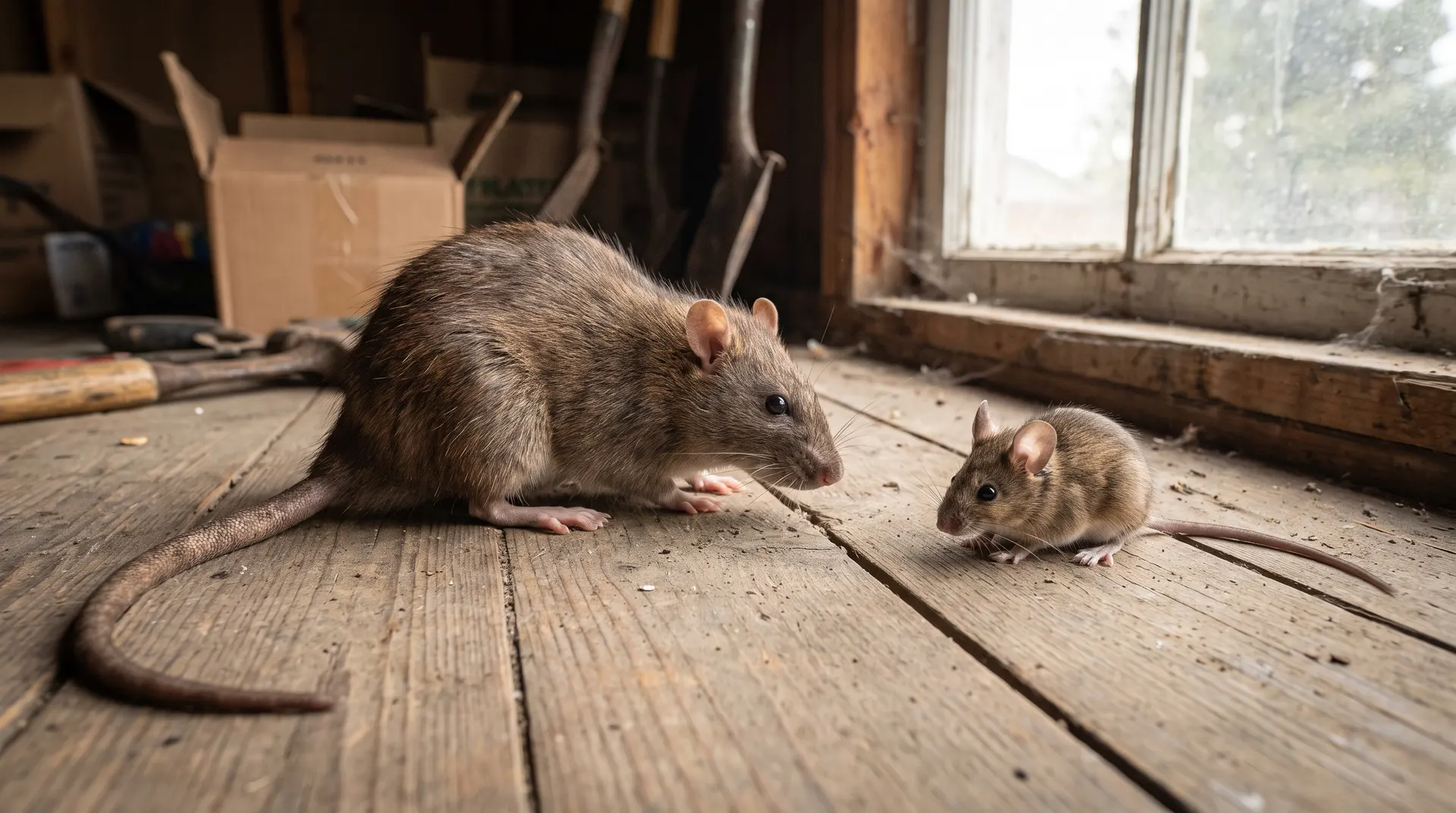
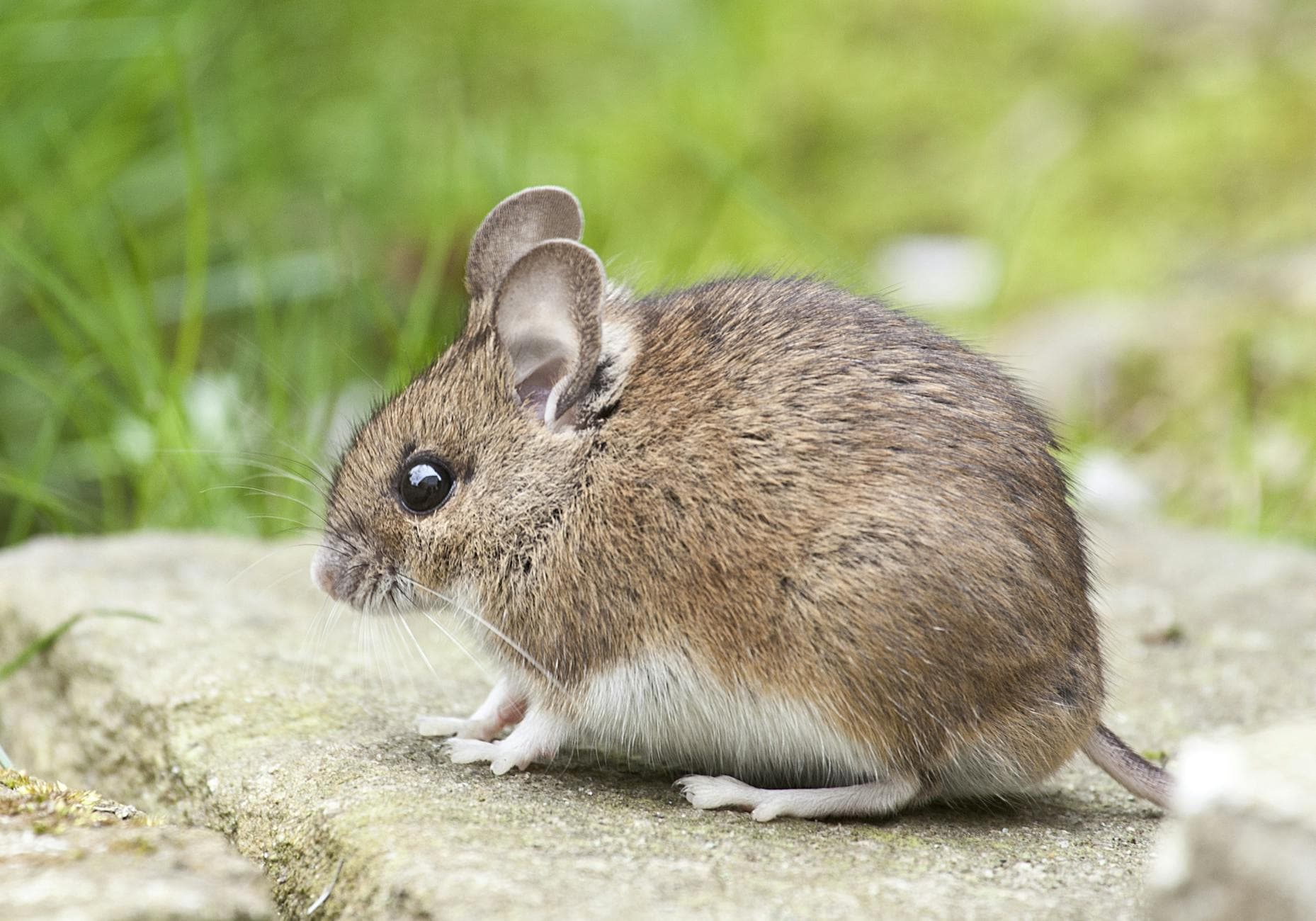
House mouse. Light brown to gray and 5 to 7 inches long, and 3 to 4 inches of that is a nearly hairless tail. A house mouse can squeeze under a gap 1/4 inch tall, and it rarely goes more than 30 feet from its nest. If you see one in the kitchen, the nest is close.
Deer mouse. Easy to confuse with a house mouse. Look for bigger eyes, a white belly sharply divided from the brown back, and a furry tail that's dark on top and light underneath. Deer mice are the ones to take seriously. In Idaho they carry Sin Nombre virus, the main cause of hantavirus pulmonary syndrome. Central District Health says about one infection is reported in Idaho each year, and the risk is higher in spring and summer around cabins, sheds, campsites, homes and outbuildings.
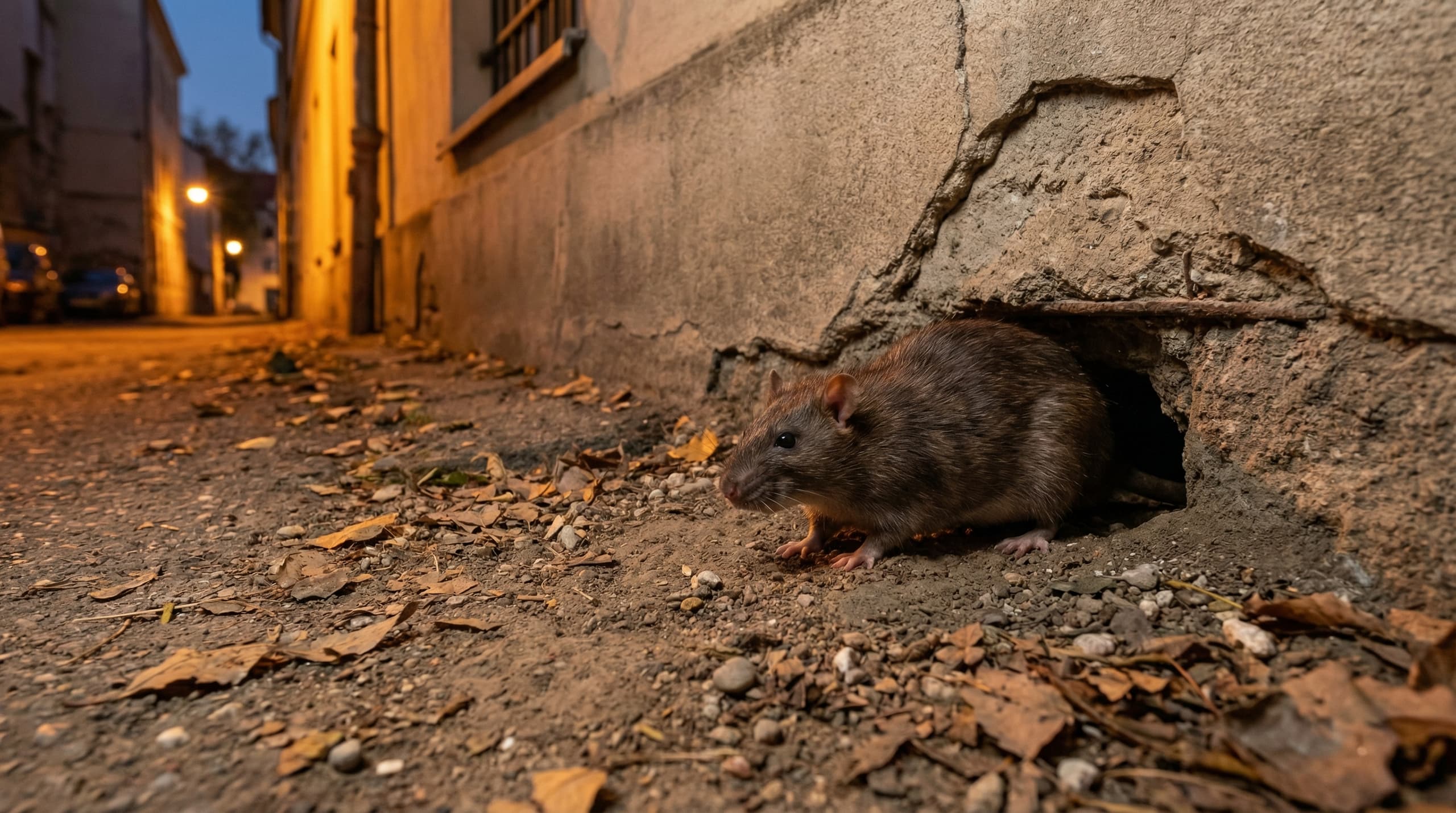
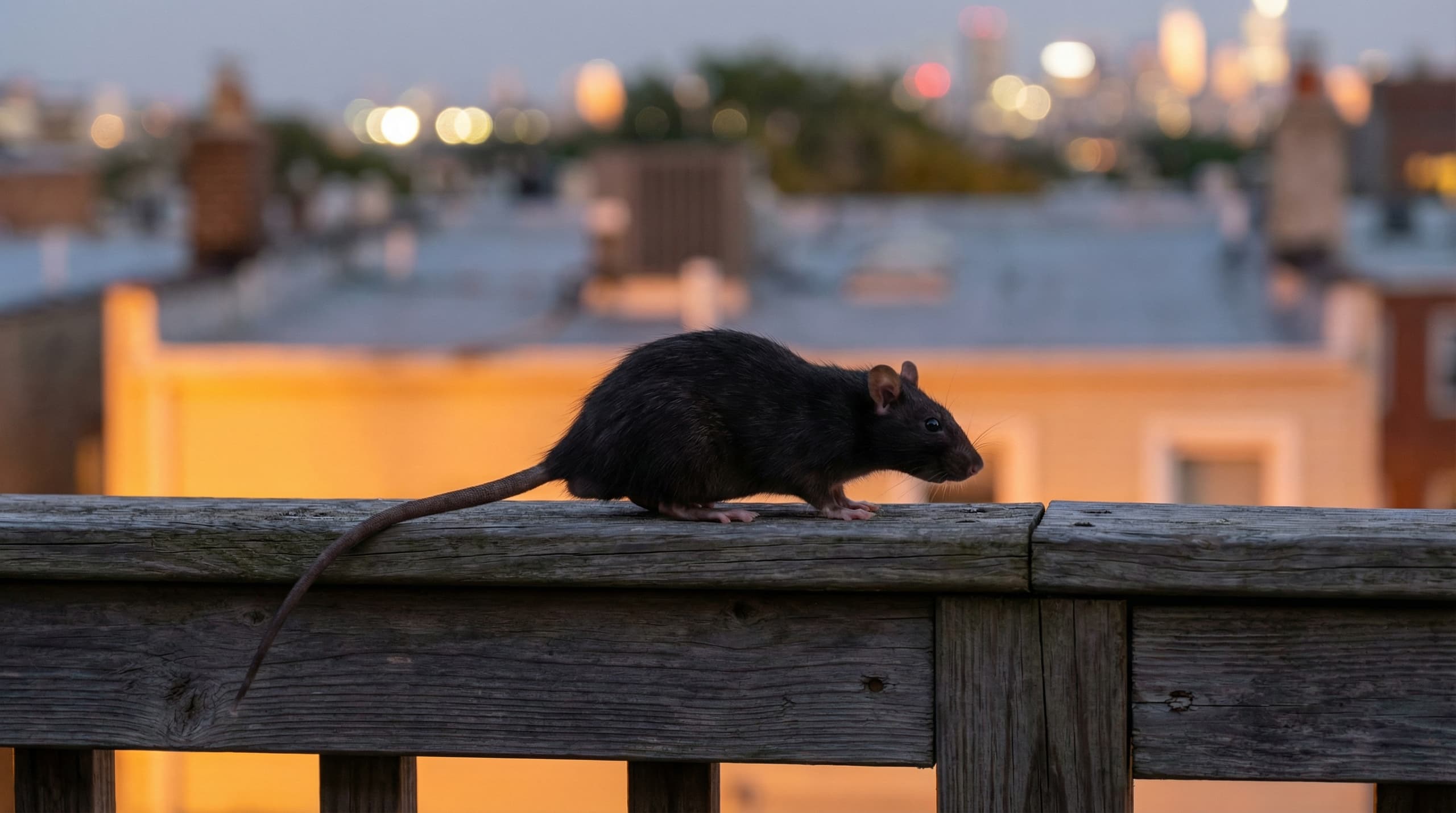
Norway rat and roof rat. The Norway rat is the stocky one. It digs burrows along foundations and under woodpiles and garbage cans, and indoors it usually stays in the basement or on the ground floor. The roof rat is smaller and a climber, with a tail longer than its head and body. Roof rats travel along fences, trees and utility lines and like attics and wall voids (UC IPM: Rats). The Idaho Department of Health and Welfare lists leptospirosis, salmonellosis, flea-borne typhus and rat-bite fever among the diseases rats can spread, and rats chewing through wiring can start house fires. Neither rat carries the hantavirus strains that cause lung disease.
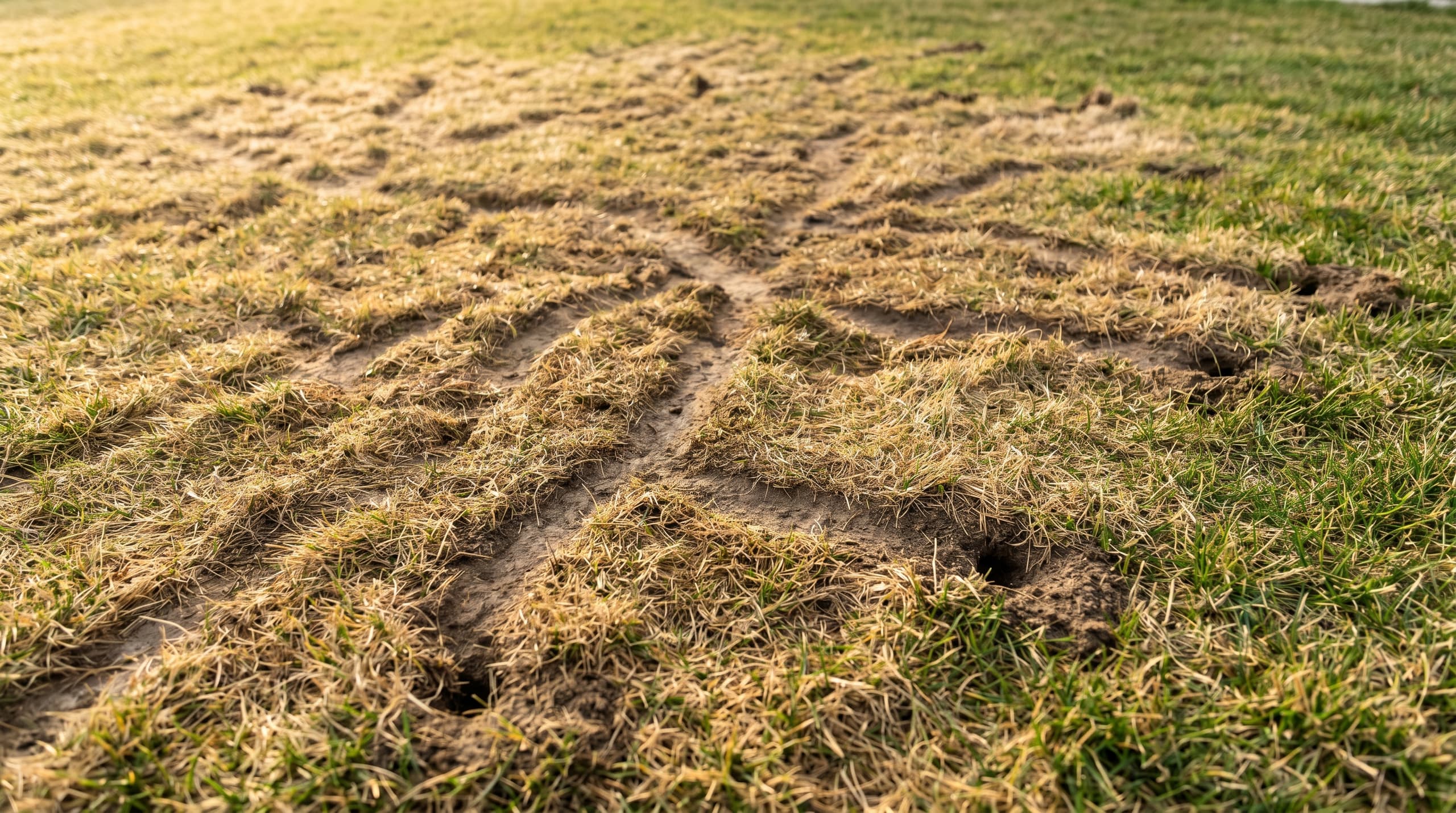
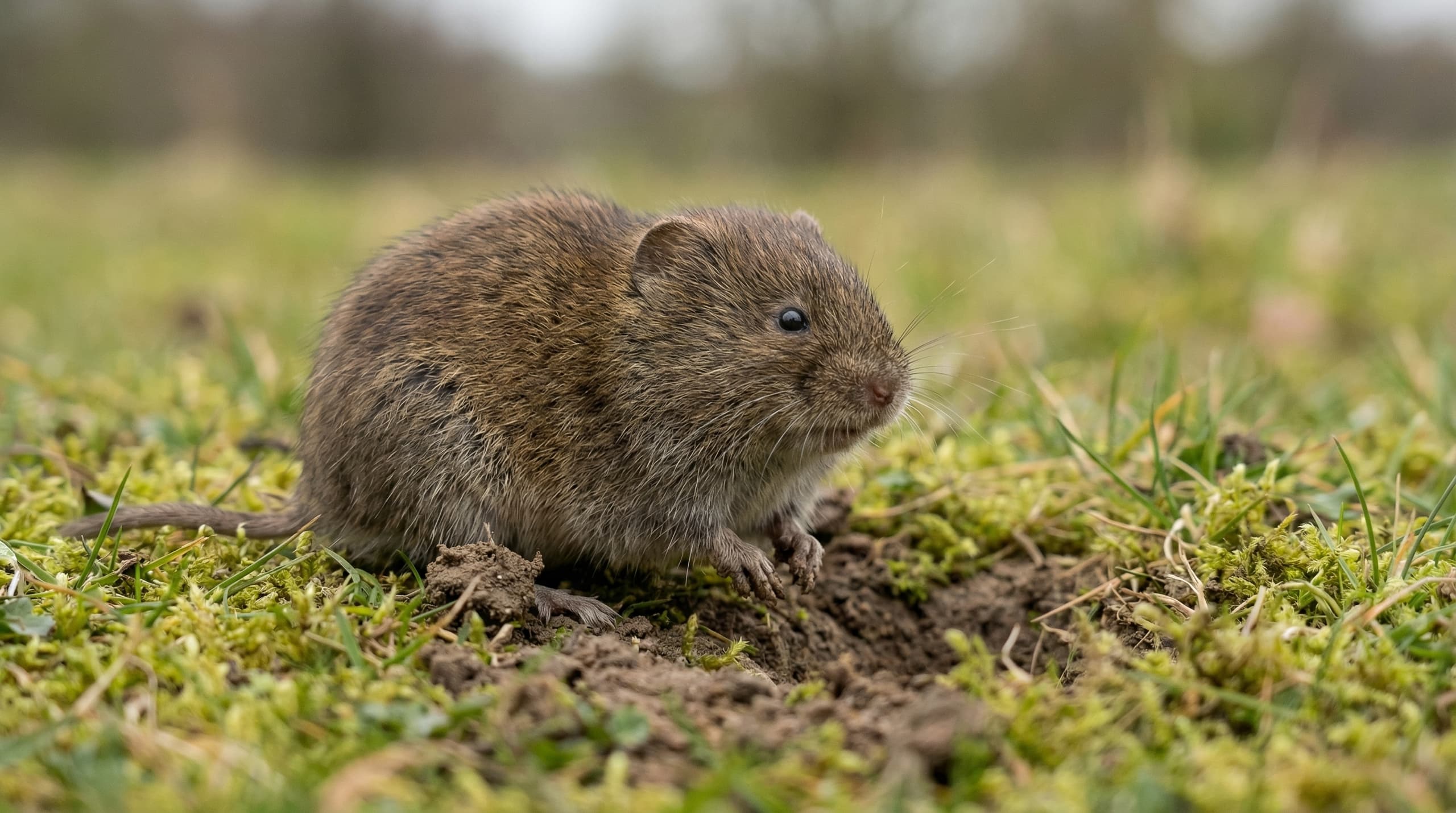
Meadow vole. A chunky little rodent, 4 1/2 to 5 1/2 inches long, with short legs, a short tail and small round ears. Voles live in lawns and gardens and wear runways about 1 to 2 inches wide, with the grass clipped short along them. Their numbers rise and fall from year to year. University of Idaho Extension puts small population peaks roughly every 4 to 6 years and big outbreaks about every 10 to 12, though the cycle isn't regular.
Pocket gopher. Five to 14 inches long, with fur-lined cheek pouches and big front claws. Gophers spend nearly all their time underground and rarely go more than 2 1/2 feet from a burrow opening. You'll know them by mounds of fresh soil and by plants pulled down from below. On irrigated ground they also chew through irrigation lines and tunnel through ditches (UI Extension: Pocket gophers).
The Treasure Valley rodent calendar
Voles and pocket gophers don't hibernate, and rats are active all year. What changes with the seasons is where they are and what they're doing.
| Months | What's happening | What to do |
|---|---|---|
| March to June | Voles are in their peak breeding season, and pocket gopher litters are born. Hantavirus risk from deer mice rises with spring and summer. | Air out sheds, cabins and campers before you clean them (see the cleanup steps below). Mow tall grass and clear weeds along fences. |
| July to August | Shed, cabin and campsite season keeps deer mouse exposure up. Gardens and fruit trees feed rats. | Pick up fallen fruit and ripe vegetables. Keep pet food and birdseed inside. |
| September to November | House mice move indoors as the nights get colder. Voles have a second, smaller breeding period and are most active in spring and fall. | Do your sealing in September, before the October rush. Fix door sweeps and set traps along garage and basement walls. Wrap young trees before the snow. |
| December to February | Voles and gophers gnaw bark at the base of trees and shrubs, mostly under the snow. Gopher trapping gets hard once the ground freezes. | Check stored boxes, garages and cars for nests. Look at tree trunks when the snow melts. |
Sources: UI Extension, meadow voles; UI Extension, pocket gophers; UC IPM, house mouse; Central District Health; City of Boise.
Signs you have company
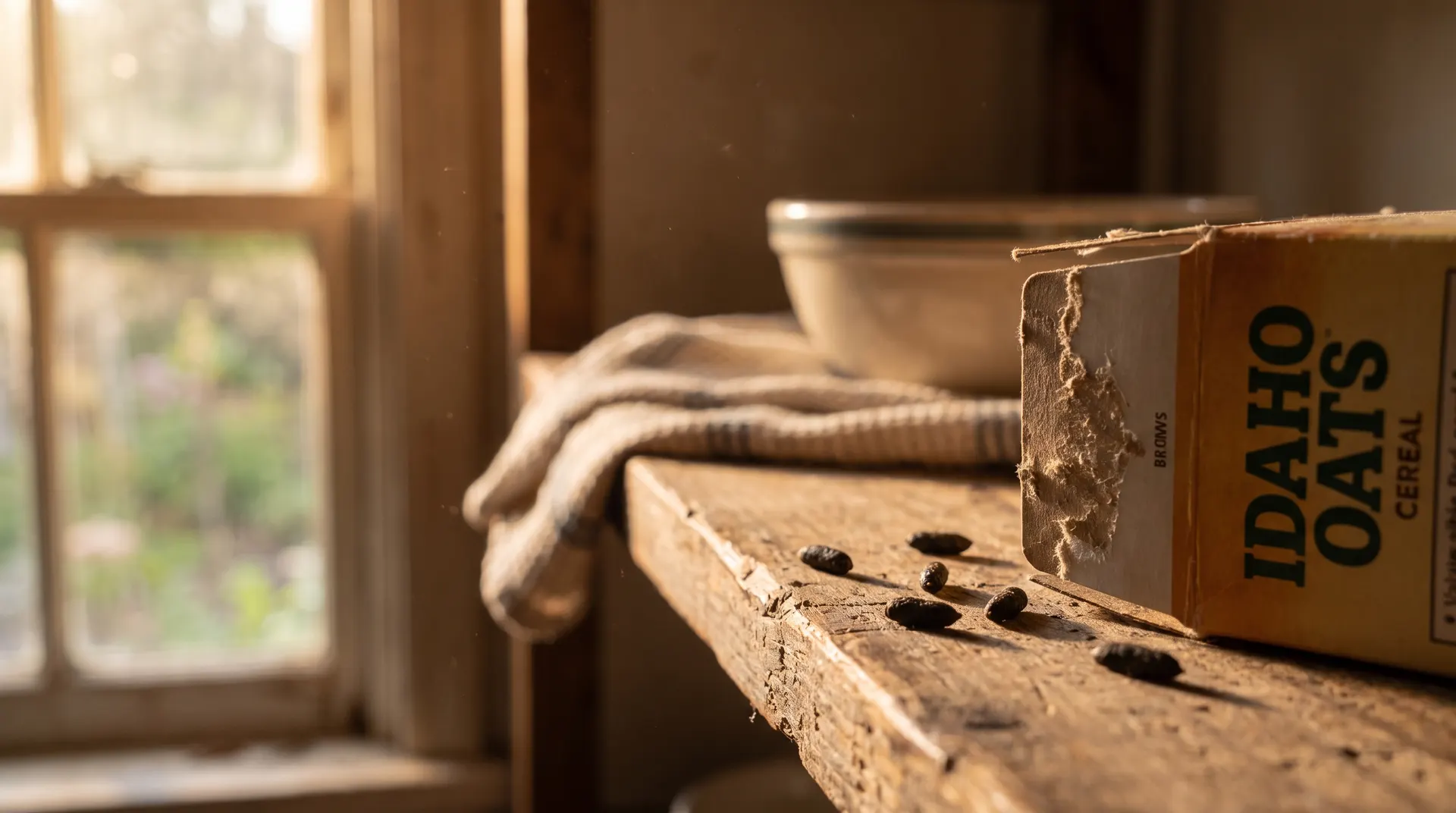
- Mice: droppings, fresh gnaw marks and tracks, a musky smell, and nests of finely shredded paper behind boxes, in drawers, in the garage or near the woodpile.
- Rats: droppings, scratching in the attic or a drop ceiling, greasy smudges where their fur rubs along beams and walls, and now and then a drowned rat in a pool or hot tub. Rat tooth marks are about 1/6 inch wide. A mouse leaves finer scratches, about 1/12 inch.
- Voles: narrow runways through the lawn with small holes leading underground, and bark chewed off young trees and shrubs near the ground. You'll often spot it right after the snow melts.
- Pocket gophers: piles of fresh soil, plants wilting because they were cut from below, and broken drip or sprinkler lines.
Sources: UC IPM, house mouse and rats; IDHW; UI Extension, voles and pocket gophers.
A weekend checklist
Most of this comes from the City of Boise's rodent prevention page and UC IPM.
- Start in the garage. That's where a lot of Green Guard's October mouse calls begin. Look behind boxes and along the walls for droppings and shredded-paper nests, and move pet food and birdseed out of bags and into hard-sided containers.
- Walk the foundation with a flashlight. Look for openings around pipes, vents and utility lines. A mouse fits through 1/4 inch, so close anything bigger with steel wool, metal mesh or hardware cloth. Rodents chew through plastic, foam, rubber and wood.
- Check every exterior door. It should close tight, with a sweep along the bottom. Shut pet doors at night.
- Keep the carts closed. Trash, recycling and compost carts stay shut, and in the garage if you have room. Bag and tie household trash.
- Bring the food inside. That means pet food and birdseed too. The City of Boise suggests skipping birdseed and squirrel food altogether.
- Clean up the yard. Pick up fallen fruit and nuts, harvest the garden before it rots, and move firewood and debris piles away from the house.
- Trim back plants. Cut back branches that touch the roof and shrubs that give cover along the foundation.
- Fix the drips. Repair leaky pipes and get rid of standing water.
- Take away vole cover. Mow tall grass and clear weeds and debris along fences. Wrap young trees with 3/8-inch netted wire from about 6 inches below the soil to 6 inches above it (UI Extension).
- Fence garden beds against gophers. UI Extension recommends 1/2- to 3/8-inch mesh buried 2 feet deep, with a foot showing above ground (UI Extension).
- Skip the ultrasonic plug-ins. UC IPM finds little evidence that sound, magnetic or vibration devices drive rodents out.
If you trap indoors, set snap traps close to the wall where you've seen droppings, so mice run right over the trigger, and space them no more than about 10 feet apart. Keep them where kids and pets can't reach. If you use bait, keep it in stations that children, pets and other wildlife can't get into, fastened down so they can't fall (IDHW), and follow the label on any product (UI Extension).
Cleaning up droppings safely
Don't sweep or vacuum droppings, urine or nests. That puts virus particles into the air you breathe. The CDC recommends this instead:
- Open the doors and windows and let the space air out for 30 minutes before you start. Stay out while it airs.
- Put on rubber or plastic gloves.
- Soak everything with a household disinfectant or a fresh bleach solution (1 1/2 cups of bleach per gallon of water), and let it sit for 5 minutes.
- Wipe it up with paper towels and throw them in a covered trash can. Then mop or wipe the whole area with disinfectant.
- Take off the gloves and wash your hands with soap and warm water.
For a heavy infestation, or a building that has sat empty, the CDC recommends coveralls, goggles and a respirator with HEPA filters.
When to call a professional
You can handle a lot of this yourself. It's time to call for help when:
- droppings keep showing up after you've sealed gaps and set traps
- rats are in the attic or running along utility lines (UC IPM suggests a pest professional or the utility company for those)
- rodents have gotten into heating or cooling ducts, which the CDC says is a job for a professional
- the infestation is heavy, or the building has been empty for a while
- small kids or pets make bait at home a bad idea
Green Guard Pest Control is locally owned in Boise, serves most of the Treasure Valley and is licensed by the Idaho State Department of Agriculture. For mice and rats we use locked, tamper-resistant bait stations, and we give a custom quote for voles. Call (208) 297-7947.
For HOAs and property managers
Rats don't stop at lot lines, and nobody is managing them for you. The City of Boise says no single agency is responsible for rat populations here, and the City doesn't offer a pest control program. That leaves it to neighborhoods. Boards can:
- Put a fall reminder in the newsletter: keep carts closed, bring pet food and birdseed inside, pick up fallen fruit.
- Keep dumpster areas tight, with trash bagged, lids closed and the ground around them clean.
- Trim common-area shrubs back from buildings, keep firewood and debris off foundations, and mow tall grass and clear weeds along fences so voles have nowhere to hide.
- Wrap young common-area trees with netted wire before winter (UI Extension).
- Watch the irrigation. Gophers damage irrigation lines and ditches (UI Extension), so a run of sprinkler repairs on common turf is worth a closer look.
- Report non-native rat sightings on the Idaho State Department of Agriculture's online map, linked from the City of Boise rodent prevention page. The reports go to city and county officials.
- If you hire out bait work, ask for an applicator licensed by the Idaho State Department of Agriculture, and for tamper-resistant stations secured anywhere kids and pets play.
Frequently Asked Questions
When do mice move indoors in the Treasure Valley?
Quick answerWhen the nights turn cold, mice that spent the summer outside start looking for somewhere warmer, and the garage is usually the first stop.
Do your sealing in September, before the October rush. Fix door sweeps and set traps along garage and basement walls.
Do deer mice in Idaho carry hantavirus?
Quick answerDeer mice are the ones to take seriously.
In Idaho they carry Sin Nombre virus, the main cause of hantavirus pulmonary syndrome. Central District Health says about one infection is reported in Idaho each year, and the risk is higher in spring and summer around cabins, sheds, campsites, homes and outbuildings.
How do you clean up mouse droppings safely?
Quick answerDon't sweep or vacuum droppings, urine or nests.
That puts virus particles into the air you breathe. Open the doors and windows and let the space air out for 30 minutes before you start. Put on rubber or plastic gloves. Soak everything with a household disinfectant or a fresh bleach solution (1 1/2 cups of bleach per gallon of water), and let it sit for 5 minutes. Wipe it up with paper towels and throw them in a covered trash can.
Who handles rats in the Treasure Valley?
Quick answerRats don't stop at lot lines, and nobody is managing them for you.
The City of Boise says no single agency is responsible for rat populations here, and the City doesn't offer a pest control program. That leaves it to neighborhoods.
Sources
University of Idaho Extension, Meadow voles; University of Idaho Extension, Pocket gophers; University of Idaho Extension, PNW 627: Meadow Voles and Pocket Gophers (trapping and baiting detail); Idaho Department of Health and Welfare, Rats! More than just a nuisance (May 2026); Central District Health, Idaho Health Advisory: Testing for Hantavirus (May 2026); City of Boise, Rodent Prevention; CDC, How to Clean Up After Rodents; UC Statewide IPM, Pest Notes: House Mouse; UC Statewide IPM, Pest Notes: Rats