Quick answer
Flying ants (swarmers) inside your home point to a mature ant colony nesting in or near your structure. In the Treasure Valley, spring swarms hit in April and May when colonies release reproductives to start new colonies. Carpenter ant swarmers (the big black ones) are the worst news, since they signal wood damage and need professional treatment fast.
Key Takeaways
- Flying ants indoors point to a mature colony (usually 2+ years old) in or near your home
- Swarms hit in spring when conditions line up: warm, humid days following rain
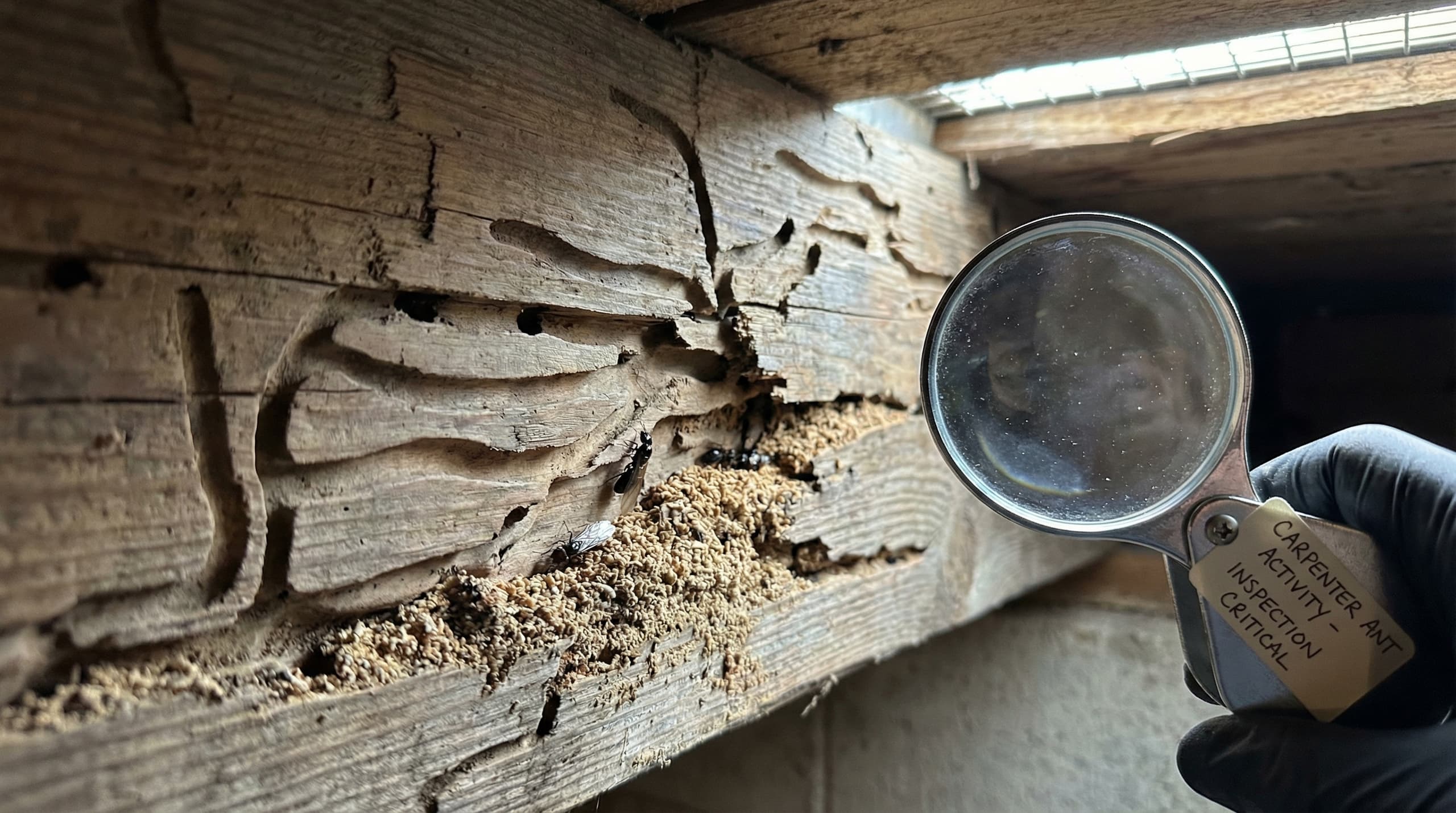
- Carpenter ant swarmers (large, black, flying ants) signal potential structural damage
- Flying ants vs. termites: ants have pinched waists and elbowed antennae; termites don't
- Professional treatment is essential. You have to wipe out the colony, not just the visible swarmers.
In this article
What Are Ant Swarmers?
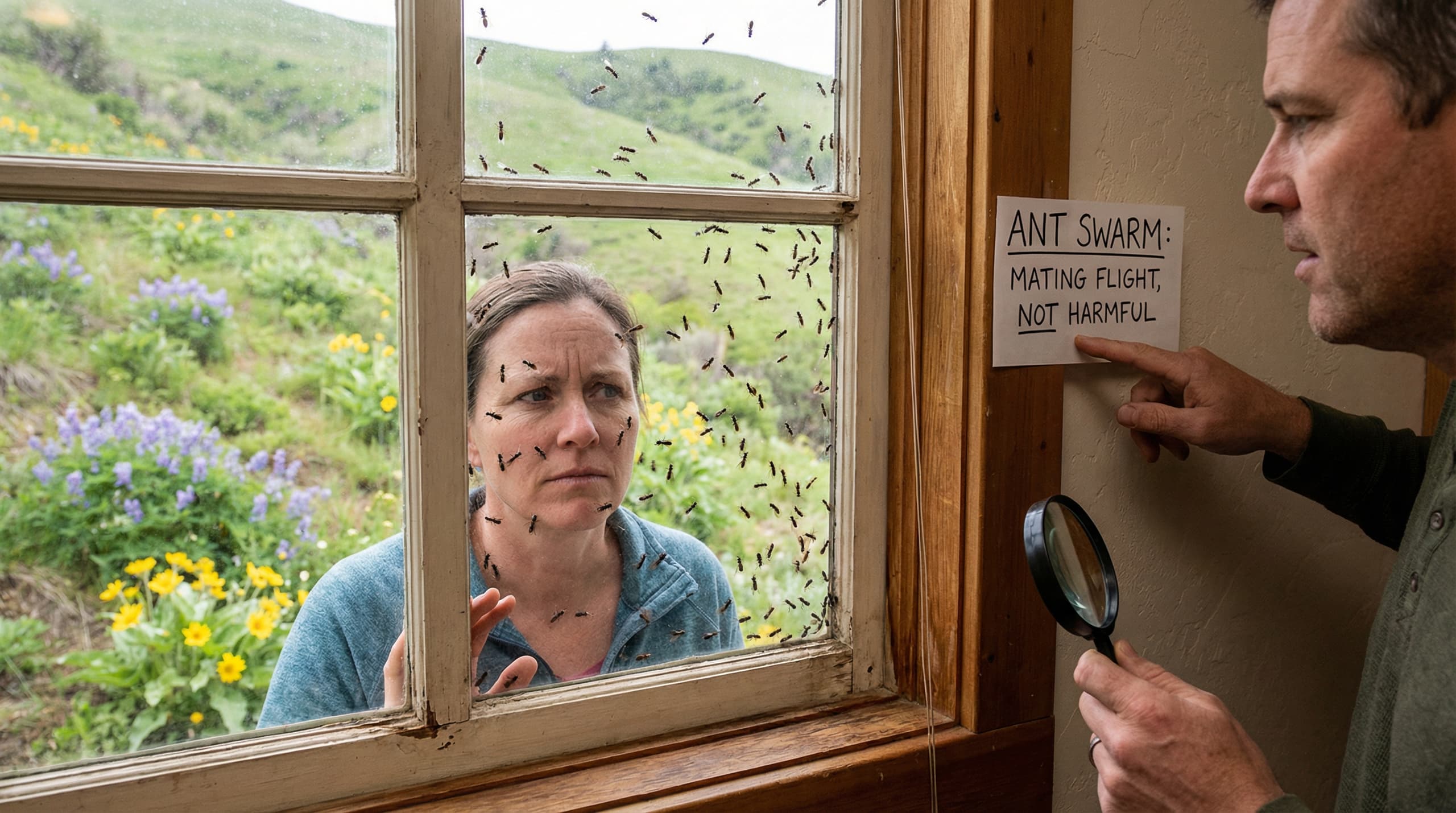
Ant swarmers are the reproductive members of ant colonies. They're winged males and females (future queens) that leave established colonies to mate and start new ones. When you spot flying ants inside your home, you're watching part of that reproductive cycle play out.
The swarmers tell you something important. A colony has matured enough (typically 2+ years old) to produce reproductives, and if those swarmers are showing up inside, the colony is almost certainly inside your walls or right against your foundation. In our 10+ years treating Treasure Valley homes, we field the heaviest swarm calls every April and May, especially from Boise's North End and Meridian's older neighborhoods where mature trees feed carpenter ant pressure.
When Do Ant Swarms Occur in the Treasure Valley?
In the Boise area, ant swarming season runs from late March through early June. Peak activity hits in April and May, and as of May 2026 we're right in the thick of it. A handful of conditions line up to trigger a swarm.
- Warm temperatures: daytime highs above 70°F
- High humidity: often following spring rains
- Calm conditions: low wind for flight
- Colony maturity: only mature colonies produce swarmers
- Time of day: usually afternoon or early evening
Identifying Ant Swarmers
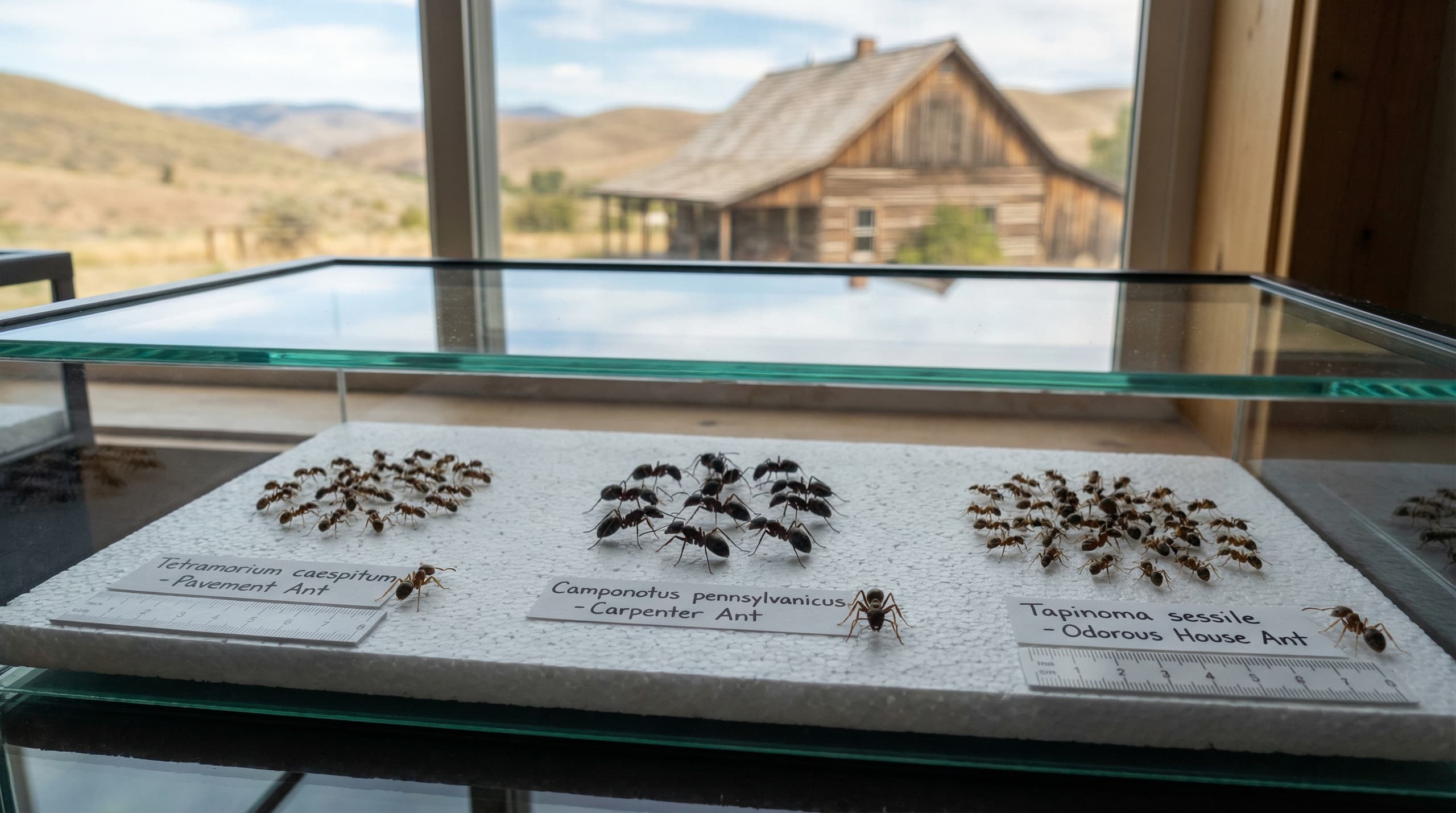
Not all flying ants carry the same risk. Identifying the species tells you how fast you need to move. Here's a quick rundown of the three swarmers we see in the Treasure Valley, starting with the one that should get you on the phone today. For a deeper dive on the worst-case scenario, see our guide on carpenter ant damage in Idaho homes.
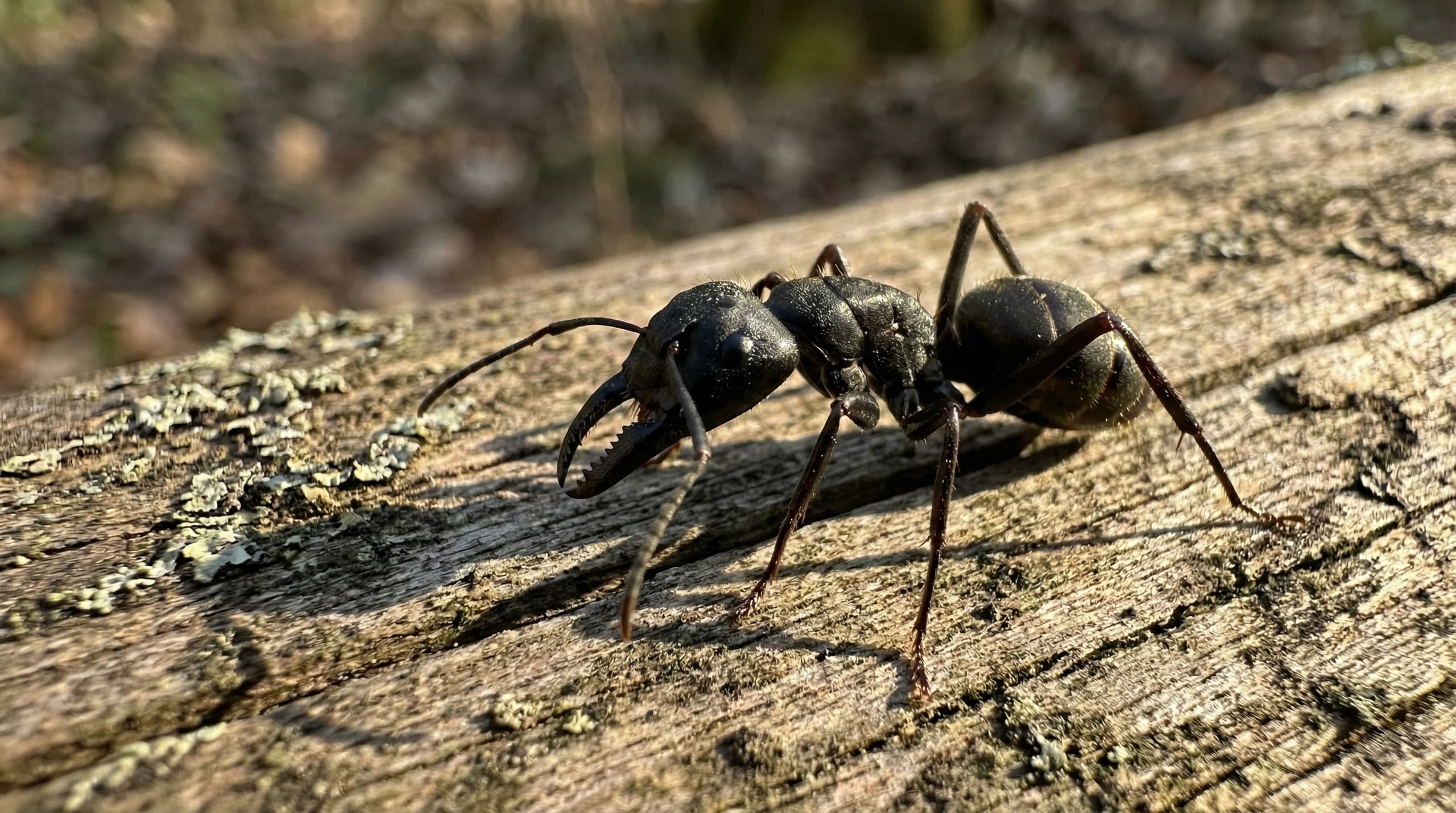
Carpenter Ant Swarmers (Most Concerning)
- Size: large, 1/2 to 3/4 inch including wings
- Color: black, sometimes with reddish tones
- Wings: front wings noticeably larger than back wings
- Body: pinched waist, elbowed antennae, smooth thorax
- Significance: a mature colony that may already be tunneling through your framing
Odorous House Ant Swarmers
- Size: small, about 1/8 inch plus wings
- Color: dark brown to black
- Smell: rotten coconut odor when crushed
- Body: single node, hidden by abdomen
- Significance: nuisance pest. Colonies may be inside walls but don't cause structural damage.
Pavement Ant Swarmers
- Size: small, about 1/8 inch plus wings
- Color: dark brown to black with lighter legs
- Body: two nodes, grooved thorax
- Nesting: usually outside under concrete, stones, or pavers
- Significance: typically outdoor nesters. Indoor swarmers often come from colonies under your foundation.
Flying Ants vs. Termites
Flying ants and termite swarmers look the same from across the room. Up close, five details tell them apart. Get this right before you call anyone, because the treatment for each is totally different. Heads up: Green Guard doesn't treat termites. If your specimens turn out to be termites, we'll point you to a Treasure Valley specialist who does.
- Waist: ants have pinched waists. Termites have broad, straight waists.
- Antennae: ant antennae are elbowed (bent). Termite antennae are straight and beaded.
- Wings: ant front wings are larger than the back pair. Termite wings are equal size.
- Wing durability: termite wings break off easily. Ant wings stay attached.
- Body color: most ant swarmers are dark. Termite swarmers are often lighter.
What Indoor Swarms Mean for Your Home
Indoor swarms are a big deal. They tell you five concrete things about what's happening inside your home right now.
- A mature colony exists. Only colonies 2+ years old produce swarmers.
- The colony is nearby. Swarmers don't travel far. The nest is inside your walls or pressed up against your foundation.
- The problem is established. This isn't a new infestation. It's been there for years.
- The colony is healthy. Producing reproductives means the colony is thriving, not struggling.
- More colonies may follow. Successful mating spawns new colonies all over the neighborhood.
What to Do When You See Flying Ants
If flying ants show up inside your house, here's the play. Work through these six steps in order before you start spraying anything yourself.
- Don't panic. Swarmers are harmless. They don't bite or sting.
- Collect specimens. Tape several to a sheet of white paper for ID.
- Note the location. Where are they emerging? Around windows, baseboards, foundations?
- Vacuum visible swarmers. This clears them out without spraying pesticides.
- Skip the spray cans. Aerosol pesticides don't reach the colony and can scatter it deeper into your walls.
- Call a professional. Same-day assessment matters, especially for carpenter ants. Call us at (208) 297-7947, and same-day service is often available.
Professional Treatment for Ant Swarm Situations
When you call Green Guard about flying ants, here's how the visit unfolds. The $49 initial service covers all of it, with most pests knocked back within 24 to 48 hours.
- Species ID: confirming exactly which ant species you're dealing with
- Colony location assessment: using ant behavior cues to track the nest
- Targeted treatment: products workers carry back to wipe out the whole colony, not just the visible swarmers
- Structural inspection: for carpenter ants, checking framing and trim for damage
- Prevention barriers: exterior perimeter spray to stop re-infestation
- Follow-up monitoring: free re-service between visits if you spot activity again
Preventing Future Ant Problems
Once the current colony is wiped out, you want to keep new ones from setting up shop. A few habits go a long way. For everyday kitchen prevention, see our companion guide on why ants invade Boise kitchens in spring.
- Stay on quarterly pest control. Continuous protection blocks new colonies before they establish.
- Fix moisture issues. Repair leaks and improve drainage. Ants need water as much as food.
- Seal entry points. Caulk cracks and gaps around the foundation, utility penetrations, and door frames.
- Cut off attractants. Store food properly and wipe up spills and crumbs the same day.
- Trim vegetation. Keep shrubs and tree branches off the siding so ants can't bridge in.
- Watch for early activity. Catching the first scouts means a cheaper, faster treatment.
Frequently Asked Questions
Are flying ants dangerous?
Quick answerFlying ants (swarmers) themselves don't bite or sting and aren't directly dangerous.
However, they indicate a significant ant colony nearby. If they're carpenter ants, the colony may be causing structural damage. The swarmers are the warning sign; the colony is the problem.
Will flying ants go away on their own?
Quick answerThe swarmers will die or leave within a day or two.
Their job is to mate and start new colonies, not to live indoors. The colony that produced them, though, stays right where it is. Without treatment, you'll keep seeing workers and another swarm next spring.
Why am I suddenly seeing hundreds of flying ants?
Quick answerColonies release swarmers all at once in response to environmental triggers like warm temperatures, high humidity, and calm conditions.
A single mature colony may release hundreds or even thousands of swarmers over a few hours or days. The synchronized release boosts mating success across the neighborhood.
Can flying ants start a colony in my house?
Quick answerIt's possible but relatively rare.
Most swarming ants leave structures to mate and establish colonies outdoors or in new structures. However, carpenter ant queens can establish colonies in suitable wood within your home. Professional treatment prevents this possibility.
How do I know if it's ants or termites?
Quick answerCheck the waist and antennae.
Ants have pinched (narrow) waists and elbowed (bent) antennae. Termites have broad, straight waists and straight, beaded antennae. If you're uncertain, tape a few specimens to white paper and send us a photo. Heads up: Green Guard treats ants but not termites, so if it turns out to be termites we'll refer you to a Treasure Valley specialist.
How much does ant swarm treatment cost in the Treasure Valley?
Quick answerOur initial service is $49 for new subscription customers, which covers full inspection, species ID, and targeted treatment.
Quarterly plans run $119 for homes up to 2,500 sq ft, $139 for 2,501 to 4,000 sq ft, and $159 for 4,001 to 5,500 sq ft. Every plan includes free re-service between visits if pests come back. Call (208) 297-7947 to book.